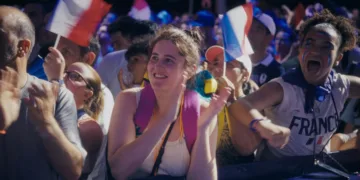






























Valentine Cadic’s debut centers on Blandine, a piano teacher from Normandy whose trip to Paris for the 2024 Olympics unfolds across sunlit streets and throbbing terraces of global enthusiasm. From her awkward arrival—backpack in tow—to her tentative reunion with half‑sister Julie and lively niece Alma, Blandine embodies the outsider drawn into a festival of faces. Her plan to witness swimmer Beryl Gastaldello clashes with tight security, leaving her to wander through graffiti‑draped lanes, hostel corridors, and riverside mornings.
Cadic’s palette mixes documentary immediacy with lyrical framing, echoing the observational traditions of parallel cinemas from Mumbai to Marseille. Cinematographer Naomi Amarger captures crowds in long takes that evoke a sense of collective momentum, while intimate close‑ups reveal Blandine’s quiet resolve.
The soundscape shifts between crowded cheers and hushed whispers, reflecting how individual longing coexists with communal jubilation. Musical motifs float between electronic ambience and piano interludes, underscoring a mood both lighthearted and suffused with yearning. By placing an unassuming heroine at the heart of a global event, That Summer in Paris invites viewers from Delhi to Detroit to reflect on how festivals mirror personal narratives, charting unexpected kinship.
Seven Days, Three Acts: Pacing Amid Parisian Fervor
Valentine Cadic structures That Summer in Paris around a precise seven‑day timeline that mirrors the Olympic schedule, giving the film a compact, almost novella‑like shape. The triptych act format opens with Blandine’s arrival and immediate disruption: her valid ticket and oversized rucksack deny her entry to the swimming competition, setting a tone of playful frustration.
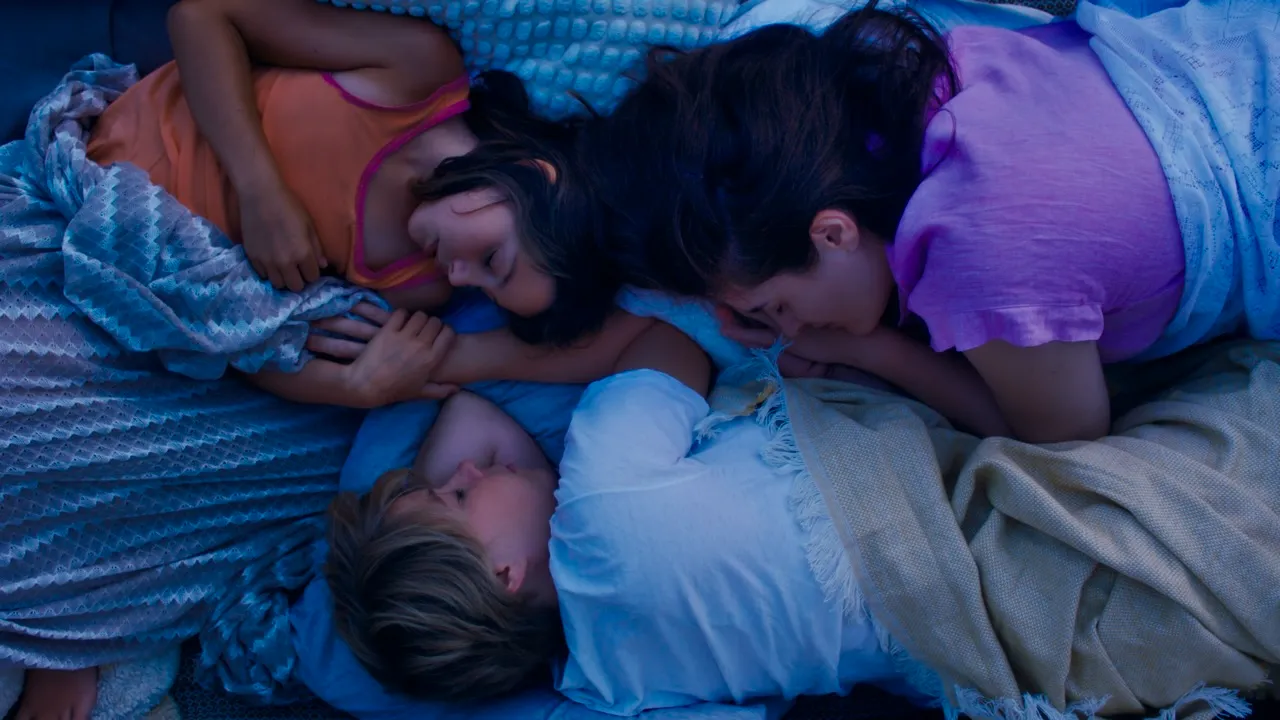
Act two unfolds through rising action—her eviction from the youth hostel, aimless strolls past graffiti‑strewn lanes, and spontaneous encounters with locals—each vignette adding texture to her solitary quest. The midpoint arrives when Blandine finally greets her half‑sister Julie after ten years, shifting her focus from athletic spectacle to family ties. In the final act, emotional stakes peak during a sweltering balcony sleepover and a sun‑lit park picnic where intergenerational bonds solidify.
Cadic alternates bustling crowd sequences—towering screens showing real‑time races, throngs spilling from Métro exits—with quieter interludes that let silence convey Blandine’s inner life. A handheld camera drifts behind her at the Arc de Triomphe, then cuts to a lingering shot of her face bathed in streetlight, granting viewers a moment to absorb her mixture of wonder and wistfulness. These “breath‑space” scenes invite empathy through stillness rather than dialogue.
Shifts in tone feel organic: a comical police arrest, complete with deadpan walkie‑talkie quips, dissolves into a reflective pause as Blandine traces rivulets on the Seine’s embankment. That oscillation between farce and melancholy recalls the narrative pacing of Indian parallel cinema, where mood changes flow gently rather than jarring the audience. By marrying episodic structure with consistent emotional undercurrents, Cadic achieves a rhythm that feels both grounded in documentarian observation and tuned to the universal pulse of human connection.
From Solitude to Spark: Character Threads in That Summer in Paris
Blandine’s journey unfolds in her hesitations and small triumphs. Played with refreshing authenticity by Blandine Madec, she drags an oversized rucksack—an instant symbol of emotional baggage that shadows her through crowded Métro stations and hostel corridors. Early scenes frame her as a passive observer, often caught in rear‑view shots that echo Indian parallel cinema’s fondness for letting setting speak for the soul.
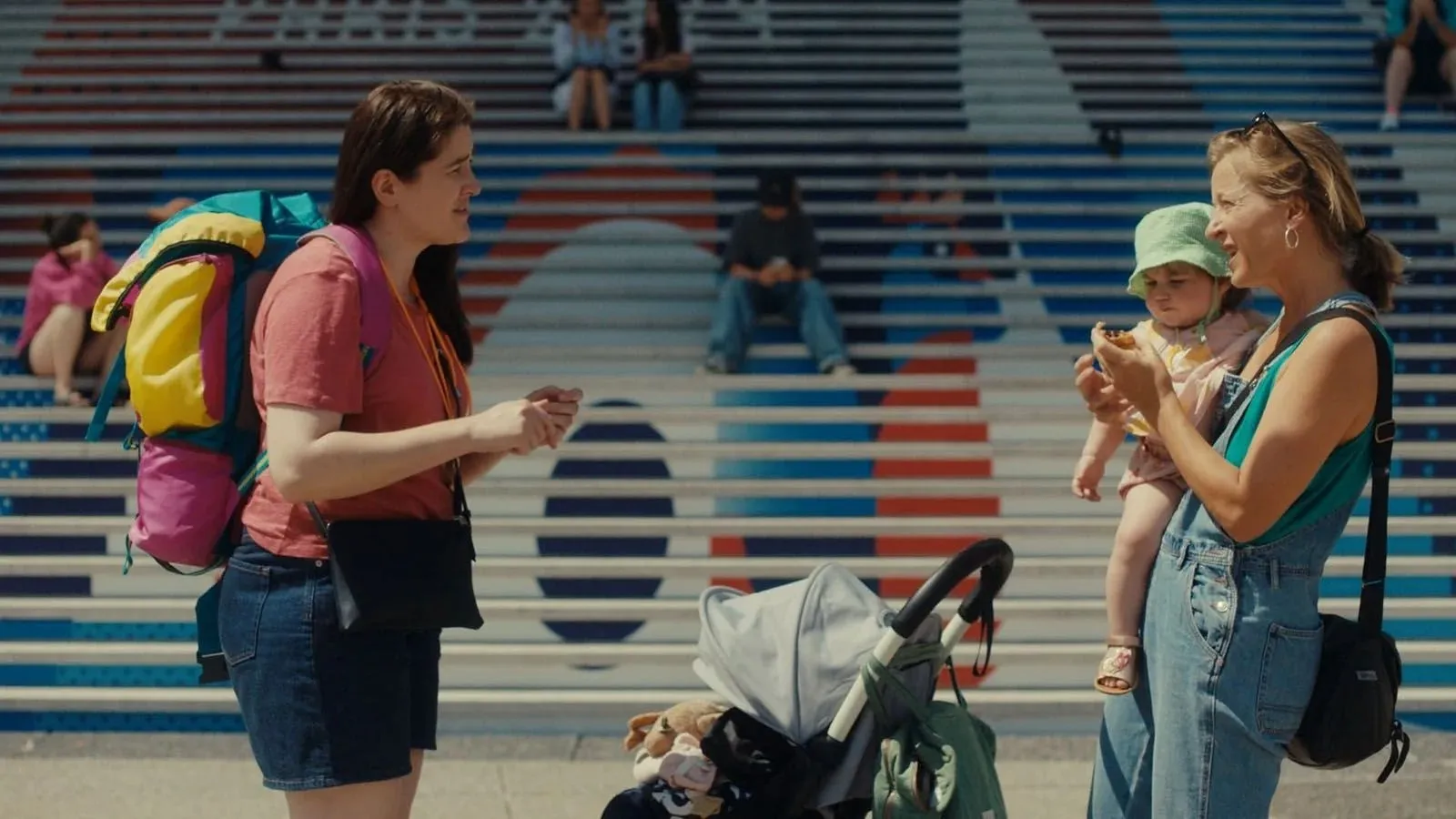
As she’s repeatedly turned away from Olympic venues, her stiff posture and awkward attempts at humour reveal a woman whose confidence is tethered to routine. Gradually, those tiny cracks in her armour—an unguarded smile at a fellow traveler, a tender glance at her niece—mark her shift toward openness. Each gesture registers like a piano note in the film’s understated score, guiding Blandine from safe isolation into fragile connection.
Julie and eight‑year‑old Alma form the emotional fulcrum of Blandine’s transformation. India Hair’s Julie embodies a guarded warmth that recalls sister figures in films like Masaan, balancing affection with unspoken history. Their initial reunion crackles with formality—a stiff embrace, clipped dialogue—before softening over a midnight balcony sleepover.
Alma’s bright curiosity mirrors the way children in Bollywood dramas often unlock parental truths: her innocent questions prompt Blandine to reveal lost dreams and private regrets. In one park sequence, Alma’s laughter rings out against distant national‑anthem broadcasts, underlining how family can outshine grand spectacles.
Beyond this core trio, supporting players enrich the urban tapestry. Benjamin, a shy electrician played by Arcadi Radeff, offers fleeting kindness in a late‑night streetlight encounter, recalling chance bonds found in world‑cinema road‑stories. Hostel roommates appear in quick micro‑sketches—whispered goodnights, rumpled bunks—that evoke communal intimacy typical of youth‑hostel sequences in global indie films. Even Beryl Gastaldello’s real‑life cameo functions as more than star‑struck fanfare; her brief wave from the riverbank becomes a poetic punctuation, a reminder that admiration can connect strangers across private and public spheres.
Palette of Place: Cinematic Textures in That Summer in Paris
Valentine Cadic enlists sunlight as a principal collaborator, painting the Arc de Triomphe, Notre Dame and the Seine in warm, translucent hues. These long, sun‑dappled framings evoke the observational poise of Indian parallel cinema—think Kumar Shahani’s natural‑light compositions—while a handheld camera drifts through Olympic crowds with the spontaneity found in contemporary Bollywood’s documentary‑infused sequences. Rear‑view shots of Blandine become a visual metaphor for her emotional distance, recalling the quiet introspection in Satyajit Ray’s humans‑in‑transit moments, yet refracted through Cadic’s fresh, urban lens.
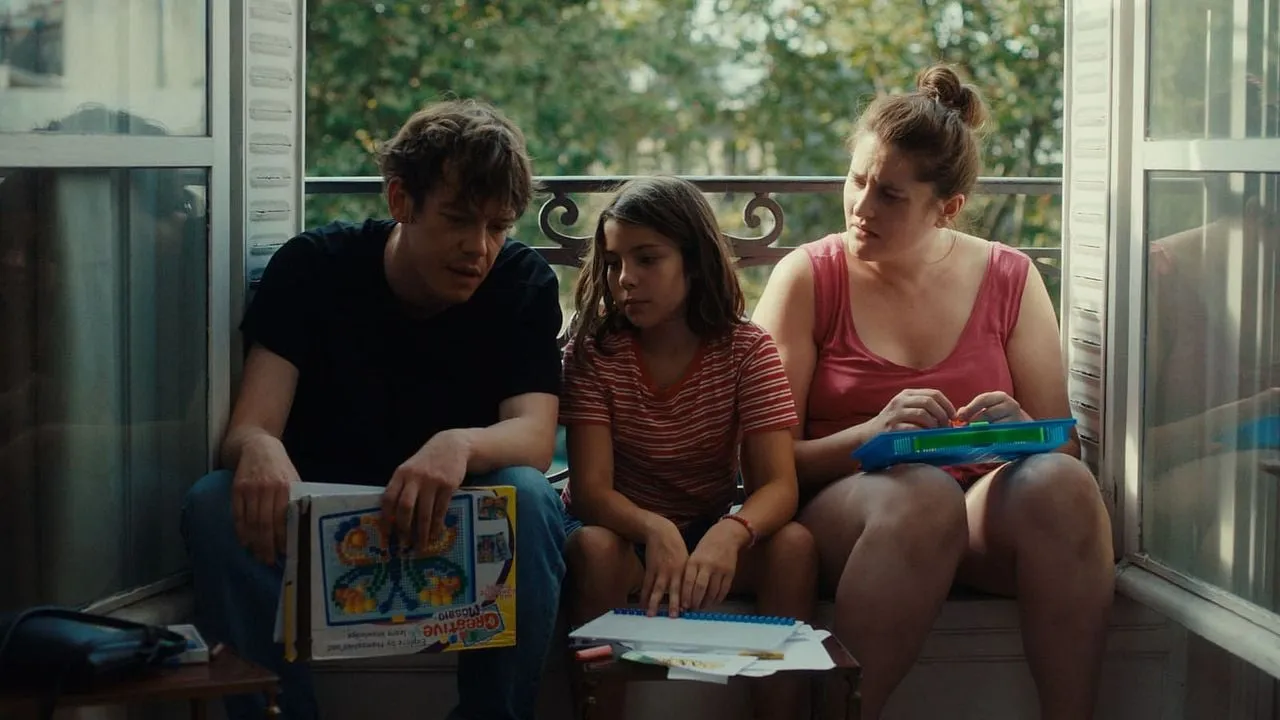
Saint Christopher’s Canal Hostel feels alive with ritual: cramped bunks, communal toothbrush symphonies and whispered confidences. Its narrow corridors draw a parallel to the chawls of Mumbai’s cityscape, where shared space breeds fleeting intimacy. Graffiti‑strewn side streets contrast sharply with the polished arenas of Olympic venues, much as street‑corner realism collides with Bollywood’s stadium‑scale song sequences. On Julie’s balcony, stifling heat gives way to shared blankets and close‑quarters bonding, while a park picnic unfolds under leafy canopies—both transitional spaces that echo the threshold settings beloved by global road‑movies.
Costume and colour punctuate Cadic’s aesthetic vision. Blandine’s pastel rucksack and relaxed attire act as constant visual anchors, akin to the bold wardrobes in Mira Nair’s early work yet stripped of theatrical flourish. Olympic banners and giant outdoor screens splash festival reds, blues and golds across city streets, their celebratory palette colliding with Blandine’s subdued tones. This interplay of muted personal hues against a backdrop of public spectacle mirrors the way cross‑cultural films—from Salaam Bombay! to Rang De Basanti—balance individual sensitivity against collective energy, crafting a visual dialogue that feels intimately universal.
Mass and Me: When Festivals Mirror the Soul
The contrast between sprawling Olympic crowds and Blandine’s personal isolation becomes a central symbol. Handheld sequences weave her clad in a pastel backpack through throngs of cheering fans, each cheer amplifying her solitude. That heavy pack, rejected at stadium gates, becomes a visual shorthand for the emotional barriers she carries—much like solitary protagonists in Indian parallel films who drift unseen among street processions.
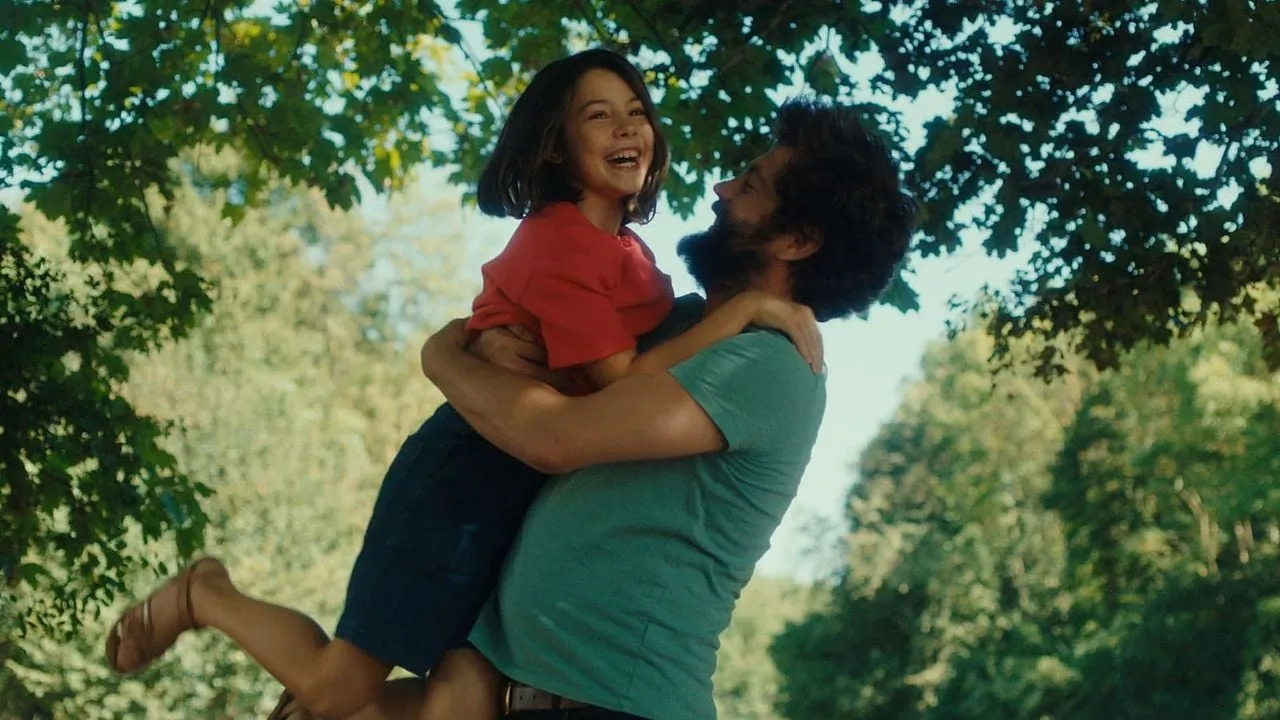
Family reconnection takes shape in small gestures. Blandine’s reunion with half‑sister Julie begins with guarded politeness, then softens over whispered laughter on a cramped balcony. Eight‑year‑old Alma channels the role of guide, her youthful curiosity coaxing hidden emotions to the surface. These moments echo sibling bonds in films such as Masaan, where childlike honesty can bridge long‑standing divides.
Olympic pageantry glitters against scenes of everyday hardship. As giant screens celebrate athletic triumphs, nearby protesters and displaced residents assert life’s less glamorous rhythms. This interplay recalls Peepli Live’s satirical take on high‑profile spectacles overshadowing rural realities, suggesting that any grand event risks eclipsing unseen lives.
Fleeting episodes—an impromptu balcony sleepover, a dawn encounter by the Seine—carry the film’s nostalgia. Their poetic hush, lit by early sun, feels as ephemeral as memory sequences in Barfi!, where quiet beauty lingers just beyond reach. These instances transform ordinary setting into a stage for longing, capturing the gentle ache of unspoken possibility.
Sonic Currents: From Olympic Roar to Quiet Reflection
Valentine Cadic’s film harnesses both score and ambient sound to chart Blandine’s emotional beats. Ethereal electronic motifs drift in during city wanderings, their gentle hum mirroring her tentative curiosity. At moments of levity—her bungled stadium entry, a surprised grin—the music shifts to playful staccato notes that accentuate comic timing without overwhelming the frame.
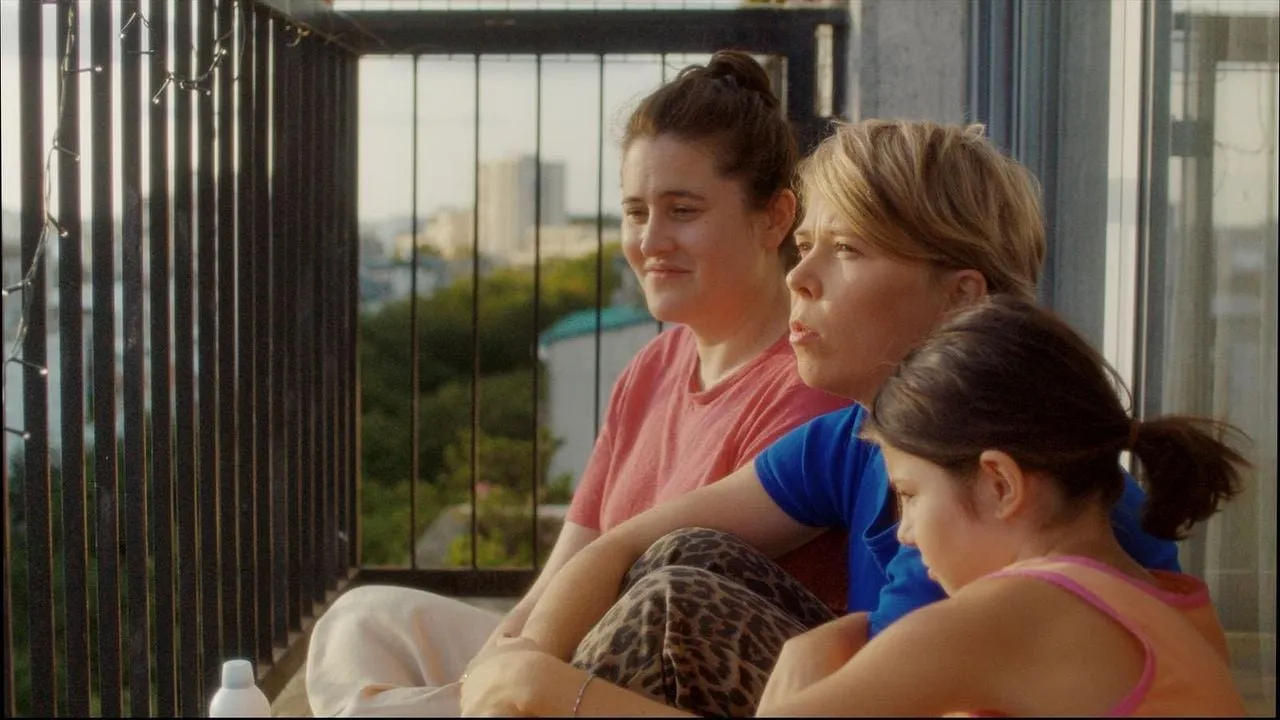
Diegetic elements root the story in lived reality: the distant roar of Olympic crowds, intermittent whistles from security personnel, and PA announcements crackling over loudspeakers. In the hostel, hushed laughter and the rhythmic brushing of teeth create intimate counterpoints to public spectacle. These textures recall the layered soundscapes of The Lunchbox, where Mumbai’s pulse becomes a character in itself.
Cadic also embraces silence as a storytelling device. Extended pauses—Blandine pausing on a Seine bridge or leaning against a graffiti‑lined wall—invite viewers into her private world. In these hushed interludes, absence of music becomes its own commentary, foregrounding her quiet resilience against the city’s clamour.
Final Reflections: Warm Currents at Daybreak
The film’s emotional residue settles gently, much like that dawn scene by the Seine. Blandine’s quiet evolution—from hesitantly dragging her pastel rucksack through noisy streets to sharing whispered jokes on Julie’s balcony—stays with you. Those borrowed moments of laughter beneath floodlit screens and soft confessions under summer stars carry a lasting glow, reminding viewers how small gestures can shift a heart’s compass.
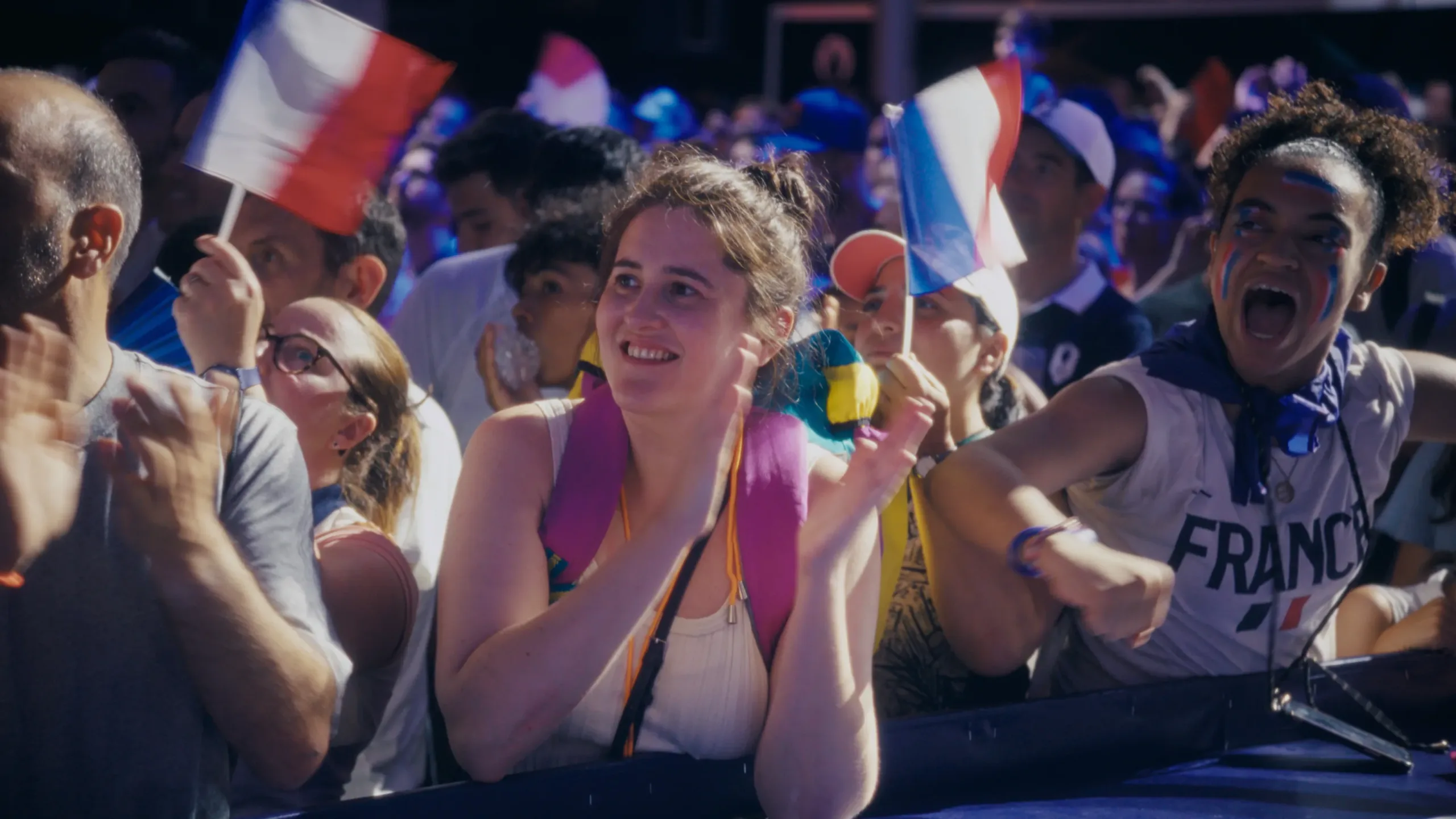
Cadic’s assured direction anchors the story in lived texture, while Naomi Amarger’s lens captures Paris as both festive stage and intimate confidante. Blandine Madec delivers a layered performance, where awkward smiles and sudden sparks of courage feel deeply lived. International audiences attuned to character‑first dramas will find appeal here: a personal tale unfolding against a massive event without ever feeling dwarfed by it.
By merging vérité aesthetics with gentle storytelling, Cadic emerges as a promising voice in global art‑house circles, one who honours the unpredictability of real life even as she shapes it into cinematic poetry. Her debut stakes a claim for French‑cinema new voices that weave cultural specificity into universal rhythms, inviting parallels with Mumbai’s parallel‑cinema pioneers and beyond.
Full Credits
Director: Valentine Cadic
Writers: Valentine Cadic, Mariette Désert
Producers: Arnaud Bruttin, Antoine Jouve, Masa Sawada
Executive Producer: Côme Chobert-Passot
Cast: Blandine Madec, India Hair, Arcadi Radeff, Matthias Jacquin, Lou Deleuze, Béryl Gastaldello
Director of Photography (Cinematographer): Naomi Amarger
Editor: Lisa Raymond
Composer: Saint DX
The Review
That Summer In Paris
That Summer in Paris enchants with gentle humour and sincere observation. Valentine Cadic’s assured debut captures Olympic spectacle without drowning out Blandine’s quiet journey. Blandine Madec’s nuanced portrayal turns everyday mishaps into moments of warmth, and the on‑location authenticity lends each scene a lived‑in resonance. This modestly paced film leaves a lingering glow, reminding us that connection often blooms in unplanned encounters.
PROS
- Authentic portrayal of Paris during the Olympic Games
- Blandine Madec’s natural, engaging performance
- Subtle humour woven into everyday moments
- Cinematography that captures sunlit streets and bustling crowds
- Sound design balancing public roar and private stillness
CONS
- Story unfolds at a leisurely pace
- Secondary characters receive limited development
- Dramatic tension remains confined to personal interactions
- Running time may feel brief for viewers seeking broader scope
- Minimal exploration of the wider Olympic impact







