































The Baltimorons opens on a crisp Christmas Eve, where the collision of holiday cheer and everyday missteps sets the stage for an offbeat romance. An ex‑improv comic, Cliff, approaches middle age sober and wary of his old life. A fractured tooth forces him into the only open dentist’s chair in town—Didi’s—prompting a night of unplanned detours that carry echoes of festive rituals worldwide, from German Weihnachtsmärkte to Japanese illumination festivals.
Cliff’s accidental stumble introduces him to Didi, a meticulous practitioner whose guarded warmth reflects the blue‑collar honesty of Baltimore’s neighborhoods. Here, Jay Duplass, directing solo for the first time, traces subtle shifts in body language and uses tight framings to mirror the give‑and‑take of improv: yes, and… in cinematic terms. Co‑writer and star Michael Strassner draws from his own experience, lending authenticity to scenes that pivot between awkward banter and genuine empathy.
This film wears its mumblecore heritage lightly, favoring gently lit street corners over sweeping holiday pageantry. Yet its emphasis on improvisation and human connection resonates across cultures, inviting viewers from Milan to Mumbai to recognize the universal delight of unexpected companionship. As the harbor lights glow behind them, Baltimore feels alive—not merely a backdrop, but a living tableau where personal histories and communal celebrations converge.
Cross‑Cultural Beats in Narrative Design
From the opening sequence’s stark portrayal of Cliff fashioning a noose and mounting a belt loop, the film establishes a rhythm that resonates with global tales of rebirth after crisis—think of European art‑house stories where a single act of desperation propels characters into new moral territories. Six months later, the abrupt jump to Cliff proudly showing his AA chip mirrors the level‑unlock moment in narrative‑driven games, signaling both progress and the lingering risk of relapse.
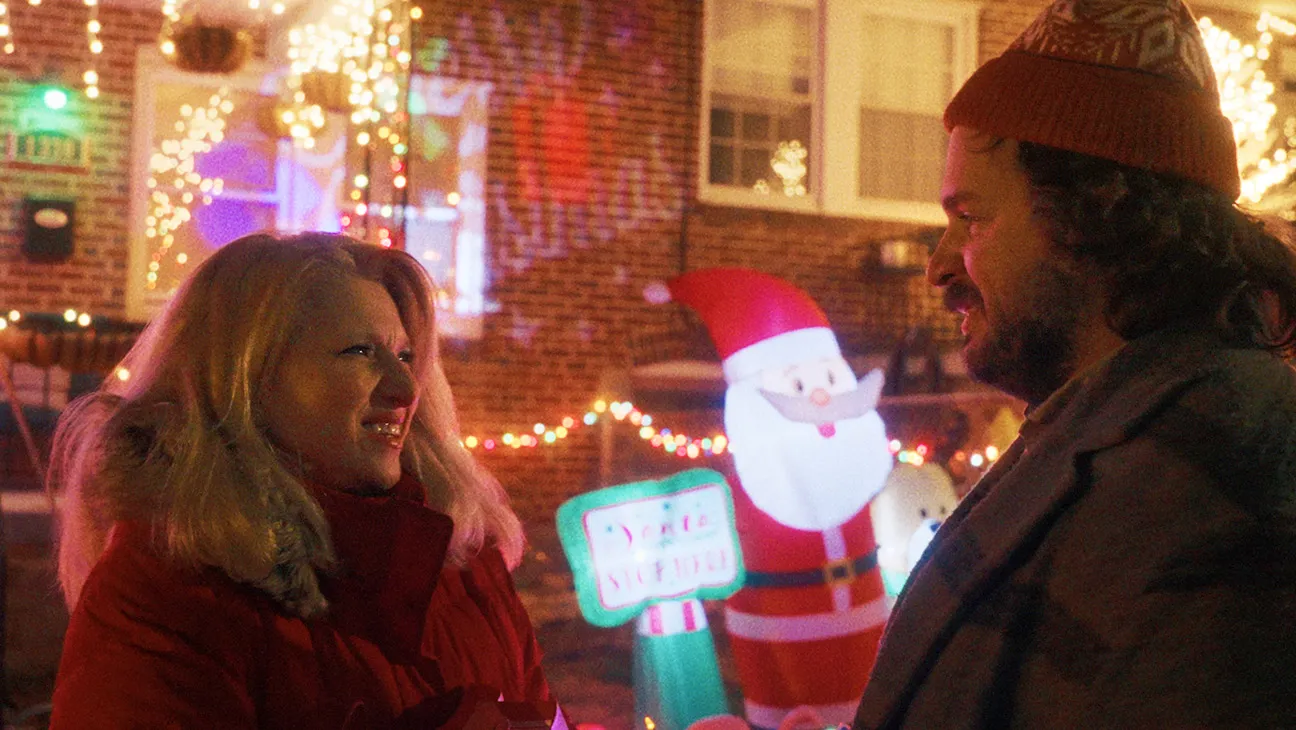
The Christmas Eve mishap—Cliff colliding with a door frame and shattering a tooth—functions like an inciting quest trigger in Japanese role‑playing games, where a seemingly small accident opens a world of unfolding challenges. His frantic hunt for an open dentist, hounded by holiday closures, echoes the time‑management mechanics of Korean mobile titles, forcing rapid decision‑making under real‑world constraints. When Cliff reaches Didi’s clinic, their first gaze exchange sets off a branching dialogue arc: she responds with professional brusqueness, he counters with unfiltered warmth, each beat opening new emotional gameplay options.
As the story unfolds, a tow‑yard detour becomes the first cooperative puzzle: Didi reluctantly drives Cliff through closed gates, forging trust through shared problem‑solving—a dynamic familiar to co‑op gamers worldwide. Subsequent outings—searching for open restaurants, an impromptu crab‑boat excursion—play like episodic side quests, each one deepening character bonds with low‑stakes experimentation and revealing local color that feels intimate yet universally relatable.
At the midpoint, Marvin’s pop‑up improv night functions as a high‑risk boss battle: Cliff confronts sobriety fears onstage, improvising a confession that shatters his protective facade. Meanwhile, Didi’s quiet anguish over her ex‑husband’s remarriage unlocks her emotional vulnerability, mirroring narrative games where NPC backstories enrich the main path. Their interaction here exemplifies narrative‑mechanical synergy—their improvised comedy becomes the system through which both heal.
The climactic confrontation with Brittany shifts the tone abruptly—dialogue crackles with regret and honesty as Cliff admits, “I tried the normal life.” This feels structurally akin to a final challenge that tests everything learned. In the resolution, the camera lingers on two figures stepping into the Baltimore night, hope tempered by uncertainty—an open‑world finale that invites viewers to chart their own course.
Crossing Paths: Character Arcs and Global Performance Styles
Cliff’s trajectory mirrors the classic RPG hero’s arc—he begins at a nadir, crafting a noose in the attic, and over six months levels up through sobriety. Michael Strassner channels the confessional authenticity found in Latin American cinema’s New Argentine Cinema movement, where protagonists reconcile personal demons in long takes and quiet admissions. His deadpan humor serves as both shield and sword, disarming Didi’s defenses with off‑hand riffs even as he confronts the risk of relapse. This tension between recovery and comic impulse underscores how vulnerability can be a form of strength in storytelling traditions from Korean indie films to American mumblecore.
Didi’s performance evokes the restrained emotionality of Scandinavian dramas, where a stoic exterior gradually fractures to reveal deeper feeling. Liz Larsen’s precise gestures—tight jaw, a paused breath before a reluctant smile—trace a map of heartbreak from divorce and family estrangement. These moments play like visual “cutscenes,” inviting viewers to pause and reflect before the next narrative “quest” begins. Her gradual thaw recalls the subtle warmth in Hirokazu Kore‑eda’s work, blending professional rigor with a humanizing undercurrent.
Olivia Luccardi’s Brittany acts as an anxious NPC whose protective programming occasionally glitches—her fear for Cliff’s safety emerges in sharp exchanges that highlight the collateral effects of addiction. Rob Phoenix’s Marvin serves as the inciting “raid boss,” challenging Cliff to confront sobriety stakes on a live improv stage. Meanwhile, Brian Mendes and Mary Catherine Garrison’s Conway and Patty inject levity at the holiday party like well‑placed Easter eggs, their playful bickering providing comedic counterbalance and local color.
Minor roles—Jessie Cohen’s Shelby and Zoe Strassner’s Maddie—function as side‑quests that deepen Didi’s backstory, illustrating how community ties can both wound and heal. These layers of interaction reflect a cross‑cultural emphasis on ensemble cast dynamics, whether in Bollywood dramas or European art‑films. By weaving diverse performance traditions into its narrative fabric, The Baltimorons invites viewers from Mumbai to Madrid to recognize the shared rhythms of loss, laughter, and slow‑burn connection.
Framing Connection: Crafting Intimacy Through Technical Precision
Jay Duplass employs a subtle approach that masks meticulous design behind off‑hand performances. Long takes and unhurried blocking echo Italian neorealism’s attention to everyday gestures, while the improvisational feel nods to Korean indie films where scenes unfold organically around characters’ choices. This balance between freedom and control invites viewers to inhabit the same emotional space as Cliff and Didi, much like an open‑world narrative respects player agency within a guided story framework.
Bregel paints Christmas Eve in muted blues and soft ambers, evoking Eastern European winter dramas where minimal practical lighting carries dramatic weight. Grainy textures lend an analog warmth, as streetlamps and shop windows illuminate faces against chilly exteriors. Occasional zooms—borrowed from 1970s American cinema and the French New Wave—land precisely on awkward grins or sudden looks of empathy, punctuating humor and tenderness without feeling anachronistic.
The rhythm follows a pulse of advance and retreat, mirroring Cliff’s sobriety journey. A small victory—like securing a tow‑yard ride—cuts to moments of hesitation, echoing branching dialogue systems in narrative games. Transitions glide from intimate dialogue to the pop‑up improv setpiece with sound bridges (a dental drill’s hum fading into jingly piano riffs), reinforcing emotional shifts as seamlessly as well‑tuned audio cues in cross‑platform storytelling.
Wardrobe leans on thrift‑store normals—neutral tones and simple cuts that reference British kitchen‑sink realism—while holiday décor is sparse: a lone wreath, a string of bulbs. This restraint intensifies moments of warmth when characters claim personal space. The makeshift improv stage, framed by oil‑slicked floors and lift rigs, contrasts sharply with Didi’s spartan dental office, underlining the divide between spontaneous adventure and professional routine.
Symphony of Serendipity: Themes, Tone & Music
At its heart, the film channels an improvisational credo—“Yes, and…”—that resonates across cultural storytelling from American mumblecore to Japanese role‑playing games where emergent narratives thrive on player choices. Cliff and Didi’s night of unplanned meetings becomes a study in adaptability, mirroring how gamers encounter unexpected side‑quests that reveal hidden depths. This embrace of unpredictability underlines a universal desire to lean into vulnerability rather than resist it.
Recovery and second chances emerge with a gravity often reserved for Scandinavian social dramas, yet here they’re punctuated by moments of levity more akin to Brazilian cinema’s tender humor. Cliff’s sobriety chip and his hesitations carry the weight of personal history, even as his one‑liners cut through tension. Didi’s professional composure gives way to laughter in small increments, tracking a generational bridge that echoes global cinema’s fascination with May‑December connections, from European festivals to Korean indie fests.
A quiet melancholy threads beneath scenes of spontaneous joy, similar to how ambient tracks in open‑world video games underscore both freedom and isolation. Jordan Seigel’s score borrows from Vince Guaraldi’s seasonal style but refracts it through jazz riffs that hint at New Orleans clubs and modern lounge music, creating a soundscape that feels cosmopolitan yet intimate. Diegetic elements—Baltimore traffic hum, the dentist’s drill, boat hulls against water—anchor moments in realism, while subtle sound bridges, like a dental chair’s whirr dissolving into piano jingle, guide viewers through tonal shifts with effortless unity.
Moments of unexpected laughter follow confessional beats, suggesting that joy and sorrow need not occupy separate spheres. This interplay raises a question: when art leans into improvisation, who holds the script?
Global Resonance & Final Reflections
As dusk settles over Baltimore’s harbor, this modest holiday dramedy unfolds with the precision of a Japanese visual novel’s branching paths—each choice revealing tender truths about recovery, longing, and human connection. Strassner and Larsen kindle an intimacy reminiscent of European art‑house romances, yet their chemistry feels grounded in American mumblecore’s unvarnished honesty. The film’s modest scale allows themes of second chances and intergenerational empathy to echo across cultural lines, inviting comparisons to Korean indie hits where a single evening can upend deeply held routines.
Moments of improvised comedy serve as narrative mechanics, much like co‑op challenges in global gaming communities: they test trust and unlock surprising emotional payoffs. Holiday tropes are quietly subverted, replaced by authentic gestures—a shared crab boat ride over frilly carols—that resonate equally in Milan’s piazzas or São Paulo’s street festivals.
Audiences who cherish character‑driven storytelling—whether in cinema or interactive media—will find unexpected warmth here. And yet, as Cliff and Didi step into the night, their story remains delightfully unwritten: which uncharted path will they explore next?
Full Credits
Director: Jay Duplass
Writers: Jay Duplass, Michael Strassner
Producers: David Bonnett Jr., Michael Strassner, Drew Langer
Executive Producers: Jay Duplass, Mark Duplass, Mel Eslyn, Shuli Harel
Cast: Michael Strassner, Liz Larsen, Olivia Luccardi, Jessie Cohen, Brian Mendes, Marina Erickson, Stacy Caspari, Morgan Dixon, Zoe Strassner, Drew Limon, Rob Phoenix, Chris Strassner, David Strassner, Mary Catherine Garrison
Director of Photography: Jon Bregel
Editor: Jay Deuby
Composer: Jordan Seigel
The Review
The Baltimorons
The Baltimorons offers a quietly powerful exploration of renewal and unexpected connection, its inventive blend of naturalistic performances and subtle visual rhythms inviting viewers from diverse cultures to “yes, and” life’s surprises. Strassner and Larsen’s chemistry anchors a story that feels both intimately local and universally resonant, turning a simple holiday night into a rich emotional journey.
PROS
- Naturalistic performances that foster genuine empathy
- Subtle visual style capturing Baltimore’s character
- Organic interplay of humor and emotional depth
- Improv‑inflected dialogue feels spontaneous
- Jazz‑tinged score enriches seasonal atmosphere
CONS
- Deliberate pacing may test viewers’ patience
- Modest scope limits broader dramatic stakes
- Occasional tonal shifts can feel uneven
- Holiday trappings remain underplayed for some tastes







