




























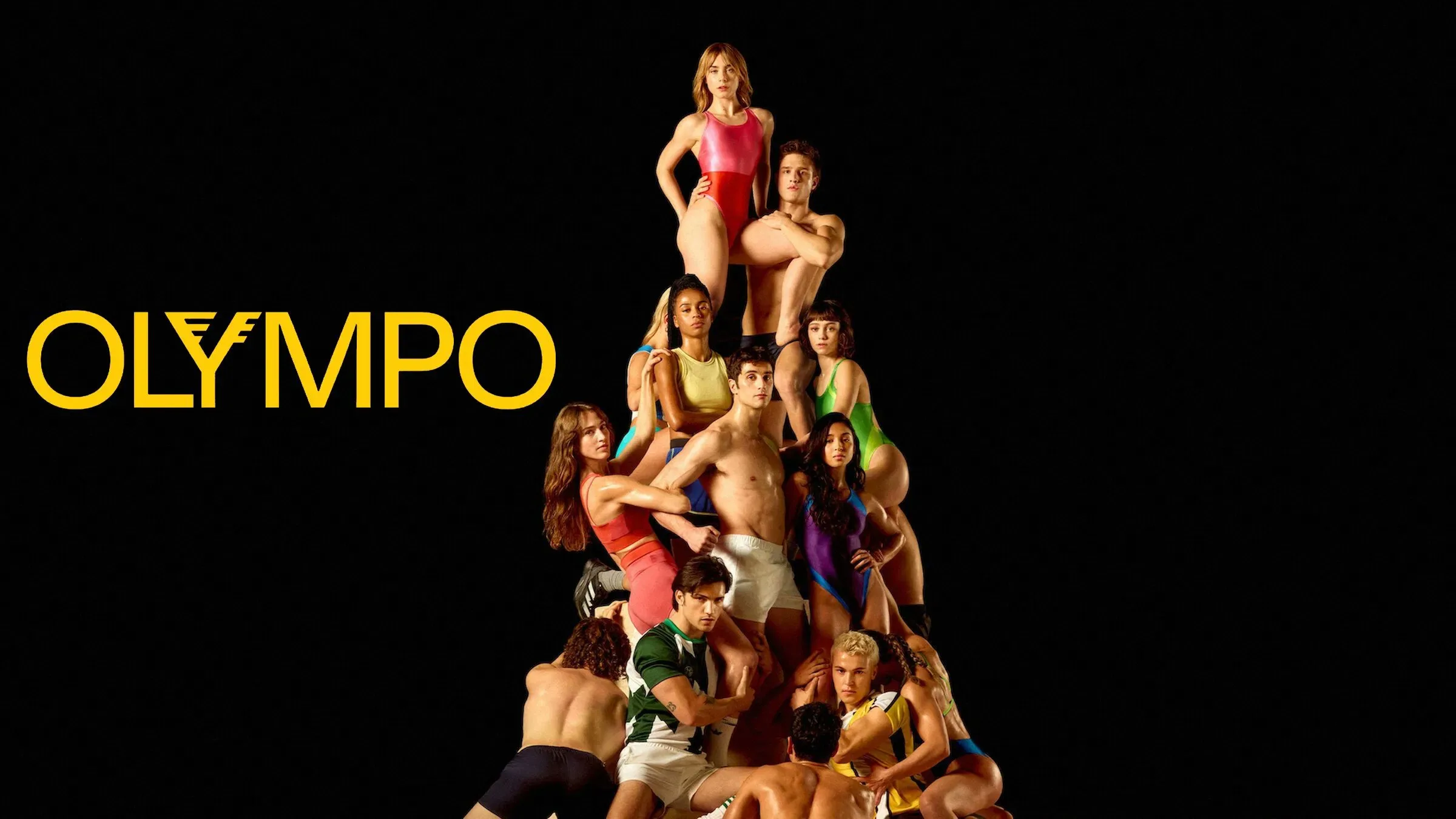

Olympo plunges viewers into the white-washed corridors and echoing pools of Spain’s Pirineos High Performance Center, where every lap, tread, and sprint is measured against the looming promise of Olympic glory. At its narrative core sits Amaia Olaberria, a steely synchronized swimmer whose world tilts when her closest ally, Núria, returns from an unexplained absence performing beyond belief.
That single pivot—friend overtaking friend—sparks a detective’s curiosity in Amaia, transforming routine training sequences into scenes charged with suspicion. From the very first episode, Olympo balances intimate locker-room confidences and dimly lit cell-block whispers with the thump of electronic pulses underscoring competition.
Teenage alliances fracture under the weight of ambition; casual flirtations in shower stalls gain dramatic heft once contracts with the shadowy Olympo brand emerge. The show doesn’t simply frame adolescence as hormonal; it exposes how a regimented world of coaches, doctors, and sponsors can warp trust into currency.
Without abandoning the pulsing thrill of sport, Olympo weaves a mystery so grounded in character psychology that every glance between Amaia and Núria threatens to reveal another layer of conspiracy. It’s a tale where the boundaries between teammate, rival, and pawn are never fixed—an opening salvo that stakes its claim in both teen drama and suspense.
Setting and World: The Pulse of the Pirineos High Performance Center
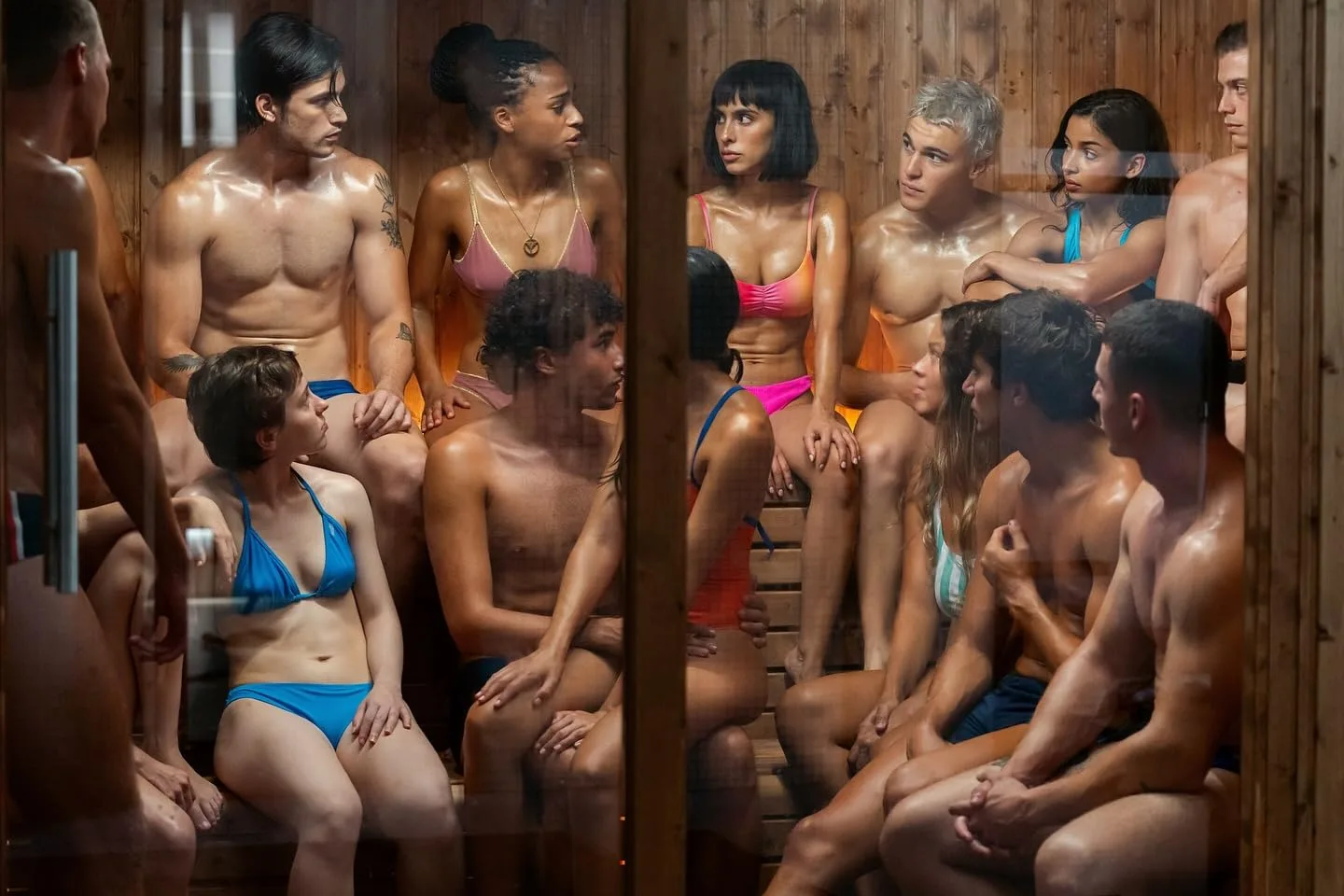
Olympo roots its drama in the stark geometry of the Pirineos High Performance Center. Glass-walled pools stretch beneath steel rafters, their rippling surfaces reflecting the fluorescent glare of interminable training days. Adjacent gym halls house weight racks and treadmills, each machine calibrated for marginal gains. Down the hall, shared dormitories feel more like cells than sanctuaries: bunk beds lined in regimented rows, personal effects reduced to a few discreet mementos.
This environment shapes every moment. Athletes rise before dawn, slipping into swimsuits or cleats while coaches hover like watchful sentinels. Medical staff administer biometric scans between laps, needles poised for blood tests that measure potential as coldly as any scoreboard. Performance analysts compile data in real time—heart rates, split times, lactate thresholds—transforming human bodies into spreadsheets. It’s a system that tolerates no hesitation and punishes empathy as weakness.
Yet beneath this rigor lies a familiar rhythm. Swimming intervals blur into sprint drills on the track, while rugby scrums echo in distant fields. Each sport follows its own choreography: synchronized swimmers unfurl in underwater patterns, track stars trace perfect arcs, and rugby players collide in thunderous bursts. Coaches deliver pep talks with equal parts calculus and bravado, demanding precision in movement and mindset.
Overlaying these routines is the weight of external ambition. National pride is invoked at every meal, Olympic medals dangled like carrots before thirsty eyes. The omnipresent “Olympo” logo—on brochures, banners, even branded water bottles—hints at corporate stakes that stretch far beyond podium finishes.
In the dorms, alliances form and dissolve over whispered confidences and stolen glances. Privacy is a luxury few can afford when every hallway may conceal hidden microphones or scouting interns. Rivalries flicker between bedposts; loyalty is negotiated in stifled corridors. Here, every glance counts, every secret is a gamble, and the world outside feels simultaneously distant and unbearably close.
Characters and Performances: Anatomy of Ambition
At the series’ center is Amaia Olaberria, portrayed by Clara Galle with steely precision. Amaia’s discipline is almost monastic: her every movement is calibrated, from her fingertip glide through water to her clipped, tactical exchanges with teammates. As the plot unfolds, Galle shifts imperceptibly—from steely confidence to taut uncertainty—each furrowed brow or hesitant glance marking the erosion of her certainties.
Opposite Amaia, Núria Bórges (María Romanillos) returns from absence like a plot device in human form: a triumphant comeback that feels staged on purpose, yet Romanillos sells every second of it. His recovery scenes—where she outpaces Amaia in split seconds—are punctuated by pauses that hint at hidden cost. Romanillos walks a tightrope between vulnerability and inscrutability, making Núria’s motivations both plausible and perpetually under question.
Newcomer Zoe Moral, brought to life by Nira Oshaia, introduces thematic ballast. Haunted by a past accident, Zoe’s resentment simmers beneath every training montage. Oshaia blends brittle defensiveness with sudden warmth, especially when the series drops its wildcard subplot: an unsolicited sponsorship offer that shifts Zoe from outsider to privileged pawn overnight. Her arc underscores how fragile status can be in a world measured by milliseconds.
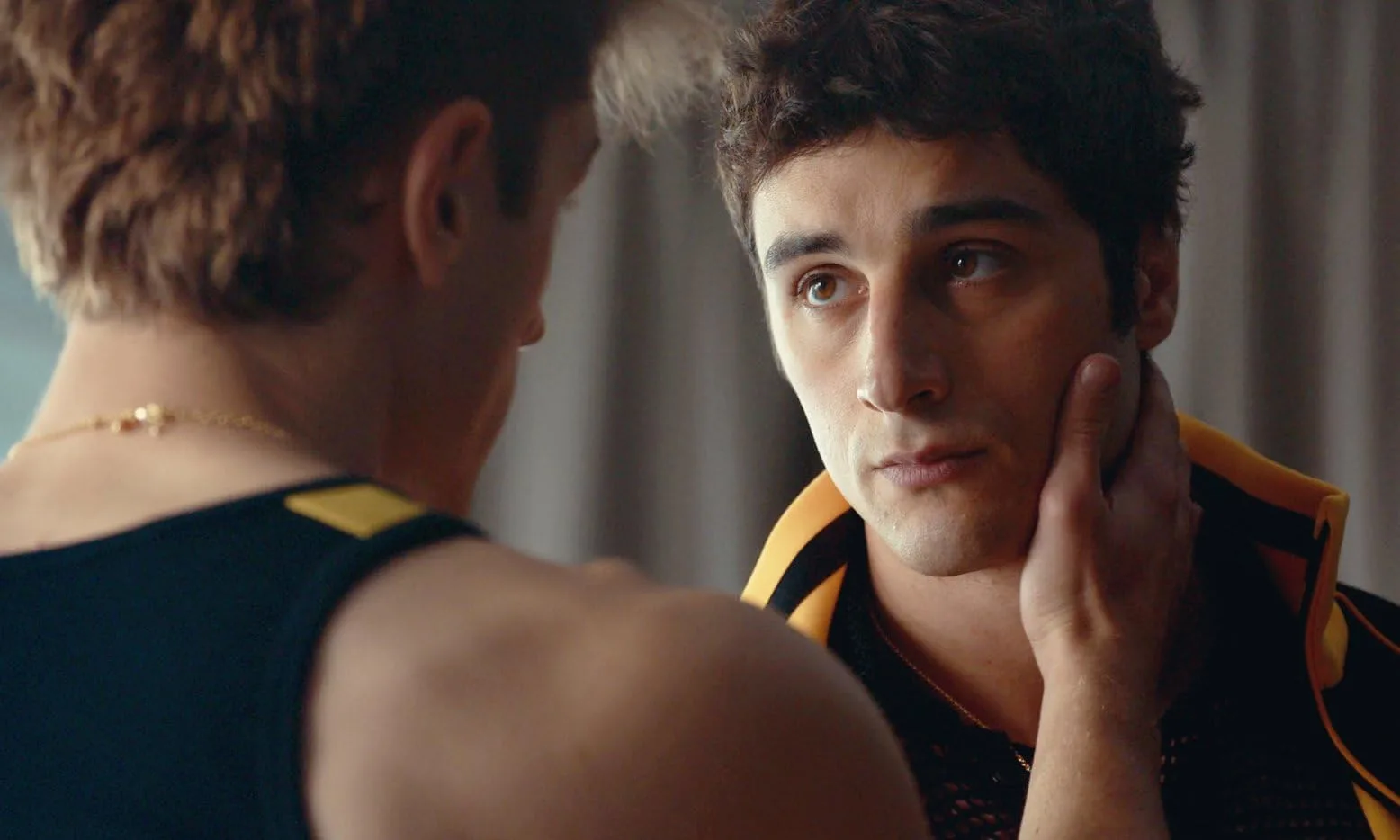
Meanwhile, the camaraderie—and competition—between Cristian Delallave (Nuno Gallego) and Roque Pérez (Agustín Della Corte) provides the show’s emotional fulcrum. Gallego projects the swagger of an athlete on borrowed time, while Della Corte brings surprising tenderness to Roque’s struggle with identity. Their friendship scenes often offer respite from the high-stakes mainlines, reminding us that trust can be as athletic an endeavor as any relay race.
Secondary figures—the stern coaches, lab-coated doctors, and gladiatorial sponsor reps—serve less as fleshed-out personalities and more as structural supports. Still, each casting choice feels deliberate: spent syringes in a medical bay, clipboard-wielding analysts in the stands, a velvet-voiced Olympo executive promising the moon. Together, these performances ground Olympo in a believable ecosystem, where athleticism and ambition play equal parts.
Balancing credible portrayals of elite bodies in motion with subtle emotional beats, the ensemble nails the show’s core tension: who we are under pressure versus who we claim to be.
Plot Structure and Key Storylines
Olympo structures its central narrative around Amaia’s growing mistrust—a familiar detective arch laid over athletic drama. The series often employs parallel editing, cutting between Amaia’s underwater training sequences and fleeting shots of a discarded vial. Medical scans arrive like plot whispers, while coaches’ clipped reassurances assume sinister undertones. This careful threading of clues mirrors classic mystery scaffolding: each revelation—be it a withheld lab result or an offhand comment about “enhanced performance”—feels earned rather than shoehorned.
Beneath the surface lies a layer of corporate intrigue that borrows from espionage thrillers. The Olympo brand drifts through scenes like a phantom sponsor, making clandestine offers in sterile boardrooms. Contract negotiations take place in half-lit offices, complete with legal pads and pressured signatures. Blackmail emerges not as melodrama but as natural fallout in a world where sponsorship money can rewrite athletic destinies. It’s a savvy narrative move, marrying commercial reality with conspiracy tropes.
Romantic entanglements add unpredictable spikes to the main storyline. Love triangles shift alliances: one moment, Amaia and Cristian exchange tender support; the next, Cristian’s loyalty collides with Roque’s secret rendezvous. Betrayals ripple through dorm corridors, turning shared confidences into weaponized gossip. These intimate fractures underscore how trust—once as routine as a high-five after a relay—becomes volatile when personal stakes double as professional ambitions.
Subplots flesh out the ensemble’s depth. Zoe’s haunted arrival—still clutching memories of a car crash—offers a counterbalance to performance obsession. Her hesitance around the center’s regime injects genuine tension, as if she’s the show’s moral compass scratching at its own worth. In parallel, Roque’s journey explores identity in a hypermasculine setting. His quiet defiance and moments of vulnerability highlight the series’ willingness to marry sports drama with social commentary.
Pacing in Olympo veers between methodical and breathless. Early episodes methodically establish routines, each drill and data point layering context. Midseason, the rhythm accelerates: a poolside confrontation here, a sponsor ambush there. By the finale, the series locks into a pulse-pounding tempo, ending on a cliffhanger that promises deeper conspiracies and fractured loyalties. It’s a structure that respects setup without losing appetite for surprise.
Beneath the Surface: Themes and Moral Questions
At its core, Olympo stages a tug-of-war between ambition and well-being. Training montages feel less like celebration and more like trial by ordeal, as swimmers double over in cramps and runners slam against finish lines gasping for air. These moments peel back the veneer of athletic triumph, revealing characters on the verge of breakdown—an effective counterpoint to the usual “rise to victory” narrative.
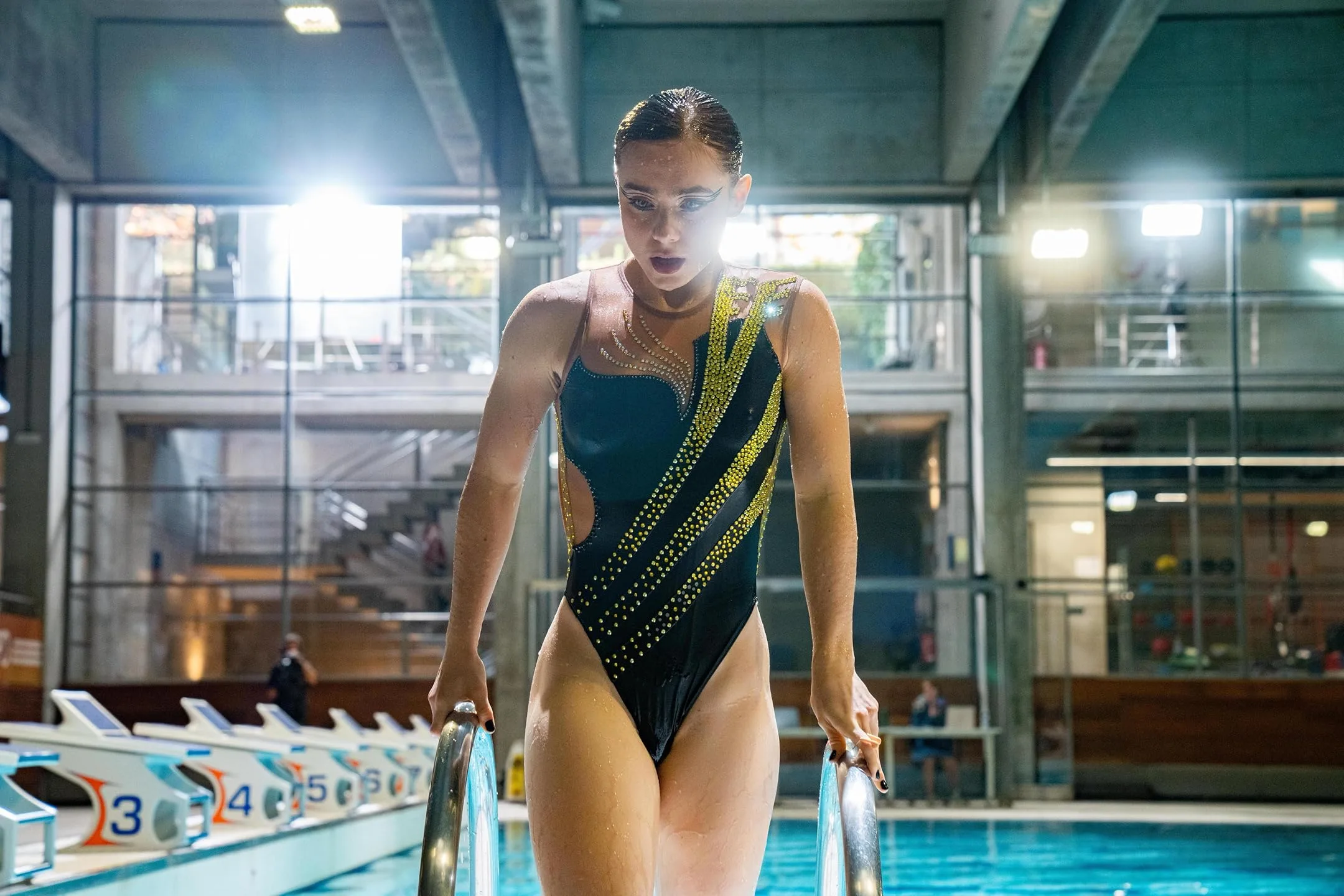
The ethics of performance enhancement thread through the story like an undercurrent. Doping debates play out with surprising subtlety: it’s not just a black-and-white choice but a gradient of desperation. Coaches quote data; doctors balk at irregular biomarkers. When sponsorship execs wink at risky shortcuts, Olympo echoes real-world scandals while reminding us that temptation often arrives courtesy of institutional pressure.
Identity and belonging emerge as quieter, yet no less urgent, questions. Zoe’s struggle to redefine herself beyond past trauma feels fresh against a genre that too often reduces newcomers to clichés. Roque’s journey—torn between personal truth and locker-room expectations—mirrors a broader shift in television toward nuanced LGBTQ+ representation. His scenes don’t feel shoehorned; they resonate because they’re woven into the fabric of teammates’ highs and lows.
Trust and betrayal iterate through every subplot. Alliances fracture over whispered confessions, and a single deleted message can upend months of camaraderie. Secrets become weapons, forcing characters to question whether honesty is a luxury they can afford.
Finally, power imbalances underscore each choice. Young athletes exist at the mercy of coachly edicts and sponsor mandates. Contracts carry clauses more binding than bedrock, and for every medal dreamed of, there’s a fine print waiting to be signed. In its portrayal of limited agency, Olympo acknowledges that sporting glory sometimes comes at the cost of personal freedom—an ethical knot that the series untangles with admirable precision.
Visual Style and Technical Craft
Olympo frequently feels less like a TV drama and more like a competitive showcase of cinematography. Underwater shots, for instance, achieve a crystalline purity—every fingertip ripple and suspended bubble rendered in high definition. The composition often frames synchronized swimmers as kinetic sculptures, turning practice into performance art. Above water, close-ups during competitions zero in on strained expressions and clenched jaws, making milliseconds of effort feel monumental.
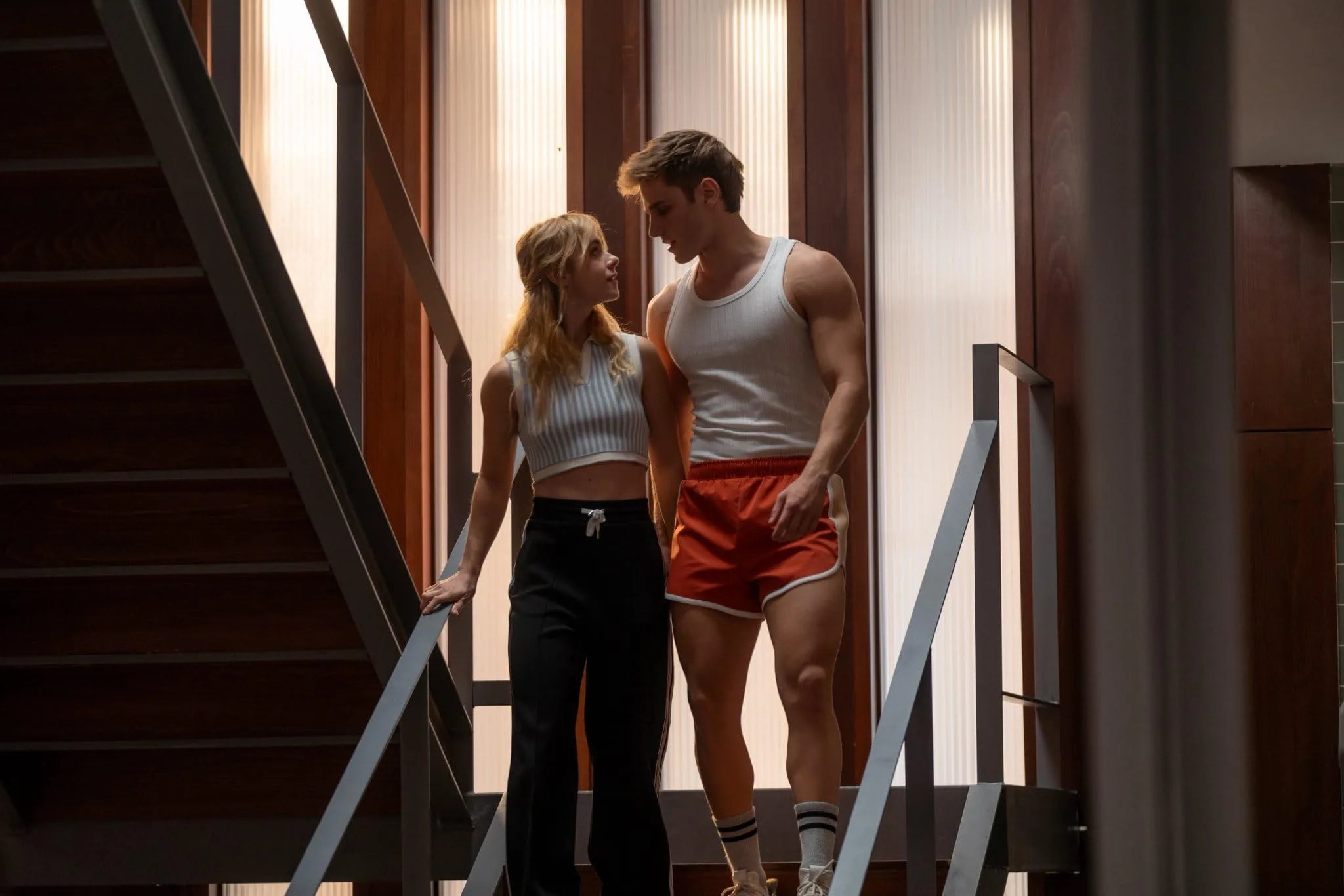
Editing drives the series’ heartbeat. In critical moments—when Amaia’s suspicion flares or Núria collapses—the show stretches time with judicious slow-motion, encouraging the viewer to savor each drop of tension. These sequences, however, occasionally overstay their welcome, hinting at a directorial fondness for pause that risks diluting narrative momentum. By contrast, montages juxtapose grueling training cycles with rare slices of downtime—late-night texts in dorm rooms or furtive strolls through empty hallways—reminding us that characters exist beyond their athletic roles.
Sonically, Olympo marries an electronic score with carefully chosen licensed tracks. Pulsing synth underscores high-stakes races, while sharp ambient sounds—the whoosh of a diving board, rhythmic heartbeat echoes in a medical bay—root scenes in physical reality. Occasionally, needle drops feel too familiar, briefly pulling us out of the story to recognize a pop hit.
Production design reinforces the show’s tension and intimacy. Dorm rooms are sparsely decorated—team posters and personal photos jutting against sterile walls—suggesting both camaraderie and alienation. Uniforms and swimwear adhere to a muted palette, each team’s insignia subtly asserting identity without veering into gaudy branding.
Together, these technical elements craft an atmosphere that’s taut yet textured, where every visual flourish and sonic cue serves the narrative’s push-and-pull between performance and personhood.
Olympo landed on Netflix worldwide on 20 June 2025, delivering eight Spanish-language episodes (about 42-53 minutes each) that blend high-stakes sports drama with mystery when a champion artistic swimmer collapses at the elite Pirineos High-Performance Center. Viewers can stream the series on any Netflix tier in more than 190 territories; no broadcast or physical editions have been announced.
Full Credits
Director: Ibai Abad, Laia Foguet, Jan Matheu, Marçal Forés, Daniel Barone, Ana Vázquez
Writers: Ibai Abad, Laia Foguet, Jan Matheu, Alba Lucío
Producers and Executive Producers: Antonio Asensio, Rubén Goldfarb, Xavier Toll
Cast: Clara Galle, Nira Oshaia, Agustín Della Corte, Nuno Gallego, María Romanillos, Andy Duato, Najwa Khliwa, Juan Perales, Martí Cordero, Jesús Rubio, Melina Matthews
Director of Photography (Cinematographer): Carlos Garcés, Miquel Prohens
Editors: Irene Blecua, Ascen Marchena
Composer: Pablo Borghi
The Review
Olympo
Olympo delivers a tense, character-driven drama that marries athletic spectacle with suspense. Its strong performances and sleek visuals keep you invested, even when subplots stall. A satisfying thriller set in a high-pressure world, it leaves you eager for more.
PROS
- Striking underwater and close-up cinematography
- Nuanced lead performances
- Layered mystery around doping
- Fresh take on teen drama
CONS
- Some side characters feel underwritten
- Occasional pacing lulls
- Melodramatic beats can feel forced







