



























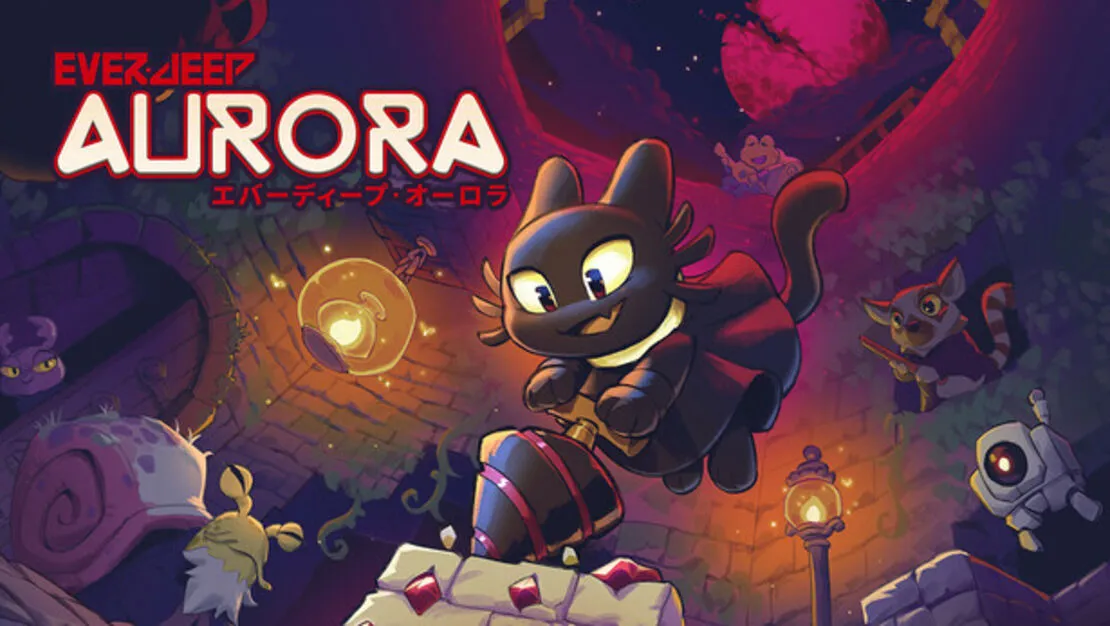

A small cat named Shell awakens on a bench. Rain falls, the moon above is shattered and red, and a meteor shower tears through the sky. A note from her mother offers a single, desperate instruction: meet her in “the usual place.” With the surface world no longer safe, the inhabitants have already fled into the subterranean world of the Everdeep.
A friendly frog named Ribbert provides Shell with a drill and a mission: dig. So begins a descent into a world that is at once sad and broken, yet filled with a strange sense of purpose. Everdeep Aurora immediately establishes a powerful, melancholic mood. Its quest is simple, but the world feels ancient and mysterious. The game presents itself through a distinct pixel art style, recalling the aesthetics of classic handheld consoles and promising an emotional, intimate adventure from its very first moments.
Forging Your Own Path
The core of Everdeep Aurora is its unique approach to exploration, centered entirely on its digging mechanic. Your primary tool, a drill, allows you to carve directly through the tile-based world. While this invites comparisons to games like SteamWorld Dig, the focus here is different. Instead of rapid resource extraction, the game encourages thoughtful path creation.
You must consider how you will get back up, meticulously carving staircases or leaving earthen platforms for your return journey. The drill’s energy depletes, but this system smartly avoids frustration; running out of power only slows your digging to a crawl, it never halts progress or leaves you stranded.
The complete absence of combat re-centers the experience on navigation and environmental puzzle-solving. The world is not a place to be conquered, but a layered puzzle to be understood. Progression borrows heavily from the Metroidvania playbook; finding new abilities, like boots that grant a wall jump or a small dog companion named Cebolleta who offers a brief hover, is key.
These upgrades fundamentally change your relationship with the environment, turning previously impassable walls and wide gaps into new gateways. Suddenly, you remember a dozen dead-ends that are now accessible. This creates a satisfying loop of discovery, guided organically by your expanding skillset.
Also Read






The Stories of the Everdeep
The underground is not a barren cave system but a living, breathing refuge for a community of displaced animals. The game’s narrative unfolds almost entirely through your interactions with these charming and quirky characters.
You will meet a large blacksmith named Remulus who can’t retrieve his own stolen glove due to his size, an owl who tells stories by a campfire, and a young girl named Aster who fiercely protects a secret garden named after her mother’s favorite flower. The quests you undertake are acts of kindness that define Shell’s silent-protagonist character. You might retrieve that lost glove, fetch water for the garden, or bring a missing dog home.
These tasks might seem like simple fetch quests, but they are the primary vehicle for the game’s world-building. Completing them reveals personal histories, bits of lore, and the emotional fabric of this subterranean society. Unlike the relationship systems in games like Stardew Valley, these feel less like mechanics to be managed and more like organic stories you stumble upon.
Shell’s small, helpful actions create visible ripples, making the world feel richer and more hopeful. The game features multiple endings, and which one you achieve is directly tied to how deeply you engage with these optional but emotionally significant character arcs.
A Beautifully Broken World
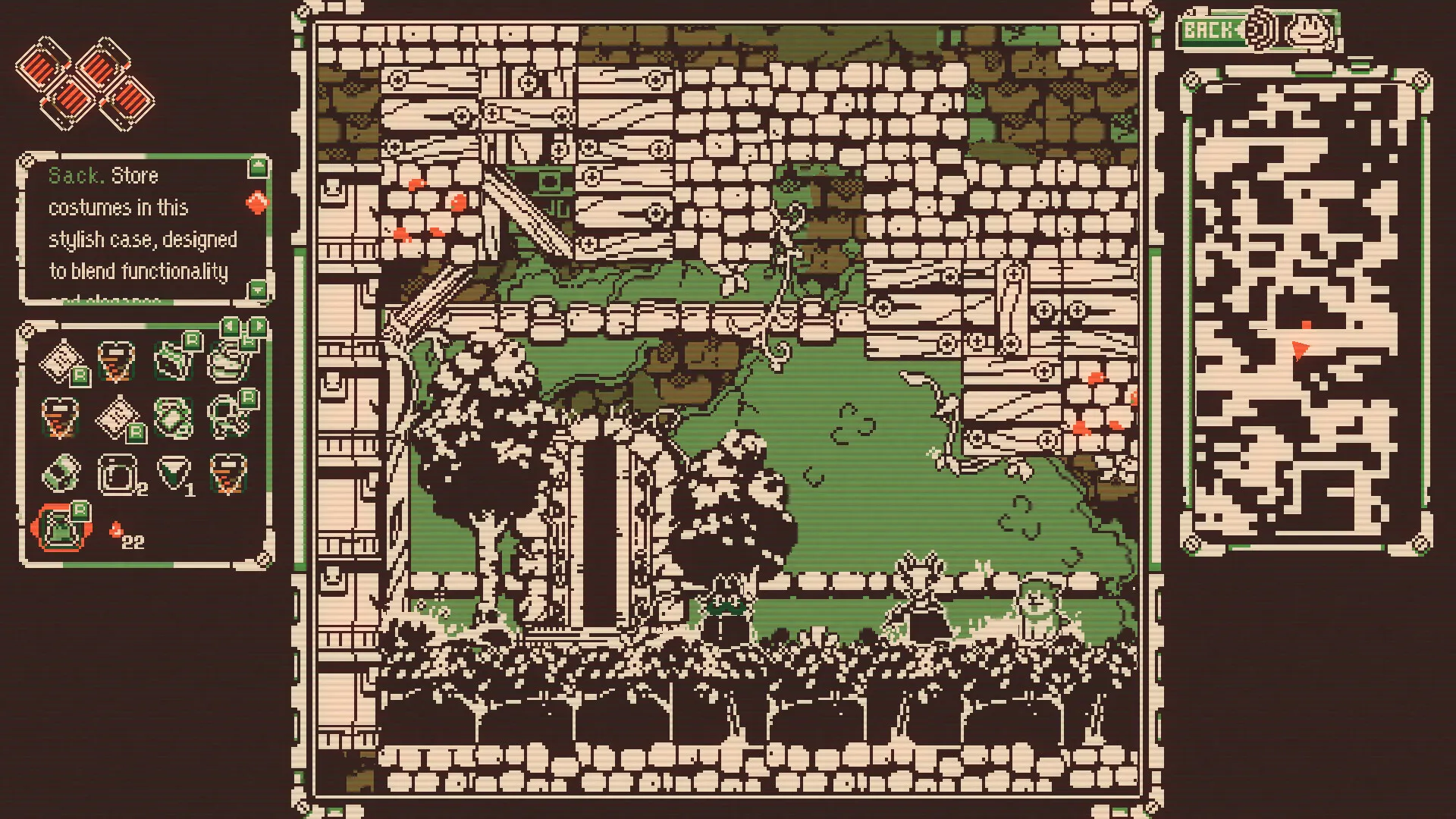
The game’s presentation is a masterclass in executing a specific, modern-retro vision. It uses 16-bit-inspired pixel graphics and, most effectively, shifting color palettes to define the atmosphere of each distinct area. The screen floods with a warm, comforting orange glow near a campfire, making the space feel safe. A deep-sea cavern, by contrast, is cast in an isolating, mysterious blue.
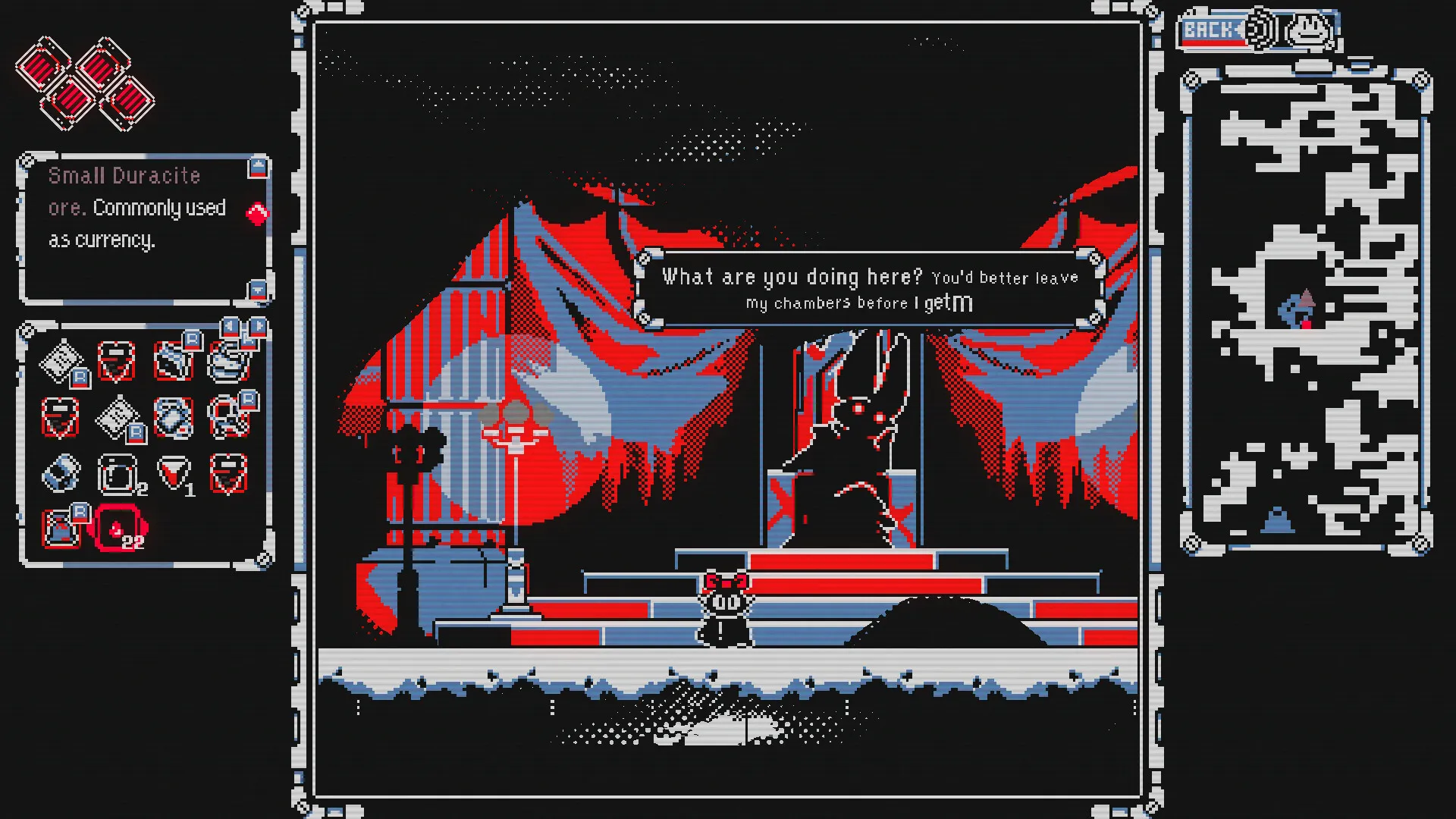
This technique gives each biome a potent emotional identity. The entire experience is framed to look like you are playing on a classic portable console, a nostalgic touch that reinforces the game’s intimate scale.
This aesthetic is supported by a beautiful, haunting piano score that adapts to your surroundings. The music is often tranquil and minimalist during simple excavation, but it can swell with a sense of wonder when you break through into a vast, new cavern.
The upbeat, whimsical tune in the Horseshoe Tavern provides a lively contrast that highlights the pockets of community life. The presentation’s strength is also in its details. The way text changes in size and color to convey tone without voice acting is clever, and the charming animations—from Shell’s determined digging to the fast-travel sequence with Ribbert—give the characters a surprising amount of personality.
The Freedom and Frustration of Discovery
Everdeep Aurora trusts you to find your own way, a design philosophy that is both its greatest strength and a potential source of significant friction. The joy of exploration is immense. Stumbling upon a secret area, finding a collectible hat for Shell, or uncovering a new character feels like a genuine, unguided accomplishment.
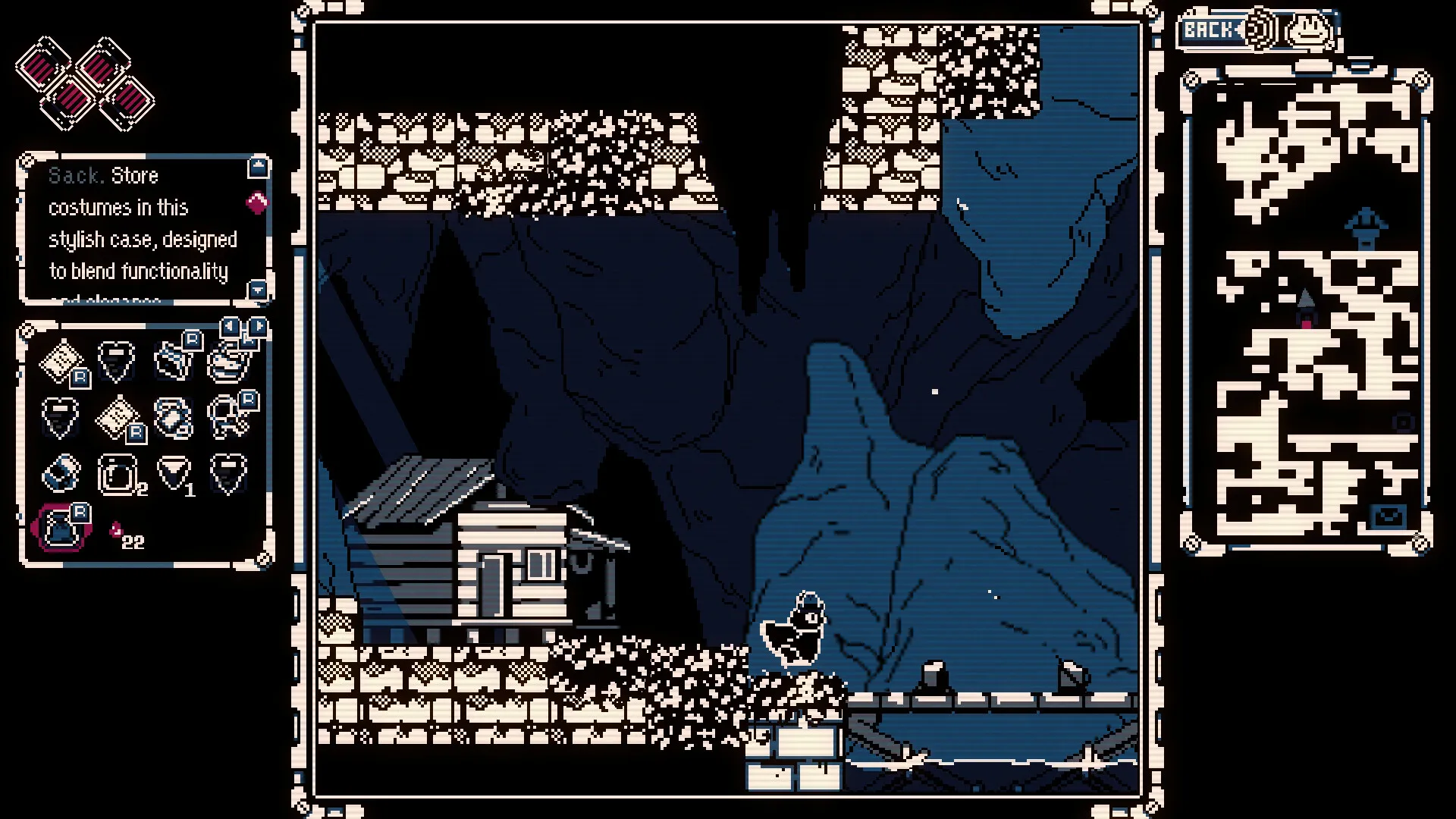
This feeling is amplified by the game’s refusal to hold your hand, a design reminiscent of classics like The Legend of Zelda or modern titles like Tunic. There is no quest log, and the map is a minimalist grid that only marks major landmarks, not the characters you need to find.
This lack of guidance can lead to periods of aimless wandering. You might remember a character in a tavern needed a specific type of ore, but with no marker or journal, you may spend an hour digging through every corner of the map hoping to stumble upon them again. Finding a solution can sometimes feel more like a stroke of luck than clever deduction.
However, the flip side of this potential frustration is the potent “aha!” moment when you finally find what you’re looking for. That sense of relief and accomplishment is far stronger than it would be following a simple waypoint. This design forces you to pay attention, learn the world, and create your own mental map, a challenge that will deeply reward a certain type of patient player.
The Review
Everdeep Aurora
Everdeep Aurora is a beautifully crafted adventure with a heartfelt story and a stunning retro presentation. Its core loop of digging and exploration is deeply rewarding, rewarding players who pay close attention to its world. While its refusal to provide navigational aids like a quest log can sometimes lead to aimless frustration, the genuine sense of discovery it creates is special. It’s a memorable journey for those who don’t mind getting a little lost.
PROS
- Beautiful pixel art and a haunting, dynamic soundtrack.
- Engaging exploration that lets players carve their own paths.
- A heartfelt story driven by a charming cast of animal characters.
- A powerful sense of accomplishment from unguided discovery.
CONS
- Lack of a quest log or detailed map can cause frustration.
- Finding specific characters for quests can involve aimless wandering.