














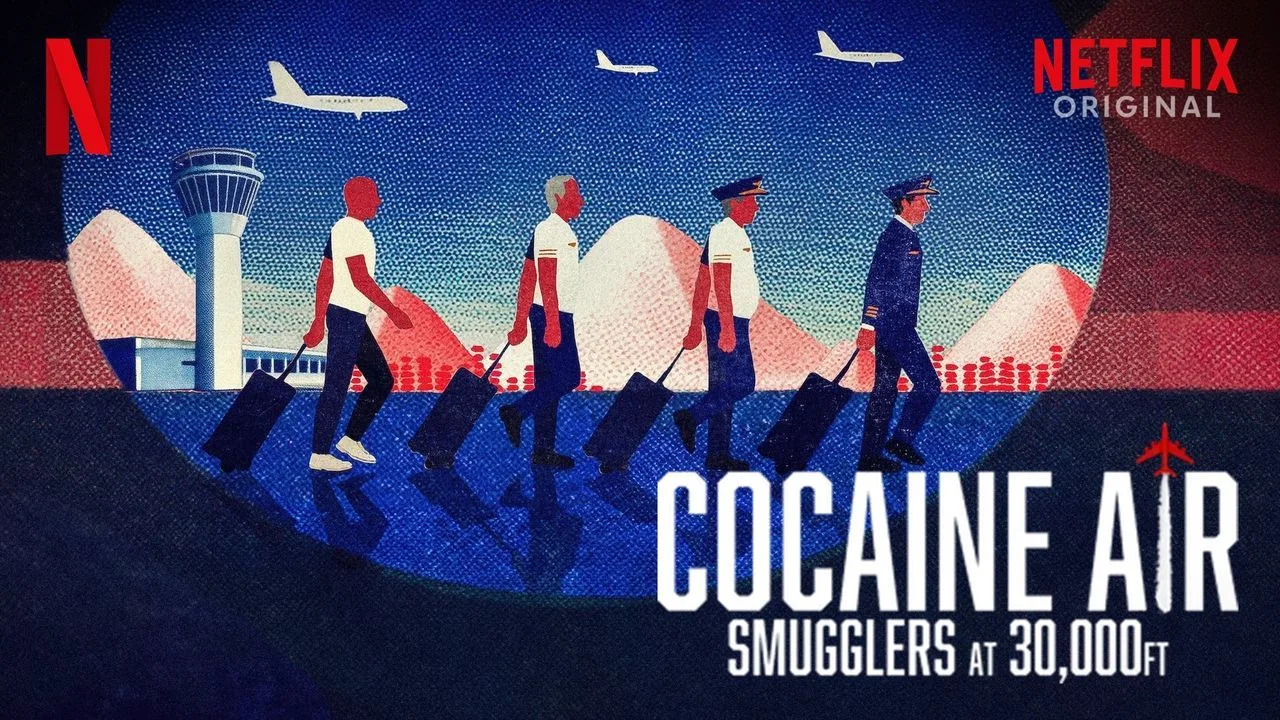
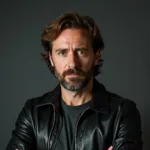
Netflix’s three-part documentary “Cocaine Air: Smugglers at 30,000 Ft.” opens with a peculiar admission: while the facts have been meticulously verified, some people may not be telling the whole truth. This disclaimer serves as both warning and invitation, setting the tone for a series that treats ambiguity as its greatest asset. The documentary examines the March 20, 2013 arrest of four French nationals at Punta Cana airport in the Dominican Republic, where their private Falcon 50 business jet contained 26 suitcases packed with 700 kilograms of cocaine.
The arrested men included two former French Air Force pilots—Bruno Odos and Pascal Fauret—along with reserve pilot Alain Castany and businessman Nicolas Pisapia. The pilots maintain their innocence, claiming ignorance of their cargo’s contents, while the case spiraled into a major French scandal with alleged connections to media figures and politicians. French media dubbed it “Cocaine Air,” and the name stuck. Each 45-minute episode builds on this foundation of uncertainty, treating the viewer as jury member rather than passive observer.
The Architecture of Ambiguity
The series constructs its narrative through a deliberately fragmented approach that mirrors the investigation itself. Episode one establishes the arrest and basic facts, weaving together archival footage with interviews from both prosecution and defense. This foundation-laying feels methodical, almost procedural, as if the filmmakers are building a case file in real time. The second episode pivots dramatically, introducing an escape plot involving an ex-French Foreign Legionnaire that reads like something from a Jason Bourne film.
What distinguishes this documentary from standard true crime fare is its refusal to provide narrative comfort. There’s no authoritative narrator guiding viewers toward predetermined conclusions. Instead, the series presents testimonies from investigating magistrate Christine Saunier-Ruellan, the accused pilots, and various officials, allowing contradictions to coexist without resolution. The inclusion of Pablo Escobar’s former chemist discussing whether cocaine has a distinctive smell exemplifies this approach—relevant information delivered through unexpected sources.
The series maintains tension through strategic withholding. Each episode ends with cliffhangers that would feel manipulative in lesser hands, but here they serve the story’s central theme: the elusiveness of truth in complex international cases. The third episode attempts synthesis, yet the documentary’s strength lies in its willingness to let questions remain unanswered. This structural choice reflects how real investigations unfold—messily, with dead ends and false starts that resist neat narrative packaging.
Visual Syntax and Cinematic Language
The series employs a kinetic visual vocabulary that transforms documentary footage into something approaching thriller aesthetics. Soderbergh-inspired editing places interview subjects and archival material in black-outlined boxes that slide across the screen, creating a sense of pieces moving within a larger puzzle. This technique works particularly well when presenting the international scope of the investigation, suggesting connections that span continents.
The spy movie-style soundtrack elevates mundane legal proceedings into something approaching espionage drama. While this approach risks trivializing serious criminal proceedings, it serves the series’ apparent thesis that reality can be stranger than fiction. The visual treatment of documents—dramatic zooms across pages, highlighting of names, focus on redacted sections—transforms paperwork into plot devices. Handwritten investigation maps and diagrams receive similar treatment, becoming visual metaphors for the maze-like nature of the case.
The editing occasionally becomes repetitive, recycling the same archival footage to the point where familiarity breeds contempt. Yet this redundancy might be intentional, reflecting how investigations circle back to the same evidence repeatedly. The series embraces its own absurdity through character introductions that border on comedic, giving even serious figures like the investigating magistrate almost James Bond-style entries. This playful approach distinguishes the series from more somber true crime documentaries, though it occasionally threatens to undermine the gravity of drug trafficking charges.
Character Studies in Credibility
The documentary’s greatest strength lies in its character portrayals, particularly how it handles the central question of credibility. Bruno Odos and Pascal Fauret emerge as compelling figures whose military backgrounds lend weight to their claims of innocence. Their interviews reveal men genuinely bewildered by their circumstances, yet the series never definitively endorses their version of events. This restraint allows viewers to evaluate their testimony without editorial interference.

Christine Saunier-Ruellan provides the series’ investigative backbone, her methodical approach contrasting sharply with the chaos surrounding the case. Her decision to travel to the Dominican Republic demonstrates professional dedication that transcends jurisdictional boundaries. The series presents her as neither hero nor villain, but as a civil servant doing her job under extraordinary circumstances.
The documentary’s decision to avoid emotional family interviews keeps focus on legal and investigative aspects rather than personal tragedy. This choice serves the story well, preventing sentimentality from clouding analytical judgment. The escape plot involving military operatives adds thriller elements that feel both absurd and credible, highlighting how truth can exceed fiction’s boundaries.
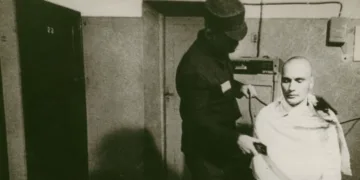
Prison conditions in the Dominican Republic, shown through archival footage, provide context for the defendants’ desperation without excusing potential criminal behavior. The series succeeds in presenting multiple layers of complexity without losing narrative coherence. For viewers unfamiliar with the original French scandal, it provides sufficient context while maintaining engagement through its relatively brisk pacing. The documentary represents a solid entry in the true crime genre, one that prioritizes questions over answers and trusts its audience to navigate moral ambiguity.
Full Credits
Directors: Maxime Bonnet, Olivier Bouchara, Jérôme Pierrat
Writers: Olivier Bouchara, Jérôme Pierrat
Cast: Pascal Fauret, Bruno Odos, Christine Saunier-Ruellan, Nicolas Pisapia, Éric Le François, Francisco Domínguez Brito, Pierre-Marc Dreyfus, Fabrice Alcaud, Laurent Fiocconi, Christophe Naudin, Aymeric Chauprade, Alain Afflelou, Pierre Malinowski, Ted Evans, Éric, Rosado Mateo, Edward Paulinho De Morla, Nicolas Sarkozy, Élise Faitout, Frank Colin, Cherif, Andy De León, Antoine Vey, Fabrice Drauzin, Lenin Solano, Carlos Davers, Stéphane Courbit
The Review
Cocaine Air: Smugglers at 30,000 Ft.
"Cocaine Air: Smugglers at 30,000 Ft." succeeds by embracing uncertainty rather than manufacturing false clarity. Its kinetic visual style and refusal to provide definitive answers distinguish it from standard true crime documentaries. While occasional repetitive footage and stylistic flourishes can feel excessive, the series effectively transforms a complex legal case into engaging television without sacrificing investigative integrity. The documentary respects both its subject matter and its audience, creating space for viewers to form their own conclusions about guilt and innocence.
PROS
- Innovative visual style that enhances storytelling
- Strong character development without editorial bias
- Maintains narrative tension through strategic ambiguity
- Avoids sensationalism while remaining entertaining
- Excellent use of archival footage and interviews
CONS
- Repetitive footage becomes tedious
- Stylistic choices occasionally undermine serious subject matter
- Some narrative threads feel underdeveloped
- Could benefit from tighter editing in places