




















![Kingdom Hearts Collection [I-III] Review](https://gazettely.com/wp-content/uploads/2026/10/Kingdom-Hearts-Collection-I-III-1-360x180.webp "Kingdom Hearts Collection [I-III] Review: KHII Holds Steady as Newer Entries Fluctuate 37")


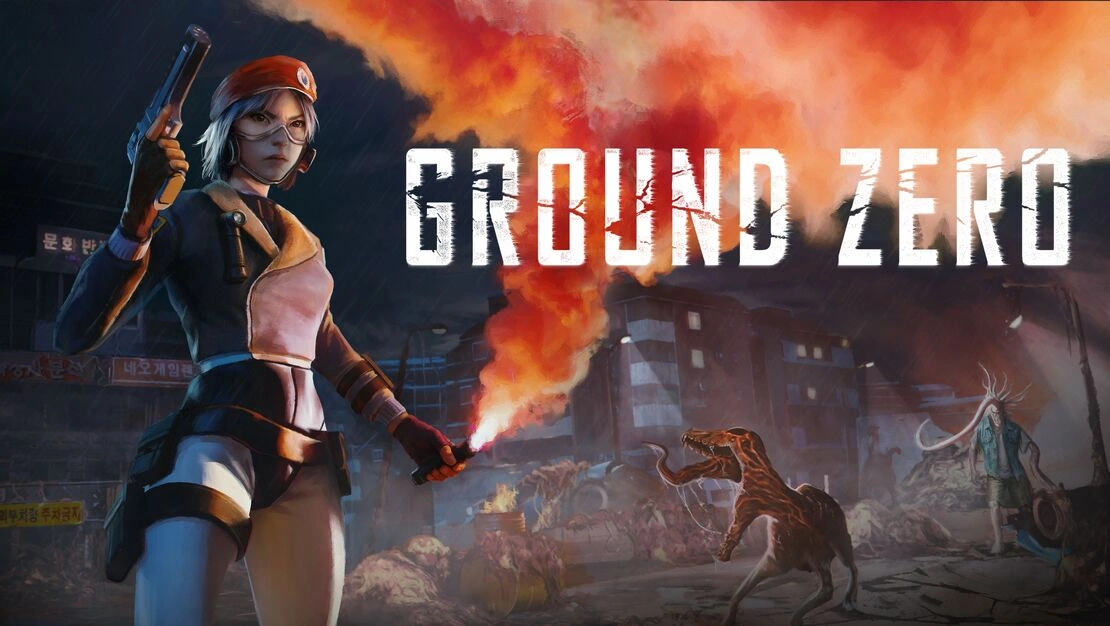

Ground Zero understands the specific anxiety that made classic survival horror linger in players’ minds: the locked door you cannot open yet, the camera angle that hides danger by design, the half-empty inventory that turns every pickup into a decision. Malformation Games builds its debut around those familiar pressures, then gives them enough added texture to feel alive in a modern indie space.
The game takes place in a quarantined South Korea after a meteor strike unleashes a biological threat that twists living matter into hostile mutations. Seo-Yeon, a disciplined Korean operative, enters the disaster zone to recover black box data and investigate what happened after the impact. Evan Fielding, a Canadian agent, joins the mission and appears in sections that widen the story’s international frame.
What begins as a recovery operation soon becomes a horror mystery filled with survivors, contaminated zones, secret research, and creatures that look increasingly removed from anything human. Ground Zero will speak loudest to players who miss fixed cameras, deliberate pacing, restricted resources, and the strange comfort of being lost in a place that slowly becomes readable through fear.
A Story That Spreads Through Space
Ground Zero’s South Korean setting gives its familiar genre setup a sharper identity. The ruined city, quarantine areas, military spaces, infected facilities, and Busan references create a backdrop with its own cultural texture, rather than feeling like a pasted-on location. The multilingual cast helps too. Seo-Yeon’s switches between Korean and English give her a grounded presence, and Evan’s Canadian angle adds a lighter counterpoint to the bleakness around them.
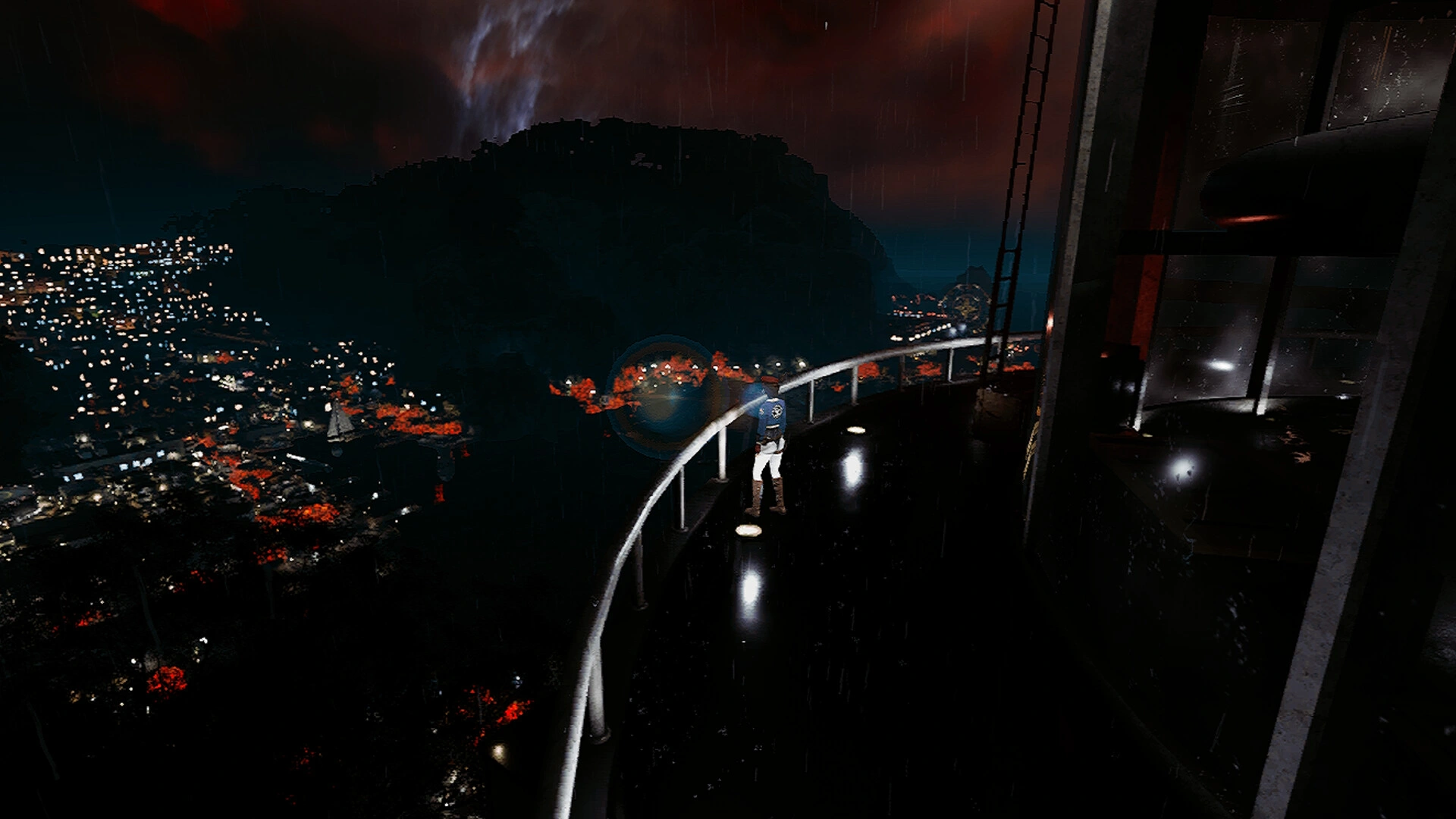
The meteor-based infection is simple on paper, yet the game sells it through space rather than exposition alone. Strange organic growth spreads through ruined areas. Living tissue mutates. Notes, database entries, environmental clues, and black box data fill in the disaster piece by piece. The best storytelling happens when the player reads a room before reading a file. A hallway clogged with biological matter, a military site abandoned in panic, or a survivor’s trace can say plenty before the next door creaks open.
Player choice matters most through route structure. Seo-Yeon and Evan are separated at points, and the campaign can send the player through alternate areas with shifted events. These decisions do not turn Ground Zero into an RPG, yet they give the story a pleasing sense of consequence. A route choice can change what the player sees, which resources they find, and how they understand the outbreak.
Exploration follows the old survival horror rhythm: locked doors, looping corridors, safe rooms, item boxes, hidden pickups, and backtracking that makes old spaces feel newly dangerous. The maps can become overwhelming, especially with fixed camera transitions and occasional navigation confusion, yet that friction feeds the fantasy of learning a hostile place through memory.
Systems That Turn Fear Into Decision-Making
Ground Zero’s combat works because it keeps asking what each encounter is worth. A mutated human might cost three bullets and a healing item. A dog might be avoided if the route allows it. A tougher enemy might be killed for resources, then scanned for Genomes. This scan system gives combat an economic layer. Kill cleanly and the reward improves, which makes efficiency feel meaningful beyond simple survival.
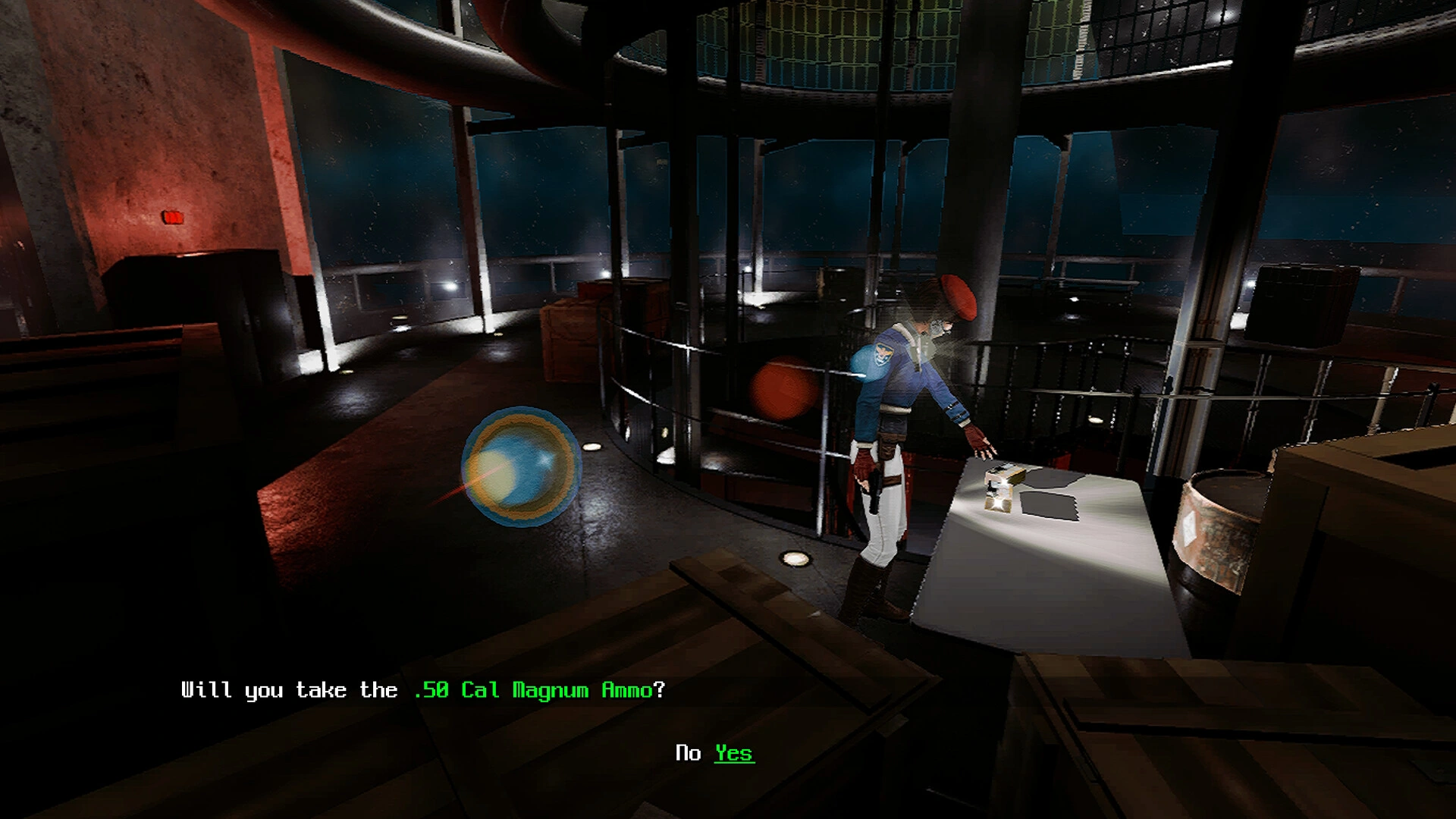
The arsenal is generous for a retro-styled horror game. Pistols, shotguns, machine guns, heavier weapons, attachments, and unlockable gear give players room to adjust their approach. Shared ammo types reduce clutter, and inventory expansions eventually allow a flexible loadout. Early on, tight storage forces harder choices: bring another weapon, carry a key item, or save space for healing. Later, the player gains confidence without losing the need to plan.
The focus aiming system is one of Ground Zero’s smartest additions. Holding aim and timing a shot can trigger a high-damage critical hit, turning patience into power. It saves ammo, creates tension, and gives skilled players a way to feel in control without making combat too easy. The parry system serves a similar purpose. It asks for tight timing, then rewards success with space, counterattacks, or a brutal finisher. These mechanics add aggression to a genre often built around retreat.
Healing has its own tactical wrinkle through the syringe and liquid mixing system. Basic healing items are still present, yet injected fluids can create custom effects such as recovery or damage reduction. It gives the player another reason to think before spending supplies.
The weak spot is the lack of quick weapon switching. Being forced into menus during heated fights breaks momentum and can make tense scenes feel clumsy. The fixed cameras also complicate aiming in tight spaces. Still, these rough edges sit beside systems that mostly work in harmony: explore, solve, fight, scan, spend, retreat, reorganize, and return with a better plan.
Puzzles fit the same pattern of attention and patience. Keys, locks, keypad codes, item interactions, environmental clues, and note-based solutions keep progress tied to observation. Separate puzzle difficulty settings can make clues clearer or more cryptic, which adds value across repeat runs. Some puzzles lack the creativity found in the combat systems, yet the storage box math challenges give the game a strange, memorable personality.
A Retro Shell With Modern Replay Value
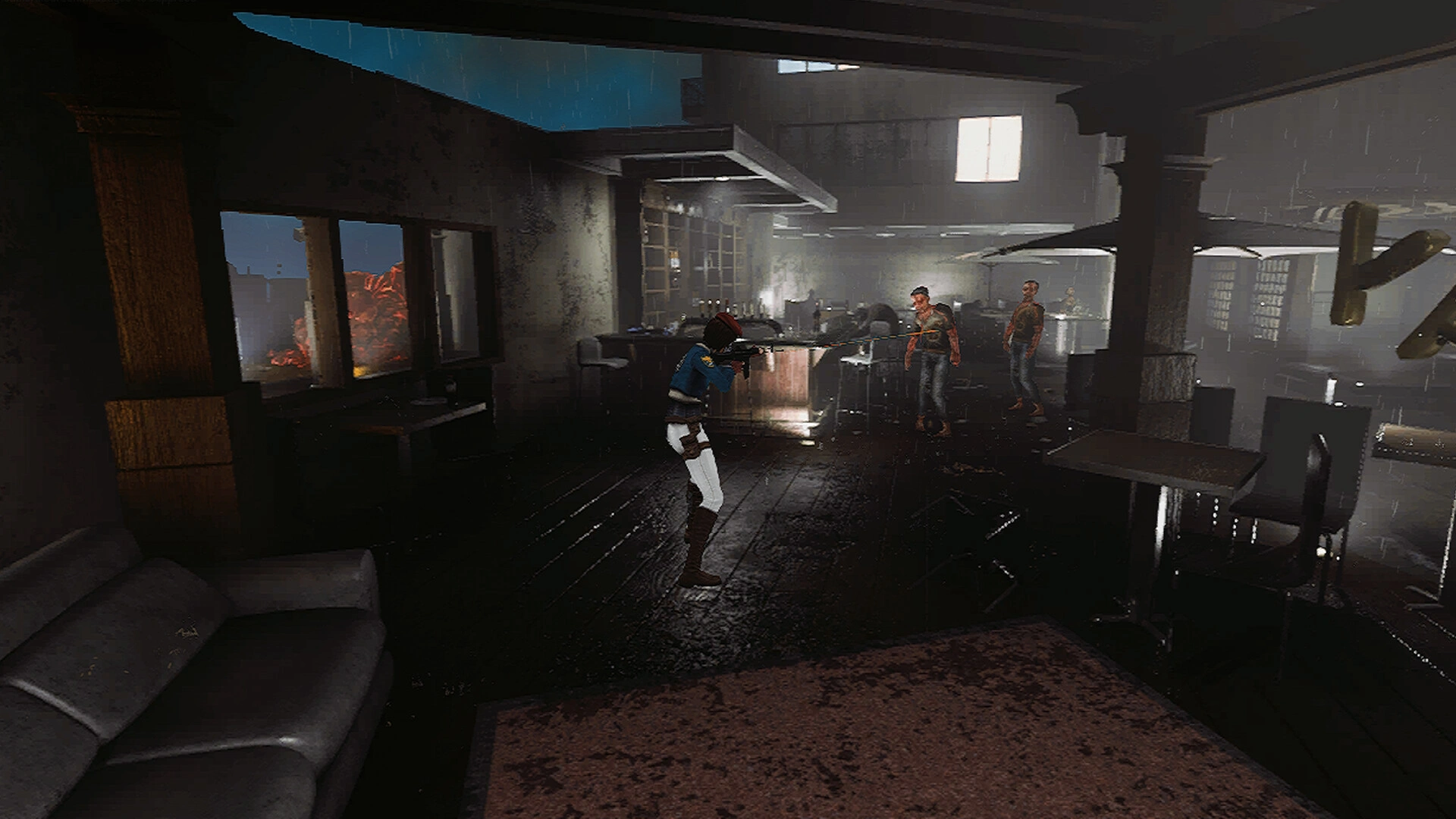
Ground Zero’s presentation is deliberately PlayStation-era in spirit. Fixed camera angles, pre-rendered-style backgrounds, blocky models, stylized environments, FMV-like sequences, and dramatic camera pans give the game the mood of a lost survival horror release. The visuals are not chasing realism. They are chasing texture, framing, and tension. A room can feel dangerous because the camera refuses to show everything at once.
Sound carries much of that fear. Enemies are often heard before they appear, ambient noise shifts from room to room, and the music supports dread without smothering the player’s attention. The voice acting lands in that familiar space between serious and campy, which fits the genre. Some line readings are stiff, yet the game uses that stiffness as part of its identity rather than fighting against it.
Replayability is one of Ground Zero’s strongest traits. Multiple difficulty levels, separate combat and puzzle settings, alternate routes, different endings, ranking challenges, hidden secrets, costumes, filters, unlockable gear, New Game Plus, and the Apocalypse Crisis mode give the game real staying power. A first run may take roughly 11 to 15 hours for many players, while the 8-hour speedrun target points toward route mastery and efficient planning.
The game has clear irritations. Aiming can falter in cramped rooms. Fixed cameras make movement awkward during sudden transitions. Large zones can be hard to parse. Inventory use can interrupt combat. Some stretches could be tighter. Yet Ground Zero succeeds because its friction feels intentional, tied to a design philosophy where fear grows from limitation. It honors the past with care, then builds enough new systems around that foundation to earn its own place among modern indie survival horror games.
The Review
Ground Zero
Ground Zero is a confident retro survival horror game with sharp combat ideas, tense exploration, and strong replay value. Its fixed cameras, scarce resources, and branching routes capture the pressure of classic genre design, while systems like focus aiming, parries, Genome scanning, and syringe mixing give each choice real weight. Some aiming issues, menu friction, and confusing navigation hold it back, yet its atmosphere, depth, and commitment to player-driven survival make it a standout indie horror release.
PROS
- Strong retro survival horror atmosphere
- Meaningful route choices and replay value
- Smart focus aiming and parry systems
- Excellent resource management loop
- Memorable South Korean setting
- Plenty of unlockables and extra modes
CONS
- No quick weapon switching
- Aiming can feel unreliable
- Navigation can become confusing
- Some puzzles feel less inventive
- Certain sections run a little long