
























![Kingdom Hearts Collection [I-III] Review](https://gazettely.com/wp-content/uploads/2026/10/Kingdom-Hearts-Collection-I-III-1-360x180.webp "Kingdom Hearts Collection [I-III] Review: KHII Holds Steady as Newer Entries Fluctuate 37")



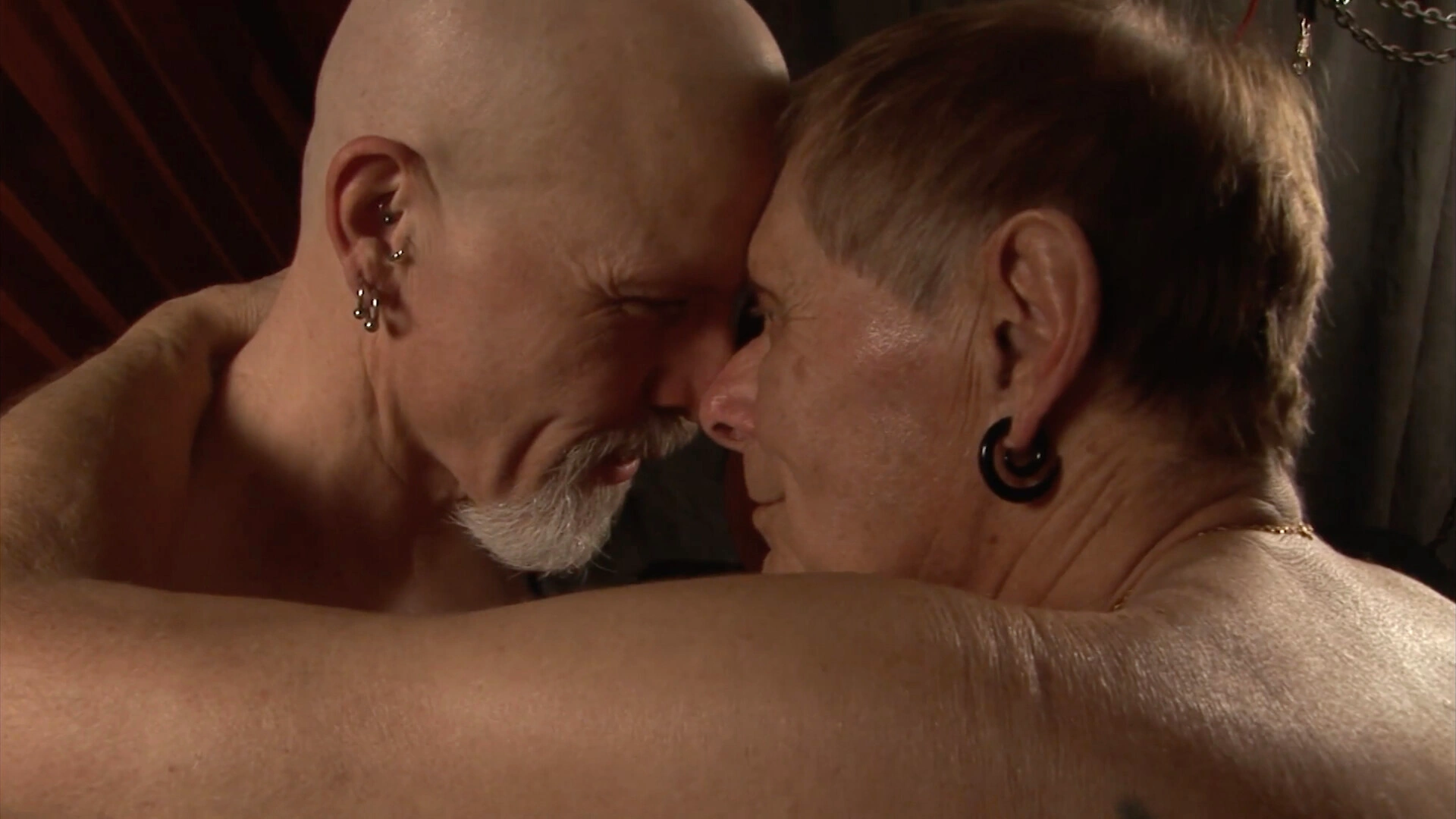

Angelo Madsen’s A Body to Live In approaches Fakir Musafar, born Roland Loomis, as a figure who made the body into a living argument. Musafar’s work in body modification, BDSM performance, queer self-fashioning, and the Modern Primitives movement placed him at a strange intersection of art, ritual, erotic practice, and spiritual hunger. The film understands that his life cannot be reduced to provocation. Its real subject is intention, the private logic behind acts many viewers may first meet as spectacle.
The documentary follows Musafar from an isolated childhood in South Dakota to his later role as photographer, performer, mentor, and cultural instigator. It is candid about the extremity of his practice, with nudity, piercing, suspension, and scenes of intense bodily alteration presented with little softening. Yet the film’s gaze is rarely exploitative. Madsen is interested in why Musafar turned toward pain, restriction, exposure, and transformation, and how those acts challenged ordinary ideas about identity, desire, gender, and control over one’s own flesh.
The Self Made Visible
Musafar’s transformation from Roland Loomis into Fakir Musafar gives the film its central pulse. As a young person in rural South Dakota, he found language for himself through private images, costume, corsetry, bondage, piercing, and experiments with gendered presentation. These early acts were secretive, yet they were never small. They formed the grammar of a life spent trying to make the outer body answer to an inner state.
Madsen treats Musafar’s practices with a seriousness that matters. Piercing, scarification, suspension, and endurance are framed as ritualized gestures, acts that sit near sex, art, discipline, and mystical aspiration. Musafar believed that openings in the body could become openings in consciousness. That idea may sound grandiose, yet the film allows it to breathe through his calm speech, his steady documentation, and the devotion of those who moved through his orbit.
San Francisco becomes the necessary counterweight to South Dakota, a place where queer, kink, BDSM, and body art communities offered Musafar both audience and kinship. His public persona carried a strange gentleness: theatrical in image, plainspoken in explanation.
He could alarm a talk show crowd and then speak about piercing in the tone of someone describing craft. The film does not make him pure. He appears bold, sincere, self-invented, flawed, and deeply loyal to the metaphysics he built around his own skin.
Memory, Image, and the Body on Record
Madsen constructs A Body to Live In through archive rather than standard biographical scaffolding. Photographs, video footage, audio interviews, still images, hand-painted 16mm textures, and voiceover reflections create an oral history shaped by memory and sensation. The film often avoids the familiar parade of seated commentators, favoring a looser rhythm where voices drift across images like ghosts touching old negatives.
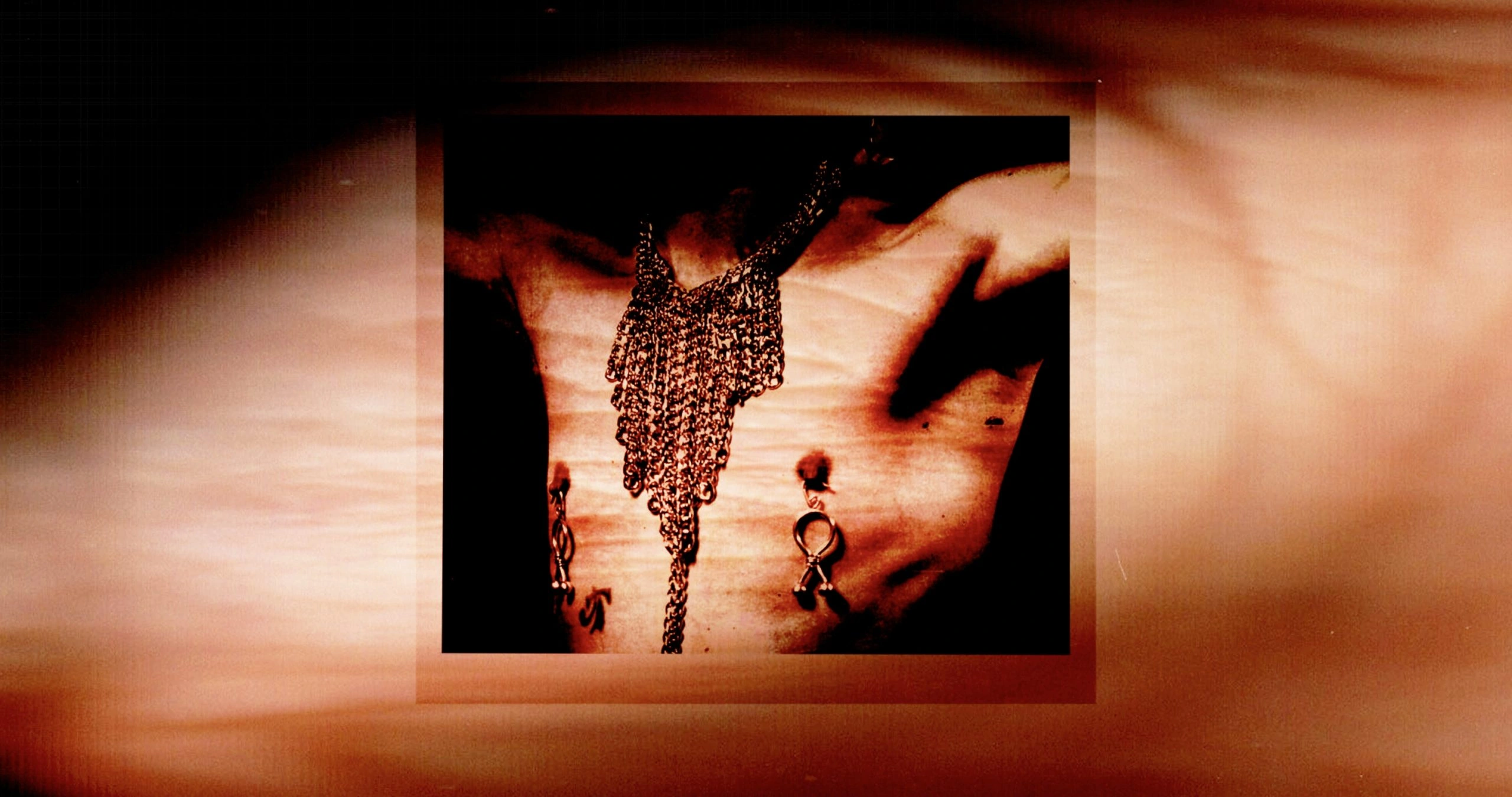
That choice suits Musafar. He documented himself with rare intensity, turning his own body into artwork, evidence, diary, and shrine. The archive gives the film an intimacy that outside explanation could never fully supply. Viewers are not asked to accept him through academic framing alone. They encounter the work directly, in all its beauty, discomfort, and physical risk.
The film’s texture is one of its strongest qualities. It respects underground spaces without sanitizing them, and it makes difficult material accessible through patience rather than apology. Still, its craft has limits. Beneath the sensuous surface, the structure can feel fairly linear.
The chronology grows misty in places, and some voiceover speakers need clearer placement. At times, the film’s reverence softens its dramatic force, leaving certain passages feeling repetitive. Yet even its dry stretches carry the value of preservation, giving form to a community often misread, mocked, or erased.
Sacred Wounds and Uneasy Inheritance
The most charged parts of A Body to Live In come from its willingness to place Musafar’s legacy beside the ethical trouble inside it. The film honors him as a queer and countercultural pioneer, while acknowledging that his practices drew heavily from Indigenous and non-Western traditions. His adopted name, his sacred imagery, and his rituals inspired by ceremonies such as the Sun Dance raise questions the documentary cannot neatly settle.
Madsen does not turn those questions into a courtroom. That is both a strength and a limitation. The film gives space to discomfort, allowing Musafar’s influence and his blind spots to occupy the same frame. He helped destigmatize kink, piercing, tattoos, BDSM, gender fluidity, and radical bodily expression. He also became a white American figure celebrated for practices connected to cultures that were long exoticized, misread, or treated as primitive by Western eyes.
That tension gives the documentary its cultural weight. Musafar’s story belongs to queer embodiment, chosen community, erotic freedom, and the AIDS-era need to claim dignity in bodies marked by fear and public judgment. It also belongs to a longer history of spiritual borrowing and uneven recognition. Pain, pleasure, art, and ritual become tools of self-definition here, yet they also carry histories that cannot be stripped away.
A Body to Live In is strongest when it lets Musafar remain unresolved: visionary, problematic, tender, theatrical, disciplined, and inseparable from the body he spent a lifetime remaking. The film does not ask for simple admiration. It asks viewers to look closely at what a body can hold: longing, performance, injury, devotion, error, beauty, and the stubborn desire to become visible.
A Body to Live In is a 2025 American documentary directed by Angelo Madsen. The film examines the life and influence of Fakir Musafar, born Roland Loomis, a pioneering figure in body modification, BDSM performance art, and the Modern Primitives movement. After festival screenings in 2025, the film opened in limited U.S. theatrical release on February 27, 2026, through Altered Innocence. As of June 1, 2026, it is available through Altered Innocence on DVD, Blu-ray, and VOD, with digital viewing options listed through Vimeo and TLA.
Where to Watch A Body to Live In (2025) Online
Full Credits
- Title: A Body to Live In
- Distributor: Altered Innocence
- Release date: 2025 festival release, February 27, 2026 limited U.S. theatrical release, May 26, 2026 DVD, Blu-ray, and VOD release
- Rating: NR
- Running time: 98 minutes
- Director: Angelo Madsen
- Writers: Angelo Madsen
- Producers and Executive Producers: Angelo Madsen, Lyle Ravi Kash, Luka Fisher, Maya Suess, Constantin Simon
- Cast: Fakir Musafar, Cléo Dubois, Annie Sprinkle, Ron Athey, Jim Ward, V. Vale, Midori, Paul King, Yossie Silverman, Rig Daddi
- Director of Photography: Talena Sanders
- Editors: Angelo Madsen, Malika Zouhali-Worrall
The Review
A Body to Live In
A Body to Live In is a challenging, thoughtful documentary that treats Fakir Musafar’s life with care, curiosity, and necessary friction. Angelo Madsen captures the beauty and unease of a figure who turned flesh into art, ritual, and philosophy, while allowing his flaws to remain visible. Some structural haze and repetition weaken its force, yet the film’s archival intimacy and cultural weight linger.
PROS
- Rich archival material gives the film rare intimacy
- Treats extreme body practices with care and seriousness
- Strong portrait of queer, kink, and body art communities
- Addresses cultural appropriation without reducing Musafar to one idea
- Visually textured and emotionally precise
CONS
- Some chronology feels unclear
- Certain interview voices need stronger identification
- Reverent tone can soften sharper critique
- A few passages feel repetitive
- May be too graphic for unprepared viewers







