
























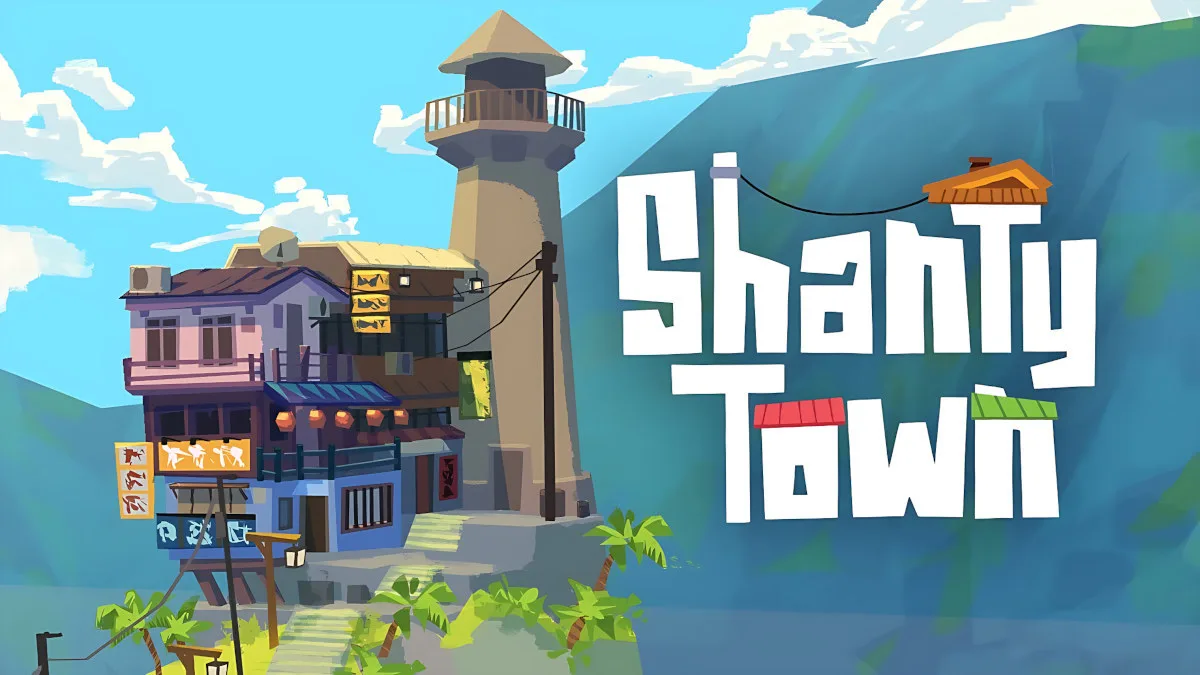

ShantyTown understands the appeal of cozy building games at a very specific scale. It is calm, compact, and more interested in mood than mastery. You play as a surveyor traveling by boat from one location to another, filling small spaces with homes, shops, signs, utilities, lights, pipes, graffiti, antennas, and decorations before taking a photo and moving along.
There is no combat, no resource economy, no failure state, and no heavy management layer. Compared with larger city builders like Cities: Skylines or even village-focused games such as Islanders, ShantyTown feels intentionally lighter. It gives you enough structure to stay engaged, then leaves room for personal rhythm.
Each area begins either sparse, messy, or oddly shaped. Bit by bit, it becomes a colorful little settlement. The reward comes from seeing placement choices build into personality. A barren dock, a cramped platform, or a quiet temple space can turn into a busy urban diorama through small creative decisions.
A Gentle Loop With Room for Odd Ideas
The core loop is simple, and that simplicity is the point. You enter a location, receive a small set of items, place them, then get more items until the available list runs out or the space feels finished. Instead of handing you a huge menu of parts, ShantyTown limits the flow to a few objects at a time. That choice removes much of the decision fatigue found in sandbox builders, where the hardest part can be choosing what to do first.
Each location includes optional objectives, giving players a nudge without forcing a strict solution. These goals might encourage certain placements or upgrades, yet they never dominate the experience. You can finish an area by placing enough items and taking a snapshot, so the pace remains yours. Players who like direction have something to chase. Players who prefer freeform arranging can treat the objectives as background noise.
Building upgrades add a light progression layer. Houses, shops, and special structures often need add-ons such as windows, signs, lights, utilities, or decorative pieces before they change from rough shells into cleaner, more finished buildings. This gives the act of decorating a small mechanical hook. It is never demanding, yet it gives placement a little purpose.
The placement system is where ShantyTown finds its charm. Buildings can be stacked, rooftops can become platforms, signs can hang in strange spots, and small neighborhoods can grow upward rather than outward. A shop above a house, a neon sign on a cramped corner, or an aquarium placed somewhere ridiculous can still feel like part of the town’s handmade identity.
The locations shape these choices well. Open areas allow loose experimentation, while tight spaces around platforms, swamps, stations, and existing structures create soft spatial puzzles. The game never punishes strange layouts, which makes trial and error feel relaxed rather than wasteful.
Urban Clutter Turned Into Cozy Texture
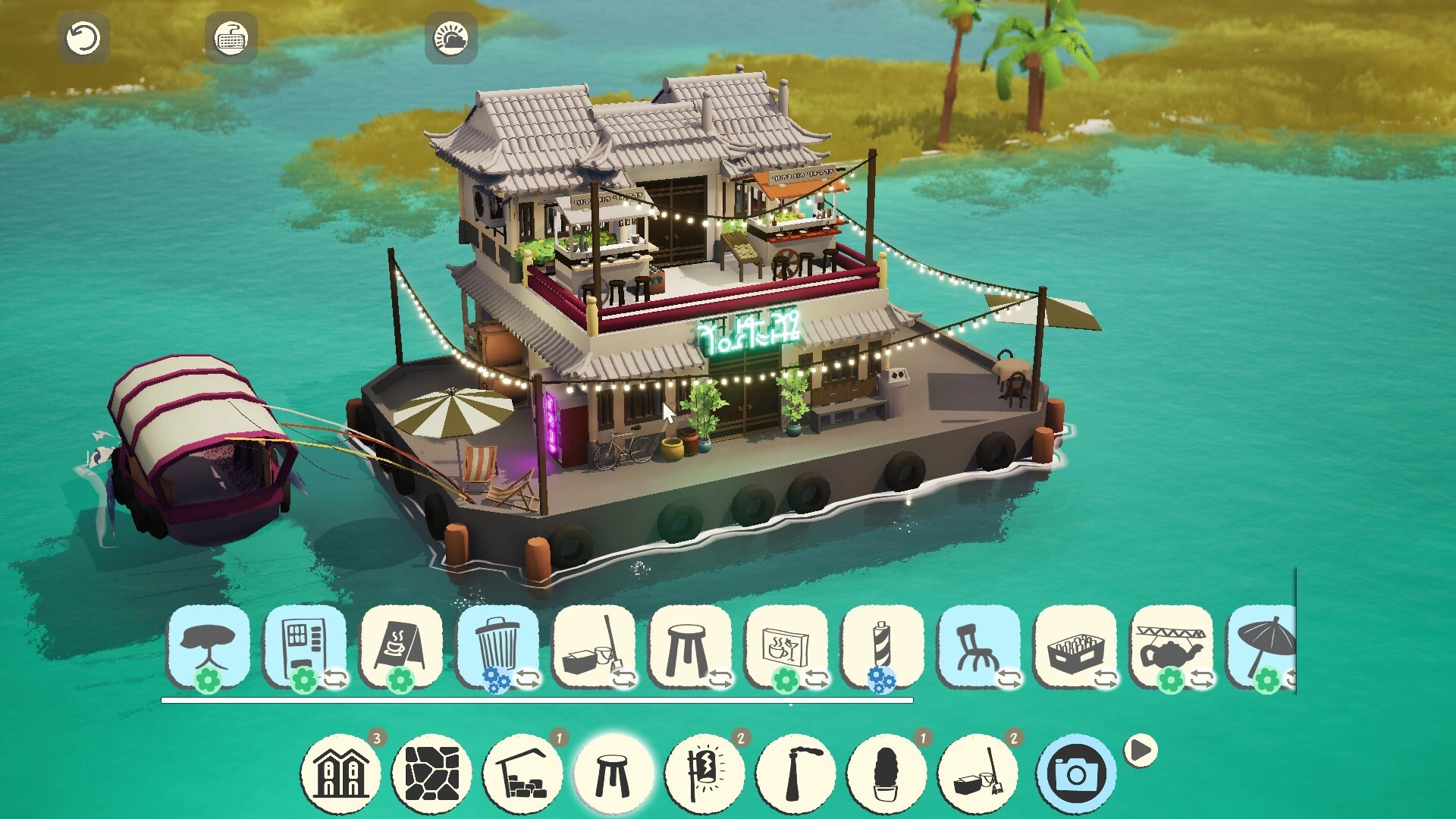
ShantyTown’s visual strength comes from accumulation. A single building or prop can look plain on its own, yet a finished location gains character through density. The game’s low-key art style works because every object contributes to the scene. By the end of a location, the screen can be filled with layered rooftops, glowing signage, stacked homes, little storefronts, and tiny pieces of urban mess that feel carefully placed.
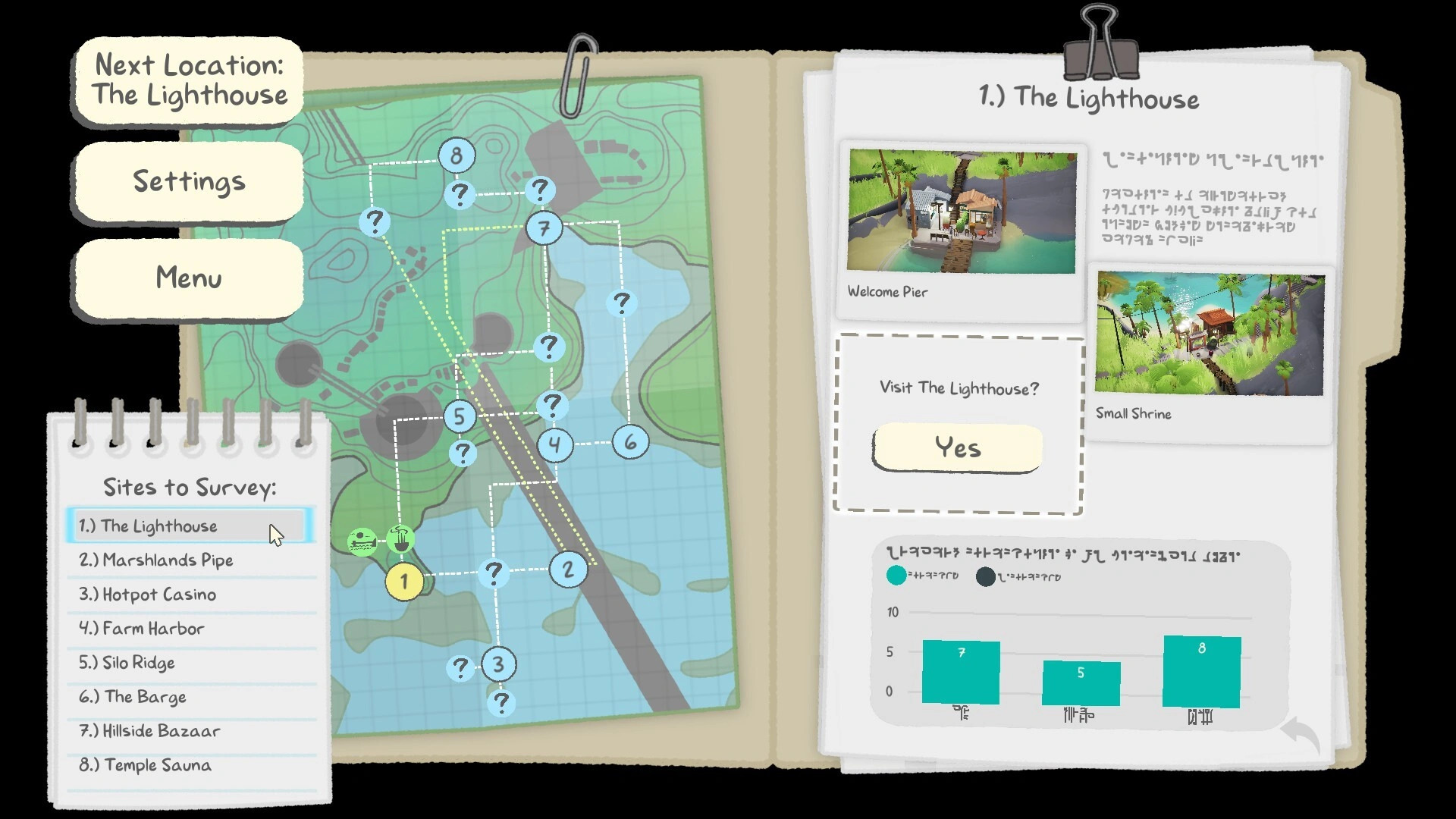
The art direction leans into cozy urban fantasy with Asian-inspired touches. Docks, train stations, temples, stilted swamp platforms, industrial corners, crowded neighborhoods, and massive fantasy creatures used as building sites give the game a strong sense of place. It recalls the compact verticality of certain Japanese cityscapes, with a touch of animated fantasy in the way structures seem to climb into improbable shapes.
What stands out is how ShantyTown treats ordinary clutter. Pipes, antennas, AC units, garbage cans, graffiti, vending machines, windows, and bistro lights become tools of expression. In another building game, these might be treated as background details or visual noise. Here, they help the towns feel lived-in, even without visible residents.
Lighting plays a major role. Daytime scenes feel soft and grounded, while night brings out neon signs, warm lamps, and a gentle city glow. Rain, fog, and weather settings can shift the mood of a finished scene, making the same area feel calm, lonely, or quietly cinematic.
The camera system gives the final photo real value. You can adjust angles, zoom, focus, lighting, weather, and perspective, with first-person and drone-style movement available. The snapshot becomes part of the creative act. ShantyTown asks you to frame your work, not simply finish it.
The sound design stays quiet and ambient, helping the building rhythm settle without pulling attention away from placement.
Small Frictions in a Relaxed Design
ShantyTown’s relaxed nature brings limits. Players looking for deep management, complex simulation, strategic pressure, or long-term challenge may find it too slight. It sits closer to Dorfromantik or Townscaper in spirit than to a traditional city builder, with mood and composition taking priority over systems.
Some placement rules can create friction. Larger buildings and certain objects become difficult or impossible to adjust after placement, especially once you have moved further through the item list. For players who like revising layouts until everything feels exact, this can be frustrating. Smaller props offer more freedom, yet big choices can feel locked in too early.
Borders can cause similar irritation. You may place a building near the edge of a location, then later discover that an upgrade will not work because a required part would sit outside the allowed area. That kind of restriction feels clunky because the original placement seemed valid.
Rare item unlocks tied to upgraded buildings can feel inconsistent as well. The issue is minor, yet players who enjoy predictable progression may notice it. Finished towns can also feel a little still. They become colorful and detailed, yet the absence of tiny residents or moving figures keeps them from feeling fully alive.
ShantyTown works best for players who enjoy compact creativity, cozy builders, peaceful play sessions, and urban dioramas. It is made for building at your own pace, accepting imperfect layouts, and finding beauty in small, cluttered spaces.
The Review
ShantyTown
ShantyTown is a gentle, compact builder that turns cluttered spaces into cozy urban dioramas through simple placement, soft goals, and strong atmosphere. Its light mechanics, lovely lighting, and flexible stacking make it easy to relax into, though limited editing options and quiet finished towns hold it back slightly. It is best suited for players who want calm creativity rather than deep city management.
PROS
- Relaxing, low-pressure building loop
- Strong cozy urban fantasy atmosphere
- Great lighting and photo tools
- Flexible stacking and playful placement
- Reduces decision fatigue well
CONS
- Limited depth for management fans
- Large objects can be hard to revise
- Border restrictions can feel clunky
- Rare unlocks feel inconsistent
- Finished towns can feel empty