

























![Kingdom Hearts Collection [I-III] Review](https://gazettely.com/wp-content/uploads/2026/10/Kingdom-Hearts-Collection-I-III-1-360x180.webp "Kingdom Hearts Collection [I-III] Review: KHII Holds Steady as Newer Entries Fluctuate 37")



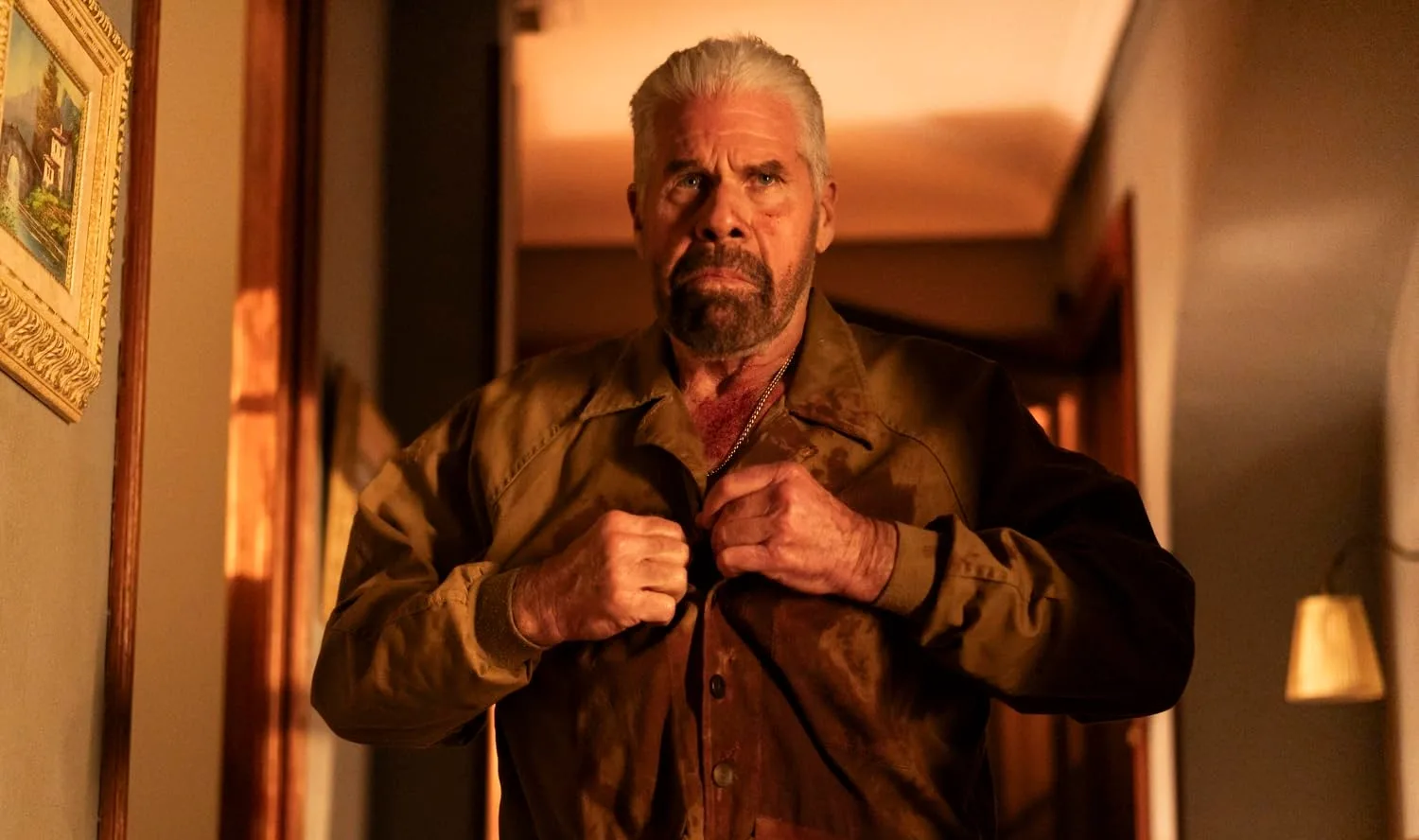

The Gentleman carries the shape of a familiar revenge thriller, then filters it through a bruised neo-noir mood. Directed by Gabriel Beristain and adapted from Carlos Augusto Casas’ novel Ya no quedan junglas adonde regresar, the film follows Theo, an aging former U.S. Army soldier living out his later years in San Sebastián. He is a man surrounded by memory, routine, and regret, with grief hanging over him like damp weather.
His only meaningful connection comes through Olga, a sex worker he meets every Thursday. He pays her to talk, to listen, to share a brief pocket of warmth in a life that has narrowed into silence. Their relationship gives the film its most humane starting point. It treats companionship as a fragile form of survival.
When Olga is murdered by powerful men, Theo turns his loneliness into action. The result is a bloody trail of vengeance that pulls in police officers, criminals, and a Mexican hitman named Herodes. Ron Perlman gives the film its spine. His Theo is weary, massive, and wounded, a man whose silence feels packed with history.
Revenge, Class, and Narrative Overload
The film’s central revenge plot is easy to grasp, which is part of its appeal. Theo wants justice for Olga, and the people responsible exist in a world of money, influence, and legal protection. The Gentleman taps into a blunt social anger: the powerful can destroy vulnerable lives, then retreat behind status. Theo’s violence becomes a crude answer to a system that seems built to look away.
That class tension gives the film a sharper edge than a simple body-count thriller. There is bitterness in the way the story positions its villains: lawyers, clients, enablers, men who treat human life as disposable. Theo’s mission has emotional clarity, yet it sits in a morally murky place. He is not cleansing the world. He is feeding his grief with blood.
The problem is that the film keeps widening its frame when it needs focus. Theo’s arc has enough weight to carry the piece, yet Beristain and the script divide attention among the police investigation, Herodes’ private life, and the personal wounds of the officers. These strands suggest a larger noir mosaic, but the short runtime leaves many of them thin.
Ibarro and Andrade could have offered a rich counterpoint to Theo’s vigilantism. Instead, they sometimes feel trapped in familiar police-thriller behavior. Herodes fares better. His desire to escape violence mirrors Theo’s late-life surrender to it, giving the film one of its cleaner dramatic reflections.
Perlman’s Weight, Elejalde’s Warmth, and a Strong Ensemble
Ron Perlman makes Theo believable through stillness. This is not a performance built on sleek action poses or exaggerated rage. Perlman moves like a man carrying old damage in his bones. His face, voice, and posture do a great deal of the storytelling, which suits a film so invested in memory and regret.

There is a lovely roughness to the performance. Theo has the shape of a genre archetype, the old soldier pulled back into violence, yet Perlman gives him a human sag and sadness. He feels dangerous because he no longer expects much from life. That makes his revenge both frightening and oddly mournful.
Karra Elejalde brings a welcome spark as Mazas, Theo’s friend and ally. Their scenes add humor and tenderness without softening the film too much. The two actors create the sense of a miniature buddy movie tucked inside the revenge plot, built around age, loneliness, and the awkward grace of men who still need each other but would rather not say it out loud.
Marco de la O is also strong as Herodes. He gives the hitman a tired moral friction, making him feel like a man trying to quit a life that keeps calling him back. Megan Montaner, Hovik Keuchkerian, Natti Natasha, and the supporting cast add texture, though several roles suffer from rushed writing and blunt characterization.
Noir Mood, Violence, and an Uneven Genre Machine
Beristain’s background as a cinematographer is easy to sense in the film’s ambition. The Gentleman wants rain, jazz, muted colors, lonely streets, and moral rot. At its best, it has the flavor of an old record playing in a half-empty bar, the kind of atmosphere that makes noir feel less like a genre label and closer to a hangover.
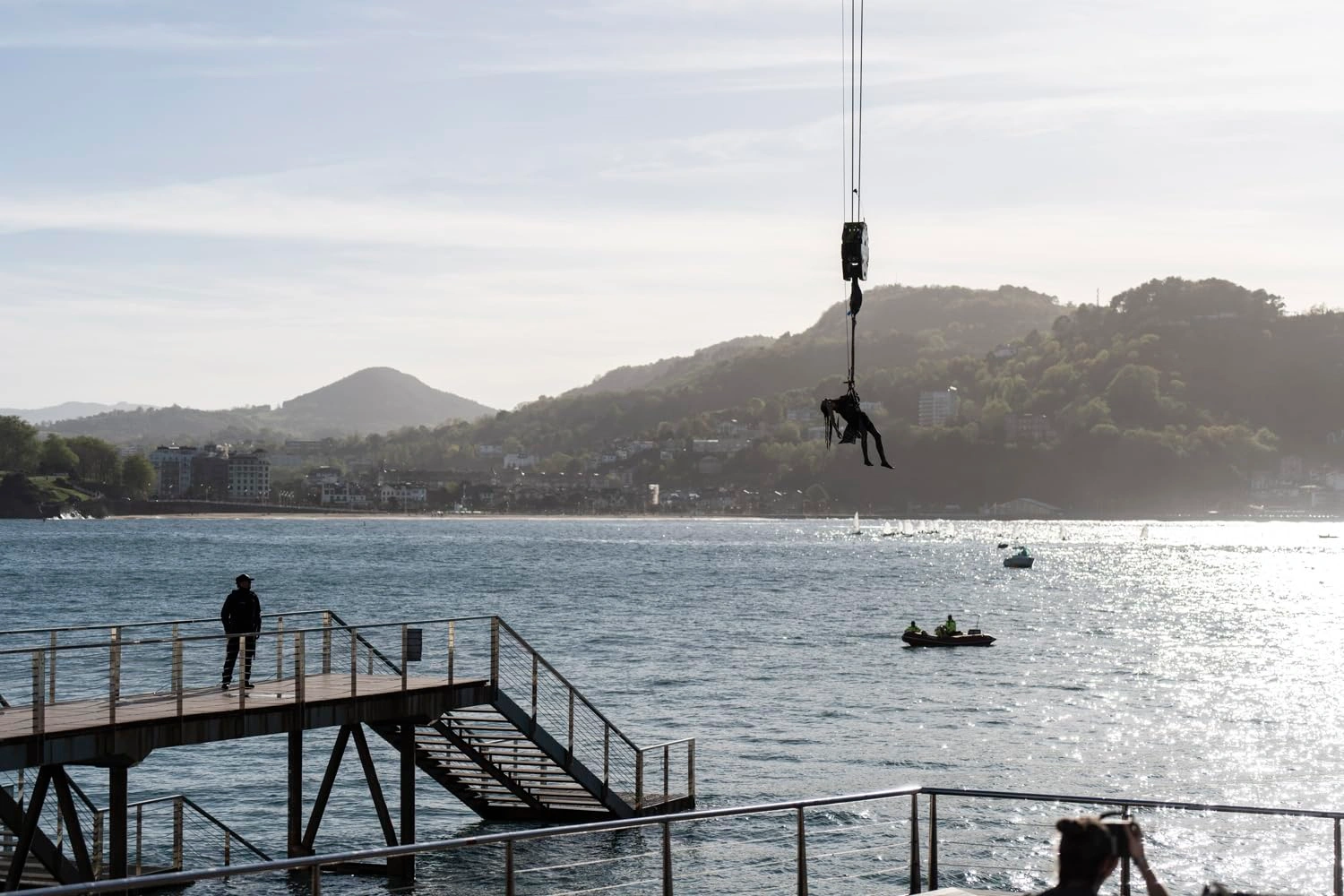
San Sebastián is both beautiful and underused. Its streets, rain, and coastal architecture give the film visual appeal, yet the city rarely becomes a living pressure around Theo. A stronger sense of place might have made the story feel less generic and more rooted in its Basque setting. Some images carry a soft melancholy, while others look too clean for a tale this grim.
The violence gives the film its strongest jolts. Theo’s revenge killings help organize the narrative and provide bursts of gruesome energy. The digital blood lacks the grit of practical effects, but several deaths have enough blunt force and nasty imagination to satisfy the genre appetite.
The weakest stretches come when the film leans into melodrama or overcrowded plotting. The noir mood works in quiet moments, especially around Theo’s grief, but the crime machinery often feels rushed. The Gentleman remains watchable because Perlman holds the center with such battered authority. It has personality, atmosphere, and flashes of bloody pleasure, yet its script keeps it from becoming the fully formed neo-noir it clearly wants to be.
The action-thriller film follows a lonely former soldier named Theo who seeks brutal vengeance after his only companion, a woman named Olga, is murdered. The movie originally premiered in theaters in late 2025 before making its way to video-on-demand and digital platforms in April 2026. Audiences can watch the feature on various major digital streaming services, including Apple TV.
Where to Watch The Gentleman (2025) Online





Full Credits
Title: The Gentleman
Distributor: Capelight Pictures International, Film Factory
Release date: September 26, 2025 (Spain), April 14, 2026 (Digital/Streaming)
Rating: 15 / 16 (or equivalent BBFC/TV ratings for strong language and violence)
Running time: 1 hour 29 minutes
Director: Gabriel Beristain
Writers: Juma Fodde, Carlos Augusto Casas
Producers and Executive Producers: Álvaro Ariza, Javier López, Ignacio Salazar-Simpson
Cast: Ron Perlman, Megan Montaner, Hovik Keuchkerian, Natti Natasha, Marco de la O, Damián Alcázar, Itziar Ituño, Diego Anido
Director of Photography (Cinematographer): Gabriel Beristain
Editors: Alejandro Lázaro
Composer: Pepe de Lucía
The Review
The Gentleman
The Gentleman is a moody, uneven neo-noir revenge thriller lifted by Ron Perlman’s weathered, quietly forceful performance. Its atmosphere, jazz-soaked melancholy, and bursts of violence give it personality, yet the crowded script keeps pulling attention away from Theo’s grief and moral decay. It works best as a portrait of an old man turning loneliness into bloodshed, less so as a multi-strand crime drama.
PROS
- Ron Perlman gives the film real emotional weight
- Strong chemistry between Perlman and Karra Elejalde
- Moody noir atmosphere and effective jazz-inflected sound
- Several memorable revenge killings
- Herodes adds a strong secondary mirror to Theo
CONS
- Too many subplots for the short runtime
- Police storyline feels underdeveloped
- Some supporting characters lean on stereotypes
- San Sebastián feels visually appealing but underused
- Uneven pacing weakens the tension







