










![Kingdom Hearts Collection [I-III] Review](https://gazettely.com/wp-content/uploads/2026/10/Kingdom-Hearts-Collection-I-III-1-360x180.webp "Kingdom Hearts Collection [I-III] Review: KHII Holds Steady as Newer Entries Fluctuate 39")

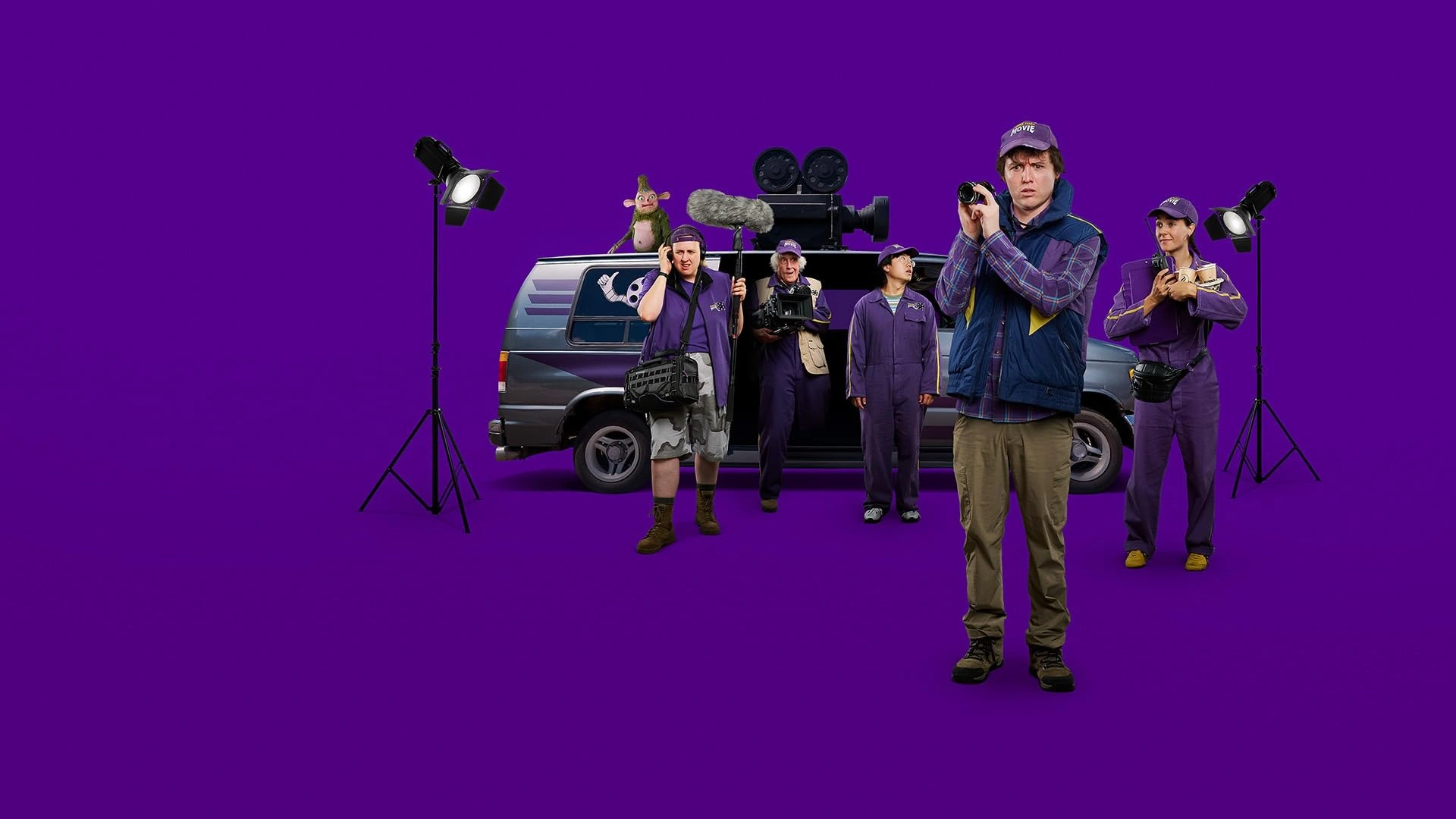
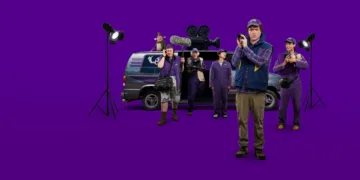
Make That Movie arrives with the kind of premise that sounds like a prank someone accidentally got commissioned: Sam Campbell plays a fictionalized version of himself, a once-prominent film director now traveling around in a van with a giant model camera on top, making low-budget films from ideas submitted by ordinary people. That setup could easily become a neat sketch show machine. Instead, the six-part Channel 4 mockumentary treats every terrible idea with devotional seriousness.
Each episode starts with a one-line movie pitch. A couple can both turn into snakes, though never at the same time. Pensioners enter computers to fight online scammers. A teacher falls in love with a preserved Neanderthal body. Animated feet become a source of comfort. A football story collides with children’s-book mythology. These are not stories built for polished arcs or tidy payoffs. They are comic mutations.
The show’s pleasure comes from watching Campbell and his crew behave as if each idea contains the seed of cinema’s next masterpiece. That gap between artistic confidence and creative nonsense gives Make That Movie its odd pulse.
The Mockumentary as Controlled Collapse
The structure is simple, then instantly unstable. In each 23-minute episode, Campbell meets someone with a movie idea, enters their ordinary world, begins production, creates chaos, and ends with the finished film. That means every episode has to function as character sketch, behind-the-scenes parody, genre spoof, and final absurdist short. That is a lot of cargo for a small vehicle.
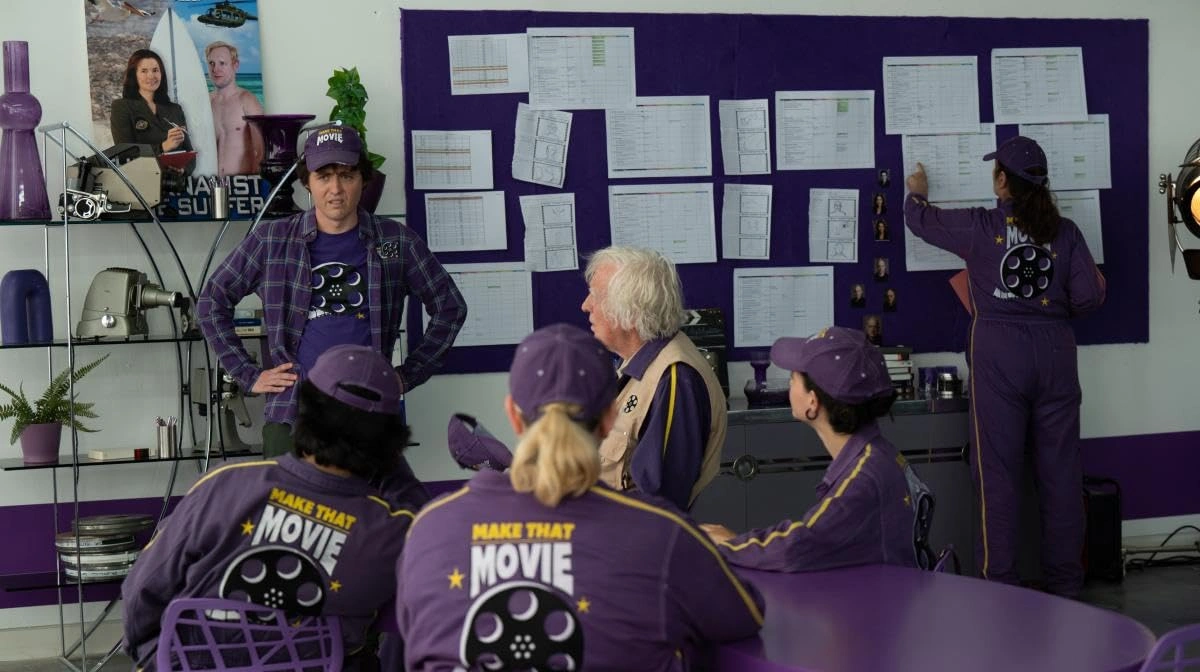
At its best, the format gives the series a restless comic charge. Make That Movie can shift from workplace awkwardness to amateur filmmaking satire, then suddenly become a cursed serpent heist or a care-home cyber-musical. The final films are funny because they look like the product of sincere effort filtered through complete artistic derangement. They resemble the kind of strange low-budget projects that fascinate people because nobody involved appears to know where good taste was last seen.
The drawback is pacing. Some episodes sprint through their own ideas so fast that the comedy has little time to ferment. A premise like pensioners physically entering computers to battle scammers has enough material for an entire half-hour by itself, yet the show keeps pushing forward. That breathlessness feels intentional, and sometimes it works beautifully. Still, a few episodes leave the impression of a sketch drawer being tipped onto the floor.
There is craft here, hidden under the mess. The series understands that bad films are funniest when treated with total sincerity. It also knows that mockumentary form can make nonsense feel strangely credible.
Sam Campbell and the Art of Blank Commitment
Campbell’s performance is the show’s anchor, though “anchor” may be too stable a word for what he does. He plays Sam as a man who seems both completely in charge and faintly confused by basic human custom. His face often suggests a director who has just discovered social interaction and finds the interface needlessly complicated.
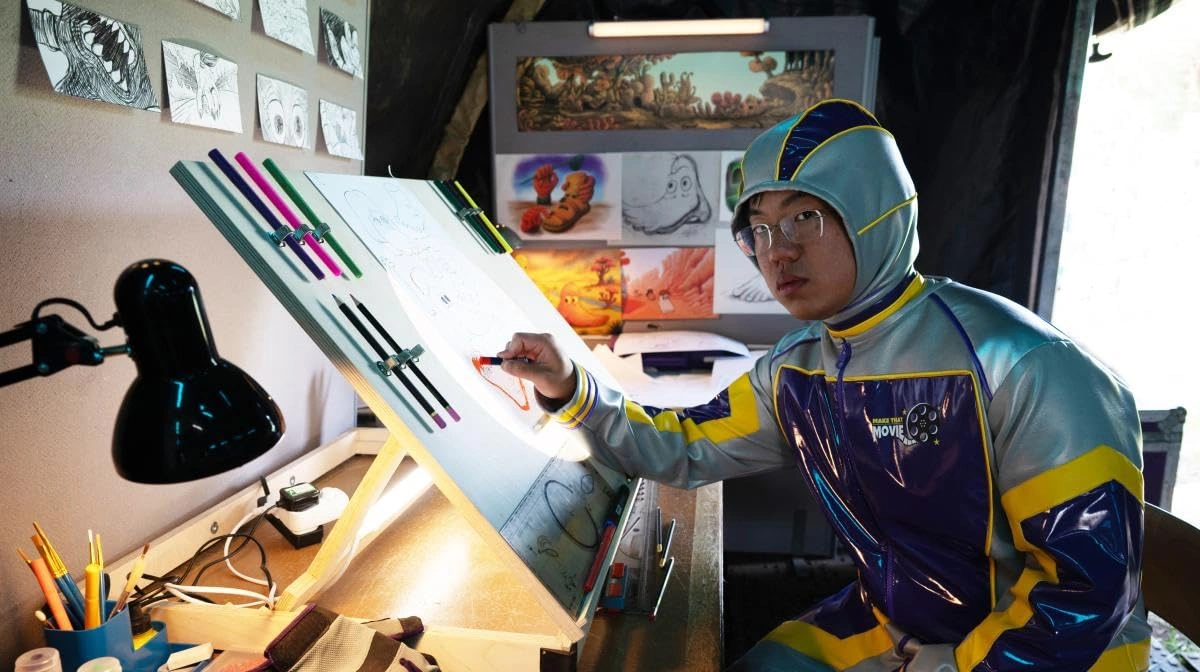
That blank commitment is vital. Campbell never winks at the audience. He treats the snake film, the computer musical, and the football fairy-tale oddity with the same professional focus another director might bring to a prestige drama. The joke is rarely that Sam finds the ideas ridiculous. The joke is that he does not.
The supporting cast strengthens that effect. Lara Ricote’s Jess gives the crew a warmer, steadier presence without sanding down the show’s odd edges. Helen Bauer’s terse sound operator adds a dry practical energy, while Aaron Chen’s Sebastian, an intimacy coordinator with deeply unsettling stillness, turns workplace professionalism into something faintly threatening. David Hargreaves brings deadpan authority as cinematographer Winnie, delivering absurd lines as if they were carved into a stone tablet.
The guest characters often feel intentionally awkward, trapped between documentary realism and sketch-show exaggeration. That tone will not work for every viewer. Some performances are deliberately flat to the point of discomfort. Yet that flatness is part of the design. Make That Movie is fascinated by amateurs, failed artists, strange confidence, and the tiny humiliations of trying to create something in public.
Comedy Without the Safety Rails
Make That Movie belongs to a current strain of comedy that has little interest in traditional sitcom warmth. It does not chase neat punchlines. It does not soften itself with sentiment. It rarely pauses to reassure the viewer that all this nonsense means something noble. The comedy comes from images, rhythm, repetition, and the stubborn seriousness of people making dreadful art with admirable passion.
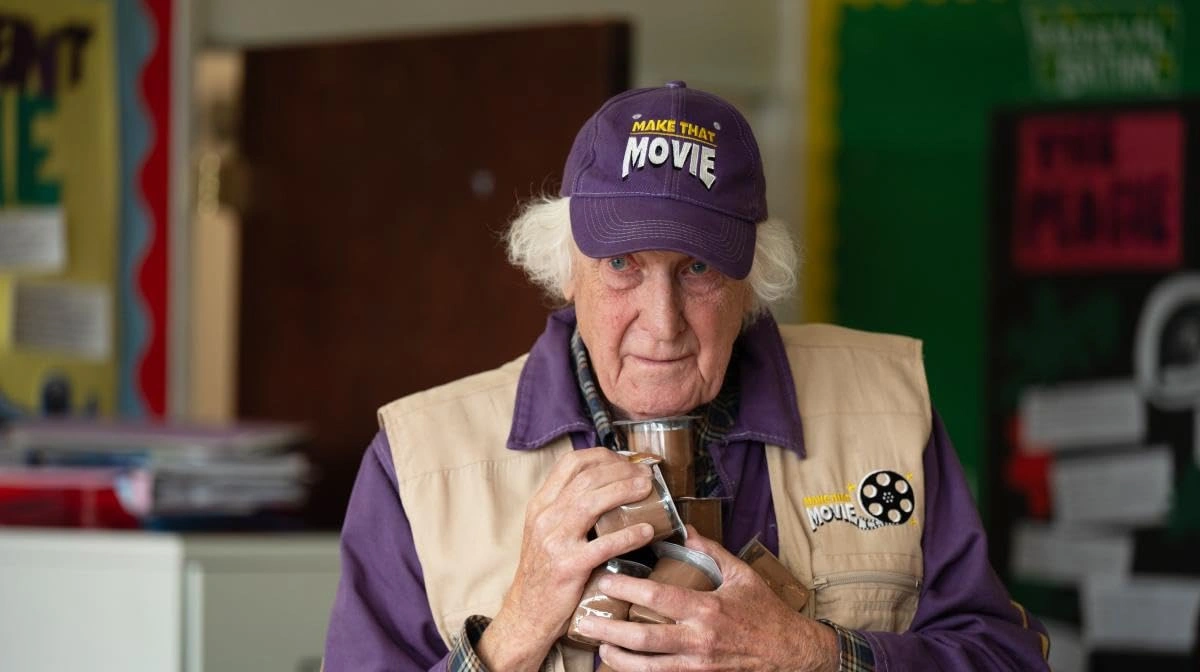
That makes the series refreshing and occasionally exhausting. Campbell’s humor thrives on incongruity: a crude AI chatbot called Superbreast, USB cables placed in mouths, a national fondness for strange fictional mascots, bad acting treated like artistic revelation. The show keeps asking the same risky question from different angles: if a terrible idea is pursued with enough belief, does it become funny, pathetic, beautiful, or all three?
The answer changes by episode. Some chapters hit their rhythm with gleeful precision. Others feel too scattered, especially early on, where the show’s commitment to awkwardness can resemble dead air before the absurdity fully clicks. Viewers who need conventional comic timing may find the whole thing shapeless. Viewers tuned into Campbell’s frequency may find it thrillingly free.
That freedom matters. Television comedy has spent years trying to justify silliness with trauma, backstory, or emotional repair. Make That Movie has no interest in pleading its case. It would rather build a snake thriller in a print shop and call that a day. There is something oddly admirable about that level of comic purity.
Make That Movie is uneven, wilfully strange, and sometimes too compressed for its own good. It is also one of the rare recent sitcoms that feels genuinely authored, from its deadpan performances to its affection for bad cinema. It may repel as many viewers as it delights, which feels less like a flaw than a fair description of the creature Campbell has made.
Make That Movie is a six-episode British comedy series created by Sam Campbell and directed by Joe Pelling. The series premiered on Channel 4 in the UK on May 28, 2026, with Campbell playing a hotshot director who travels the country turning ordinary people’s surreal feature-film ideas into chaotic productions within three days. It is produced by Blink Industries, with BBC Studios handling global sales. Viewers in the UK can watch it on Channel 4, while reports also list HBO Max as its Australian home.
Full Credits
- Title: Make That Movie
- Distributor: Channel 4, BBC Studios
- Release date: May 28, 2026
- Running time: Approximately 23 minutes per episode
- Director: Joe Pelling
- Writers: Sam Campbell, Joe Pelling, Henry Paker, Laura Claxton, Natasha Hodgson, Olly Cambridge, Paddy Young
- Producers and Executive Producers: William Kay, Alex Cartlidge, Adam Tandy, James Stevenson Bretton, Sam Campbell, Joe Pelling, Jenna Mills
- Cast: Sam Campbell, Lara Ricote, Aaron Chen, Helen Bauer, David Hargreaves, Katie Norris, Kim Noble, Kath Hughes, Amit Shah, Ed Aczel, Rob Auton, Eric Rushton
- Director of Photography: Jason Ellis, Ed Tucker
- Editors: Nicholas Armstrong, Matthew Dilworth
- Composer: Charlie Pelling, Joe Pelling
The Review
Make That Movie
Make That Movie is a strange, risky, and sharply authored comedy that turns bad ideas into its own crooked art form. Sam Campbell’s deadpan control gives the chaos shape, while the mockumentary format lets each episode mutate into a different kind of comic disaster. The pacing can feel cramped, and the humor will lose viewers who need cleaner setups, but its commitment to absurdity is hard to dismiss.
PROS
- Bold, distinctive comic voice
- Strong deadpan performances
- Clever mockumentary structure
- Memorable fake movie concepts
- Refreshing lack of forced sentiment
CONS
- Some episodes feel overcrowded
- Humor may feel too flat for some viewers
- Early episodes can be uneven
- Limited emotional grounding
- The format may risk repetition over time