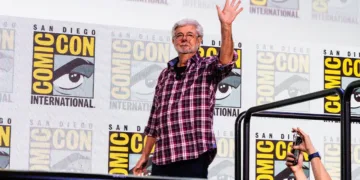



















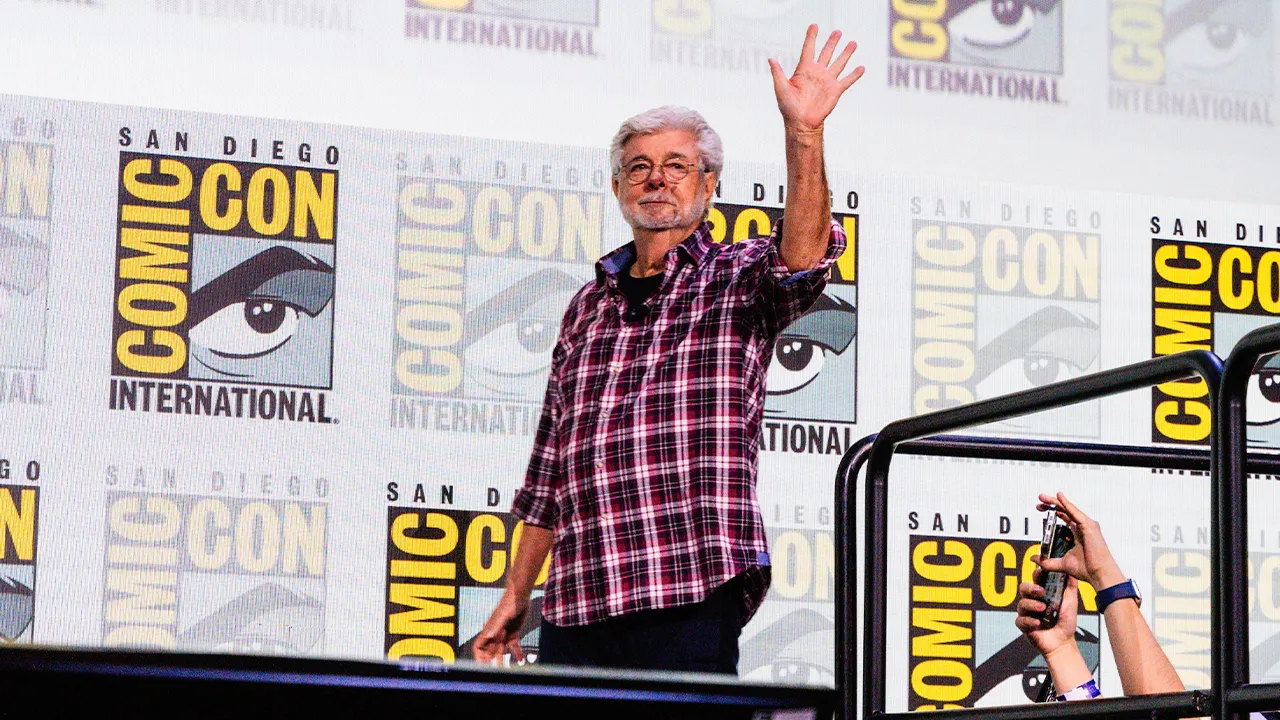

George Lucas stepped onto San Diego Comic-Con’s Hall H stage for the first time on 27 July, earning a lightsaber salute from thousands of fans as he previewed the long-delayed Lucas Museum of Narrative Art now slated to open in Los Angeles in 2026. Flanked by Guillermo del Toro, Star Wars designer Doug Chiang and moderator Queen Latifah, the 81-year-old filmmaker described the institution as “a temple to the people’s art,” conceived to elevate comics, illustration and cinema production design alongside traditional fine art.
The 300,000-square-foot structure—shaped like a sleek starship by architect Ma Yansong—rises on an 11-acre site in Exposition Park and will anchor new gardens and event spaces beside the California Science Center and the Coliseum. Lucas said his collection has swelled to more than 40,000 pieces ranging from Norman Rockwell paintings to Jack Kirby comic art, much of it in storage because “there’s nowhere else for it to live”.
He revealed a sampling of displays headed to the galleries: a life-size Naboo starfighter, General Grievous’s wheel-bike, early Ralph McQuarrie concept paintings, the 1968 Black Panther comics debut pages, the first Iron Man cover drawing and Flash Gordon illustrations from 1934. Original Peanuts strips and political cartoons will sit alongside Star Wars costumes such as Darth Vader’s helmet and Luke Skywalker’s X-wing flight gear, reflecting what Lucas called “the full spectrum of narrative art”.
Del Toro praised the project as overdue validation for mediums that “saved our souls as kids and still change minds today,” while Chiang noted that seeing his design drawings in a museum context “closes the circle” between inspiration and finished film.
Construction, which began in 2018 after site changes in Chicago and San Francisco, reached its full height last year; crews are now installing climate-controlled vaults and an auditorium intended for premieres and symposiums. Lucas joked that the futuristic silhouette already makes the building “the biggest prop I’ve ever built,” but stressed that its mission is democratic: “It’s for anyone who’s ever been moved by a picture and wanted to know how it was made.”