




























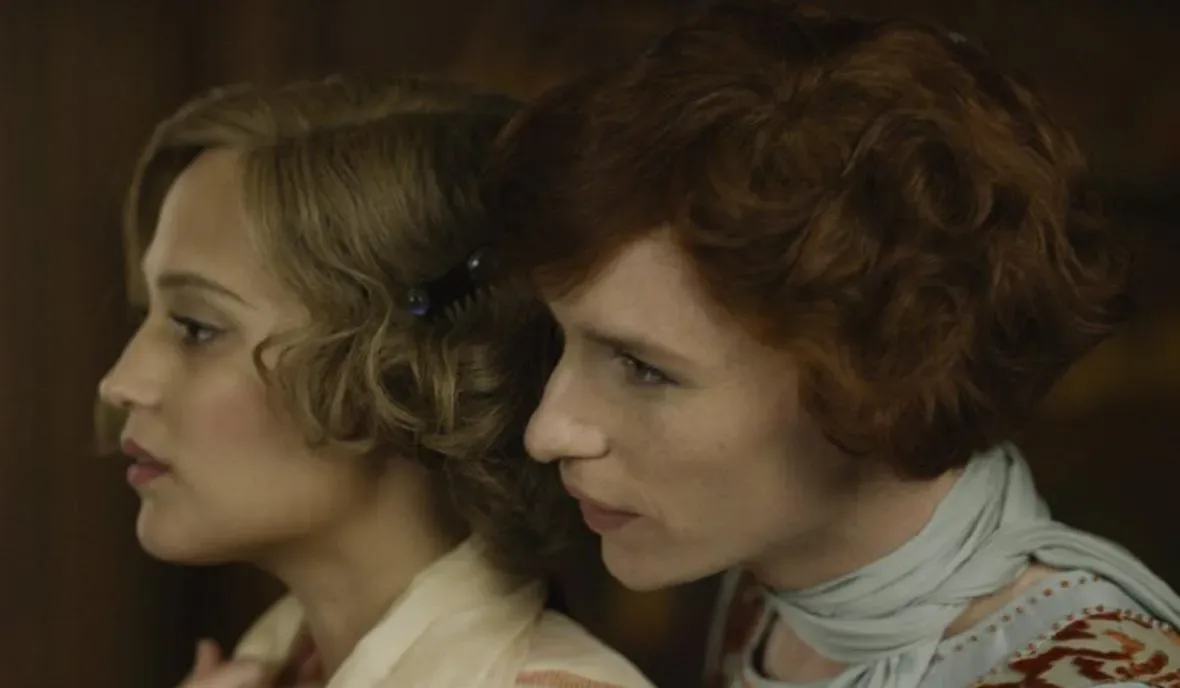

Alicia Vikander says her Oscar-winning 2015 drama The Danish Girl “already feels extremely dated,” reflecting on how the film approached transgender lives and who was chosen to portray them. In a new interview tied to her return to the London stage, the actor—who played artist Gerda Wegener opposite Eddie Redmayne’s Lili Elbe—said the movie helped spark discussion at the time but would be made differently today. She added that the conversation it prompted cleared room for newer work to take on similar themes with greater specificity.
The Danish Girl was widely debated for casting a cisgender man as a trans woman. Vikander’s remarks echo a shift that has taken place across film and television in the decade since the release, with growing pressure to cast trans performers in trans roles and to center trans voices in storytelling. Redmayne has since said he would decline the role now, calling his decision to take it “a mistake.”
Vikander noted that criticism around the film’s perspective was not misplaced, even as she described the project as an inflection point that made a then-rare subject visible to mainstream audiences. Industry debate has since focused on how representation shapes perception off-screen, a point repeated by trans commentators who argue that casting and framing choices influence public understanding of trans women’s lives.
The film, adapted from David Ebershoff’s novel and directed by Tom Hooper, earned four Academy Award nominations and won Vikander best supporting actress. The actor’s new comments arrive as she prepares to star in a reimagined staging of Henrik Ibsen’s The Lady From the Sea at London’s Bridge Theatre, a career move she described as a return to the theater world where she grew up.
Vikander framed the reassessment as healthy: if the film now reads as a period piece in terms of sensibility, that is evidence of change. The question her remarks revive—who gets to tell which stories, and how—remains active across casting rooms and writers’ rooms, with recent years seeing more trans creatives in decision-making roles and audiences more attuned to how authenticity intersects with artistry.