





















“We have our laws and punishments, the streets have theirs.” The words spoken by Tribal Officer Teddy Sharpe hang in the air of the Thunderstone reservation, a place where official justice is often a foreign concept. Peace here is not an absence of conflict but a carefully managed truce, a delicate balance of favors and leverage understood by those who live on the edge.
Vincent Grashaw’s Keep Quiet maps this tense geography with unflinching clarity. The film opens into this simmering world just as a match is thrown onto dry tinder. Richie Blacklance, a man described as a genuine bad seed, is out of prison and heading home. His return is not a homecoming but an omen, promising to ignite the buried secrets and long-held griefs of his community.
At the center stands Teddy, a veteran cop who polices this territory less with a rulebook and more with a weary understanding of human nature. The film immediately establishes itself as a bleak and brawny thriller, where the landscape itself seems to hold its breath.
The Weight of the Badge
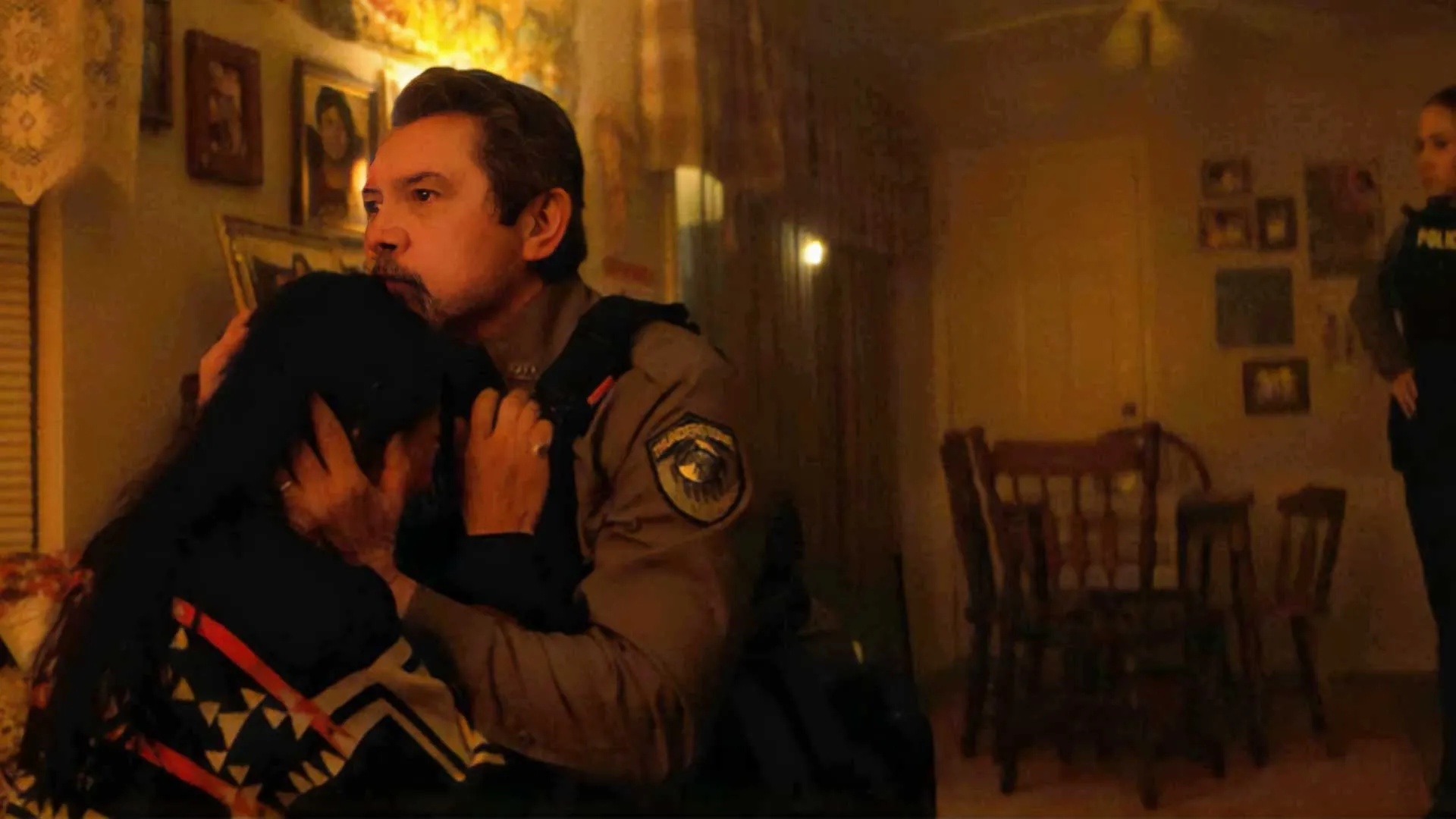
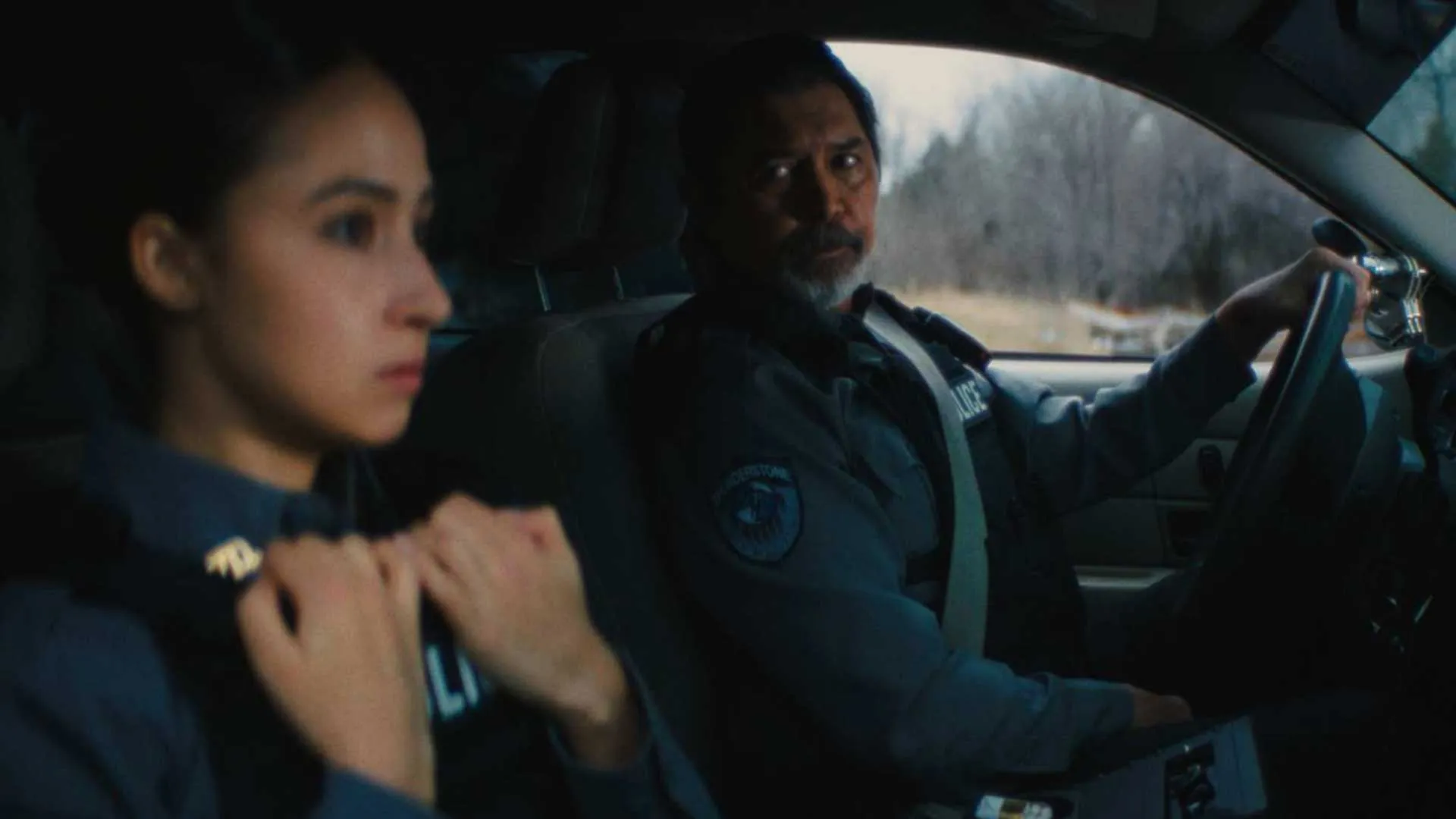
Lou Diamond Phillips gives Teddy Sharpe a lived-in exhaustion that feels earned over decades of thankless work. His performance is a masterclass in subtlety, conveying a deep history of compromise and regret through a weathered expression and guarded posture.
This is a man who understands that in Thunderstone, the letter of the law is a blunt instrument, incapable of navigating the intricate web of family ties and historical grievances. His policing philosophy is a form of communal triage; he confiscates weapons from young men and sends them on their way, knowing a short jail stay will solve nothing while robbing a family of a needed babysitter. His weariness is not apathy but a pained form of empathy.
Also Read



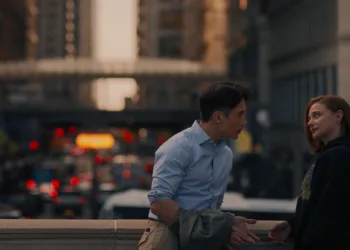

Into this volatile ecosystem steps Sandra Scala, his new partner. Played by Dana Namerode, Sandra is an outsider whose by-the-book resolve is immediately tested. She arrives seeking to escape her own past, only to find herself in a place where the past is never truly gone. Her presence forces a re-examination of Teddy’s methods, questioning whether his pragmatism has curdled into complicity.
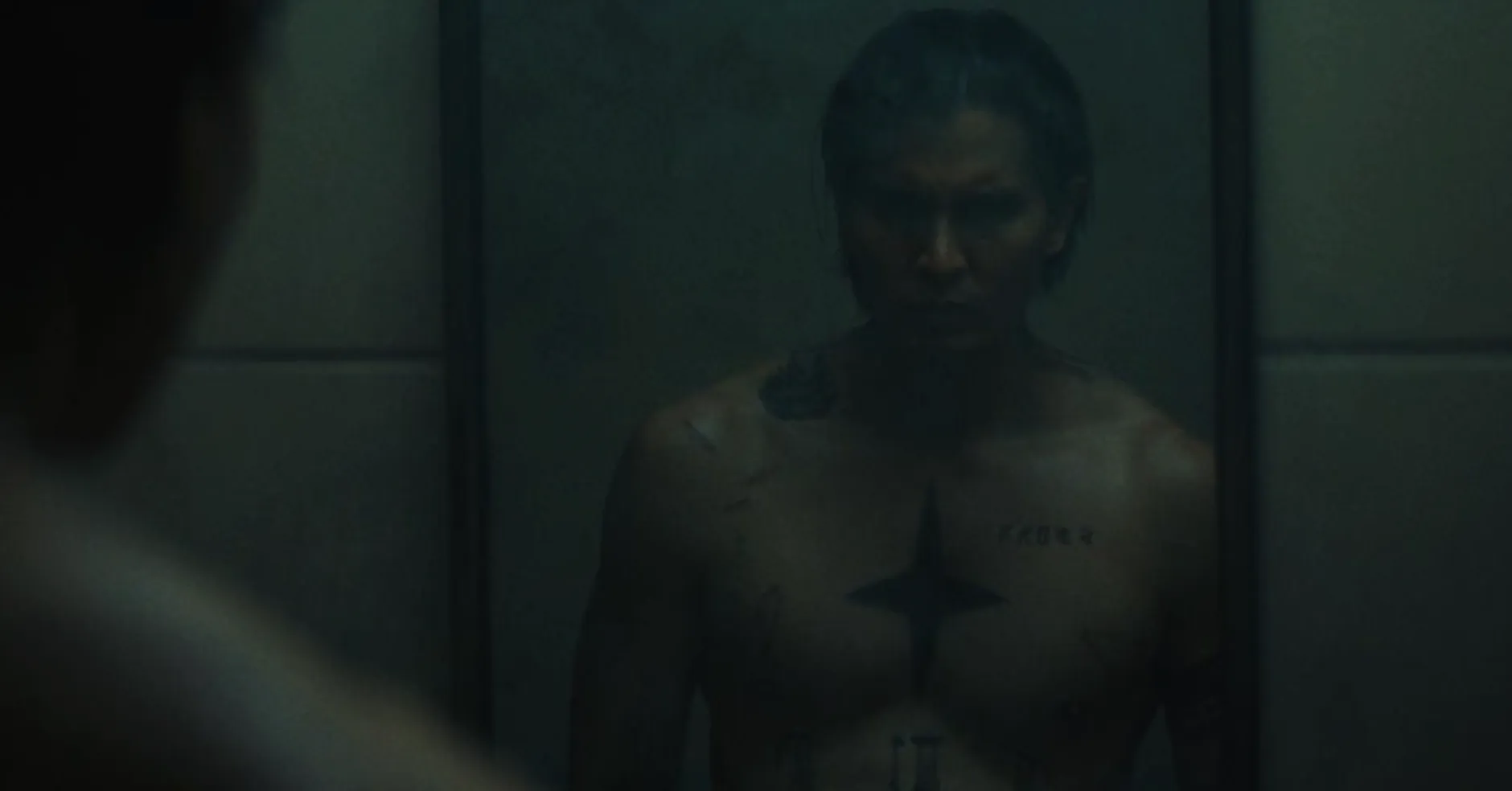
Their dynamic forms the film’s moral and emotional core, a constant negotiation between procedure and necessity. This tension is ignited by Elisha Pratt’s terrifying Richie Blacklance, a force of pure chaos whose violence is a twisted expression of grief and a desperate grasp for power in a powerless world.
This Ain’t Gang Shit, It’s Family
The Thunderstone reservation is not merely a setting; it is an active participant in the story’s tragedy. Grashaw depicts a physical and emotional landscape scarred by systemic neglect, a place of rural emptiness where opportunities are scarce and hope is a dwindling resource. The very ground seems soaked in the history of broken promises, creating the conditions for the story’s explosive conflict.
It is within this vacuum that the local gangs flourish, offering a perverse but potent form of salvation. When Richie insists, “this ain’t gang shit, it’s fucking family,” the line is more than a defense; it is a diagnosis of a community’s illness. The gangs provide what the outside world will not: a code, a support system, and a sense of belonging. They are a brutal response to a brutal reality.
This cycle of inherited pain is personified in Richie’s young nephew, Albert, whose brother’s recent suicide hangs over the narrative like a shroud. The boy becomes the symbolic battleground for the community’s soul. The film’s title, Keep Quiet, resonates on multiple levels. It is the gang’s demand for loyalty, the community’s unspoken agreement to bury its secrets, and the heavy silence that surrounds generations of unaddressed trauma. It is a quiet that is anything but peaceful.
An Eye for the Bleak
Vincent Grashaw’s direction is marked by its restraint and atmospheric control. He constructs the film’s tension not through frantic action but through a patient, observational style, allowing the dread to accumulate in the quiet moments between confrontations. His approach is unflinching, presenting the harsh realities of reservation life without sentimentality.
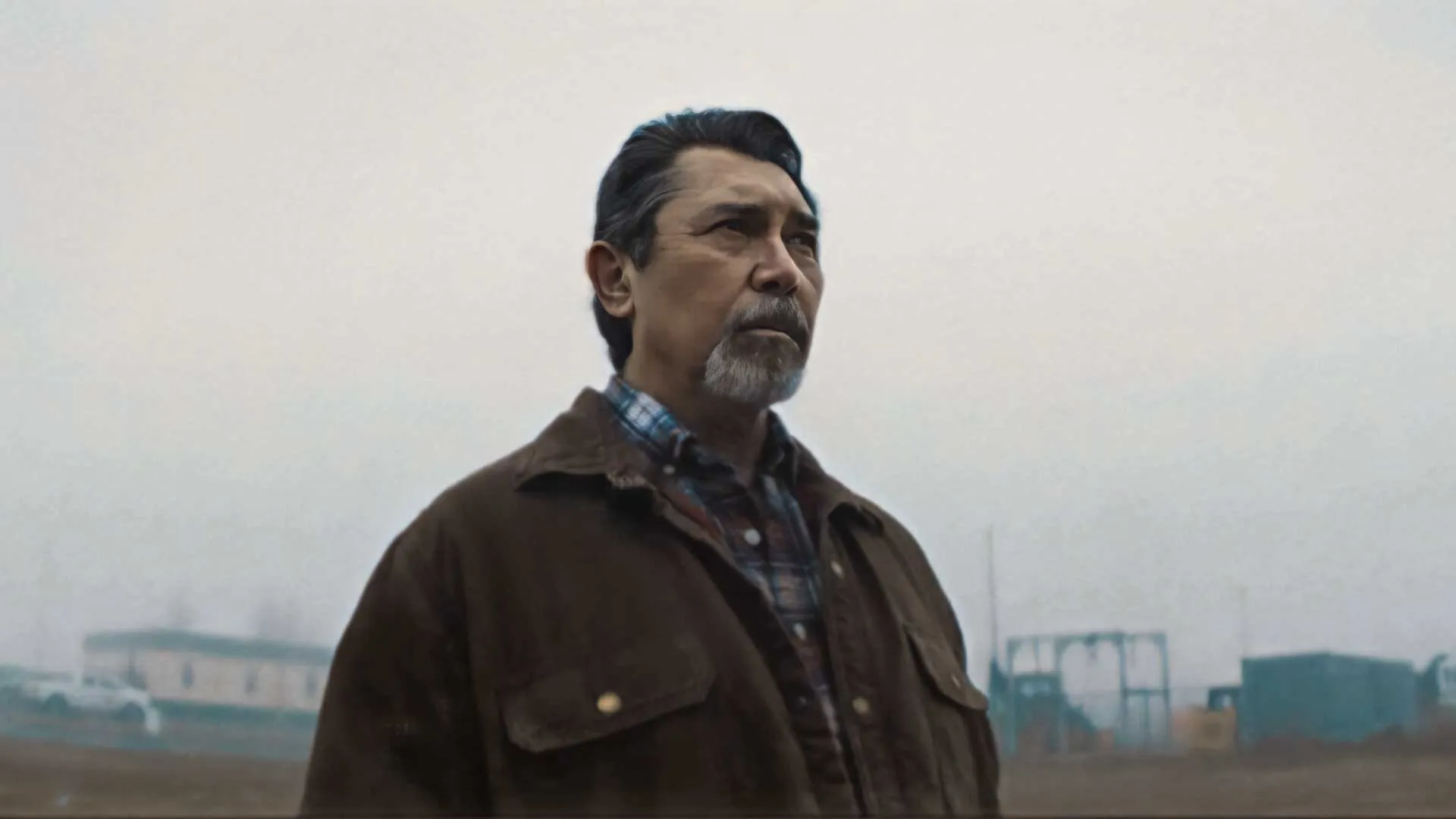
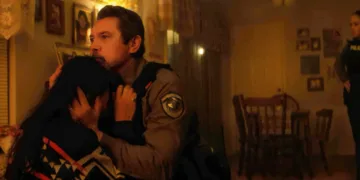
This grounded realism is amplified by Brandon Waddell’s cinematography, which captures the land with a steely, unforgiving eye. The film’s visual language evokes the neo-western, framing Teddy as a modern lawman on a forgotten frontier. Striking images, like the lonely pulse of red-and-blue police lights cutting through an immense rural darkness, underscore the characters’ isolation.
The film’s power lies in its sober and raw tone. It takes the familiar archetype of the cynical veteran and idealistic rookie and places it in a specific, culturally rich context that subverts cliché. Keep Quiet offers no easy solutions because it understands there are none. Its lasting impact comes from this authenticity, delivering a character-driven thriller that is both a suspenseful story and a poignant elegy for a fractured part of America.
“Keep Quiet” is a crime drama that had its world premiere at the 2025 Locarno International Film Festival in August. It is about a tribal police officer and his new trainee who must find a fugitive on their rural Indigenous reservation. The fugitive’s return exposes dark secrets and could lead to a gang war. The film is not currently available on MUBI, but sources suggest it may be available to stream, rent, or buy on various platforms in the future.
Full Credits
Director: Vincent Grashaw
Writers: Zach Montague
Producers: Vincent Grashaw, Cole Payne, Ran Namerode, Angelia Adzic
Executive Producers: Lou Diamond Phillips, Marcus Red Thunder, Richard Janes
Cast: Lou Diamond Phillips, Nick Stahl, Dana Namerode, Elisha Pratt, Irene Bedard, Lane Factor, Kimberly Guerrero, Ryker Sixkiller, Tommy Schultz, James Whitecloud, James Healy Jr.
Director of Photography (Cinematographer): Brandon Waddell
Editors: Vincent Grashaw
Composer: James Wakefield
The Review
Keep Quiet
Keep Quiet is a potent and atmospheric thriller, anchored by a superb performance from Lou Diamond Phillips. Director Vincent Grashaw crafts a world of sustained dread, using the bleak landscape of the Thunderstone reservation to explore deep-seated cycles of trauma. While its procedural elements are familiar, the film's unflinching realism and emotional authenticity make it a powerful and memorable neo-western. It is a somber, gripping examination of a community in crisis.
PROS
- A commanding and deeply felt lead performance from Lou Diamond Phillips.
- Strong, atmospheric direction that builds relentless tension.
- A thoughtful exploration of systemic neglect and generational trauma.
- Authentic depiction of its setting, making the reservation a central character.
CONS
- The slow-burn pacing may not appeal to all viewers.
- Relies on some familiar cop-drama character archetypes.
- Its relentlessly bleak tone can be emotionally taxing.