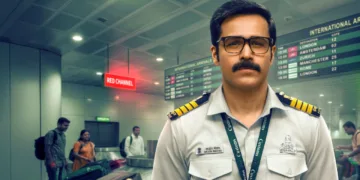





























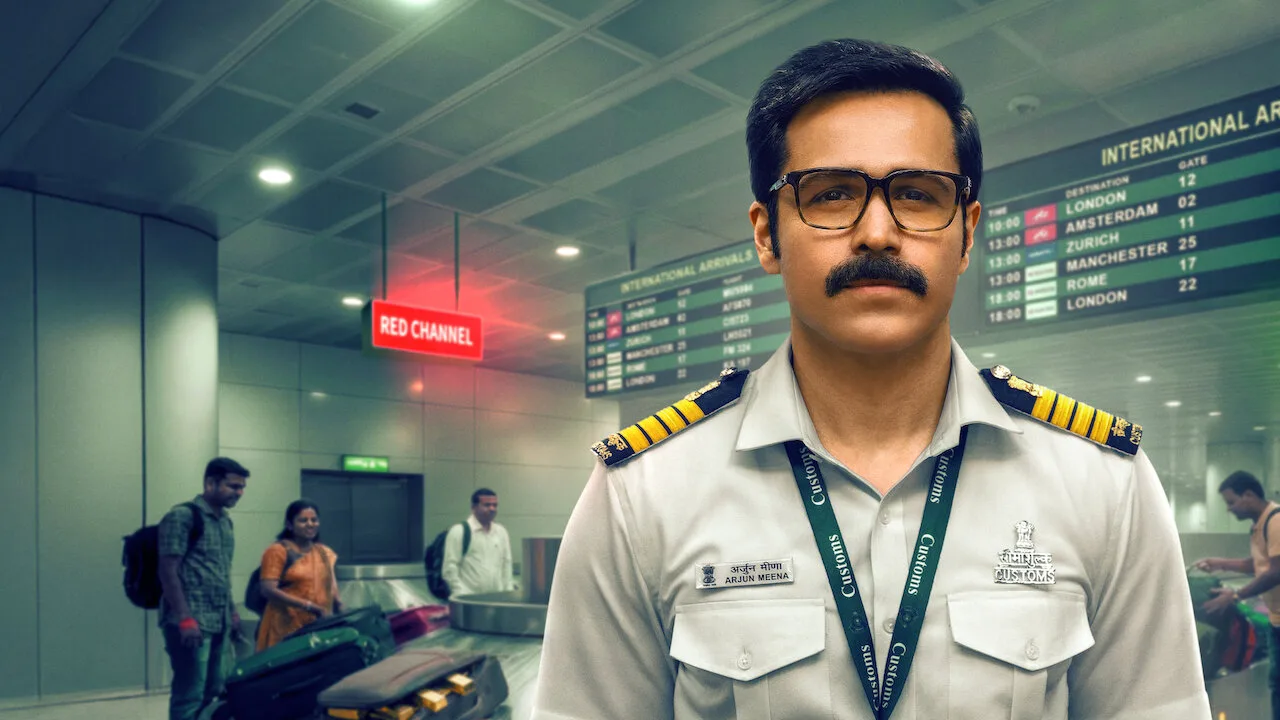

Taskaree: The Smuggler’s Web centers the high-stakes work of airport customs. Across seven episodes, the series follows a specialized unit at Mumbai International Airport as officers pursue an expansive smuggling network. The plot opens with a newly arrived, principled boss who sets out to reform a department often seen as stagnant or corrupt. He brings back a suspended officer to lead a team of diligent agents.
Their main adversary is a syndicate controlled from Milan that traffics gold, drugs, and luxury watches through international routes. The story moves between busy Indian terminals and locations in Europe and Africa. The series frames customs work as a contest of intelligence and careful procedure. Its focus rests on trade mechanics and the vigilance required to protect economic borders.
The Procedural Mechanics of Smuggling and Enforcement
The airport operates as an arena where routine travel rituals mask a shadow economy. Mumbai International Airport functions as the central hub for the smuggling operations the plot traces. The show underlines the difficulty of policing thousands of travelers while keeping commerce moving.
That logistical tension becomes the series’ backdrop for clashes between law enforcement and invisible networks. Creators present illegal-trade methods with technical care. They show the movement of gold and rare wildlife such as pygmy marmosets. The narrative treats these acts as direct threats to national financial integrity. The script states that duty evasion damages domestic businesses and drains public revenue.
Officers break these cycles through intelligence work and sustained interrogation. The series places weight on the mental labor involved in spotting a mule or finding a hidden compartment. Physical confrontation plays a smaller role in these scenes. Storytelling favors observation and patience in the detention room.
The Customs Service appears as a quiet but essential line of defense that performs routine tasks with efficiency. Technical detail about tax codes and baggage checks gains urgency through focused scenes. Attention to these procedures delivers a different view of legal authority. The show removes glamor from the underground and exposes the gritty reality of economic crime.
Also Read






Character Profiling and the Ethics of Integrity
Arjun Meena marks a move away from the hyper-masculine heroes common in Indian thrillers. Emraan Hashmi gives the part a steely ordinariness. The character depends on intelligence and professional experience with only limited displays of aggression. He retains a reputation for bending rules to obtain results while holding a strong commitment to duty.
That blend of pragmatism and principle helps make him accessible to international viewers. Prakash Kumar functions as a catalyst for institutional change. He arrives as an outsider who refuses to accept the existing rot. His stoicism equips him to face bureaucratic resistance and leaders who protect the status quo.
The series explores the personal cost of integrity in a compromised environment. Some characters suffer family rejection because they refuse bribes. The script labels these honest officers as a scarce presence confronting the lure of easy money. Mitali Kamath works as an intelligence specialist who supplies essential technical support. Her role underscores the value of data and sustained observation in modern enforcement.
The recruitment of Priya Khubchandani, an air hostess, brings a civilian vantage point into the team. Her bond with Arjun develops through mutual trust rather than a conventional romantic arc. The ensemble demonstrates that effective responses depend on collective effort. The story resists presenting a single savior figure. Instead, it shows a group combining skills to challenge a far-reaching syndicate. The moral frame centers on the difficulty of remaining honest inside a system skewed toward corruption.
Antagonists and the Global Syndicate
Bada Choudhary operates as a strategic adversary based in Milan. Sharad Kelkar gives the role a cool-headed manner that privileges calculation over impulsive violence. The villain manages a network that extends from Italy to Ethiopia and the fictional Al Dera.
His strength stems from manipulating trade routes and keeping officials on his payroll. He leverages these assets to move contraband across borders with low exposure. The syndicate’s infrastructure depends on systemic loopholes and predictable flight patterns. The criminals exploit the enormous scale of international travel to conceal illicit activity.
The series stages diverse locations to register the web’s global reach. That geographic spread reflects the interconnected model of contemporary crime. The conflict develops into a contest of wits that favors logistics and information. The climax presents a logistical standoff. The sequence omits a standard gunfight. The officers prevail by understanding smuggling methods and by anticipating moves.
This strategic emphasis sharpens the rivalry between Arjun and Choudhary. The syndicate appears as a complex machine requiring constant adjustment. Disrupting one node sends ripple effects across continents. The antagonism rests on professional competition and control over airport spaces.
Visual Style and Narrative Pacing
The show’s visual language uses specific techniques to sustain a sense of urgency. Direction employs long tracking shots that follow officers through airport corridors. These camera movements give continuous motion and purpose to routine actions. Color grading helps the viewer locate different geographic zones. Blue tones mark Europe while yellow and sepia tones indicate Middle Eastern settings. Those visual cues assist the series’ global scope. The creators use an early, incomplete scene that returns later with added context, a device that reveals hidden details over time.
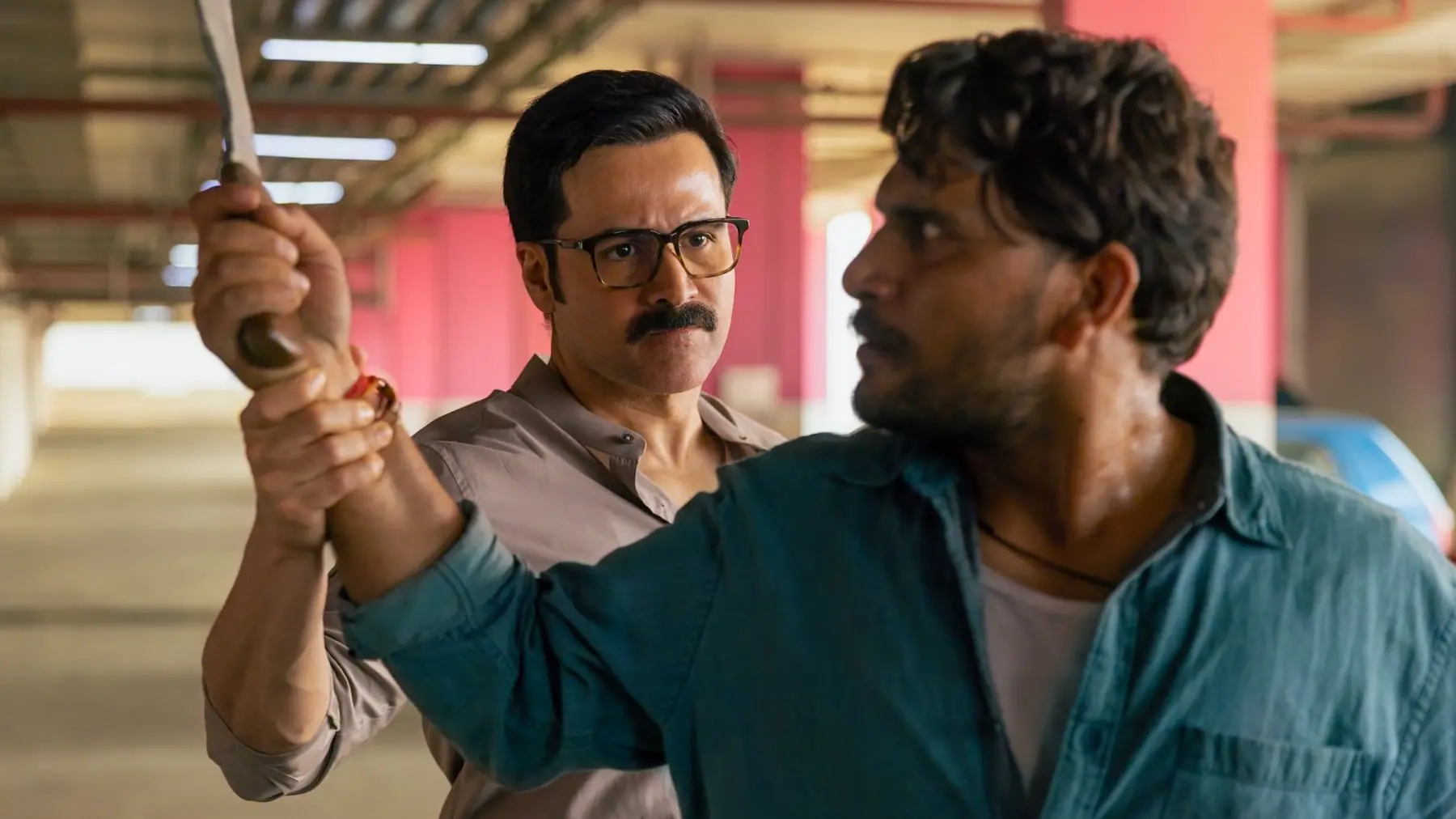
This structure allows the script to conceal twists and produce surprises. Pacing begins with a deliberate procedural tempo and accelerates as stakes rise. Early episodes dwell on inspections and paperwork. As the inquiry deepens, tension mounts through race-against-time scenarios. Pressure peaks during baggage checks and at gates before departures.
The second half introduces complications that lengthen the narrative. Some of those moves follow conventional theatrical beats intended to heighten drama. The background score borrows the energy of heist films to give customs work a modern edge. Sharp editing keeps the seven episodes moving briskly.
Thematic Undertones and Final Observations
The series reflects on the historical link between commerce and illicit trade. It advances the idea that smuggling often shadows legitimate exchange. That thematic framing expands the procedural concerns into broader implications. The narrative recognizes the quiet service of uniformed officers who protect national borders without public acclaim. The script examines grey areas of morality where survival pressures and duty clash. Integrity in such an environment remains a difficult commitment.
Characters are far from perfect. They try to perform their roles under intense pressure. Arjun Meena stays believable because he lacks supercop invulnerability. He approaches problems as a professional who uses skill and judgment. The cast’s variety creates a world that mirrors real enforcement complexity.
The show maintains that the struggle for honesty continues and that it depends on collective work. By centering the Customs Service, the series presents a workplace usually misunderstood on screen and gives it a distinct, procedure-driven identity.
Taskaree: The Smuggler’s Web premiered on January 14, 2026, and is currently available for streaming exclusively on Netflix. This Indian crime thriller follows a specialized customs unit at Mumbai International Airport as they work to dismantle a sophisticated international smuggling syndicate. The series offers a realistic and grounded perspective on the high-pressure environment of economic border protection and the personal toll on those who maintain its integrity.
Full Credits
Title: Taskaree: The Smuggler’s Web
Distributor: Netflix
Release date: January 14, 2026
Rating: TV-MA
Running time: 45 to 50 minutes per episode
Director: Neeraj Pandey, Raghav Jairath, B. A. Fida
Writers: Neeraj Pandey, Vipul K. Rawal
Producers and Executive Producers: Neeraj Pandey, Shital Bhatia
Cast: Emraan Hashmi, Sharad Kelkar, Amruta Khanvilkar, Nandish Sandhu, Anurag Sinha, Zoya Afroz, Jameel Khan, Hemant Kher, Freddy Daruwala, Virendra Saxena
Director of Photography (Cinematographer): Sudheer Palsane, Arvind Singh
Editors: Praveen Kathikuloth
Composer: Advait Nemlekar
The Review
Taskaree: The Smuggler's Web
The series provides a fresh look at a neglected government department. It replaces typical action with a focus on strategy and professional grit. While the second half leans into predictable drama, the grounded characters keep the narrative steady. The focus on economic borders and the high cost of honesty provides a welcome departure from standard thrillers. It succeeds as an engaging procedural that respects the intelligence of its audience.
PROS
- Detailed and realistic look at customs procedures.
- Relatable performance by the lead actor.
- Wide geographic scope across several continents.
- Focus on intellectual strategy rather than raw violence.
- Strong supporting cast that feels like a real team.
CONS
- Narrative momentum slows down in the middle episodes.
- Occasional reliance on predictable thriller clichés.
- Some secondary character backstories lack depth.
- The antagonist feels less threatening than the system itself.