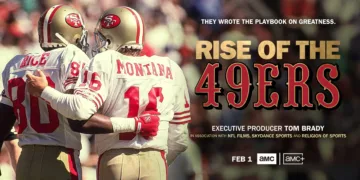




























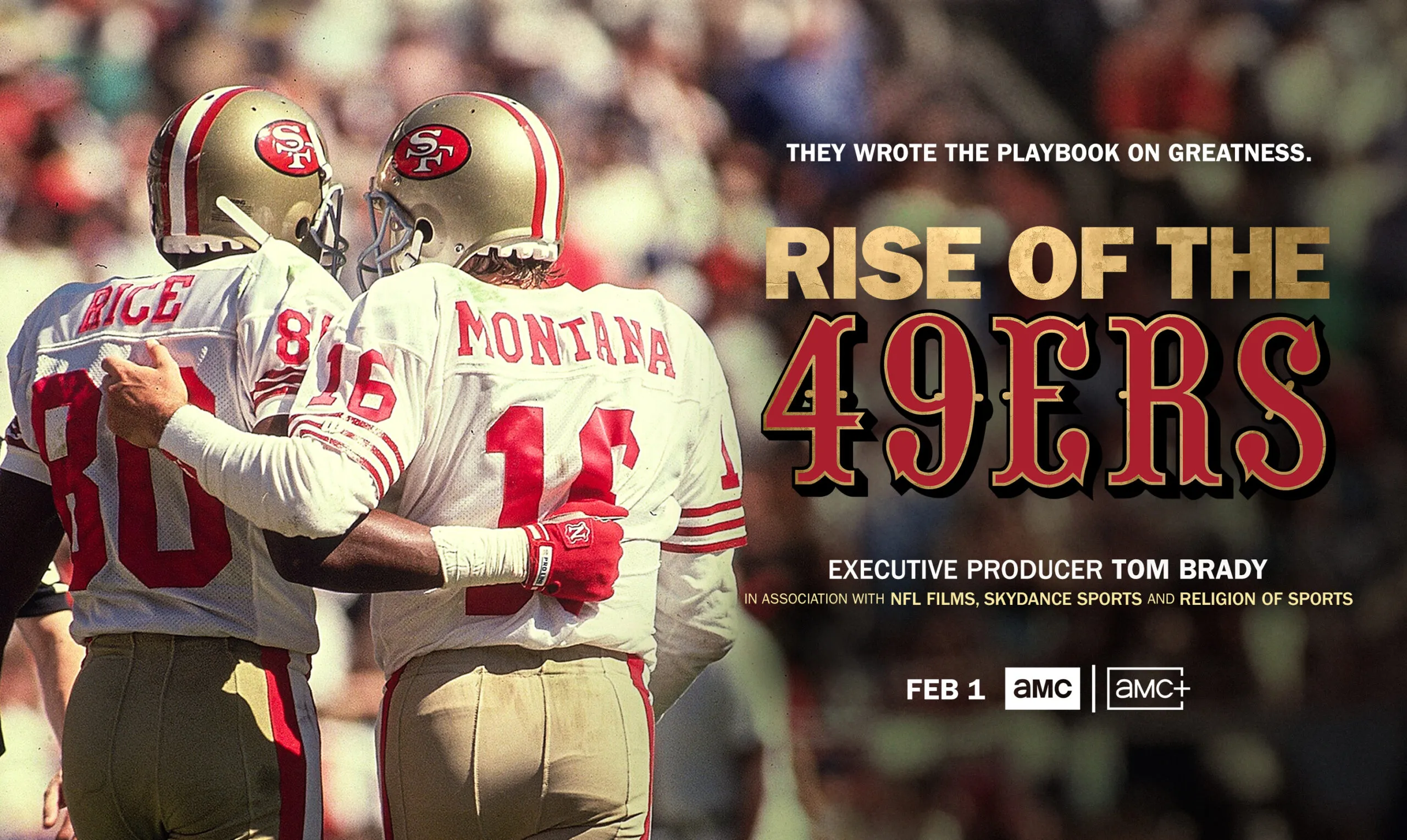

Rise of the 49ers arrives on AMC and AMC+ as a four-part docuseries that maps the rise of a sports power with unusual clarity. Executive produced and narrated by Tom Brady, it studies the San Francisco 49ers during their major shift in the late 1970s and 1980s. The opening presents a franchise in chaos, unable to secure stable footing in a punishing league.
From there, the series tracks a careful rebuild as the team moves from failure to dominance. That change reshaped the modern era of professional football through discipline, precision, and innovation. The filmmaking presents this history as the Gold Standard of sports lore, and the result feels grounded while carrying the sweep of cinema. By staying with this era, the docuseries shows how a group of rough-edged underdogs came to set the tempo for the sport. It plays as a study of organizational excellence and a relentless chase for a championship identity.
The Professor and the Private Archive
Head coach Bill Walsh emerges as the chief designer of the dynasty. His creation of the West Coast Offense changed football through finesse and strategic passing, replacing a model built on brute force. The series treats this shift with a level of attention that recalls parallel cinema from India, where craft, rhythm, and internal process receive the same weight that mainstream films often give spectacle. That comparison fits the material because Walsh’s methods are shown piece by piece, with patience and respect for structure.
The docuseries gains major depth from rare VHS recordings supplied by Walsh’s son, Craig Walsh. These tapes give a direct view of Walsh in meetings, teaching and refining strategy. He recorded those sessions so future generations of coaches could study his approach. The footage turns abstract praise into visible practice. Viewers see timing, language, repetition, and standards being shaped in real time.
Those archives also sharpen the portrait of Walsh’s perfectionism and connect it to owner Eddie DeBartolo Jr. The series frames their shared drive as a defining force in the team’s rise. The visual design strengthens that idea through old broadcasts and newspaper headlines that rebuild the period with texture and specificity. This material gives the documentary a strong historical footing and transforms it into a detailed study of institutional brilliance, with the same care for atmosphere that many archival-driven films use across global sports and political storytelling.
Gladiators in the Backfield
The series gives full space to iconic figures including Joe Montana, Steve Young, Jerry Rice, and Ronnie Lott. One of its central narrative anchors is the 1981 NFC Championship win, preserved in football memory through Dwight Clark and The Catch. The documentary treats that play as the base layer for what followed, a single moment that opened the path to sustained success.
Also Read






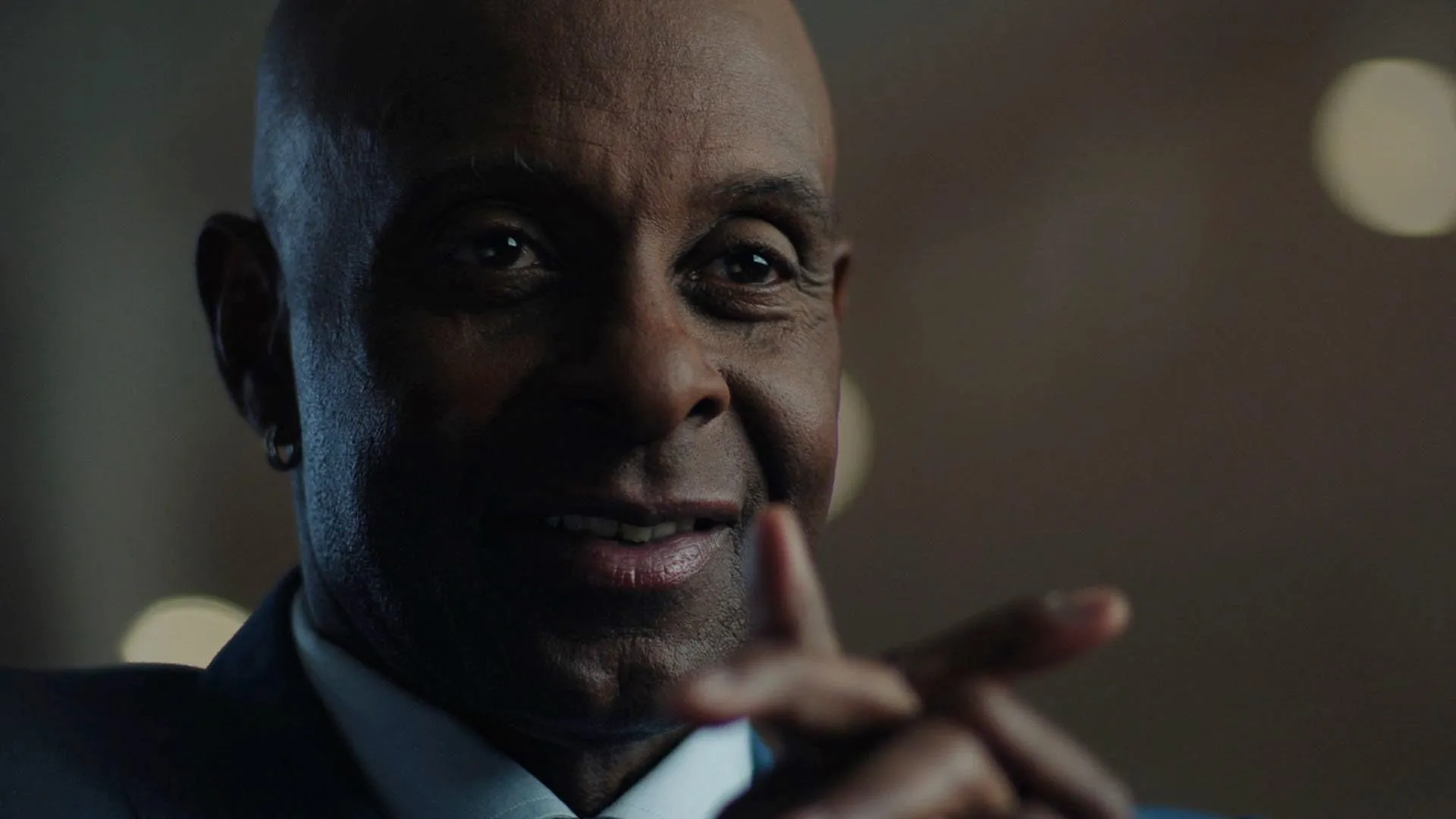
The storytelling also keeps its attention on conflict inside the team. The quarterback rivalry between Montana and Young becomes the main source of dramatic tension. Interviews are blunt and vivid. Montana holds firmly to his view that he was the better player. Young appears with a quieter determination, working toward the starting role with steady resolve. That friction gives the series shape and momentum, and it prevents the history from turning into simple celebration.
The docuseries moves through the 1987 players strike and the miraculous 1988 season with the same candid tone. The players speak openly about the pressure attached to maintaining a dynasty. Their reflections bring out the strain, doubt, and internal collisions that came with sustained success.
In sports documentaries from many countries, including cricket and football films from India, this kind of testimony often marks the difference between nostalgia and serious history. Rise of the 49ers lands in the second category because it keeps the difficult moments in view and lets them define the cost of greatness.
A Mirror to the City by the Bay
The series links the 49ers’ success to the social history of San Francisco with care and purpose. It recalls a dark period in the 1970s that included the Patty Hearst kidnapping and the assassinations of George Moscone and Harvey Milk. Against that backdrop, the team’s rise in the early 1980s takes on civic meaning. The 49ers become a source of healing and unity at a time when the city needed shared belief.
Tom Brady’s narration deepens that connection through his own relationship to the team. He grew up in San Mateo and went to games at Candlestick Park as a young fan. The series notes that he was in the stands as a four-year-old during The Catch game. That detail gives the narration a lived emotional charge, and it ties memory, fandom, and public history together in a way sports cinema often aims for but rarely achieves with this degree of intimacy.
A standout scene shows Brady playing catch with Jerry Rice. The sequence builds a bridge between the legacy of the 1980s and present-day football history. It adds warmth to the storytelling without pulling focus from the historical record. The documentary uses that moment to show continuity across generations, with Brady functioning as both narrator and witness.
By connecting team success to a city emerging from trauma, the series presents sports as a shared cultural symbol that can help restore public spirit. That thread gives Rise of the 49ers emotional and historical weight, and it places the docuseries in conversation with a global tradition of sports storytelling where victories matter because they carry the hopes of a community.
Rise of the 49ers premiered as a high-profile limited series event on February 1, 2026, on AMC and the AMC+ streaming platform. The four-part documentary chronicles the ascent of the San Francisco 49ers from a struggling franchise in the late 1970s to the “Team of the 80s” that revolutionized the NFL with the West Coast Offense. Narrated by executive producer and lifelong fan Tom Brady, the series utilizes rare, never-before-seen archival footage from NFL Films to provide an intimate look at the leadership of Bill Walsh and the intense internal rivalries that fueled five Super Bowl championships. Viewers can currently stream all episodes on AMC+ or watch via the AMC cable network.
Where to Watch Rise of the 49ers Online










Full Credits
Title: Rise of the 49ers
Distributor: AMC, AMC+
Release date: February 1, 2026
Rating: TV-14
Running time: 4 episodes (approx. 45–60 minutes per episode)
Director: Ryan Kelly, Nick Mascolo
Writers: Ryan Kelly, Nick Mascolo
Producers and Executive Producers: Tom Brady, Gotham Chopra, Ameeth Sankaran, Victor Buhler, Jesse Sisgold, Jason T. Reed, Jon Weinbach, Ross Ketover, Keith Cossrow, Ken Rodgers, Jessica Boddy, Nick Mascolo, Ryan Kelly, Dan Marks, Greg Economou
Cast: Tom Brady, Joe Montana, Jerry Rice, Steve Young, Ronnie Lott, Eddie DeBartolo Jr., Randy Cross, Craig Walsh, Bill Walsh, Liz Walsh, Bob Trumpy, Dwight Clark, John Elway
Director of Photography (Cinematographer): NFL Films Cinematography Team
Editors: NFL Films Editorial Staff
Composer: NFL Films Music Department
The Review
Rise of the 49ers
Rise of the 49ers succeeds as a meticulous exploration of a sports dynasty. The inclusion of Bill Walsh’s private recordings provides a rare technical depth that few documentaries achieve. By linking the team's victory to the recovery of San Francisco, the series offers a grounded cultural perspective. Tom Brady’s narration adds a layer of genuine reverence. This production stands as a polished tribute to the precision and friction that define greatness. It is a necessary watch for those seeking to understand the intersection of leadership and community identity.
PROS
- Extraordinary use of rare archival footage and personal recordings.
- Candid and blunt interviews from legendary players like Montana and Young.
- Strong historical context regarding the social climate of San Francisco.
- Meaningful narration that connects past legends to modern football.
CONS
- Limited focus on the seasons following 1988.
- High level of technical football detail might feel dense for casual viewers.