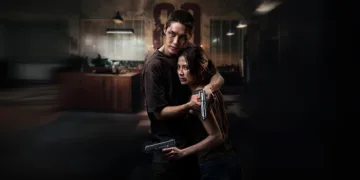



















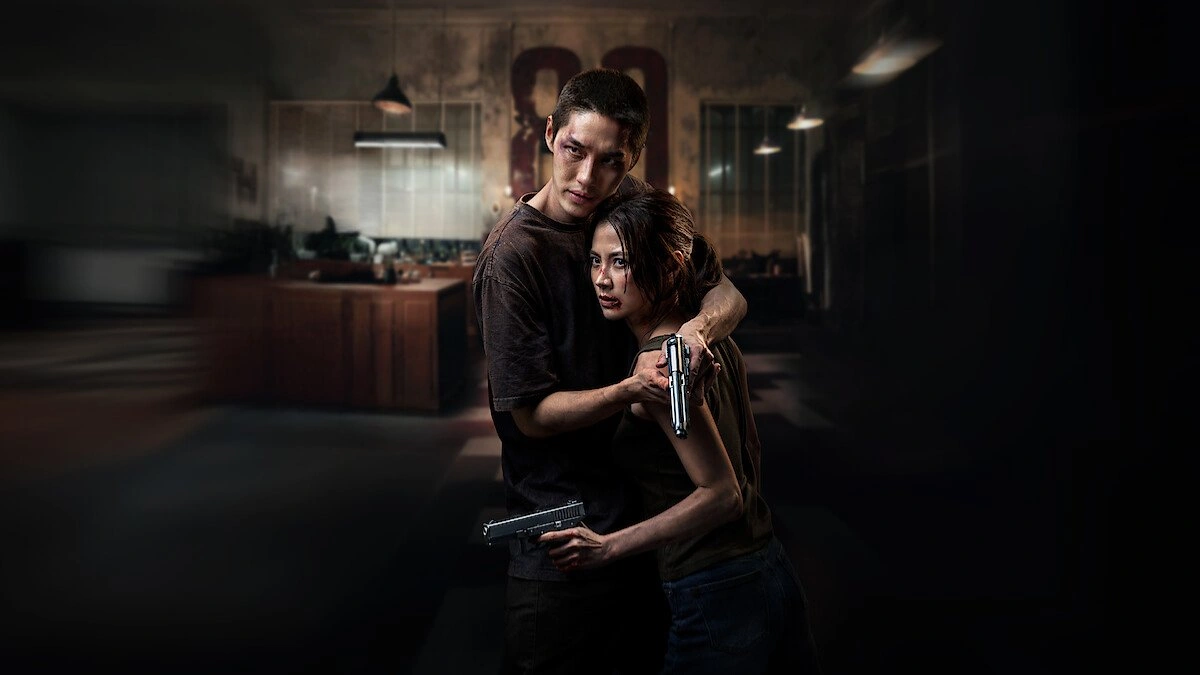

Liquid value defines Lhan’s existence. Her veins carry aurum blood, a substance treated as a biological gold mine by the elite. Wealthy people hunt her in pursuit of longevity, turning her body into a commodity before she has the power to define herself. The tragedy begins in Vietnam, where a violent kidnapping attempt leaves her parents dead.
That trauma shapes her earliest sense of the world, a world where safety can vanish in a single brutal moment. She eventually finds refuge in House 89, a secret assassin collective hidden behind a secondhand furniture warehouse in Bangkok. Po leads the group and brings her into a life of hidden blades, dusty tables, and carefully concealed danger.
Lhan spends years in isolation, growing from a frightened child into a young woman trained inside a strange sanctuary. The warehouse setting gives the film one of its sharpest visual ideas. Its muted, ordinary surfaces conceal lethal discipline, which makes every domestic corner feel faintly charged. Various factions continue to pursue her rare blood, and the premise gives the film its strongest cultural hook: a human life reduced to supply.
Her struggle becomes a fight for bodily autonomy, with Lhan positioned as a prize for people who see her as a resource. Her safety depends on the same killers who keep her hidden, and that tension gives the early stretch its nervous pulse. The script presents aurum blood as a rare element capable of saving lives instantly, a device that keeps the stakes high. Lhan begins as a victim of circumstance, then learns survival inside a house built for violence.
The Language of Shared Silence
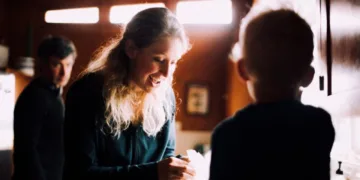
The story draws its deepest feeling from the quiet exchanges between its central trio. Baifern Pimchanok Luevisadpaibul gives Lhan a restrained strength, letting pain register through posture and silence before it reaches speech. Tor Thanapob Leeratanakachorn plays Pran with stoic intensity, and the connection between Lhan and Pran grows through small rituals.
They paint each other’s nails. They enjoy a sudden downpour. These moments feel like access to a private world, the kind of emotional shorthand I remember from older Thai dramas where domestic gestures carried as much tension as direct confession.
M forms the third corner of the group. His presence brings unspoken friction, especially in the way he watches from a distance. Lhan’s major shift comes as she moves from protected asset to active fighter. The training sequences stand out because they treat lethal instruction as physical intimacy. Every block and punch plays like a conversation. The lessons replace conventional romantic dialogue, giving the film a tactile language for trust, fear, and desire. Learning to kill becomes a way for Lhan and Pran to understand each other.
Phurek serves as the primary threat and joins forces with Chaba, a flamboyant killer whose wild energy changes the screen’s temperature. Their arrival forces the trio to test the strength of their bond. Lhan chooses action over passive rescue, claiming her own power and reshaping her connection with Pran and M.
Their friendship becomes a tactical alliance. The training scenes point out vulnerable parts of the human anatomy, with the camera lingering on closeness and pressure. The film understands the thin line between love and violence, especially for characters who have learned touch through danger. Lhan finds her voice through the aggression that once defined her pain.
A Visceral Technical Palette
Director Taweewat Wantha brings a clear intensity to the screen. His horror background shows in the suspense, especially during pursuit scenes where space feels unsafe before anyone attacks. The action sequences draw from heroic bloodshed traditions, and I found myself thinking about late-eighties classics while watching the way bodies, bullets, and loyalty collide. The film uses those influences without letting them feel purely decorative.
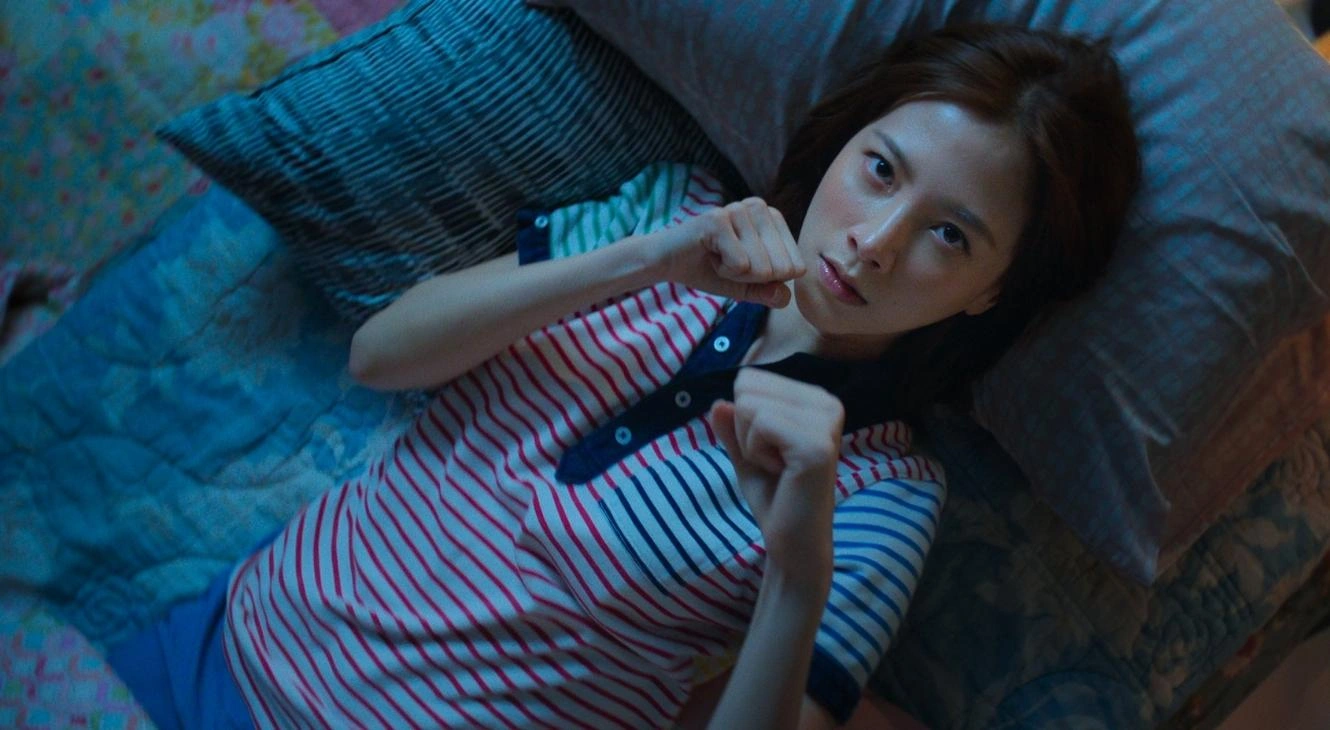
The choreography feels grounded. Every hit carries weight, which matters in a film built around bodies as both weapon and target. The cinematography uses close-ups to catch fear and resolve in the characters’ faces, then shifts to wide shots during the gunfights so the viewer can read the movement.
That clarity gives the action a welcome sense of geography. The editing keeps the fights sharp and avoids the chaotic style common in many modern blockbusters. Slow motion appears at select moments to stress a specific impact, bringing out the bone-breaking force of the combat.
The sound design has the same careful intent. Furniture cracks sharply. Heavy strikes land with a dull, unpleasant thud. During quieter passages, electronic pop music creates a dreamlike atmosphere, softening the edges of a story filled with pursuit and blood. The visual language moves between the dark warehouse and the bright streets outside, reflecting the danger Lhan faces each time she leaves her sanctuary.
Explosives appear often, and practical effects give the fires and gore a convincing physical presence. Wantha uses his horror instincts to make the chase scenes feel urgent. Every shadow seems capable of hiding a threat. The fights remain the film’s strongest feature, built with skill, planning, and precise stunt work. That technical polish makes the action sequences linger longest in memory.
The Tonal Divide
The film tries to fuse the sweetness of romance with the brutality of an action thriller, and the 127-minute runtime exposes the strain in that mix. Certain passages feel slow, with subplots that offer limited momentum for the main story. I often look for tight structure in genre films, and this one wanders through several emotional beats before finding its pace again. The found-family theme is strong, yet it sometimes gets buried beneath the assassin mythology.
Lhan lives through many major events, and the film makes her actions clear. Her inner world can feel distant. That gap makes it harder to connect with the reasons behind her fear, anger, and attachment. The villains also weaken the tension when they fumble easy chances to capture the protagonists. The threat loses force each time the pursuit depends on missed opportunities.
The ending offers a surprising moment, followed by a mid-credits epilogue that revisits the final scene. That addition changes the emotional impact of the resolution and reduces the weight of the earlier payoff. I found the choice frustrating, since it gives the impression that the filmmakers lacked confidence in their first ending. The attempt to combine these modes has energy and curiosity, yet it needs firmer control. A shorter runtime could keep the film’s pulse high. The focus on aesthetics sometimes overwhelms the story’s needs.
The film remains a notable example of modern Thai cinema with visible flaws. Its length may tire some viewers, and a leaner cut would strengthen its impact. Watching it reminded me of long afternoons spent in theaters in my youth, where ambition could carry a film through rough patches even when the script needed tightening. I appreciate that ambition here. The genre balance proves difficult, and this film lands its action with force while stumbling through parts of its narrative flow.
The Thai action-romance film My Dearest Assassin (original title: Lueat Rak Nakkha) premiered globally on Netflix on May 7, 2026. Directed by Taweewat Wantha, the film tells the story of a young woman named Lhan who is hunted for her exceptionally rare blood type. After being rescued by a secretive clan of assassins known as House 89, she grows up within their ranks and must eventually choose to fight alongside her protectors to secure her freedom. You can currently stream the movie exclusively on Netflix.
Where To Watch My Dearest Assassin (2026) Online


Full Credits
Title: My Dearest Assassin
Distributor: Netflix
Release date: May 7, 2026
Rating: TV-MA
Running time: 127 minutes
Director: Taweewat Wantha
Writers: Watthana Veerayawatthana
Producers and Executive Producers: Thananuj Ebrahim, Watthana Veerayawatthana, Oraphan Arjsamat
Cast: Pimchanok Luevisadpaibul, Thanapob Leeratanakachorn, Sivakorn Adulsuttikul, Toni Rakkaen, Chanudom Suksatit, Chartayodom Hiranyasthiti, Dan Chupong, Kessarin Ektawatkul, Natthaya Ongsritragul, Teerawat Mulvilai, Namo Rebillet
The Review
My Dearest Assassin
My Dearest Assassin offers a visceral look at the intersection of biological commodity and found family. The action sequences showcase a technical precision that honors the legacy of heroic bloodshed cinema. However, the narrative struggle between tender romance and brutal violence results in a disjointed pace. The long runtime and the confusing epilogue diminish the emotional stakes established by the cast. It is a stylish effort that fails to find a cohesive voice.
PROS
- Grounded fight choreography with impressive physical weight.
- Natural chemistry between Baifern Pimchanok Luevisadpaibul and Tor Thanapob Leeratanakachorn.
- Atmospheric sound design that emphasizes the impact of combat.
- Effective use of practical effects and explosives.
CONS
- Excessive runtime leads to significant pacing issues.
- Underdeveloped internal motivations for the protagonist.
- Villain logic occasionally undermines the sense of threat.
- The unnecessary epilogue undercuts the original emotional payoff.