
























![Kingdom Hearts Collection [I-III] Review](https://gazettely.com/wp-content/uploads/2026/10/Kingdom-Hearts-Collection-I-III-1-360x180.webp "Kingdom Hearts Collection [I-III] Review: KHII Holds Steady as Newer Entries Fluctuate 37")



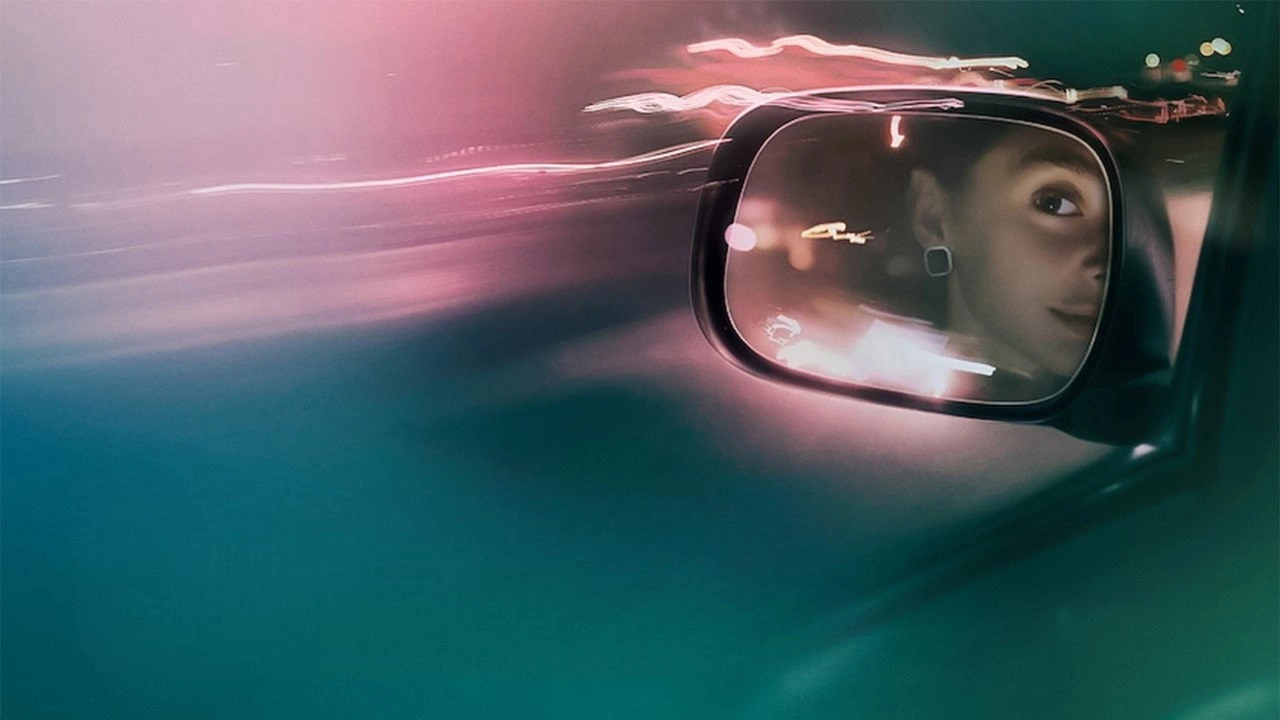

A brick wall in Strongsville, Ohio, became the end point for a vehicle moving at one hundred miles per hour on July 31, 2022. Seventeen-year-old Mackenzie Shirilla survived inside the car. Her boyfriend Dominic Russo and their companion Davion Flanagan died instantly.
At first, the crash looked like a devastating vehicle accident. That reading collapsed once investigators pulled the black-box telemetry and matched it with local surveillance footage. The data showed deliberate pressure on the accelerator, a total absence of braking, and a fixed route into the building. Gareth Johnson’s Netflix true-crime documentary The Crash (2026) follows the process that turned physical data into a double murder case.
The film moves from that violent morning to the 2023 courtroom trial, where a judge gave Shirilla two concurrent sentences of fifteen years to life. The opening minutes work through pure event logic: speed, impact, direction, and force. That choice gives the film an immediate charge, presenting kinetic energy as a murder weapon with chilling clarity.
The Architecture of the True-Crime Loop
The ninety-two-minute film runs on a tight structure that echoes the rhythm of modern episodic streaming crime stories. Johnson breaks the timeline into three clean acts, using familiar genre patterns to hold attention. Act One throws the viewer into the wreckage and lets the physical space set the terms.
Unedited police bodycam footage and the rough voices of first responders create a harsh sense of proximity. The horror comes from geography, impact, and emergency response, almost like an interactive scene where every visible detail tells the audience how to read the damage.
Act Two shifts into character and motive. The film reconstructs the volatile, toxic relationship between Mackenzie and Dominic, using that interpersonal history to frame the case. Act Three aims for the familiar final-level reveal through a direct prison interview with Shirilla. In the final minutes, Johnson changes the angle of the story, pushing the viewer to question the certainty built across the earlier sections.
The pacing keeps the screen active and the viewer engaged. Its design is easy to read, with suspense spikes placed exactly where the true-crime template expects them. That same design limits the film. The rigid template keeps the runtime fast, yet it compresses the historical timeline and turns a real tragedy into a sequence of expected plot beats.
The Pixelated Persona and Fractured Perspectives
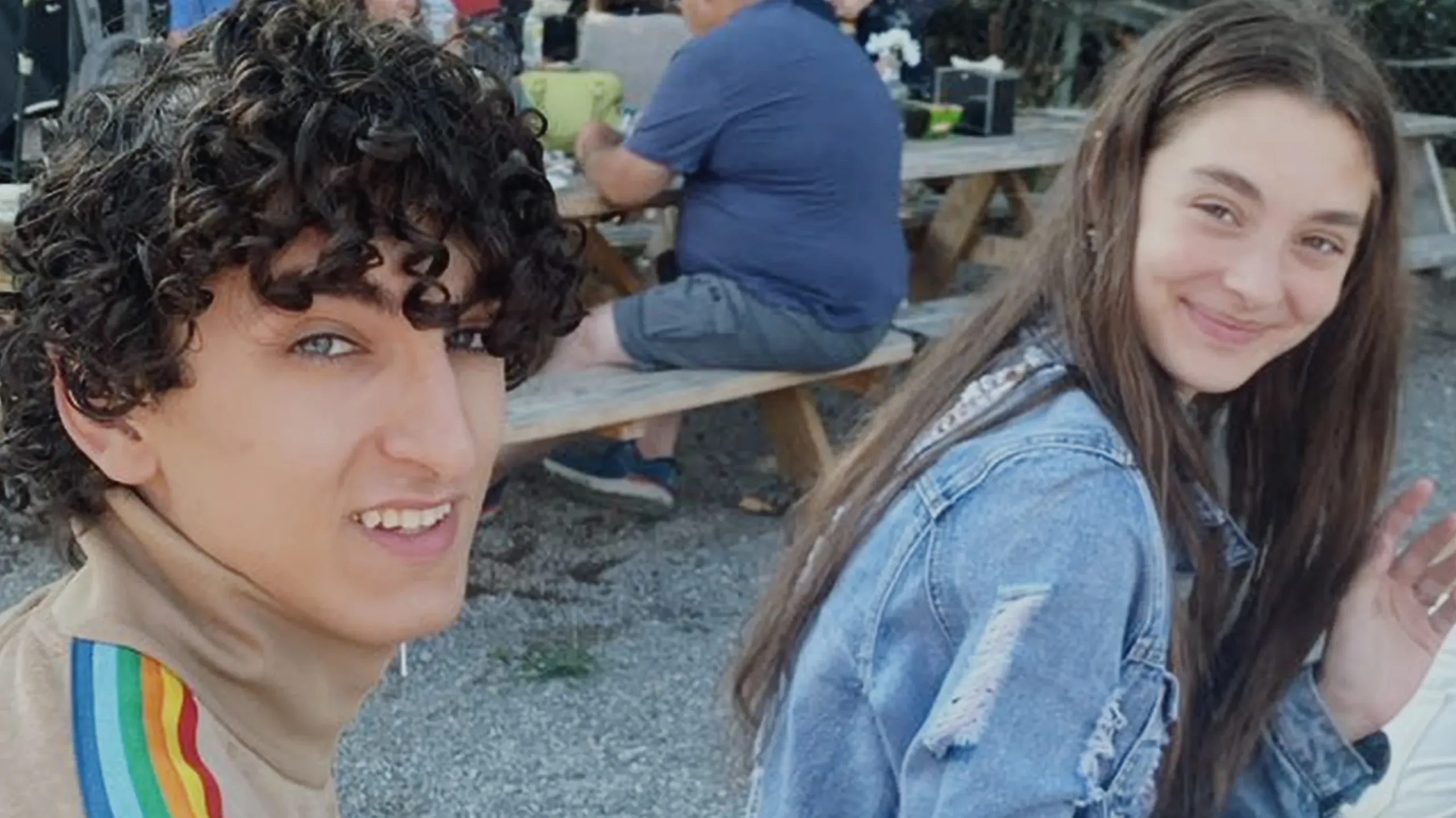
The film’s visual design draws heavily from the digital archive left by the teenagers. Mackenzie Shirilla’s social media footprint becomes the main storytelling system. TikTok uploads, smartphone selfies, and short videos fill the screen, recording casual drug use, posturing, and carefully staged expressions.
Johnson uses this archive to raise questions about identity in modern life, asking the viewer to judge how far an online profile can reflect a person’s character or performance. One pointed example arrives through footage of Shirilla dressed as a corpse for a Halloween party a year after the deaths.
That digital material creates a cold, unsettling pressure against the human testimony. Steve and Natalie Shirilla, the driver’s parents, give defensive and highly uncritical statements that push the viewer away. Their lack of objectivity makes them seem blind to the reality of their daughter’s actions.
The strongest emotional force comes from the families of the deceased. Dominic’s sister and Davion’s father, Scott Flanagan, bring a grounded sadness the film badly needs. Their quiet grief cuts through the noise of the social media material, especially during the discussion of the memorial barber school scholarship created to honor Davion after his sports career ended.
Editorial Shortcuts and Empty Rhetoric
The documentary shows serious analytical gaps, using a surface-level approach to complex cultural material. Johnson leans on repeated social media pouts and poses as a storytelling shortcut, replaying clips with little investigation of the human motives beneath them. The choice reveals a weakness in the film’s editorial thinking. The production includes no professional psychological analysis and skips any meaningful study of adolescent sociopathy or dangerous toxic relationship dynamics.
The same problem appears in its treatment of internet culture. The film gestures toward a study of contemporary online identity, then settles for cheap graphics of text comments sliding across the screen and synthetic notification pings. The style copies the frantic rhythm of online feeds without adding clear editorial insight. The finished piece sits uneasily between serious journalism and tabloid exploitation, favoring sensational hooks over careful remembrance of the victims.
Its heavy focus on the perpetrator’s self-curated digital image, paired with a timeline built around dramatic turns, makes the tragedy feel packaged as entertainment. Johnson trades thematic depth for quick shock, leaving a hollow documentary that mirrors the shallow platforms it uses as evidence.
The true-crime documentary film The Crash premiered globally on May 15, 2026. Audiences can stream the feature-length production exclusively on Netflix with a subscription. The project reconstructs the tragic events surrounding a 2022 vehicular collision in Ohio, detailing the subsequent investigation, legal proceedings, and trial outcome using a blend of real-time evidence and firsthand accounts.
Where to Watch The Crash (2026) Online


Full Credits
Title: The Crash
Distributor: Netflix
Release date: May 15, 2026
Rating: TV-MA
Running time: 92 minutes
Director: Gareth Johnson
Producers and Executive Producers: Angharad Scott, Rebecca North, Jonny Taylor
Cast: Mackenzie Shirilla, Scott Flanagan, Natalie Shirilla, Steve Shirilla, Rosie Graham, Dominic Russo, Davion Flanagan
Composer: Jessica Jones
The Review
The Crash
The Crash functions primarily as a formulaic streaming product that prioritizes shallow sensationalism over deep investigative analysis. The reliance on repetitive digital archives exposes a severe lack of editorial insight, turning a profound human tragedy into a series of predictable plot beats. While the dignified contributions from the victims' families offer brief moments of genuine emotional grounding, the production favors cheap shock value over substance. It remains a hollow viewing experience that replicates the shallow nature of internet culture.
PROS
- Features powerful and dignified interviews with the victims' families, specifically Scott Flanagan.
- Utilizes raw police bodycam footage effectively to establish immediate physical stakes.
- Maintains fast structural pacing that keeps viewer engagement high throughout the runtime.
CONS
- Exhibits a heavy over-reliance on repetitive social media selfies as a narrative shortcut.
- Suffers from a complete absence of professional psychological analysis or expert commentary.
- Adheres strictly to predictable true-crime formulas, which prevents original storytelling.
- Displays an editorial slant that shifts into tabloid exploitation rather than serious journalism.







