









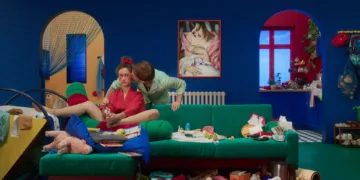













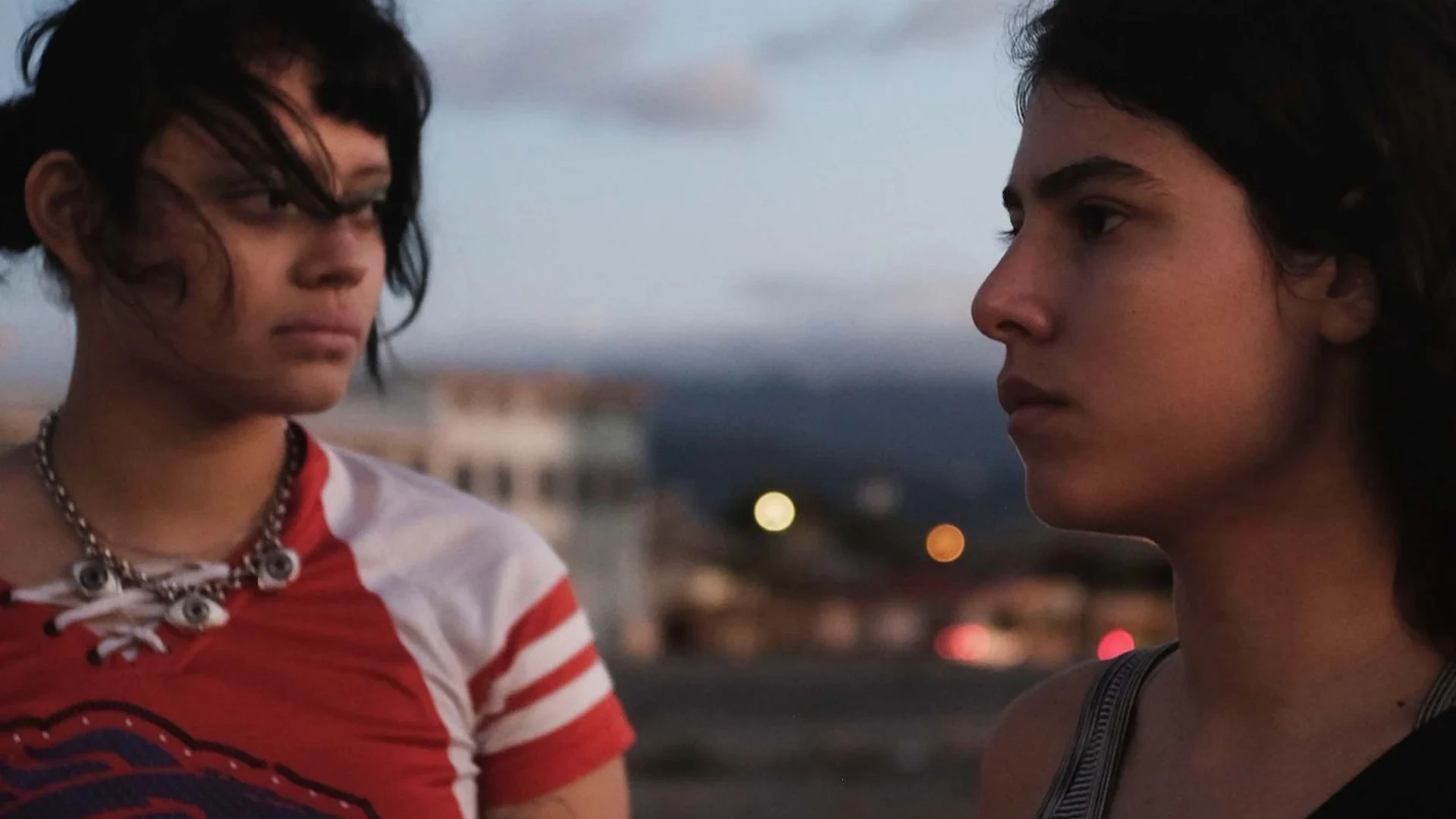

I often think back to my own college years, when coming home felt like walking into a time capsule with a crack running through it. In Valentina Maurel’s film Forever Your Maternal Animal, that homecoming arrives with a harsher emotional charge. Elsa, a twenty-eight-year-old anthropology student, returns to San José, Costa Rica, after years of study in Belgium. She finds her childhood home in ruins of a domestic kind.
Her twenty-year-old sister, Amalia, has left university, changed the front door locks, and sealed herself inside a cluttered, neglected house. Their estranged parents remain absent in every practical sense. Their mother, Isabel Rivera, is a poet absorbed in a promotional tour for her erotic poetry collection, concealing plastic surgery bruises behind dark sunglasses.
Their bohemian father, Nahuel, drifts through casual affairs with younger partners, blind to his daughters’ urgent material needs. Elsa is left to repair what she can and slides into a maternal role she never asked for. Maurel works through the dry, observational realism often found in international independent cinema, steering away from mainstream plot machinery. The story studies the friction that rises when Elsa tries to impose Western order on a household ruled by emotional disorder.
Family Fractures and Quiet Performances
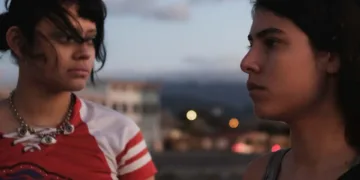
The psychological pressure between these characters emerges through precise behavioral details. Daniela Marín Navarro plays Elsa with the weight of sustained emotional exhaustion. Her anxiety registers in silent pauses and small facial shifts.
Elsa carries a private instability that keeps pressing against her attempts at control. Her long-distance relationship with her boyfriend Sven is collapsing across continents, pushing her toward detached, transactional sexual encounters inside the clinical chill of a sterile Airbnb.
Mariangel Villegas gives Amalia a volatile energy shaped by extreme isolation. Amalia locks doors, lashes out in defensive tantrums, and moves through the house with deep paranoia. Her withdrawal also takes a spiritual form. She says a Caribbean spirit named Dorlis assaults her at night, then reframes that terrifying experience as intimacy.
Her world fills with dangerous figures, including a self-proclaimed hitman and a hostile dog breeder. Villegas reaches her emotional peak in a quiet scene alone in bed, allowing the accumulated sadness of the family to pass across her face.
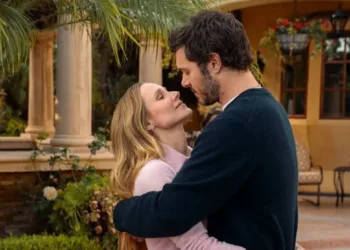
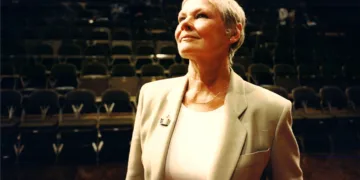
The parents intensify this alienation. Marina de Tavira portrays Isabel Rivera as an egocentric mother who uses pseudo-feminist rhetoric to dodge maternal responsibility. Consumed by her book The Grammar of Bodies, she hides her post-surgery bruising and brushes away Elsa’s concerns, telling her daughter that everyone must find a path of their own.
Reinaldo Amién plays Nahuel with an easy bohemian detachment. He shares explicit photos of his young partner and gives his daughters cheap, careless presents, including ill-fitting running shoes discarded by his girlfriend.
The Shaking Frame and Urban Noise
Maurel’s technical approach mirrors Elsa’s internal panic with impressive directness. Cinematographer Nicolás Andrés uses frantic handheld camera movement, rejecting the polished, stabilized surface associated with mainstream Hollywood features. The frame shakes and rocks, giving Elsa’s frayed nerves a visual rhythm. The camera follows her closely, rushing behind her as she moves through spaces at high speed, creating a nervous physical momentum.
This restless visual style turns San José into a hostile psychological space. The film avoids the postcard image of Costa Rica and gives us crowded streets, gridlocked traffic, and suffocating urban pressure. The city feels alive, aggressive, and ready to close in. The graffiti word “puta” appears again and again on city walls and domestic surfaces, a harsh visual accusation that seems to pursue Elsa from place to place.
My own travels through bustling Central American hubs came back to me here, especially that strange sensation of being swallowed by a city before you have learned its rhythm. Maurel captures that feeling with sharp, unsentimental clarity.
The sound design deepens this isolation. Loud, sudden automobile noise repeatedly pushes into scenes, crowding the characters’ dialogue and forcing the viewer to feel the city’s overpowering presence. The musical score works with the same intention. It offers tense, disquieting textures that build a steady sense of dread. The film generates enormous tension through mood, rhythm, and pressure, avoiding the need for conventional escalation or dramatic twists.
Fractured Homes and Uneasy Coexistence
The film’s deepest conceptual force comes from its study of cultural dislocation. After years of studying anthropology in Belgium, Elsa looks at her home through a rational, Western lens. Her family rejects this structured response to Amalia’s crisis, treating Elsa’s interventions as an alien European projection. Her long absence has changed her memory of Costa Rica, leaving her poorly equipped for the messy domestic reality in front of her. She becomes stranded between two worlds, fluent in analysis and painfully awkward in practice.
That disconnect reshapes every family role. The title reflects Elsa’s transformation into an animalistic, protective proxy mother for her younger sister. Generational care has collapsed inside this household. Isabel has abandoned her maternal duties, and the sisters’ former nanny, once a source of stability, has retired and shows early signs of dementia. Elsa carries a burden she did not choose, and the film understands how ugly care can feel when it arrives through panic and resentment.
Maurel challenges mainstream expectations by withholding comfort. The script avoids a neat psychiatric label for Amalia and steers clear of a warm family reunion. The narrative brings the viewer toward the recognition that these people must live with lasting psychological fractures. The film values emotional truth over polished Hollywood closure, suggesting that survival can mean accepting uneasy coexistence in place of a tidy cure.
Forever Your Maternal Animal made its official world premiere on May 16, 2026, during the Cannes Film Festival, screening inside the Un Certain Regard section. As a fresh festival title, the film is currently making its rounds on the international circuit. Audiences looking to watch the feature will need to wait for upcoming announcements regarding its theatrical distribution and future streaming availability.
Full Credits
Title: Forever Your Maternal Animal
Distributor: Cinéart, JHR Films, Heretic
Release date: May 16, 2026
Running time: 108 minutes
Director: Valentina Maurel
Writers: Valentina Maurel
Producers and Executive Producers: Benoît Roland, Grégoire Debailly, Nicolás Celis
Cast: Daniela Marín Navarro, Mariangel Montero, Marina de Tavira, Reinaldo Amién Gutiérrez
Director of Photography (Cinematographer): Nicolás Andrés, Nicolás Wong
Editors: Paula Carvajal Avilia, Bertrand Conard
The Review
Forever Your Maternal Animal
Forever Your Maternal Animal stands as a brilliant piece of modern observational cinema. Valentina Maurel avoids cheap melodrama, presenting a raw look at household fracture and identity. The performances ground the script, while the technical execution keeps the tension high. It offers an authentic look at the friction between expectations and home realities.
PROS
- Powerful, deeply grounded lead performances from the main cast.
- Evocative handheld cinematography that mirrors internal anxiety.
- An honest script that rejects simple, tidy resolutions.
CONS
- The deliberate pace might challenge certain viewers.
- Minor supporting characters receive less development than the main trio.