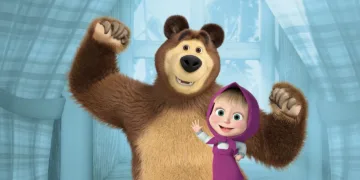












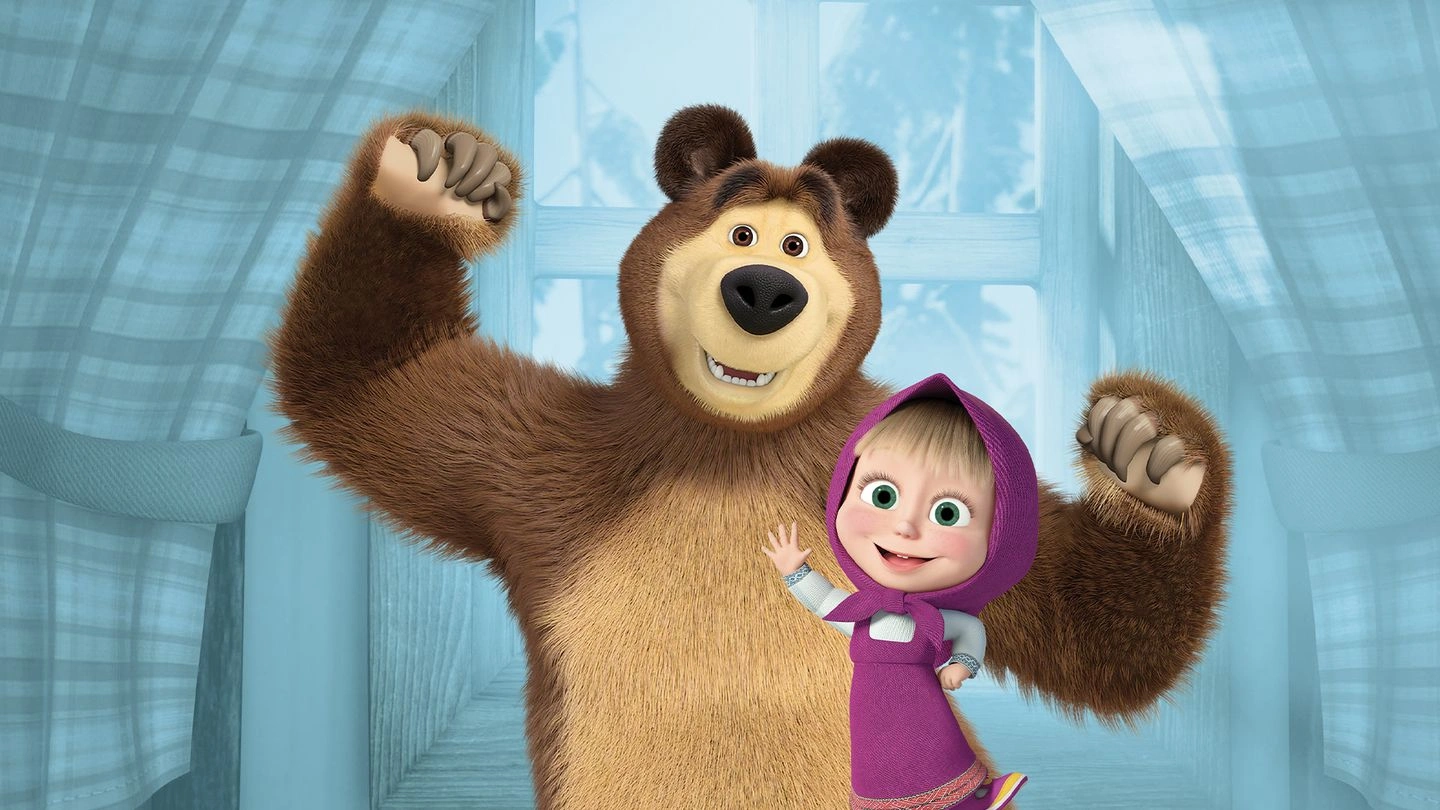

Netflix has locked in two new seasons of Masha and the Bear and widened its existing rights package for the Russian animated series, extending the platform’s hold on one of the most-watched children’s franchises on the planet. The streamer acquired Seasons 8 and 9 of the Animaccord-produced show, while also securing continued rights to Seasons 1 through 7 and spin-off titles Masha’s Tales and Masha’s Spooky Stories.
The deal covers more than 100 countries. In Europe it encompasses France, Portugal, the Nordic region, and the Benelux countries; in Asia it includes India, Japan, Korea, and Malaysia; and it also extends across the Middle East and Latin America.
The breadth of the agreement reflects the show’s unusual reach for an animated property that originated outside Hollywood — its popularity on YouTube and Netflix has placed it among the top global preschool franchises alongside Cocomelon, Peppa Pig, and PAW Patrol.
The new seasons will take Masha to kindergarten for the first time and introduce the Yeti family in a winter adventure, alongside event-style episodes and significant character moments, according to Animaccord. The dedicated Masha YouTube channel carries 55 million subscribers, with the show continuing to run on the platform alongside its Netflix presence. The series holds the Guinness World Record for most-watched cartoon on YouTube, with over 4.4 billion views on a single episode and 100 billion views accumulated across its channels worldwide.
The Netflix deal arrives at a complicated moment for the franchise. Series creator Oleg Kuzovkov recently launched a new independent company, Studio MiM, after the expiration of his exclusive licensing agreement with Animaccord, and has begun pre-production on the first Masha and the Bear feature film — a project that represents a creative separation from the Animaccord series, targeting a production pipeline completion by the end of 2028. Studio MiM describes the film as a “rebooted vision” of the characters that retains the franchise’s signature comedic warmth.
That split means the property now runs on two parallel tracks — Animaccord continuing to produce new series content for Netflix, and Kuzovkov pursuing a theatrical future independently. For Netflix, the calculus is straightforward: few children’s properties outside the English-language market deliver this kind of sustained global engagement, and locking up nine seasons and two spin-offs keeps a reliable traffic driver firmly on the platform.