



















A statistic saying that over half of transgender boys attempt suicide can clarify the scale of a crisis while simultaneously flattening the people inside it. What Will I Become?, directed by Lexie Bean and Logan Rozos, spends its strongest passages resisting that flattening. Blake Brockington and Kyler Prescott, two trans teenagers who died by suicide in 2015, are restored here through voice, photographs, music, home video, testimony, and the small details by which a person remains recognizable after death.
Bean and Rozos appear on camera as survivors themselves, yet their presence functions mainly as connective tissue. Their question is less about explaining suicide than examining the conditions surrounding young trans lives: where belonging disappears, how institutions turn vulnerability into danger, and how a child imagines adulthood without many adults who resemble them. The title quietly contains that last problem. Becoming requires some evidence that a future exists.
Two Boys, Two Archives
Blake arrives with an abundance of material. Interviews capture his confidence, his humor, his activism, and the enormous public visibility that followed his historic election as a school king in North Carolina. He played music, participated in sport, advocated for trans youth and Black lives, and became an online figure whom younger trans boys could look toward.
The footage also complicates the inspirational version of that story. Discussion of foster care visibly dims Blake’s energy. Rejection from relatives, exclusion from organized sport, and the abuse directed at him after his school victory expose the price attached to being publicly legible. Visibility can create representation while making someone easier to target. The documentary never treats those two facts as mutually cancelling.
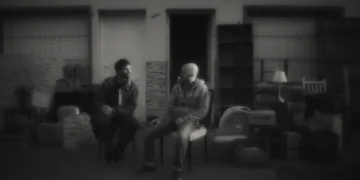
Kyler Prescott survives in the film through a different archive. There is far less moving footage, so his parents, photographs, writing, animation, and a brief sequence of him playing piano carry greater weight. He emerges as gentle and artistic, a boy who loved animals and music rather than the camera.
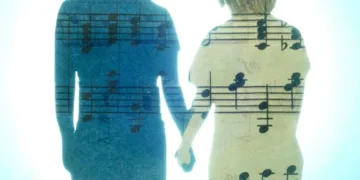
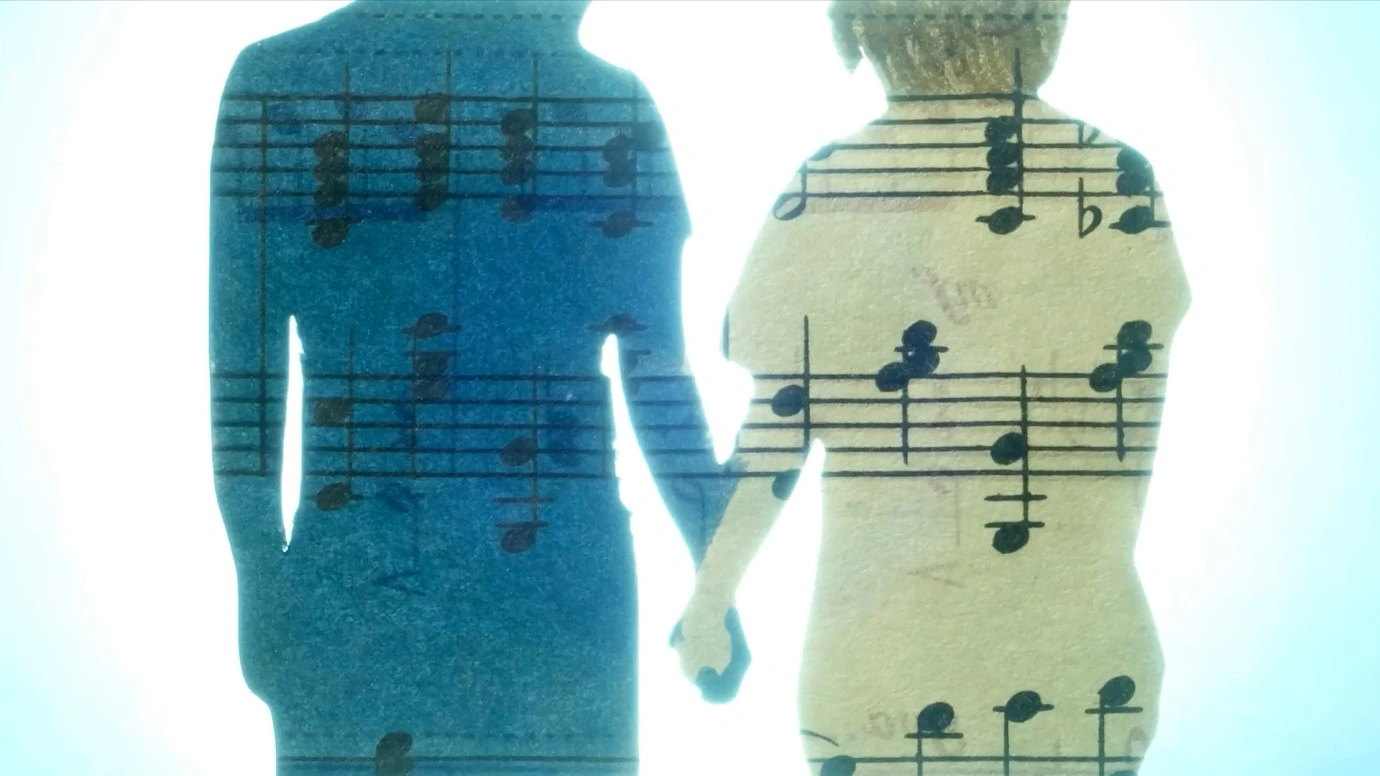
One of the film’s finest choices transforms Kyler’s writing into a song performed by queer and trans musicians. It could easily have become sentimental manufacture. Instead, the sequence respects the distance between preservation and resurrection. His words are given sound without pretending cinema can return their author.
Placing these boys beside each other also rejects the search for a convenient profile of trans suffering. Blake was outspoken and publicly celebrated. Kyler was quieter and had supportive parents. Neither biography provides the comforting explanation that one correct household, personality, or amount of courage can defeat every surrounding pressure.
When Acceptance Is Insufficient
Kyler’s family gives the film one of its hardest arguments. His parents could recognize and love their son, yet medical institutions could still misgender and diminish him during periods when competent care mattered desperately. Family acceptance remains essential. The documentary refuses to treat it as a magical shield against hostile schools, hospitals, policies, and social customs.
Blake’s history traces another network of failures. Family rejection leads into foster care. Sporting spaces withdraw belonging. Public recognition attracts harassment. An achievement that should have expanded his world instead brings another wave of scrutiny and hate.
This is where What Will I Become? is most politically exact. The familiar language of resilience places an extraordinary burden on children: survive the system that keeps injuring you, then allow society to celebrate your survival as evidence of progress.
Bean and Rozos counter that logic by visiting resources created within trans communities. Trans Lifeline offers peer support. Darb Garb provides gender-affirming accessories. T-Man creates spaces where younger people can encounter older trans men. These scenes can occasionally feel appended to the richer Blake and Kyler material, yet their presence serves a necessary purpose. Support here is practical, social, embodied. Someone answers the phone. Someone makes the object. Someone shows up older.
Safety, Memory, and the Right to Age
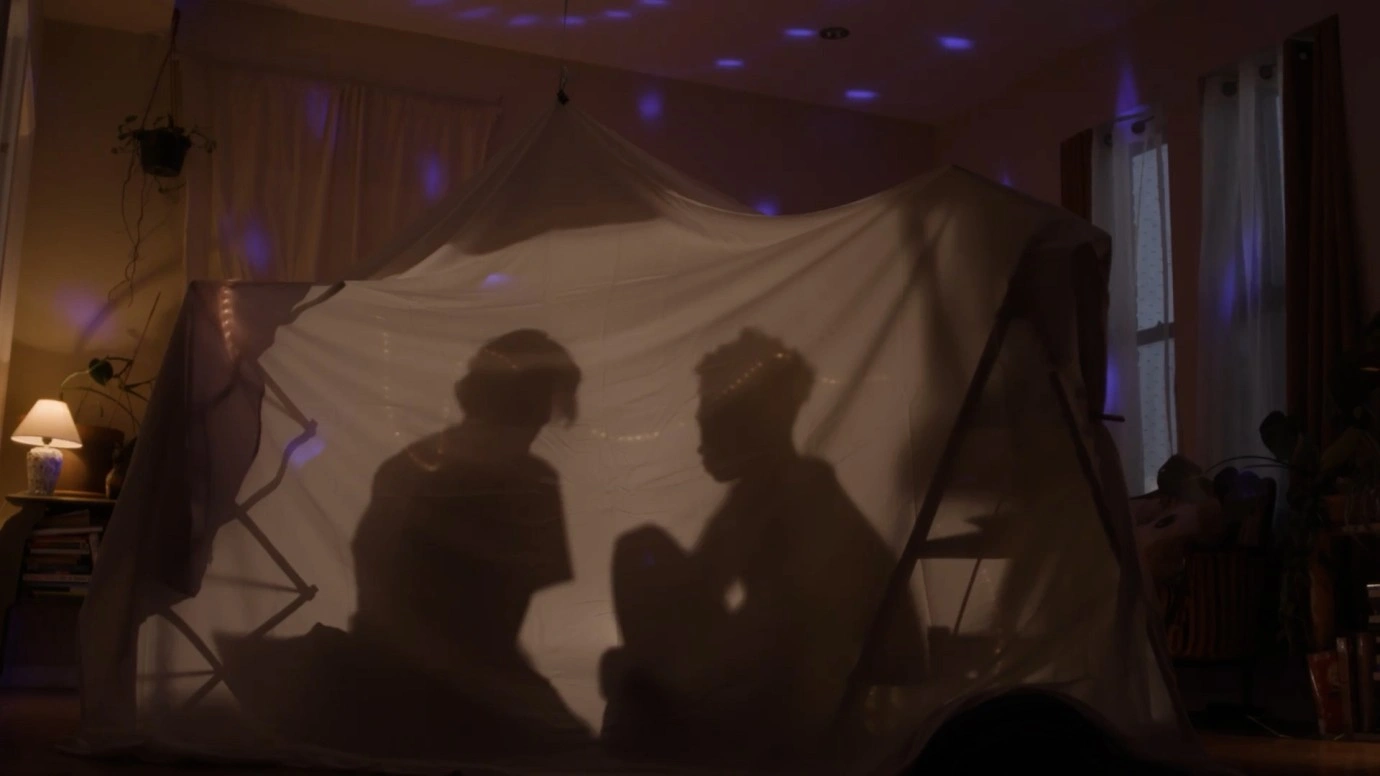
The directors discuss parts of their own lives inside a blanket fort, an image carrying childhood softness into a documentary surrounded by institutional hostility and hostile news footage. Its playfulness also offers an appealing rebuke to rigid ideas of masculinity. Fear can be spoken beneath fabric and fairy-light intimacy without surrendering adulthood or dignity.
Their self-portraits remain thinner than those of Blake and Kyler. The film introduces pieces of their histories, then retreats before those strands develop with comparable depth. Other secondary figures sometimes pass through quickly, leaving certain passages closer to resource mapping than portraiture.
Yet the documentary’s formal variety protects it from becoming a catalogue of death. Animation, poems, pets, music, home movies, jokes, parental memories, and ordinary gestures keep reminding us that grief came after entire personalities. Katharine Prescott’s testimony is especially affecting because she speaks about her son’s death while continuing to describe the boy who existed outside it.
The closing attention to older trans men Ian and Gibran carries perhaps the film’s quietest radical image: people making plans after retirement, still thinking about what they might become. For young viewers accustomed to stories in which trans lives are framed through crisis, an older person imagining tomorrow carries its own political force. Survival becomes visible as time itself, measured in ordinary years still waiting to be lived.
What Will I Become? premiered on February 17, 2026, at the Berlin International Film Festival (Berlinale) and was co-produced by ITVS, Deep Dive Films, and StoryLens Pictures. The documentary explores the vulnerabilities, mental health, and resilience of the transmasculine community through the personal accounts of its co-directors alongside the tragic stories of two young trans men lost to suicide.
Where to Watch What Will I Become? (2026) Online
Full Credits
Title: What Will I Become?
Distributor: ITVS, Deep Dive Films, StoryLens Pictures
Release date: February 17, 2026
Running time: 1 hour 25 minutes
Director: Lexie Bean, Logan Rozos
Writers: Lexie Bean, Logan Rozos
Producers and Executive Producers: Harper Steele, Lexie Bean, Logan Rozos, Drew Dickler, ITVS, Deep Dive Films, StoryLens Pictures
Cast: Lexie Bean, Logan Rozos, Blake Brockington, Kyler Prescott
Composer: Patrick Stump
The Review
What Will I Become?
What Will I Become? refuses to let suicide statistics become a substitute for human lives. By preserving Blake Brockington through his own words and reconstructing Kyler Prescott through music, photographs, animation, and family memory, Lexie Bean and Logan Rozos expose how acceptance can still collapse without institutional care and sustained belonging. Their blanket-fort conversations occasionally feel less developed than the portraits surrounding them, yet the documentary’s insistence on showing living trans communities keeps grief from becoming its sole language.
PROS
- Intimate portraits of Blake and Kyler
- Thoughtful archival material
- Kyler’s moving musical reconstruction
- Strong institutional critique
- Hope grounded in living communities
CONS
- Filmmakers’ personal stories feel abbreviated
- Some secondary subjects receive little development
- Structural balance occasionally wavers