

























A room can remember things a person has forgotten. A wall touched by thousands of hands, a corridor crossed by strangers, a quiet corner where someone stood alone for a moment, all of these collect traces without keeping a single name. Wim Wenders’ From Inside Out – The Architecture of Peter Zumthor is fascinated by this strange form of memory. It looks at buildings as places where human existence briefly leaves a mark, then disappears.
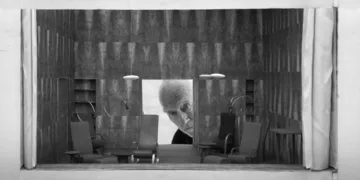
The difficulty of filming architecture is that buildings are experienced through time. A photograph can show a shape. A blueprint can explain a structure. Neither can fully capture the feeling of standing inside a space and allowing it to change your sense of distance, silence, and presence. Wenders understands this limitation, and his use of 3D becomes an attempt to close that gap. The camera does not treat depth as a spectacle. It moves through rooms, surfaces, and landscapes with patience, asking viewers to feel the weight of materials and the emptiness surrounding them.
Zumthor’s work is built around a similar idea. His buildings rarely demand attention through excess. They wait. Concrete, wood, stone, and light become instruments for creating a relationship between a person and a place. The architect speaks about spaces needing to belong to their surroundings, about buildings completing landscapes rather than overpowering them. These ideas could easily become abstract philosophy, but Wenders repeatedly returns them to physical details: the way sunlight enters a room, the sound of footsteps, the way a visitor moves through an unfamiliar environment.
There is something quietly human in Zumthor’s approach. His buildings are carefully designed, yet they are never presented as monuments to their creator. The person inside the space matters. A museum is shaped by the art placed within it. A house is shaped by the lives unfolding inside its walls. A memorial carries the weight of people who are no longer there.
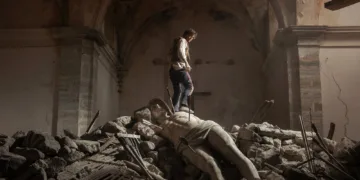
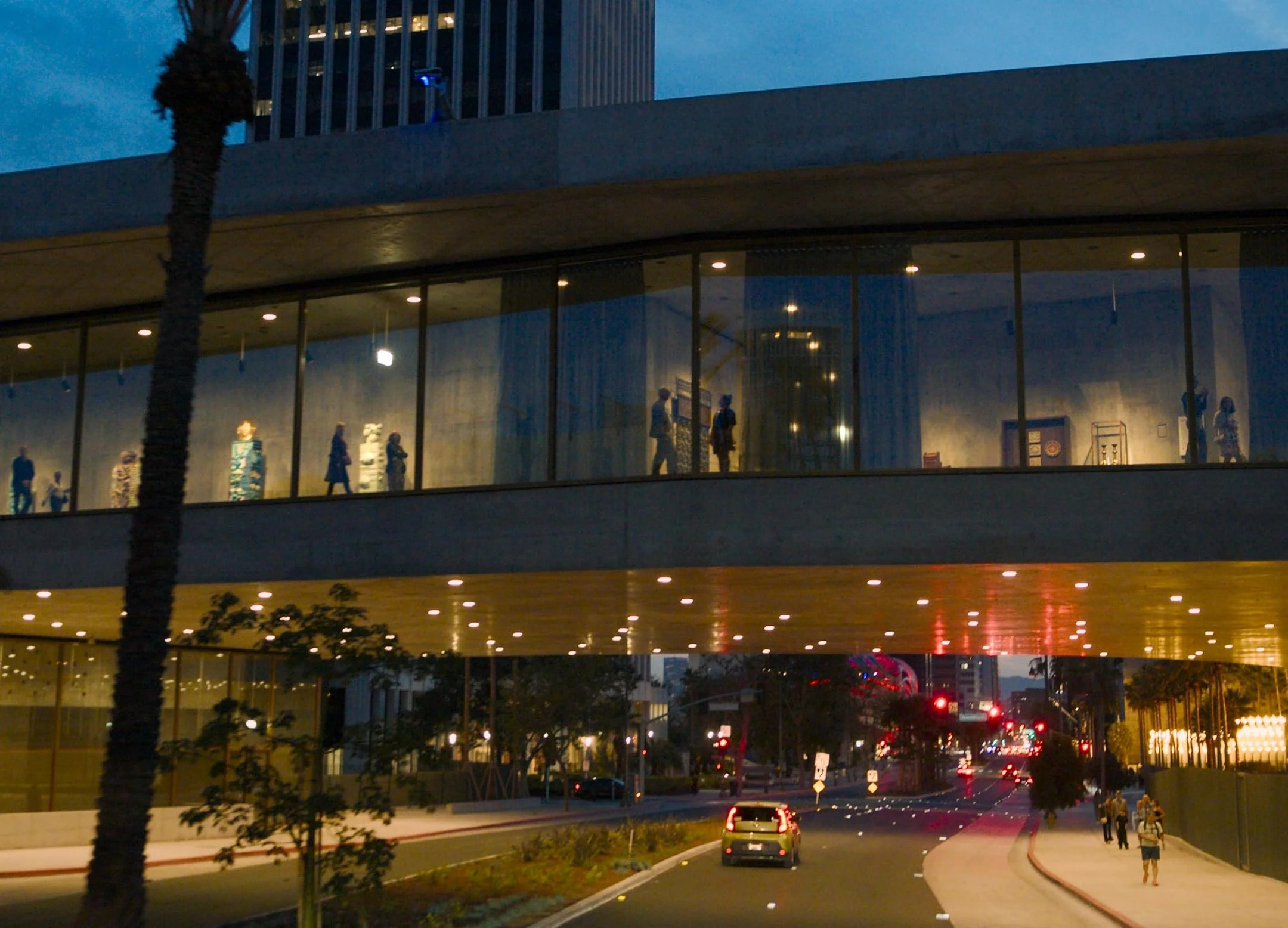
This relationship between presence and absence becomes the film’s most powerful idea. The Steilneset Memorial in Norway, created in remembrance of women killed during witch trials, feels like a structure built around a wound. The Bruder Klaus Field Chapel in Germany turns simplicity into something almost spiritual, with its dark interior creating a space that feels separated from ordinary time. The David Geffen Galleries at LACMA become another kind of experiment, a flowing structure where different works of art exist together without a single object claiming complete dominance.
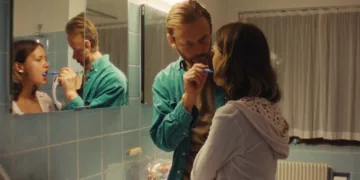
The LACMA section also reveals the film’s central contradiction. Zumthor believes architecture exists through the people who inhabit it, yet the documentary sometimes struggles when it tries to explain that experience through visitors and staged encounters. Writers, artists, and filmmakers enter these spaces, offering reflections and reactions. Sometimes their presence opens a door into the buildings. Sometimes the rooms themselves have already said everything necessary.
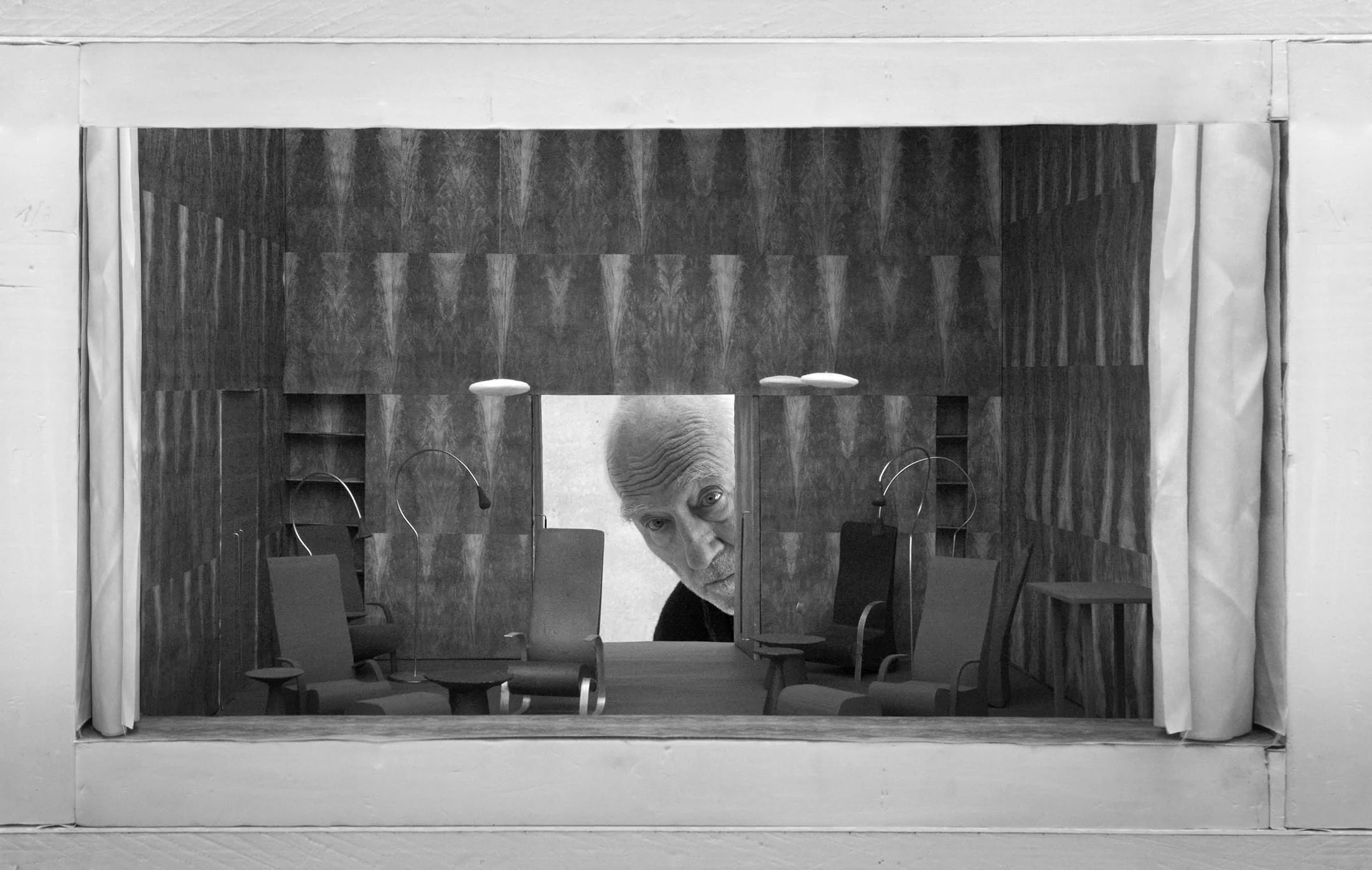
Zumthor himself may be the film’s most revealing presence, despite his quiet nature. He speaks slowly, returning to ideas about beauty, responsibility, and patience. His words repeat because his philosophy is built on repetition. A building is not created through a single moment of inspiration. It emerges through years of attention, correction, and care. There is something almost rare about this patience in a world that often values speed and constant replacement.
Yet the film also understands that even the most carefully created spaces cannot escape time. People age. Memories disappear. Buildings remain, carrying fragments of lives they can never fully recover. Wenders captures this sadness without turning it into despair. A room does not need to remember a person completely to hold meaning. Sometimes the emptiness itself becomes the memory.
The documentary takes a slow path, and some viewers may find its pace difficult. It asks for the same patience that Zumthor brings to his work. The film is less interested in explaining an architect’s achievements than in creating an experience of attention. It wants viewers to notice what usually passes unnoticed: the texture of a surface, the distance between objects, the silence inside a carefully shaped room.
That patience gives the film its deepest connection to its subject. Wenders does not simply record buildings. He creates another space, made from images, voices, and time. A building exists because people enter it and leave behind invisible traces. A film exists because viewers carry something away after the final image disappears. From Inside Out understands the fragile connection between those two acts. We build places to remain after us, and then we spend our lives searching for ourselves inside them.
From Inside Out: The Architecture of Peter Zumthor premiered at the Venice International Film Festival in September 2026, distributed by DCM Film Distribution. Filmed over more than fourteen years, the documentary explores the work and philosophy of renowned Swiss architect Peter Zumthor, examining the deep relationship between people and the spaces they inhabit.
Where to Watch From Inside Out: The Architecture of Peter Zumthor (2026) Online


Full Credits
Title: From Inside Out: The Architecture of Peter Zumthor
Distributor: DCM Film Distribution
Release date: September 2026 (Venice International Film Festival)
Running time: 1 hour 54 minutes (114 minutes)
Director: Wim Wenders
Writers: Wim Wenders
Producers and Executive Producers: Donata Wenders, Gian-Piero Ringel
Cast: Peter Zumthor
Director of Photography (Cinematographer): Franz Lustig
Editors: Toni Furch
The Review
From Inside Out – The Architecture of Peter Zumthor
From Inside Out – The Architecture of Peter Zumthor turns buildings into reflections of memory, absence, and human presence. Wim Wenders’ patient camera finds emotion in stone, silence, and empty rooms, though its slow rhythm and staged visitors occasionally weaken the connection. A contemplative portrait of spaces that outlast the people who create them.
PROS
- Wenders’ immersive use of 3D
- Deep attention to light and materials
- Zumthor’s thoughtful philosophy of space
- Powerful exploration of memory and absence
CONS
- Slow pacing may test patience
- Some visitor sequences feel artificial
- Limited exploration of people beyond the buildings