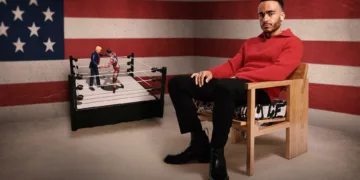






















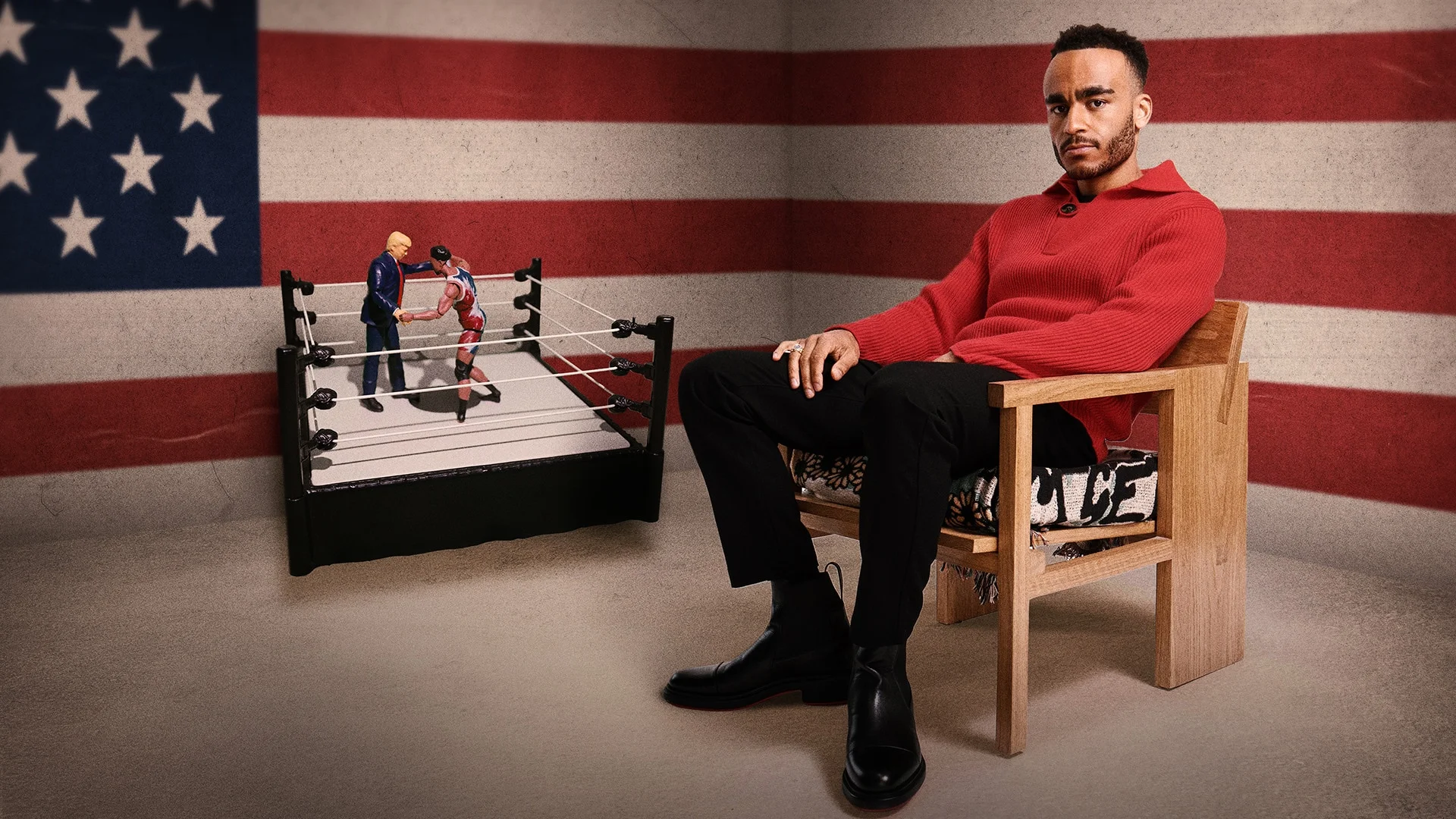
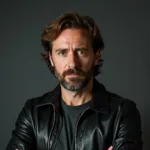
Munya Chawawa’s enthusiasm survives contact with his subject. He enjoys meeting wrestling heroes, remembers WrestleMania with fellow devotees, and still has the childhood action figures to establish how long this attachment has lasted. These encounters give Wrestling with Trump, his Channel 4 documentary about the relationship between professional wrestling and political performance, an unusually useful personal foundation.
Chawawa knows the attractions of a staged rivalry before he begins examining what happens when its methods enter an election campaign. His familiarity also makes him an efficient guide for viewers who cannot identify a wrestler from an action figure. The explanations have a purpose beyond bringing everyone up to speed. They establish the storytelling rules against which the film can test political behavior.
Some of those rules transfer readily. Wrestling’s heroes, or babyfaces, observe a code, while its heels provoke the crowd through misconduct and antagonism. Exaggerated claims and verbal abuse keep the conflict legible and the audience involved. Chawawa’s argument becomes useful when these devices are treated as ways of organizing allegiance.
A public figure can invite supporters to recognize a familiar role, then interpret each confrontation through it. The distinction matters because merely identifying Trump’s extravagant boasts would leave the documentary demonstrating something its likely audience already knows. Explaining the work those boasts perform gives the comparison a reason to continue.
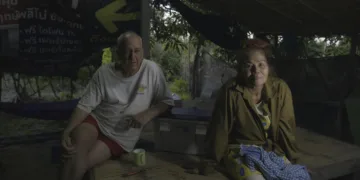
The encounter with a wrestler known as “Progressive Liberal” supplies a necessary complication. His professional role has exposed him to years of hostility, and his worn demeanor makes that hostility difficult to regard as an entirely contained theatrical effect. The documentary has found someone required to inhabit the antagonism it is explaining.
This changes the function of the wrestling material: the audience’s investment now has a cost borne by a particular performer. Chawawa’s own enjoyment keeps the contrast uncomfortable. The pleasure he recognizes and the strain visible in this interview belong to the same entertainment, which prevents the film from assigning affection and damage to conveniently separate worlds.
Kayfabe, the maintenance of wrestling’s staged reality, offers the documentary its strongest explanatory tool and its greatest temptation. Characters and rivalries retain their authority while spectators participate in the performance. Applied to politics, the concept helps Chawawa examine how a public identity can survive apparent contradictions.
Supporters describing Trump as a “blue collar billionaire” provide a concise example. Wealth and working-class identification sit together without troubling the speakers. The phrase suggests that the role they recognize in him can accommodate facts that might appear to disqualify him from it. Chawawa gives an abstract argument about political presentation something concrete to examine.
The analogy becomes less secure if that accommodation is taken as proof that political belief operates exactly like participation in wrestling. Knowing that a rivalry is staged and accepting a politician’s account of reality are different activities. The supporters’ description establishes an identification; it cannot, by itself, explain everything they believe or the reasons for their votes.
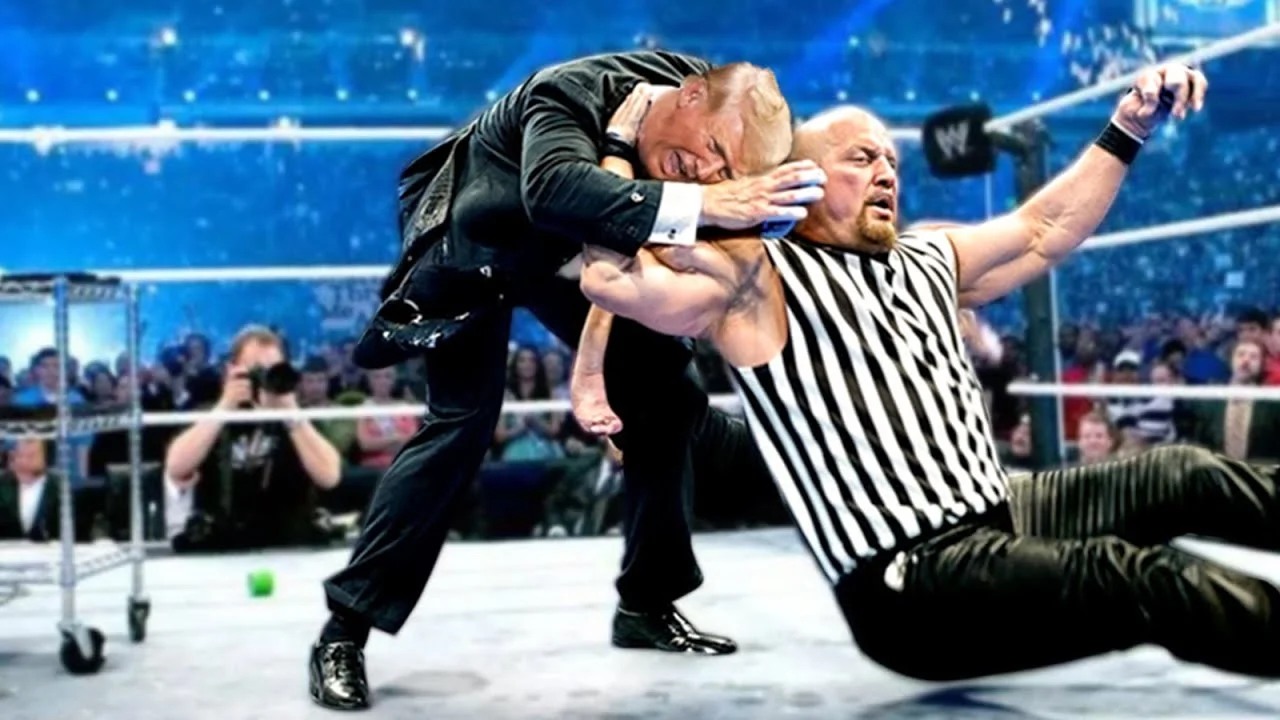
The film’s wrestling framework is most persuasive at the scale of presentation, loyalty, and conflict. Its examples give those mechanisms clarity, but the appeal of a neat explanatory model can make the distance between describing a technique and accounting for its success seem shorter than it is.
Former Trump campaign adviser Sam Nunberg provides the testimony that stops the documentary resting entirely on resemblance. He acknowledges the influence of Trump’s enthusiasm for wrestling and its combative narratives on campaign strategy. This is a significant development in the argument.
Chawawa has someone involved in political construction confirming that the apparent borrowing had a practical basis. Nunberg’s account strengthens the film’s specific case about how a campaign chose to address its audience. It also gives the interviews a cumulative function: the film can move from explaining a storytelling method to questioning someone who helped put a related method to political use.
Chawawa handles that opportunity well because he keeps changing the demand of his questions. Nunberg readily endorses entertaining politics. Asked to assess the version of politics that has followed, he becomes less forthcoming, while acknowledging January 6 as a bad day for America.
The exchange moves from a proposition that is easy to defend toward consequences that require a different kind of answer. Chawawa’s persistence lets the distinction emerge through the interviewee’s responses. The inquiry gains pressure without requiring the presenter to supply a speech about what the audience should think.
Then Chawawa asks Nunberg to locate Trump within wrestling’s own division between the heel and the honorable babyface. Nunberg responds that “Trump abides by his own code.” The answer loosens the categories just when they might impose a standard.
It also reveals why the documentary benefits from having an informed fan ask the questions: Chawawa knows that a character’s conduct means something within the entertainment being invoked. Nunberg is willing to endorse its effectiveness as political strategy, but faced with a question about the obligations attached to the role, he gives Trump permission to define those himself.
Wrestling with Trump premiered on Channel 4 on May 12, 2026, and is available for streaming on Channel 4’s digital platform. Directed by Daniel Lucchesi and hosted by satirist Munya Chawawa, the political sports documentary examines the unexpected connections between professional wrestling tactics, the WWE, and Donald Trump’s political persona.
Full Credits
Title: Wrestling with Trump
Distributor: Channel 4, Bango Studios, Munz Made It
Release date: May 12, 2026
Rating: TV-14 / TV-MA
Running time: 47 minutes (1 hour)
Director: Daniel Lucchesi
Writers: Munya Chawawa
Producers and Executive Producers: Atalandi Dixon, Iain Wimbush, Munya Chawawa
Cast: Munya Chawawa, Donald Trump
Editors: Adam Bokey
The Review
Wrestling with Trump
Chawawa builds a persuasive argument by giving each encounter a different job: fandom establishes the appeal, a working wrestler exposes the cost, and Sam Nunberg confirms the political borrowing. His follow-up questions are especially effective, pressing an entertaining comparison toward accountability. The wrestling framework explains campaign presentation convincingly, though its account of political belief and electoral success remains less secure.
PROS
- Personal enthusiasm gives the investigation credibility.
- Concrete encounters develop the central argument.
- Nunberg’s testimony substantiates the campaign connection.
- Persistent questioning exposes evasions about accountability.
CONS
- Kayfabe analogy risks conflating different kinds of belief.
- Campaign evidence offers limited insight into voting motives.







