


























Neo Sora makes his feature directorial debut with Happyend, transporting us to a speculative vision of Tokyo’s near future. As the son of renowned musician Ryuichi Sakamoto, Sora carries an artistic sensibility shaped by Japan’s social-political currents. His film explores these themes through an intimate focus on a group of high school friends.
Our characters are Yuta and Kou, who’ve been close since childhood. Life remains much as it ever was for Tokyo’s graduating seniors, even with impending catastrophe looming. Daily earthquake drills are just background noise to games and music in their makeshift clubroom sanctuary. Beneath surface calm, however, tensions are rising both in their tightknit circle and the outside world.
When a prank on a rigid principal backfires, it brings harsh new surveillance measures to the school. Freedoms once taken for granted face removal. Divisions emerge as friends discover their stances on rebellion versus obedience diverge. Cultural fault lines too play a role, as Kou’s Korean heritage leaves him vulnerable in this climate of growing nationalism.
Sora follows his characters’ journey with subtlety and care. Intimate glimpses of their lives elevate speculative concepts into real human experiences. Big themes like control, dissent, and transition are grounded in small moments we recognize. In depicting societal pressures youth navigate today, his film resonates broadly while celebrating what connects us—our shared hopes, harms, and ability to find hope even in uncertainty.
Emerging Divisions
The film opens with a glimpse of unsteadiness growing in Japanese society. Traditionally strict systems show fatigue as change approaches. We’re then transported to Tokyo, where our high school friends while away carefree days.
Central are Yuta and Kou, close since childhood despite their differing backgrounds. Life goes on smoothly despite constant earthquake warnings, until a prank spins out of their control. Flipping their principal’s precious car earns the boys and school harsh scrutiny instead of laughs.
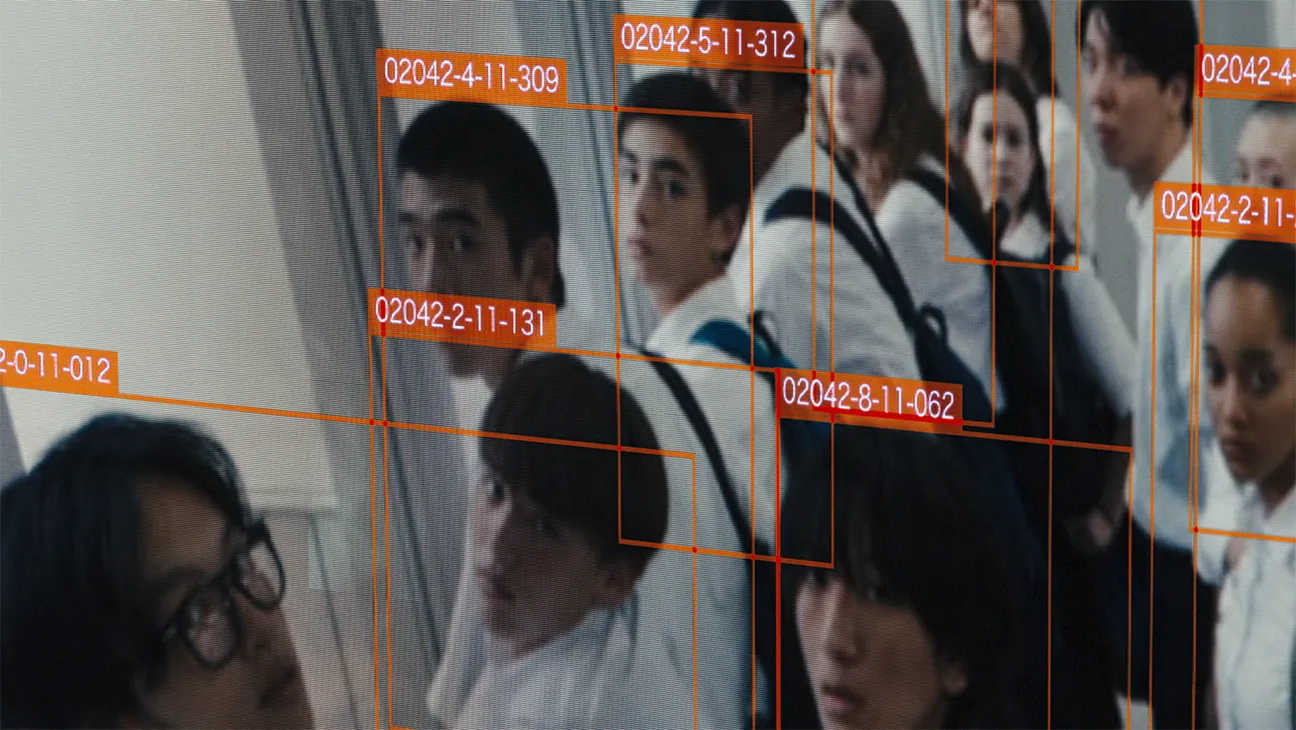
In response, a new surveillance network called “Panopty” enmeshes the campus. Naturally rebellious students now face punishment for minor infractions. Tensions flare as controls tighten over the curious, creative spirits of youth. Freedoms once taken for granted face restriction.
Disagreements emerge between Yuta, who shows little interest in politics, and Kou. Drawn to activism through a kind classmate, Kou’s eyes are open to greater issues. His Korean heritage leaves him vulnerable should trouble arise. As protests gain force outside, oppressive measures like halted clubs and new teachers stir unrest within the school’s walls.
Rifts start to form even within their tight circle of friends. Biracial Tomu’s news of studying abroad lands poorly. Casual racism emerges, excluding some from activities. Discontent boils over during a major earthquake, used to justify broader state overreach. Neighbors now police neighbors under the guise of security.
Disaffection grows between the questioning Kou and apolitical Yuta, clinging to fleeting teen joys. Their bond faces stress as the future comes into clearer focus. Personal bonds and ideological allegiances are tested on the threshold of change, where growing up meets grim realities of a surveillance state tightening its digital grip.
Bonds Tested
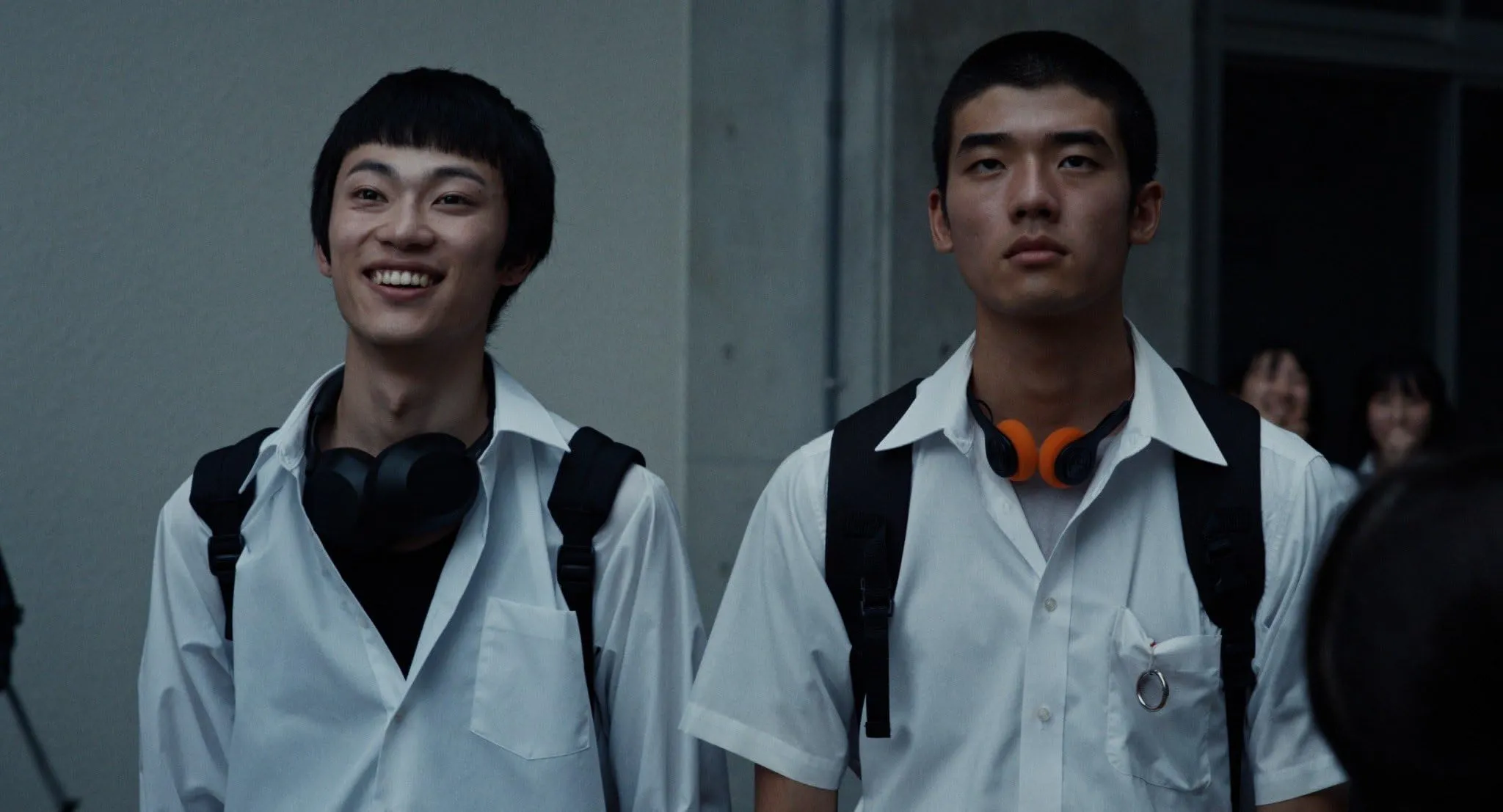
At the heart of Happyend lies the bond between Yuta and Kou. While close since childhood, we see their friendship strained as politics creeps into their lives.
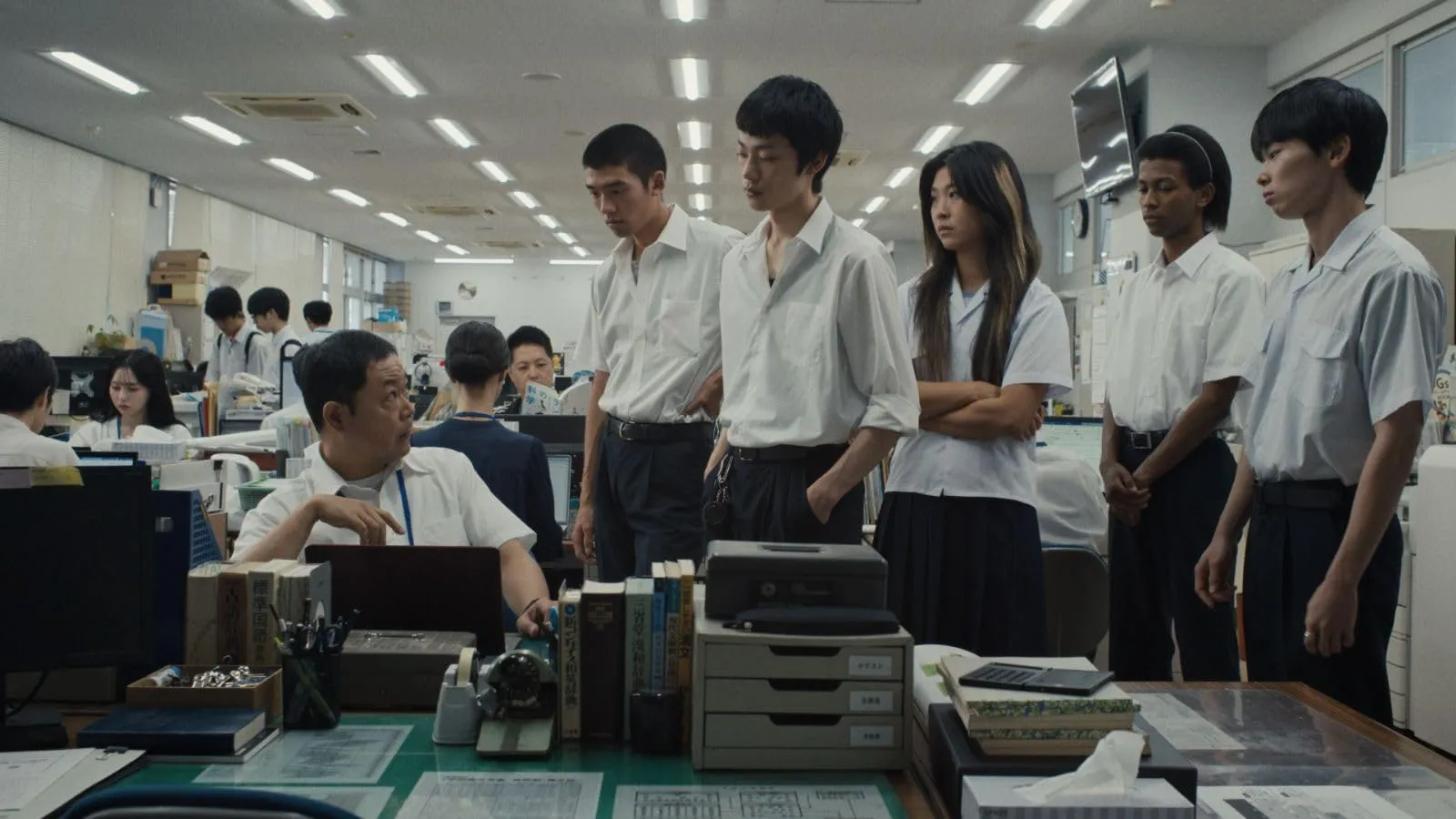
Kou begins to question what’s happening around them. As a Korean student, he understands discrimination firsthand. A kind classmate opens his eyes to activism. But Yuta stays focused on fun, refusing heavier issues.
Their divergence shows the conflict between resigning to forces of control and rejecting them through resistance. Kou finds his voice, while Yuta hides from change. Their friendship represents how conformity splits from dissent.
Sora imbues the story with broader themes through deft character work. We see youth grappling with surveillance tightening its grip as individuality becomes a threat. Characters hold onto creative outlets like music against suppression.
The film also shines light on discrimination. Tomu’s portrayal as a biracial student facing exclusion brings such realities to the surface. His dreams of studying abroad resonate with a desire for freer horizons.
Throughout, Sora analyzes social tensions Japanese youth confront today. Though set in the future, his vision feels rawly present, pulling global anxieties into the school setting. The characters feel deeply human, navigating instability as they transition to adult lives of their own making.
With empathy and complexity, Happyend weaves heavy themes into an intimate exploration of bonds tested by change. It’s a thoughtful, stirring analysis of resistance, compliance, and finding one’s voice against the tide.
A Symphonic Vision
Happyend sees Sora take the reins of direction with an assured, natural touch. He brings lived-in authenticity to portraying teenage problems through close exploration of his characters. This intimacy elevates speculative concepts into real, resonant experiences.

Cinematographer Bill Kirstein magnifies Sora’s vision. His elegant shots are never static; emotive richness creeps within pristine frames. Cityscapes and school interiors take on serene poetry. Kirstein finds visual music in sterile spaces, enhancing the film’s understated grace.
This sensitivity to image is echoed in the score. Lia Ouyang Rusli’s compositions are finely attuned to shifting moods. Epic electronic segments pump adrenaline into joyous scenes. Elsewhere, piano carries bittersweet tones through more introspective moments. The music amplifies without overpowering, conducting deeper feelings.
Perhaps most remarkable is how Sora and crew ingeniously conduct the chaos of youth through sound. Echoing hallways and raucous partying pump life into the story. Sound also plunges us into disorienting protests, conveying the raw pressures these characters feel.
Every element blends like instruments in a symphony. Under Sora’s lead, visual and aural artistry flow as one cohesive work. His understanding of these high school lives and the issues they encompass comes through pristine yet profoundly moving expression. In Happyend, cinema sings a poignant song for its time.
Beneath the Near Surface
Happyend sets its sights on issues all too relevant today. Through a deceptively lightweight veneer, Sora crafts allegory for serious problems facing Japanese society.
Nationalism and surveillance rise as the state utilizes crises. When disaster strikes, authorities seize broader control. The film mirrors how manufactured threats strengthen totalitarian drift.
In Sora’s world, big data discipline governs daily life. His school installation “Panopty” gamifies oversight normalized as child protection. We see censorship shrink freedoms through new disciplinary drones.
Sora balances political threads with profound humanity. Speculation serves only to illuminate the real struggles faced by his characters. Their friendships, passions, and divides feel universal despite sci-fi textures.
The students’ plight symbolizes youth navigating an unstable world of their elders’ making. Their activism highlights how dissent persists despite regimenting forces. Their bond displays hope that connection can withstand division.
Throughout, Sora anchors allegory in grounded, intimate portraits. Macro issues resonate through his microfocus on lives navigating change. The film keeps one foot on speculative shores and one in documentary-style observation of its subjects’ shared joys, harms, and resilience.
Happyend speaks to issues confronting Japan through a distinctly thoughtful, unsensationalized style. Its allegories feel organic rather than extracted morality lessons. The result is a work as observant as it is thought-provoking.
Creative Rebellions
Sora carries cinematic DNA from his filmmaking forebears. Ryuichi Sakamoto’s abstract, emotive work clearly shaped his son’s artistic eye. Elsewhere, subtle moments hint at additional muses.
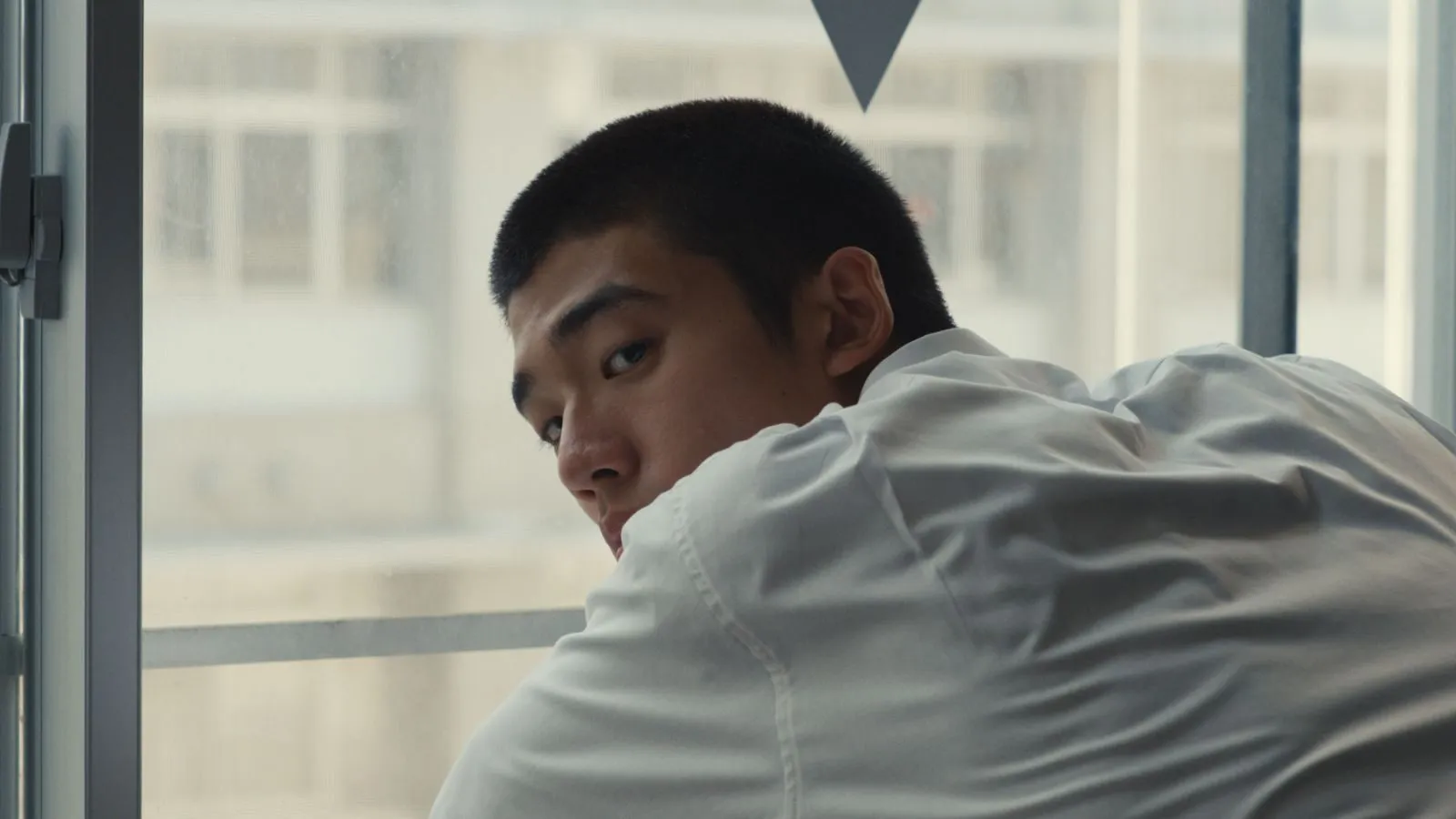
Their prank elicits chuckles with its slick Ocean’s Eleven planning. Sneaking into raves also borrows spirit from rebellious coming-of-age flicks. These references feel seamless rather than superficial—fun ways to endear us to these rule-bending youths.
Thought poured into every frame too, from philosophy studies. Panopty’s gamified oppression reflects collegiate readings of Foucault. Agamben’s “state of exception” evokes chilling relevance for today’s rising authoritarianism.
Happyend blends philosophical muscle with a deft comedic touch. Sora sprinkles laughter between heavier threads without losing grip of either. His characters feel wholly real for balancing light and dark so skillfully.
It’s clear musical lineage courses through Sora’s veins. But Happyend’s soul stems from its young subjects’ passion for pushing boundaries. Their small revolutions, executed with heart, inspire through a director attuned to expression’s rebellious spirit.
Creativity holds power to challenge even the most troubling eras. In Sora, these vibrant high schoolers find a kindred artisan to spread their message of hope.
A Voice for Youth Resounding
Neo Sora announces himself as a director of remarkable promise with Happyend. He blends intricate social themes into profoundly human portraits of souls navigating turbulent change.
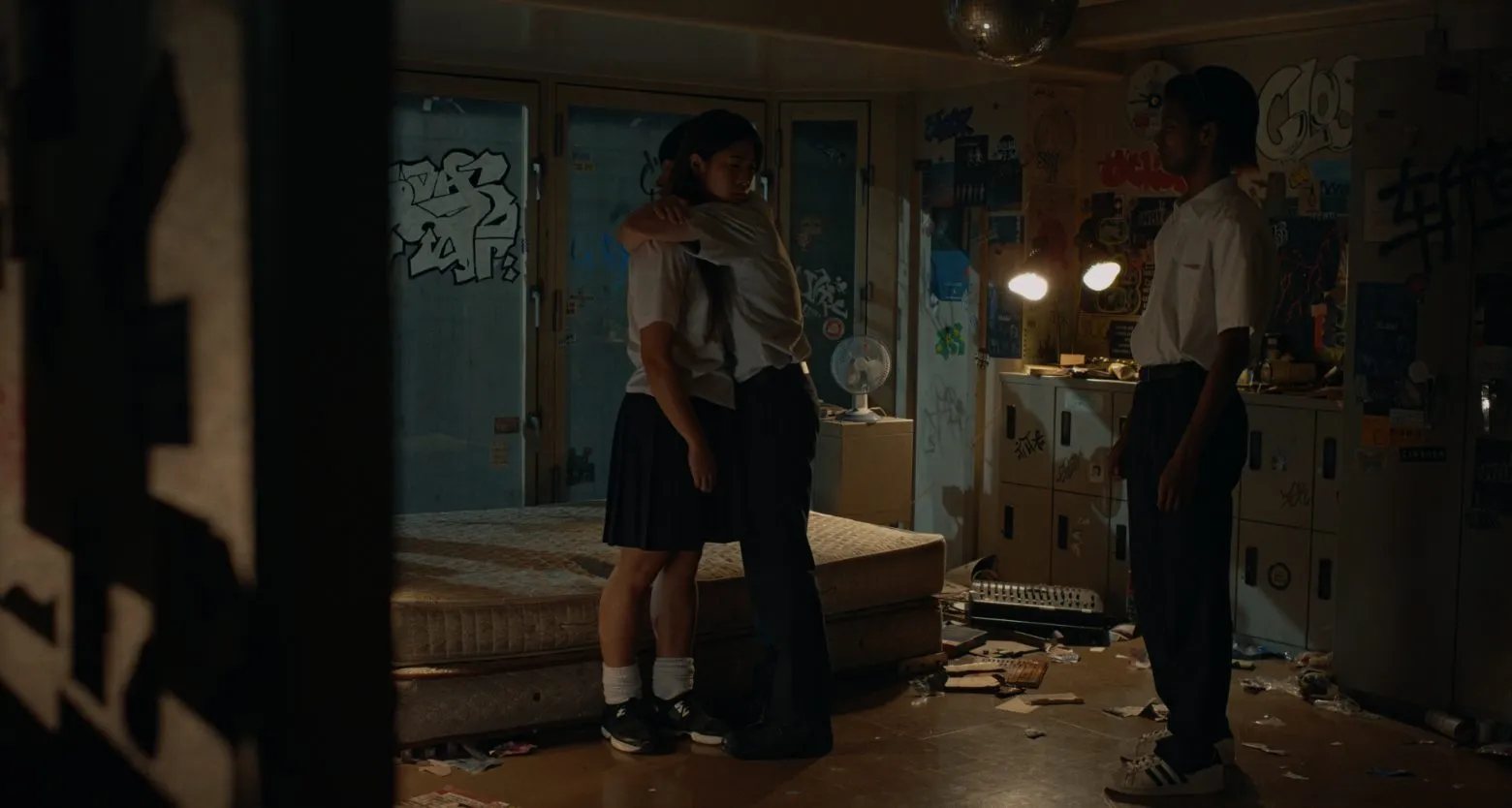
This debut shows Sora’s unique ability to resonant personal stakes of his characters amid larger issues. His young leads feel authentic in their flaws and dreams. Though set in an unsettled world, their spirit persists as a beacon of hope.
Sora brings fresh perspective from intersecting filmmaking lineage with his own experiences. Happyend leaves us anticipating what visions he’ll conjure as one bridging generations through progressive Asian cinema.
As social pressures rise, this film proves youthful defiance cannot be silenced. Its call for understanding divisions between those in power and those coming into it will echo for time to come.
With compassion and care, Sora illuminates lives too often rendered abstract. Happyend leaves us changed in how we see burgeoning adulthood against uncertain futures. In Sora we find a vital, enduring chronicler of voices we must hear.
The Review
Happyend
Happyend shows Neo Sora to be a director of great heart and vision. His intuitive portrayal of lives navigating instability resonates with uncommon power.
PROS
- Authentic and nuanced portrayal of characters
- Timely exploration of surveillance, censorship, and social control
- Evocative direction and performances that feel lived-in
- Strong sense of mood and atmosphere crafted through visuals/music
- Thoughtful allegory for modern issues anchored in humanity
CONS
- Narrative occasionally lacks narrative propulsion.
- Setting mostly confined to school without exploring society more
- Tone at times wavers between comedy and bleaker moments.
- More connection is needed between plot details and larger themes.