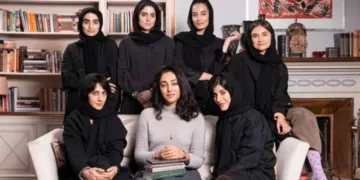


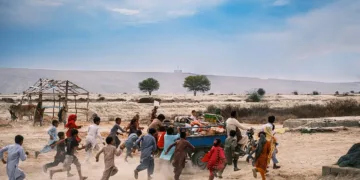















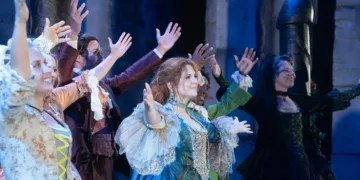










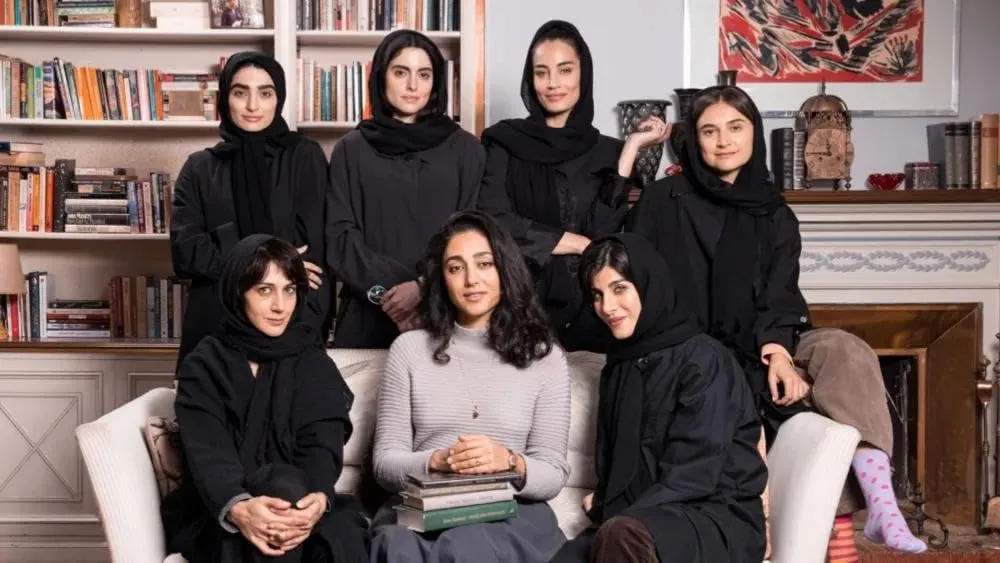

The director, Eran Riklis, adapts Azar Nafisi’s biography for Reading Lolita in Tehran, illuminating her experiences as a literature professor in Iran after the revolution. As the narrative progresses, teaching Western classics becomes a quiet act of rebellion in a society struggling with authoritarian rules. Golshifteh Farahani’s Nafisi invites female students to engage with texts questioning their oppressive reality by turning her living room into a secret classroom.
The political background is very important. Women’s rights were seriously limited after the Islamic Revolution in 1979, making Nafisi’s struggle to teach books like “The Great Gatsby” a question of survival—an exploration of identity in a repressive regime.
The film’s release still has a lot of meaning today, especially after the sad death of Mahsa Amini, which has brought up issues of women’s rights in Iran again. Nafisi taking off her headscarf in front of the mirror serves as a strong metaphor for personal and political freedom, echoing the ongoing fight for the right to express oneself. This is how Reading Lolita in Tehran is both a reflection on history and an important cultural comment.
Feminism, Resistance, and the Rebellion of Words
Reading Lolita in Tehran deeply engages with themes of feminism and resistance, showing women as fierce warriors in the world of ideas rather than passive victims. In Iran after the revolution, where things are strict, Azar Nafisi’s secret literature lessons are a safe place for her students to discuss their problems, hopes, and identities. There is an interesting contrast between Nafisi and her students, who use literature as a weapon of resistance while the regime tries to silence different people.
The film skillfully shows how literature empowers these women, allowing them to navigate their hidden realities. Whether it’s Nabokov’s Lolita or Fitzgerald’s The Great Gatsby, each book reviewed reflects the characters’ struggles. For example, when the students say, “We are Lolita,” it’s a powerful way to recognize that they are all going through the same thing: being powerless in a male-dominated society. As they grapple with these texts’ complexities, they reclaim their narratives, highlighting a profound irony.
The film’s use of literature goes beyond scholarly discussion to demonstrate its power. For these women, it’s a way to rebel against societal norms and explore ideas that aren’t allowed. Their secret meetings are a microcosm of intellectual freedom in a world where education is becoming increasingly limited. While reading, the act of defiance changes into a loud statement that the mind can’t be held back.
However, the contradictions that arise in this struggle are not hidden by the film. The harsh realities of their oppression are also revealed in literature, which gives liberation. The characters confront the stark contrast between the freedoms portrayed in literature and their constrained existence as they read these texts.
This duality captures the essence of their fight for freedom of expression in a world that seeks to silence them. Reading Lolita in Tehran is ultimately a tribute to the resilience of women who refuse to let their situations define them and instead use words’ transforming power to shape their urges.
The Complexity of Resistance: Azar Nafisi and Her Students
Reading Lolita in Tehran is centered around the character Azar Nafisi, whose growth shows the struggles and hopes of women living in a strict society. Azar serves as both a teacher and a symbol of intellectual resistance, as portrayed by Golshifteh Farahani with an admirable mix of strength and fragility.
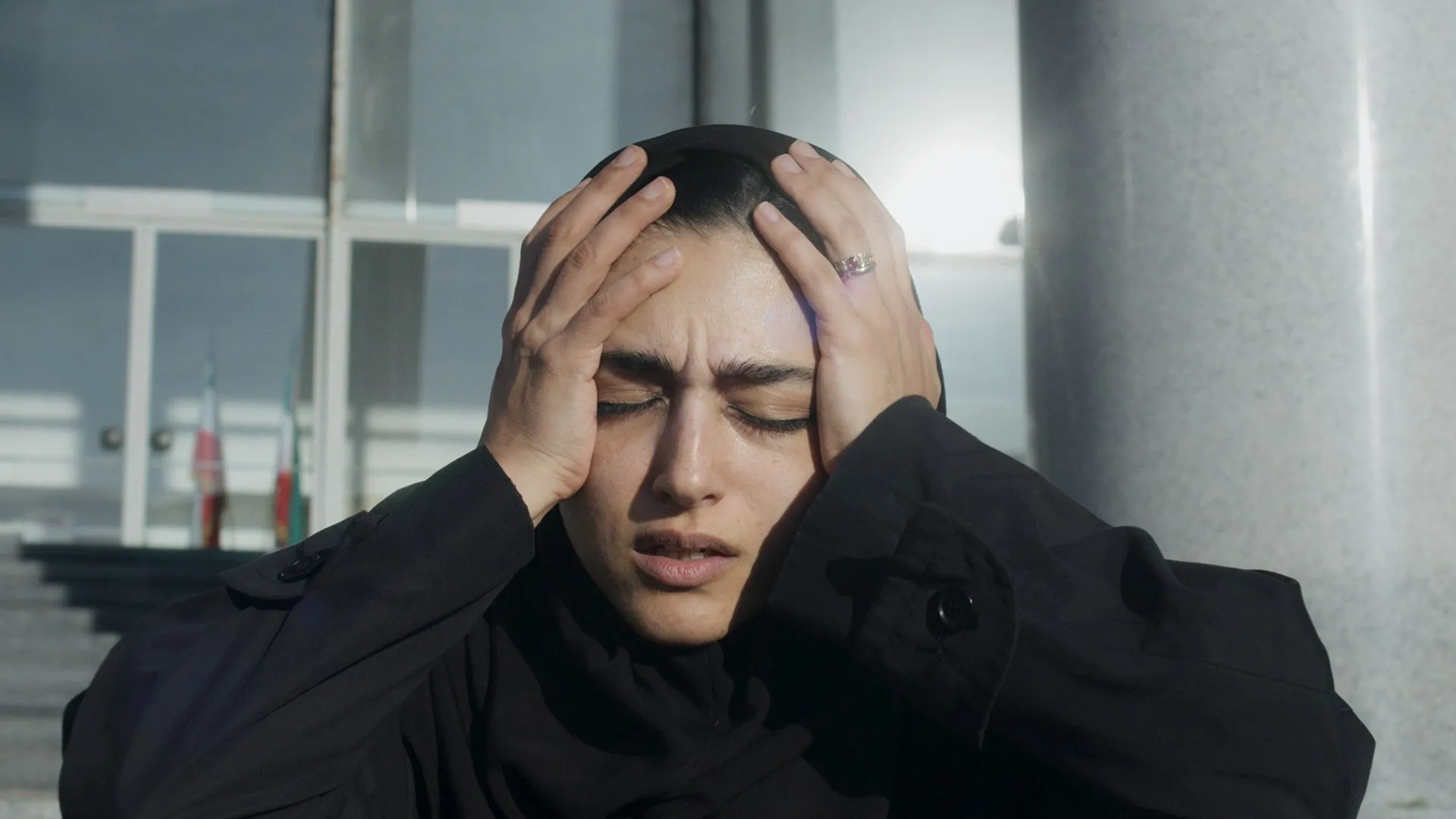
Her reasons for returning to Iran full of hope only to witness the Islamic regime’s tightening grip on her are deeply connected to her experiences. Her desire to create a safe environment for her students, where reading and writing about literature can be an act of defiance against oppression, is fueled by her disappointment.
The changes that Azar goes through are slight but deep. It starts that she is a professor who wants to make a difference in a society that she thinks is about to become more enlightened. But as the government’s rules get stricter, she goes from being a teacher in an official setting to a secret mentor in her living room. This change brings out a main idea: the personal cost of resistance. Azar’s journey reflects the struggles of many women who must navigate the tricky seas of societal expectations while pursuing autonomy.
Each supporting character represents a different facet of Iran’s societal problems, and they are all equally fascinating. The backgrounds and experiences of Nafisi’s students are very different, and they all bring their own stories of oppression, hope, and resilience. As an example, Sanaz’s experiences with abuse and sexism make the dangers women face very clear. At the same time, another student’s announcement of her goals contrasts sharply with the oppressive environment, showing the huge gap between personal dreams and societal expectations.
Azar’s interactions with her students add depth to the narrative and weave together a web of relationships that support the film’s main ideas. The classroom becomes a place for personal discovery as students engage in literary discussions. The conversations become a lifeline, allowing each woman to express her fears and wants rather than just being academic. Through these exchanges, the film skillfully demonstrates the strength of female solidarity in the face of adversity.
However, this friendship is not without its problems. Because of their unique struggles, every student’s journey includes moments of conflict and vulnerability. The film’s emotional weight comes from how the characters’ shared goals and societal norms interact. The complexities of her students’ lives challenge Azar, a guiding force, and reflect the complex nature of resistance in a world with unbearably high stakes.
The Architecture of Resistance: Narrative Structure in Reading Lolita in Tehran
The episodic framework of Reading Lolita in Tehran cleverly nods to the chapter structure of the books that form the film’s core. The titles of each section, which are based on famous books, not only show how Nafisi’s journey progresses but also what the literature she teaches is all about. The decision to structure the narrative in this way is symbolic and structural. Through each part, we can see how women’s lives in Iran changed after the revolution.

But the fact that it happens in episodes makes things harder in some ways. Although the time jumps are meant to reflect the quick societal changes, they can sometimes feel abrupt, leaving viewers to figure out how to follow along. One minute, the characters engage in passionate discussions about Gatsby’s American Dream, and the next, they’re navigating the suffocating realities of their existence. It’s as if the film is trying to keep up with the chaotic tempo of life under an authoritarian government. This kind of contrast can create a feeling of whiplash, which is exciting and strange.
The film also uses flashbacks and intercutting skillfully to strengthen the emotional impact. Moments of personal reflection frequently coincide with harsh realities of the outside world, which adds to the emotional weight of the narrative. For example, when Nafisi thinks about the good times in her past, we can see how they are very different from the harsh conditions she is facing now. The struggle for intellectual freedom in a repressive society is the film’s main theme, and this method not only helps the characters grow but also serves to emphasize this theme.
This connection between what’s being discussed in class and what’s happening in real life is a strong commentary on the power of literature. The cutting together shows how the characters’ literary explorations act as both a way to escape and confront their realities. It serves as a warning that words can free us, but they can also painfully show us the chains of our lives. In this complex narrative, Riklis creates a tale that is as much about the personal as it is about the political, encouraging viewers to reflect on the enduring narrative of literature as a tool for resistance.
A Mirror to Modernity: Cultural and Political Commentary
Reading Lolita in Tehran is a moving commentary on modern Iran, illuminating the cultural and political tensions that still permeate society. Through Nafisi’s eyes, we witness the struggle between traditional values and modern goals, a conflict that has deep political resonance in the present day. The film shows a society at a crossroads where people want intellectual freedom but fear a totalitarian government that won’t budge.
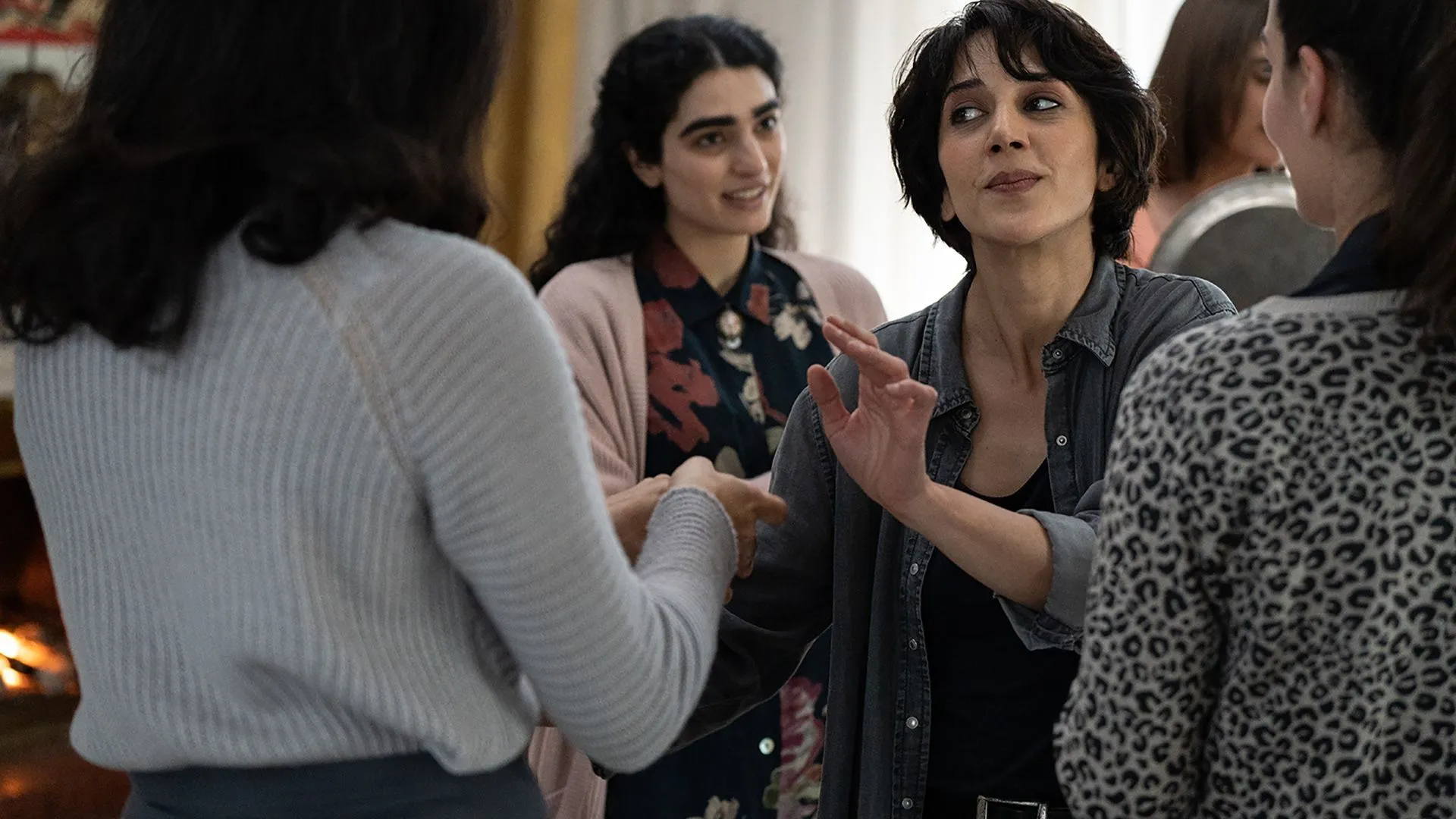
Particularly important is the portrayal of women. Nafisi and her students are part of a group stuck between the ruins of a once-progressive society and the harsh realities of repression. Their secret literary talks become a microcosm of the larger fight for identity and autonomy in a world that frequently seeks to define them by antiquated norms.
Still, there are some contradictions in this struggle. The characters grapple with the weight of their cultural heritage, which binds and enslaves them as they long for freedom through education and literature. The film makes you wonder if real progress and custom can live together or will always be at odds. Reading Lolita in Tehran goes beyond its narrative to engage in a larger conversation about the complexities of modern identity in the face of societal limitations.
Resonance and Reflection: The Impact of Reading Lolita in Tehran
Reading Lolita in Tehran becomes an important cultural work, engaging with current debates about freedom, identity, and the power of literature in oppressive settings. Its portrayal of women navigating a harsh government is very similar to current movements around the world that fight for human rights and equal rights for women. The film serves as a rallying cry, imploring viewers to confront the realities many people worldwide face. It is more than just a narrative.
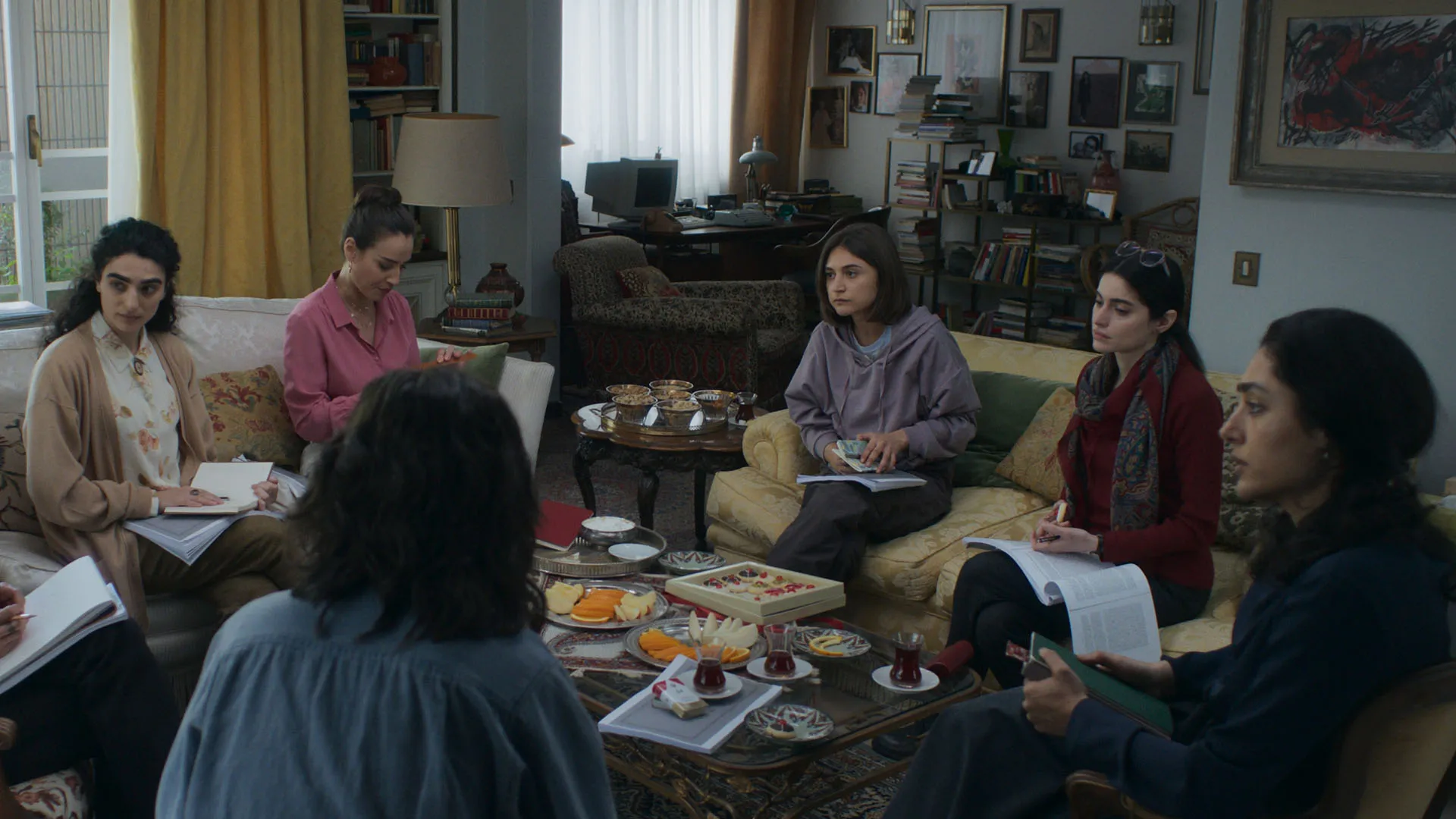
The adaptation works because it makes you feel things like hope and hopelessness are delicately interacting. Riklis expertly conveys the gravity of Nafisi’s experiences by inviting audiences to reflect on their societal landscapes. The film’s symbolism, which depicts literature as both a safe haven and a battlefield, serves as a reminder that the path to autonomy is frequently riddled with contradictions.
In the end, Reading Lolita in Tehran goes beyond its specific setting. It makes a universal statement about the ongoing struggle for self-expression and the unbreakable spirit of those who dare to dream beyond their limits.
The Review
Reading Lolita in Tehran
Reading Lolita in Tehran is a powerful look at identity and resistance, expertly weaving personal tales with larger societal problems. The film captures the transformative power of literature in the face of oppression through its rich character development and compelling narrative framework. Even though it does occasionally grapple with pacing, its emotional depth, and cultural commentary make it a must-see in today's world.
PROS
- Powerful character development, especially of Azar Nafisi and her students.
- Rich exploration of the transformative power of literature.
- Engaging narrative structure that mirrors literary works.
- Strong cultural and political commentary on modern Iran.
- Emotional depth and resonance throughout the film.
CONS
- Pacing issues due to episodic format and time jumps.
- Some viewers may find the shifts between past and present disorienting.
- Moments of heavy symbolism may feel overly complex for some.