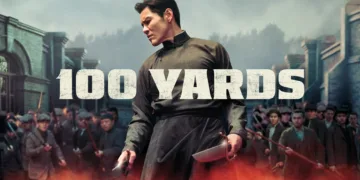






















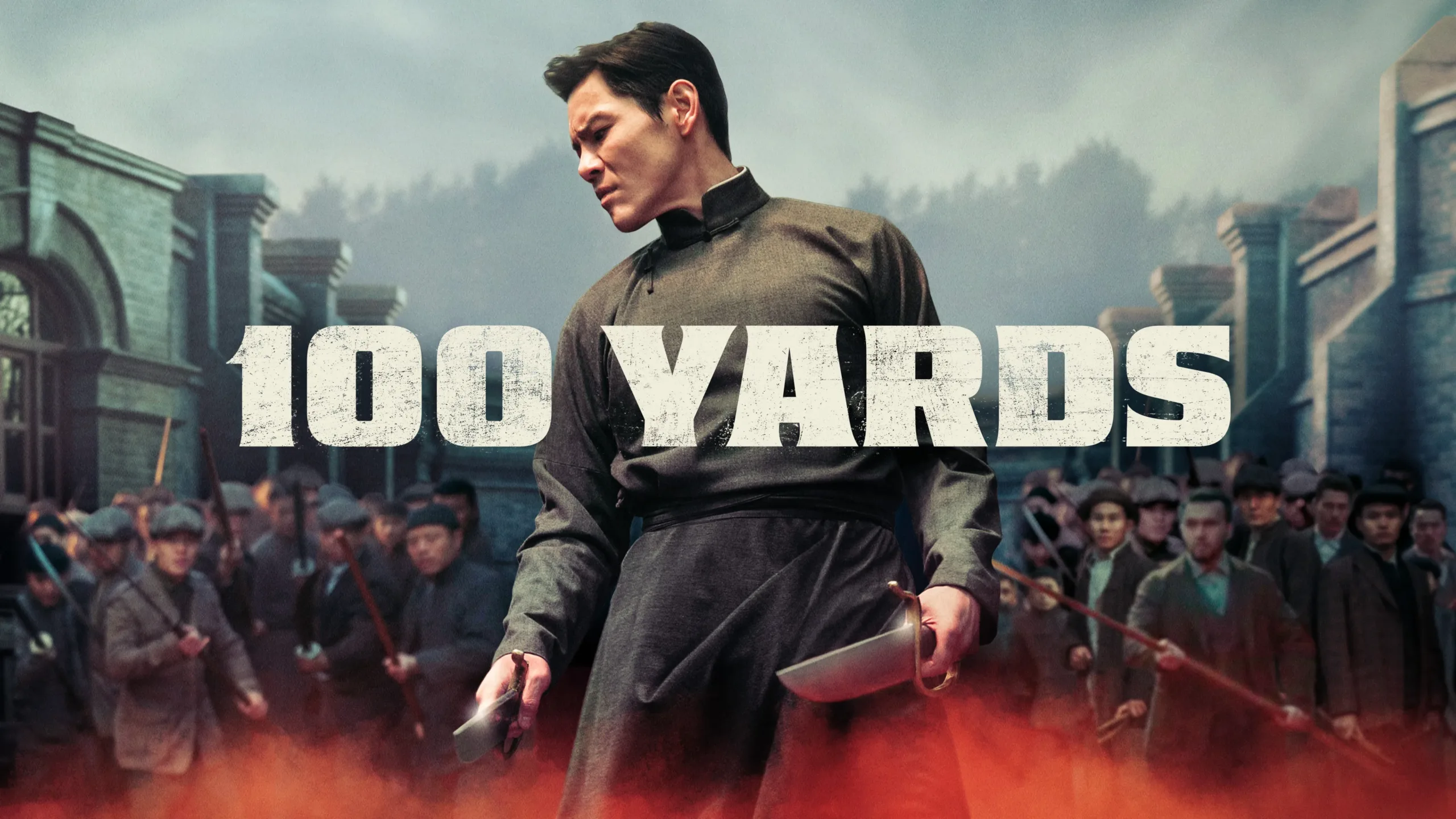

100 Yards is a powerful look at human ambition and its shadows on the soul in modern martial arts movies. This film mirrors the darker undercurrents of desire, pride, and the never-ending pursuit of superiority. It was directed by the evocative Xu Haofeng and his brother Xu Junfeng. Philosophical questions have been at the heart of their previous works, and here, they explore the existential problems that come with looking for a legacy in Tianjin in the 1920s.
There was a palpable buzz surrounding 100 Yards, like an electric current running through the film festival circuit, luring audiences with promises of physical spectacle and a deep meditation on the nature of rivalry. The film was ready to challenge the conventions of its genre as rumors of its technical prowess and emotional depth spread.
It invited viewers to engage with the turmoil of its characters—not just as fighters but as tragic figures caught in the web they made for themselves. There was a tension that was hard to hide beneath the excitement. This tension suggests that under the surface of every duel lies the chance for redemption and ruin.
The Dance of Shadows: Rivalry and Redemption
The narrative of 100 Yards unfolds like a silk scroll in Tianjin’s vibrant yet tumultuous landscape in the 1920s, where the remnants of an ancient world meet the looming shadow of modernity. Existential struggles take place in the martial arts school, which serves as a microcosm of traditional values and growing aspirations.
Here, the echoes of the ancestors whisper through the dojo, their lessons intertwined with the goals of the living, framing a world where honor and shame dance delicately on the edge of a blade.
Shen An, the master’s son, conflicts with Qi Quan, his father’s most prized student. This could be seen as the tragic interplay of two fates. This rivalry is about more than physical strength; it’s about identity, legacy, and the burdens of expectation.
An, who is carrying the weight of his father’s disapproval, wants to reclaim his birthright and create an identity that stands alone from his father’s legacy. While navigating the perilous seas of loyalty and ambition while being put in a role with moral ambiguity, Quan, the disciple who seemed to be most liked, grapples with his disappointment.
As in a sad play, important events happen as they always do. The duel that serves as the film’s opening scene is a moving dance of wills in which Master Shen’s dying wish sets off a chain of confrontations that affect both men. As An and Quan are forced to confront their deepest fears, each battle, which is choreographed with a visceral intensity, leaves both of them with physical and emotional scars. The futility of their struggle is highlighted as the narrative develops into a cacophony of rematches.
Unsettling questions about the nature of ambition and the true cost of ambition are raised as allies change, and betrayals lurk in the shadows, blurring the lines between victor and defeated. In this world, every blow is both a statement of who you are and a testament to the ghostly forces of fate, leaving the audience to ponder the deep meanings of their fateful trip.
The Masks We Wear: Characters in Conflict
Shen An is the main character in 100 Yards. His ideas are as complicated as the martial arts he practices. He stands on the edge of existential despair because he was born into a legacy he both wants and hates. As An grapples with the weight of expectation, his father’s contempt leaves a lasting impression on him.
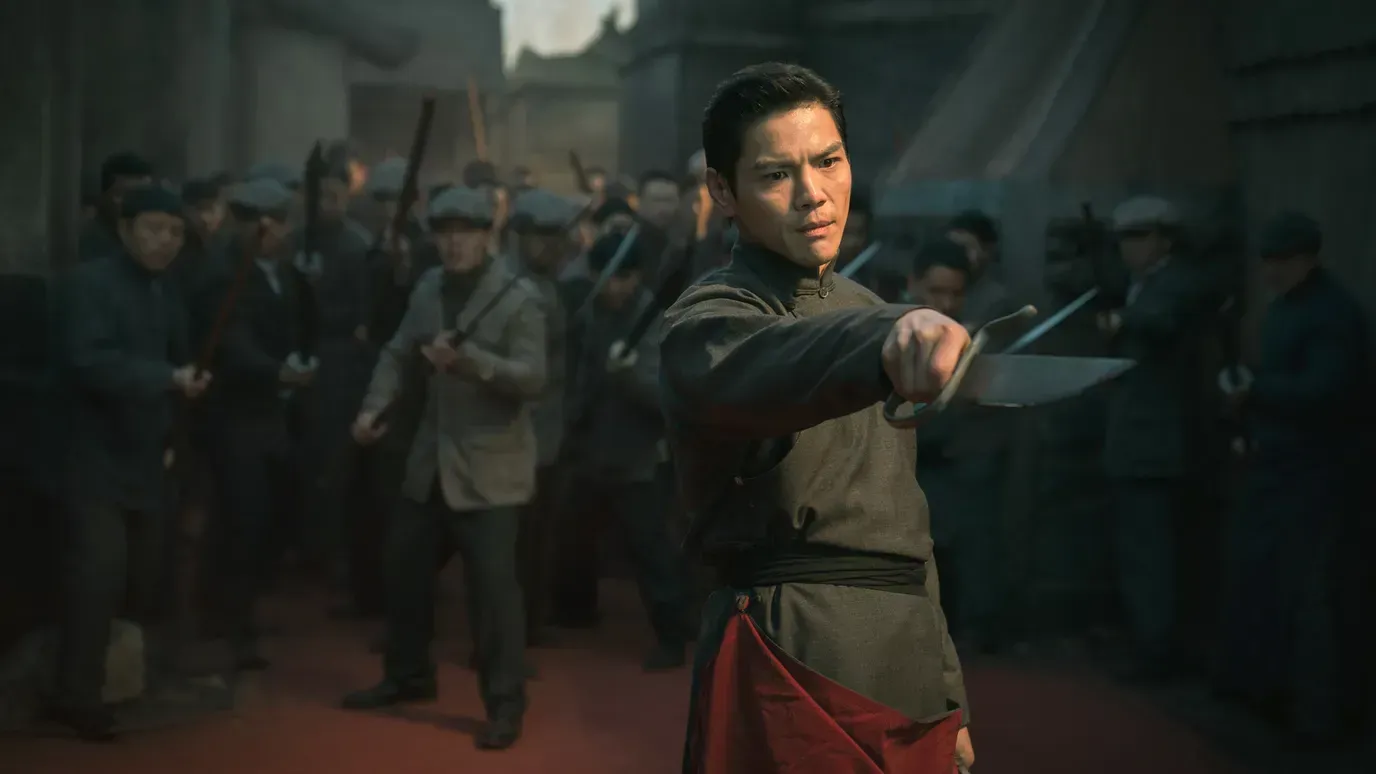
His ambition is driven by this internal struggle, which includes a desire to reclaim his birthright and create an identity separate from the ghost of his father that follows him. He struggles with the futility of such a quest as he pursues validation by winning in each duel. Does winning a fight make you feel good about your self-worth, or does it hide a deeper insecurity? An’s arc is a moving commentary on how pursuing acceptance frequently results in disappointment.
Qi Quan best illustrates the complexities of loyalty and ambition. His initial position as the master’s chosen apprentice seems admirable, but as the narrative progresses, we see the holes in his armor. There is a lot of tension in his relationship with An. What starts as friendship turns into a rivalry full of existential questions. As Quan navigates the tricky waters of loyalty and ambition, he confronts the moral compromises that come with power. This journey shows the burdens of expectation. Their connected stories show that one may lose sight of one’s ethics in pursuing power.
Characters that aren’t main characters, like Chairman Meng, Gui Ying, and Xia An, act as critical comments on the main themes. With her sharp mind and strategic skills, Chairman Meng is a great example of the often-overlooked sense of women having power in a society dominated by men. Her advice to An challenges traditional gender roles, suggesting that strength can take on forms other than physical strength. The character of Gui Ying, a martial artist and teacher, embodies the complexities of loyalty and sacrifice.
She comes across as a keeper of family secrets. Last but not least, Xia An, the daughter of a Western banker who is not her biological mother, adds to the cultural tension by navigating her identity in a world that ignores her. Together, these characters show the darker sides of ambition, honor, and the never-ending pursuit of identity, causing the audience to ponder the complex nature of human desires and their associated costs.
The Weight of Honor: Themes in 100 Yards
Within the martial arts world of 100 Yards, the themes of rivalry and honor show up like jagged edges, with each hit carrying the weight of conflict between people inside and outside the martial arts community. The competitive nature of martial arts serves as a furnace, forming physical ability and existential questions about purpose and identity. The fierce confrontations between Shen An and Qi Quan are more about the basic need for recognition than about the dance of combat.
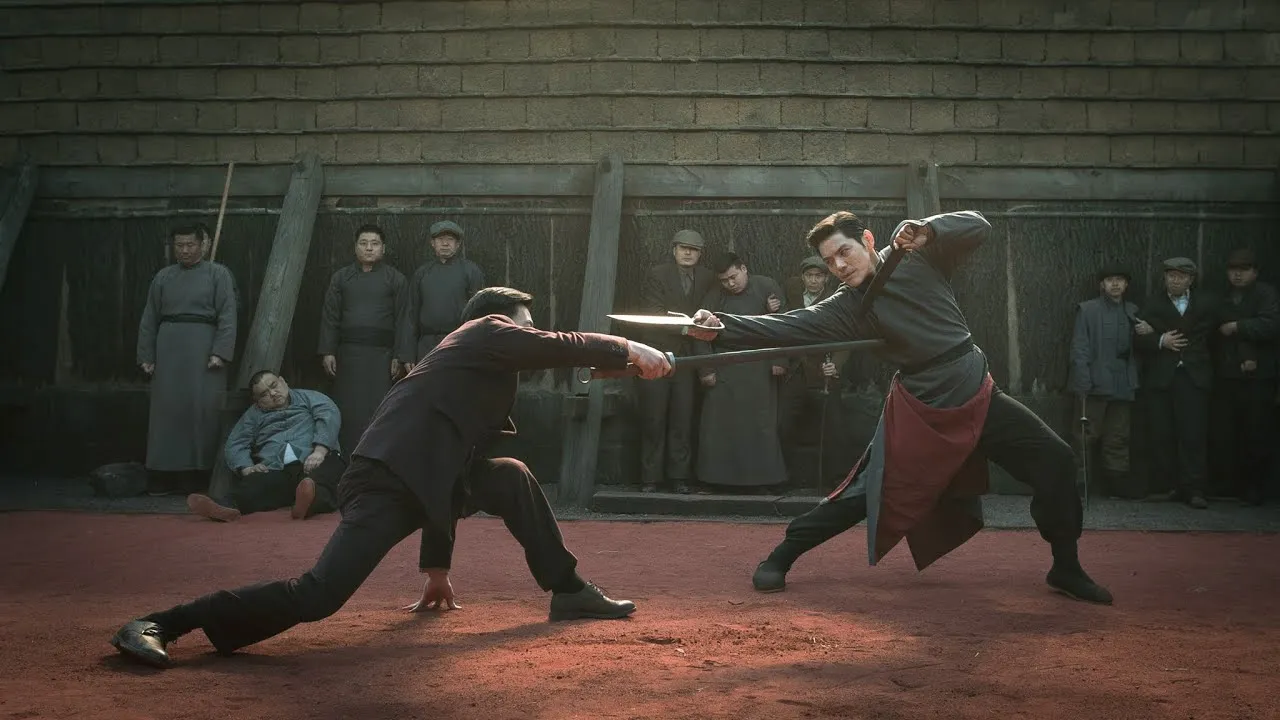
Their rivalry turns into a powerful metaphor for life itself. In a world where winning is often seen as a sign of honor, one has to ask: what price does this honor come at? Unsettling questions about the nature of success and its fleeting satisfaction are brought up by the relentless pursuit of validation within the brutal choreography of their fights.
The theme of tradition versus modernity runs throughout the film and is juxtaposed against this fierce battle. Set in a time when society is changing quickly, 100 Yards looks at how Western influences change martial arts rules around the world. The characters must find their way through a world where the honor of old lessons and the allure of modernity are at odds.
An and Quan grapple with the expectations of their duel while being drawn toward the allure of modern power dynamics, which is how this conflict manifests itself not only in the duel but also in their moral dilemmas. Thus, the film reflects on how tradition can be both a light and a chain, pushing its characters into a dance of compromisation.
The female characters, who challenge the patriarchal structures that support the narrative of the martial arts world, are essential to the plot. The complexities of gender relations are highlighted by individuals like Chairman Meng and Gui Ying, who use their power with subtlety and strength. Their presence forces the male protagonists to confront their vulnerabilities, making them more than just supporting players but rather change agents.
These characters stand out as examples of fortitude and wisdom in a society that frequently looks down on women, suggesting that real strength lies in physical strength and the ability to handle the complicated web of relationships and power. The male characters are affected by them, which makes them rethink what it means to fight—not just for honor but also for connection and understanding in a broken world.
The Art of Combat: Choreography and Vision
The fight scenes in 100 Yards are like a haunting ballet mixed with aggression and grace. Each move is full of artistic beauty and existential stress. The combatants’ inner turmoil is visibly explored through the choreography, which goes beyond simple spectacle. The various combat styles reflect the characters’ psychological states, ranging from smooth wushu moves to intense street fighting.
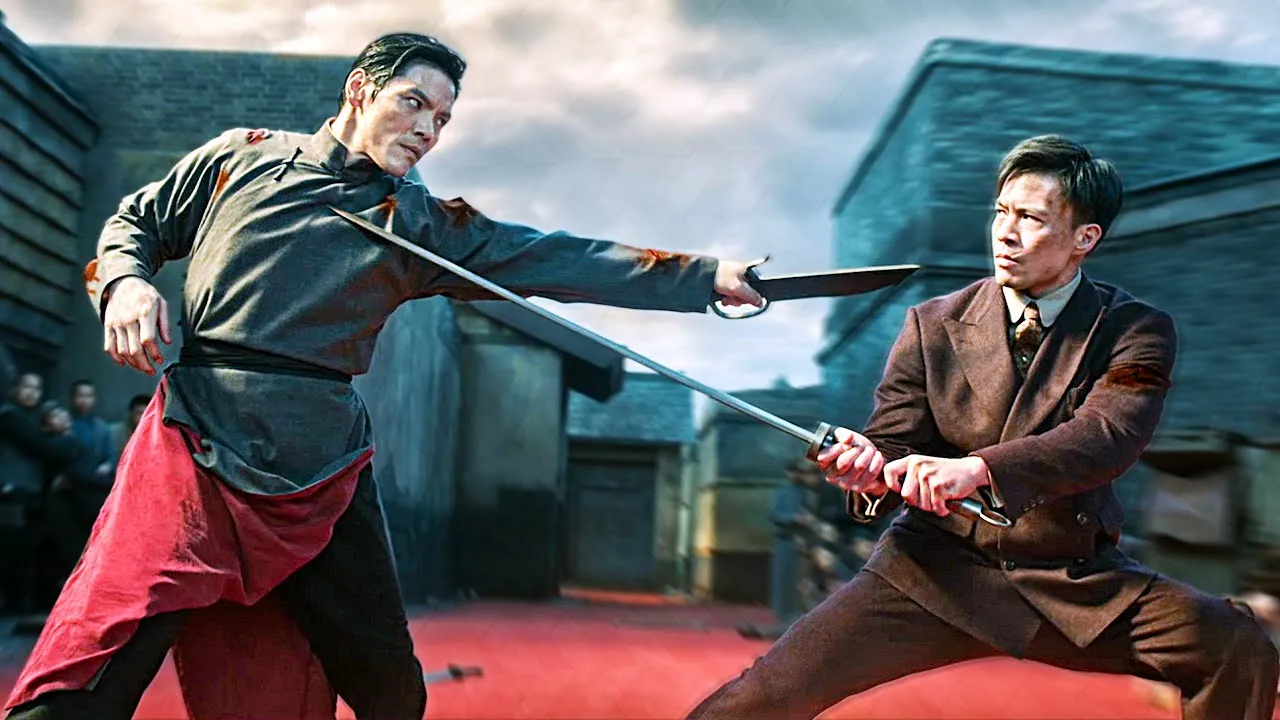
While Qi Quan’s powerful but calculated moves show a man struggling with the weight of expectation, Shen An’s exact strikes show his desperation for validation. Each duel is more than just a battle of strength. It’s an exchange steeped in history, tradition, and personal ambition. Is it possible to truly defeat oneself while fighting another, as the choreography makes us ponder?
The cinematography in 100 Yards elevates these confrontations to an existential realm. The camera dances with the fighters, capturing the raw energy of their fights without losing sight of the narrative. Long takes to put the viewer in the middle of the action, making every blow and counter-blow a powerful statement of purpose.
To highlight the physicality of the combatants’ struggles and encourage viewers to reflect on the larger implications of their conflict, the filmmakers use wide shots that show all of the combatants. The cutting speed-ups during intense confrontations match the rising tension and emotional impact.
There is, however, a contemplative stillness amidst the motion, which serves as a reminder that each blow holds the weight of choice. An important part of the framing is often putting the fighters against the busy streets of Tianjin to show how people’s goals and societal standards can clash. As the camera watches this violent dance, it subtly questions the very nature of honor and identity. The visual tapestry produced is both thrilling and eerie, leaving the audience to grapple with the darker truths beneath the surface of each expertly choreographed exchange.
The Canvas of Conflict: Aesthetic and Auditory Resonance
The visual style of 100 Yards acts as a rich tapestry, weaving together the stories of history, culture, and the existential struggles of its characters. The production design takes viewers to Tianjin in the 1920s, where the remnants of an imperial past clash with the new modernity of a society that is changing quickly. As crumbling walls and busy markets bring the historical setting of the narrative to life, the set designs, which have been painstakingly created, evoke an authentic feeling.
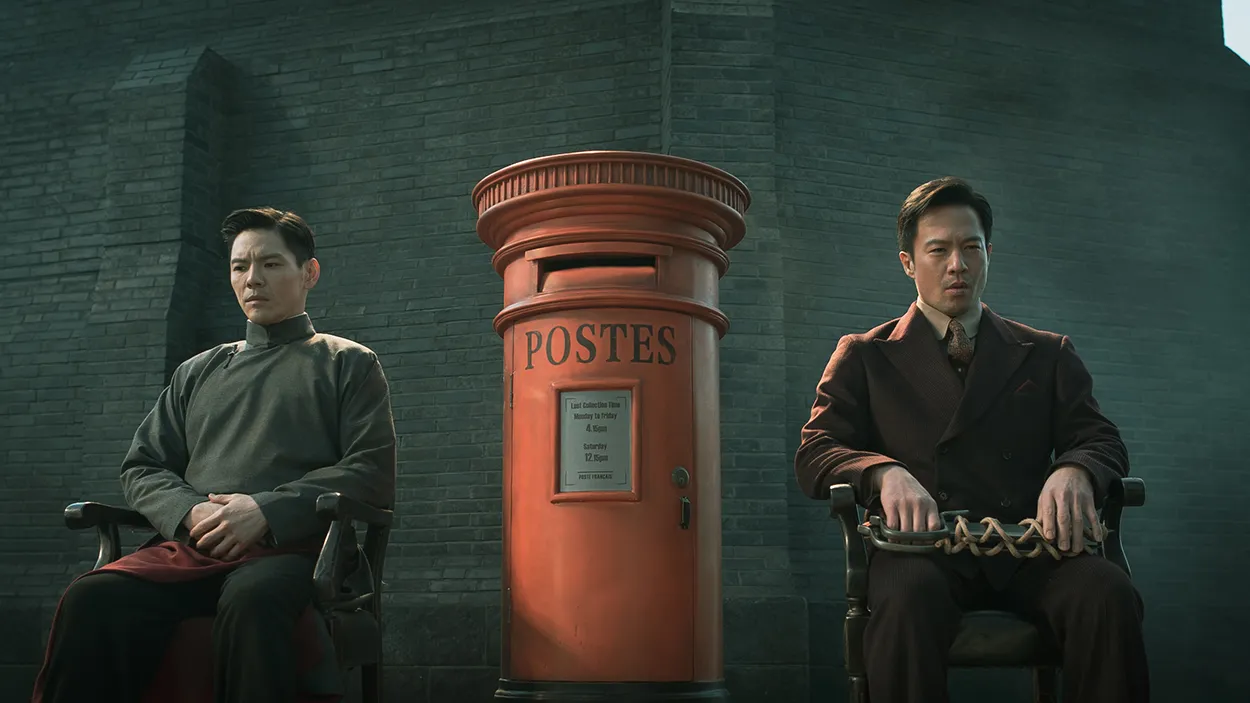
It’s also important that the characters’ clothes reflect both their social status and their inner conflicts. While Qi Quan’s more practical attire alludes to his adaptation to the shifting tides of power, Shen An’s traditional clothing represents his struggle to reconcile with his heritage. The characters’ hopes, fears, and the weight of their legacies are shown through their costumes, which become a silent conversation.
The film’s music, a haunting mix of orchestration that echoes the emotional undercurrents of the narrative, goes well with these visual elements. The music, An Wei wrote, mixes traditional instruments with modern sounds to make a soundscape that mirrors the film’s main themes of identity and conflict.
The soft strains of the erhu make you feel nostalgic and longing, while the thunderous crescendos of the electric guitar and drums break up times of intense feeling. This contrast raises the emotional stakes during important fight scenes and encourages the audience to reflect on the character’s internal struggles.
Existential questions like, “How do our pasts inform our present?” are raised as the music weaves through the film. In the background of our struggles, what tunes are playing? Like the choreography, the music becomes a character in its own right, shaping the emotional arc and serving as a haunting reminder of what each fighter gives up in their quest for honor and self-discovery. 100 Yards is more than just a martial arts film; it invites viewers to engage in a more in-depth investigation of the human experience.
The Duality of Honor: Final Reflections
Combined with intense combat and deep philosophical questions, 100 Yards is a notable entry in the martial arts genre. One of its strengths is the haunting interaction of tradition and modernity, which encourages thought on the nature of honor and identity.
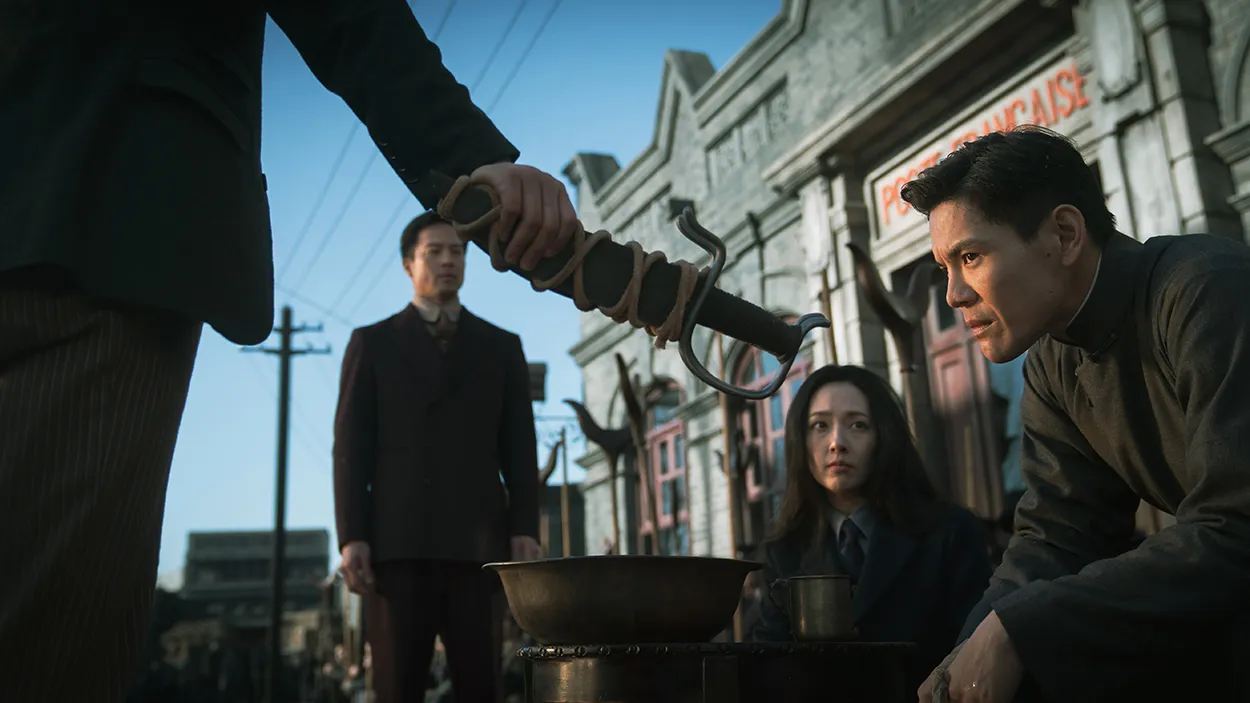
Still, the pace isn’t always steady, which makes it hard to see the emotional weight below the surface. By challenging the conventions of its genre, this film speaks to an audience looking for a more in-depth look at the human condition.
The darker, existential undertones of 100 Yards make it more than just a show of martial skill; it also serves as a moving meditation on the shadows that follow in the pursuit of greatness.
The Review
100 Yards
By weaving a web of rivalry, honor, and existential questions, 100 Yards goes beyond typical martial arts movies. The narrative is elevated by its visually stunning choreography and haunting score, which invites the audience to ponder the deeper questions of identity and legacy. The film explores tradition vs. modernity and the complexities of gender relations, but its pacing problems may make its emotional core harder to see. People who want more than just action will find it fascinating as a reflection on what it means to be human.
PROS
- Rich character development and complex motivations
- Visually stunning choreography that blends various martial arts styles
- Haunting musical score that enhances emotional depth
- Thought-provoking exploration of tradition versus modernity
- Strong female characters that challenge patriarchal norms
CONS
- Occasional pacing issues that detract from emotional impact
- Some narrative threads may feel underdeveloped
- Moments of heavy exposition can disrupt flow