



























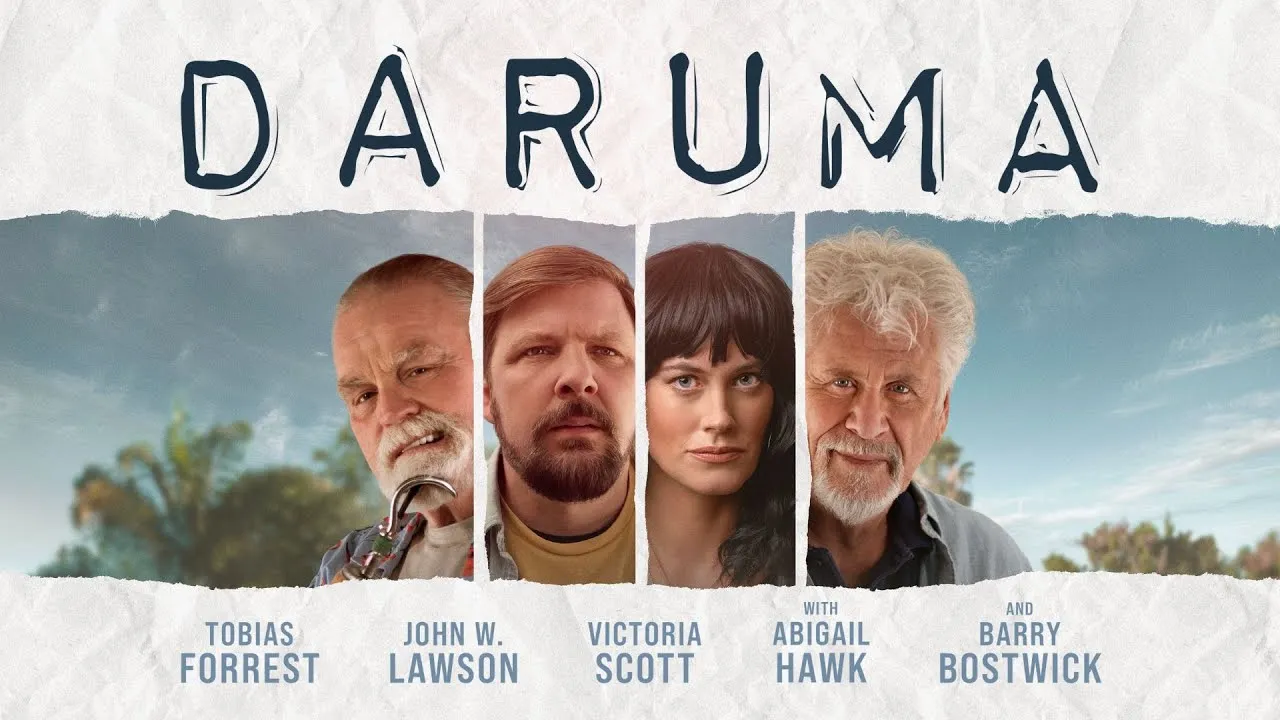

Daruma provides a welcome counternarrative in a movie world that is frequently ruled by stories about overcoming obstacles. Directed by Alexander Yellen, the film tells the story of Patrick, a soldier in a wheelchair who finds out he has a daughter after the death of her mother. By avoiding conventional representations of disability, this realization propels him into a journey of responsibility.
The title, Daruma, refers to the Japanese daruma doll, which stands for determination and good luck. This decision reflects the film’s attitude, which promotes a complex understanding of disability that accepts imperfections as an integral part of being human. The film embraces Patrick’s complexities rather than portraying his life as a series of challenges, in line with a larger cultural trend toward more real and honest portrayals.
Daruma shifts away from patronizing narratives by casting actors with disabilities in prominent parts. The road trip theme of the film symbolizes a journey toward understanding and acceptance and drives the story forward. The pacing may seem hurried, but it mirrors the chaotic nature of real life, illustrating the stresses experienced by people navigating unexpected responsibilities.
In the end, Daruma challenges established tropes and sets a standard for subsequent storytelling, promoting a more inclusive approach to character development in media.
Character Analysis: Navigating Complexity in Daruma
Patrick serves as a compelling focal point for Daruma’s exploration of themes of responsibility and personal growth. Living in a self-imposed exile from important connections, Patrick initially embodies a portrait of bitterness and responsibility.
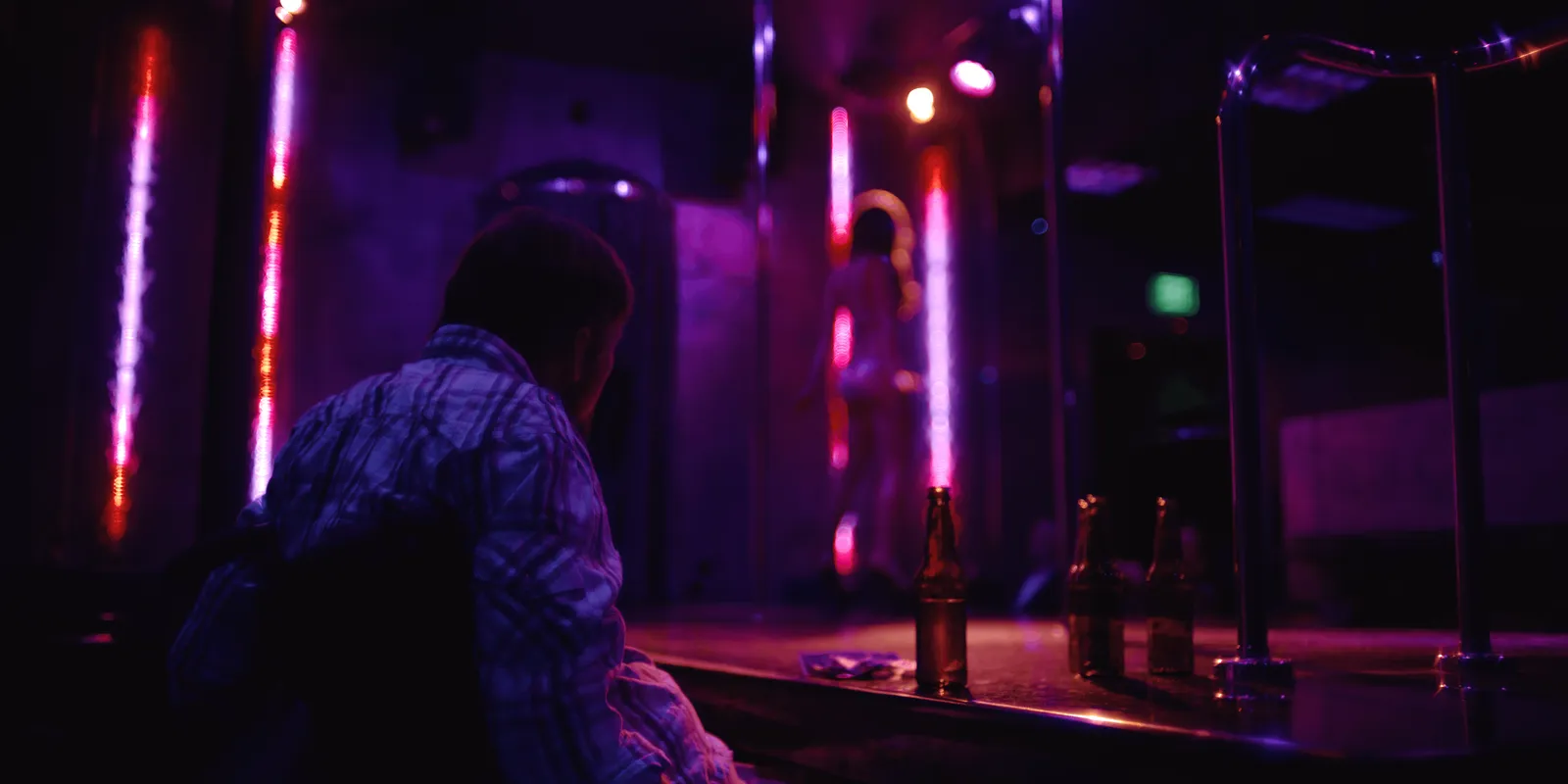
His lifestyle, which includes a lot of drinking and going to strip clubs, shows that he has lost hope in himself and the world. This portrayal is consistent with social narratives that frequently stigmatize people with disabilities, turning them into one-dimensional figures whose only characteristics are their disabilities.
As the story develops, Patrick starts to change. His daughter Camilla’s revelation catalyzes change, forcing him to confront his flaws. This shift, which is not abrupt, brings to light the complexities of human behavior. Patrick’s journey challenges the audience to rethink the common misconceptions about disability. He is not just a “tragic figure” but a flawed person who is capable of growth and redemption.
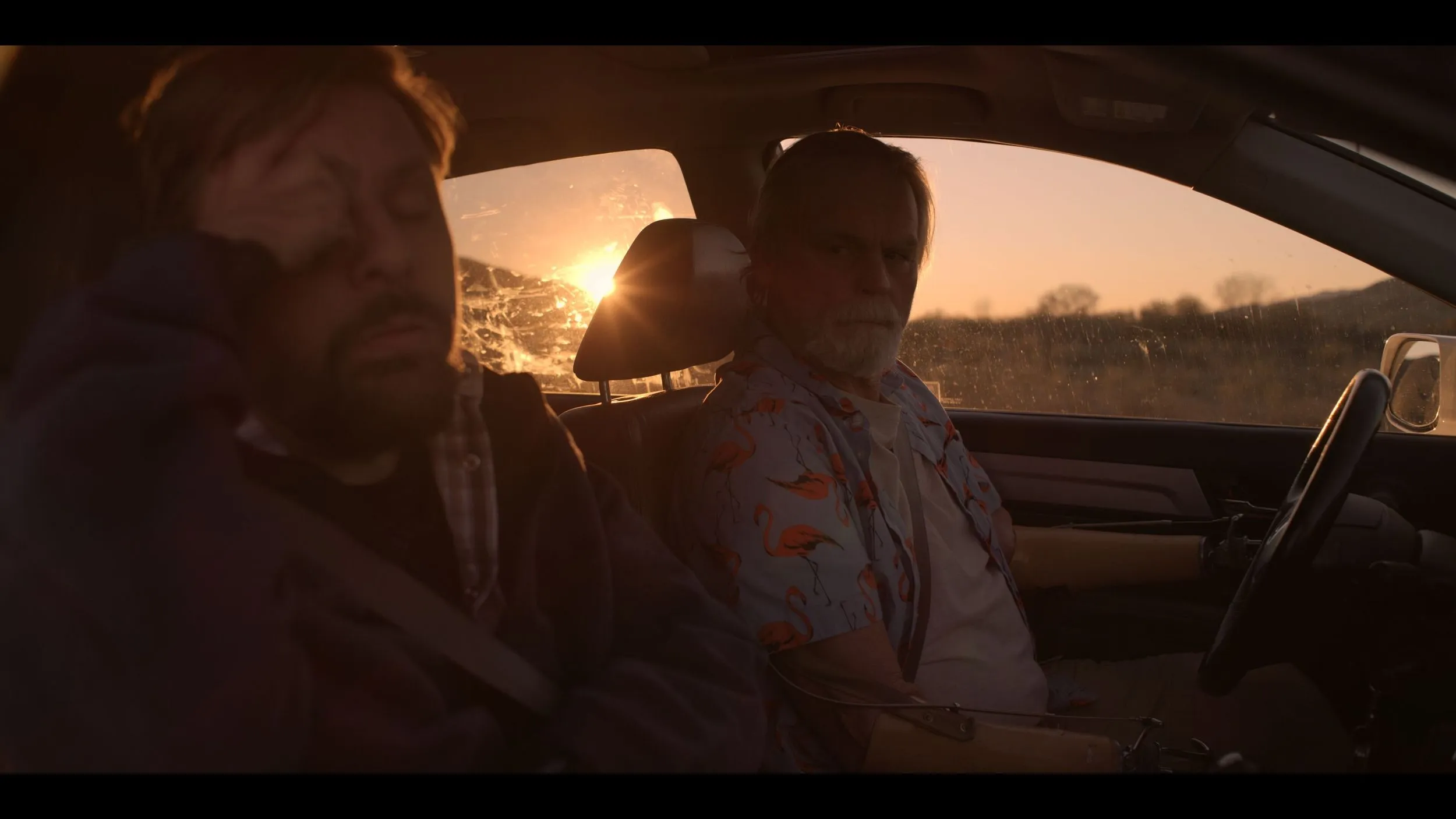
The supporting figures who influence Patrick’s narrative are equally important to his growth. Patrick is contrasted by Robert, a neighbor and fellow warrior. Robert, a double amputee with his baggage, shows the harsh facts of life with a disability in the beginning. However, his grumpy charm and desire to help Patrick on their road trip show that he has empathy and understanding. Their changing relationship highlights a crucial social message: that friendship and support can emerge from shared challenges.
Camilla is Patrick’s young daughter, who he never knew about. She represents innocence and the chance for healing. Her appearance interrupts Patrick’s self-focused life and forces him to handle the responsibilities of being a parent. Through his interactions, we can see that Patrick can love and care for others, leading to his ultimate redemption.
Anna, Patrick’s love interest, furthers his character development. With her sincere interest, she challenges his preconceived ideas of worth and trust. The film uses Anna to examine the delicate balance between vulnerability and connection, illustrating how opening oneself to others is often necessary for healing.
Together, these people create a rich tapestry that reflects the film’s core themes: the intersection of disability, responsibility, and the transformative power of relationships. Daruma encourages viewers to recognize the multifaceted nature of human experience while navigating their complexities, which not only challenges conventional storytelling forms but sparks a larger cultural conversation on representation.
Themes of Authenticity and Redemption in Daruma
In the ongoing conversation about disability representation in media, Daruma is an important cultural artifact. The film’s commitment to real representation, especially in hiring decisions, is a major part of its theme. Daruma avoids the common mistake of able-bodied actors playing disabled characters and ensures that the narratives reflect real-life experiences by casting actors with disabilities in the lead parts.
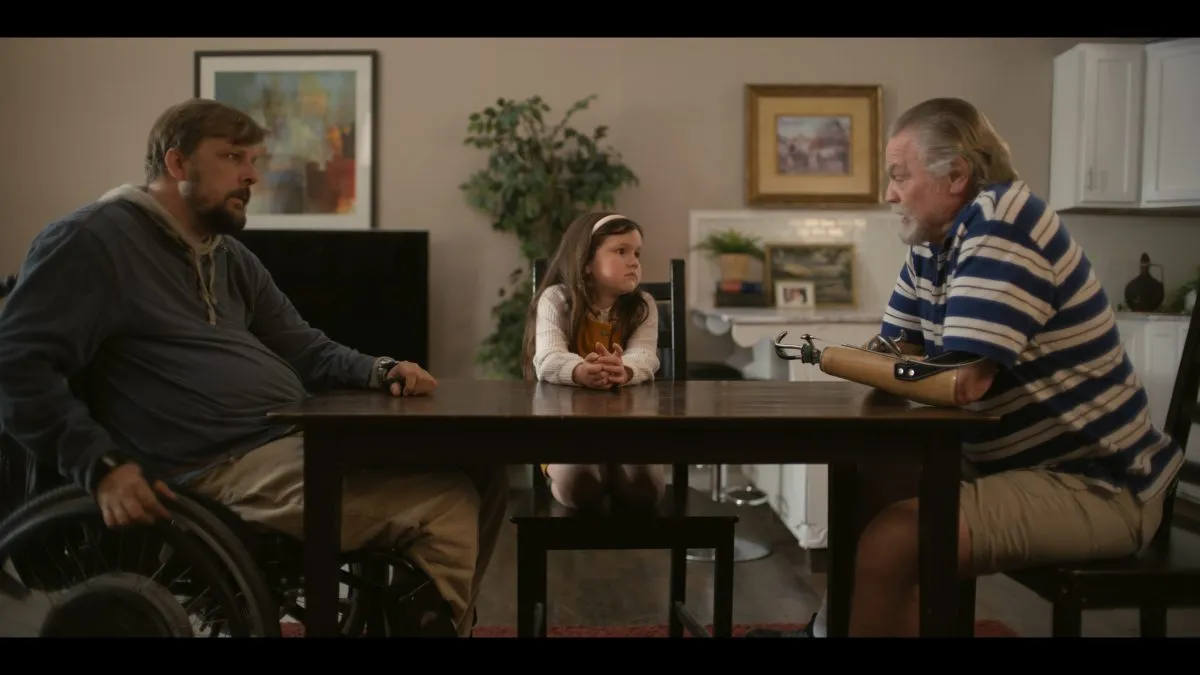
This choice is crucial in an industry often criticized for lacking true representation. Changing how people view disability in popular culture challenges the audience to engage with the characters as more than just symbols of struggle.
The film shows disabilities as an important part of the characters’ lives, but it doesn’t let those disabilities define who they are. Instead of serving as a backdrop to Patrick’s complicated personality and changing relationships, his wheelchair serves as a prop for pity. This careful approach reflects a cultural shift toward understanding that a person’s disability is just one part of their complex identity, echoing larger trends in the media that aim to normalize different experiences.
The representation of redemption and responsibility in Patrick’s journey throughout the film goes hand in hand with this theme. Patrick’s character arc eventually leads him to confront the responsibilities of his newfound role as a parent despite his initial resistance to the idea of fatherhood and his failures. This journey is not without its challenges; it reflects the harsh realities that many people face when grappling with inner demons. The film shows that redemption frequently entails accepting responsibility rather than avoiding it as he works through the complexities of caring for his daughter.
The narrative progresses in a way that mirrors real-life struggles—messy, unpredictable, and full of obstacles—and the pacing of Daruma highlights this theme. Brief bursts of fun balance out the heavier themes at play. This levity and gravity mix encourages viewers to think about their lives, highlighting that growth frequently emerges from challenging situations. The film suggests that taking responsibility for one’s actions can result in significant personal transformation as Patrick learns to accept his flaws. This lesson is very relevant to today’s culture.
Daruma reflects and catalyzes change in many ways. It challenges the entertainment industry to reconsider how stories are told, especially those involving marginalized groups, by fusing genuine representation with themes of redemption. The film’s success in navigating these themes points to a positive change toward more inclusive and representative storytelling in a time when diversity and social justice are becoming increasingly important.
Narrative Structure: Journeying Through Transformation in Daruma
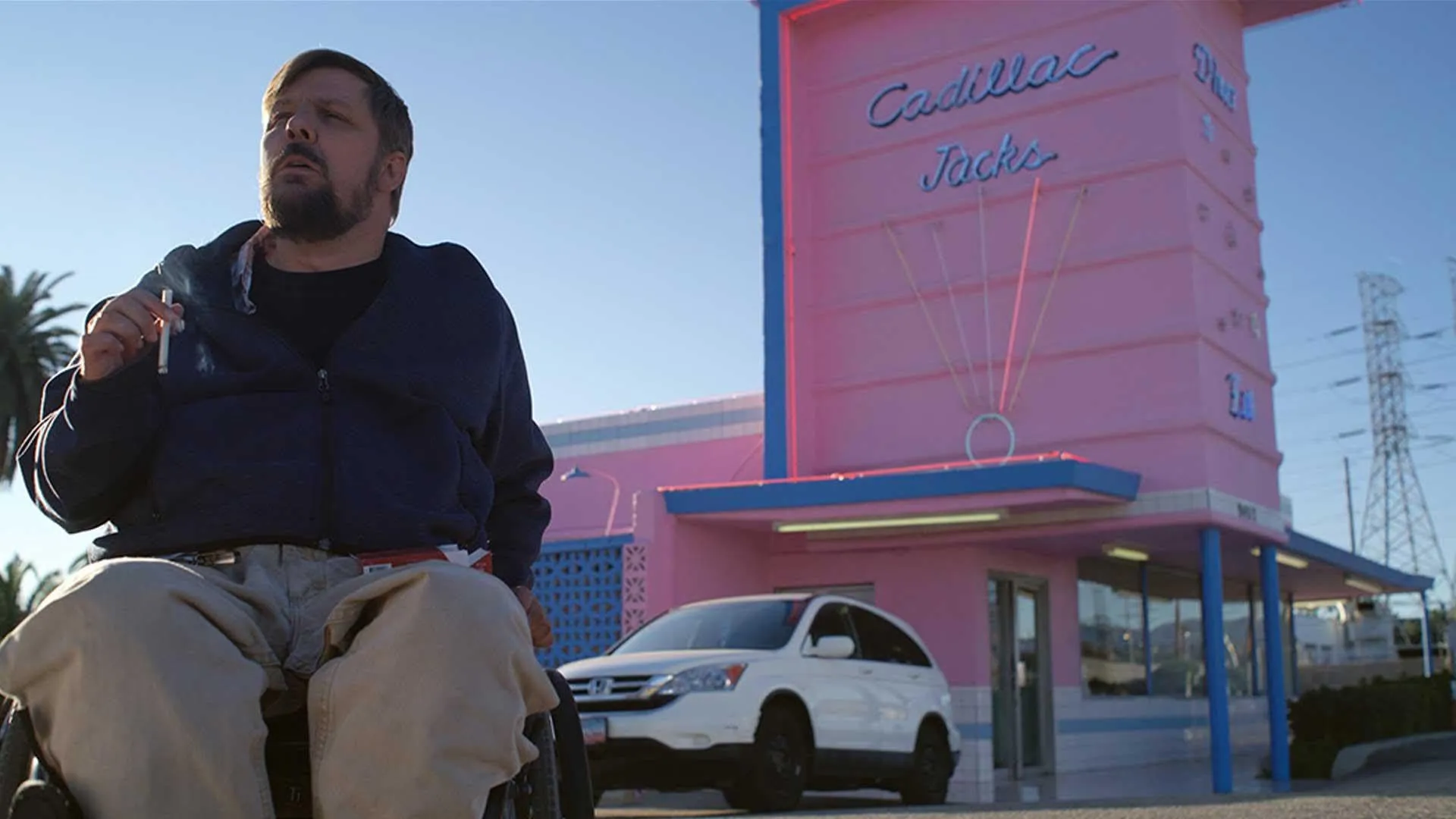
In Daruma, the road trip narrative is a powerful tool for character growth and a plot device. This common theme allows Patrick, a veteran in a wheelchair, to go on a journey that helps him learn more about himself and take on responsibility. Patrick is forced out of his comfort zone and into a series of interactions that test his self-centered worldview by the physical act of traveling across the country with his daughter, Camilla.
This mirrors other films in the genre, like Little Miss Sunshine, where the journey sparks character growth and family reunification amidamid chaos. Daruma stands out by focusing on the complexities of disability throughout its narrative, turning the road trip into a catalyst for change rather than a means to an end.
The film’s pacing greatly influences how these emotional moments connect with the audience. The urgency reflects the chaotic nature of life, especially for Patrick, who is grappling with unexpected fatherhood, even though some scenes may seem rushed. Patrick’s initial reluctance to care for Camilla and subsequent moments of connection with her are key emotional beats interspersed with both funny and sad moments. These transitions are crucial because they foster empathy and let viewers see Patrick’s inner conflict, which increases the film’s emotional impact.
In the end, Daruma’s pacing and structure encourage audiences to engage fully with its themes of redemption and responsibility, providing a narrative experience that resonates on both personal and social levels. It challenges traditional storytelling forms, suggesting that growth often emerges from unexpected journeys.
Visual and Auditory Aspects: Crafting Experience in Daruma
The visual style of Daruma, directed by Alexander Yellen, is very important for enhancing the narrative and creating an immersive experience that reflects the story’s emotional undercurrents. The cinematography uses natural light and close-up shots to immerse the audience in the characters’ emotional worlds, capturing the stark truths of Patrick’s life and the vibrant landscapes they pass through on their road trip.
This method increases the film’s authenticity by letting viewers feel Patrick’s struggles while also celebrating the connection of moments he has with Camilla and Robert. Through thoughtful composition, the images resonate with the film’s themes of redemption, suggesting that beauty can emerge even from chaotic conditions.
The soundtrack and sound design of the film are also very powerful, enhancing the emotional impact at important moments. The carefully chosen music reflects the characters’ internal journeys and the film’s overall tone, moving between levity and heartbreaking sadness.
The background sounds of their travels—rushing wind and busy restaurants—create a sense of reality that further highlights the characters’ changing dynamics. Sound design is crucial for engrossing the audience in Patrick’s world. These auditory elements enhance the film’s emotional resonance, illustrating how sound and visuals strengthen the viewer’s connection to the narrative.
Cultural Significance: Shifting Paradigms in Daruma
Daruma emerges as a crucial contributor to the conversation on disability representation in film, challenging ingrained stereotypes and fostering a more nuanced understanding of the disabled experience. The film reframes the narrative surrounding disabilities, moving away from a focus on tragedy and toward one of resilience and complexity by casting actors with disabilities in important parts, amplifying authentic voices.
This strategy is important in the entertainment industry, traditionally controlled by portrayals of characters without disabilities that frequently reinforce pity or inspiration tropes. Daruma encourages viewers to engage with disability as part of the human condition—connected to themes of love, responsibility, and growth—by placing Patrick and his journey at the center of the narrative.
Daruma affects more than disability representation; it also speaks to more universal themes. The film promotes kindness and understanding, illustrating how connections can lead to healing and change. Patrick’s changing relationship with his daughter, Camilla, serves as a sobering illustration of the importance of empathy. The film highlights the importance of vulnerability in creating genuine bonds as he learns to accept his role as a father. This lesson is particularly pertinent in today’s society, where differences frequently take precedence over similarities.
Daruma skillfully weaves these themes together, setting the stage for future storytelling that values genuine representation and emotional depth. It also reflects current societal shifts. The film’s commitment to inclusivity may lead to a new wave of content that challenges traditional norms, creating a more diverse and richer cinematic landscape as streaming platforms continue to shape global narratives.
Conclusion: A Transformative Journey in Daruma
Daruma is a touching story about disability, personal growth, and connection. Its strengths are the realistic representation of disabled characters, the careful narrative structure, and the commitment to showing disability as a normal part of life rather than a source of pity.
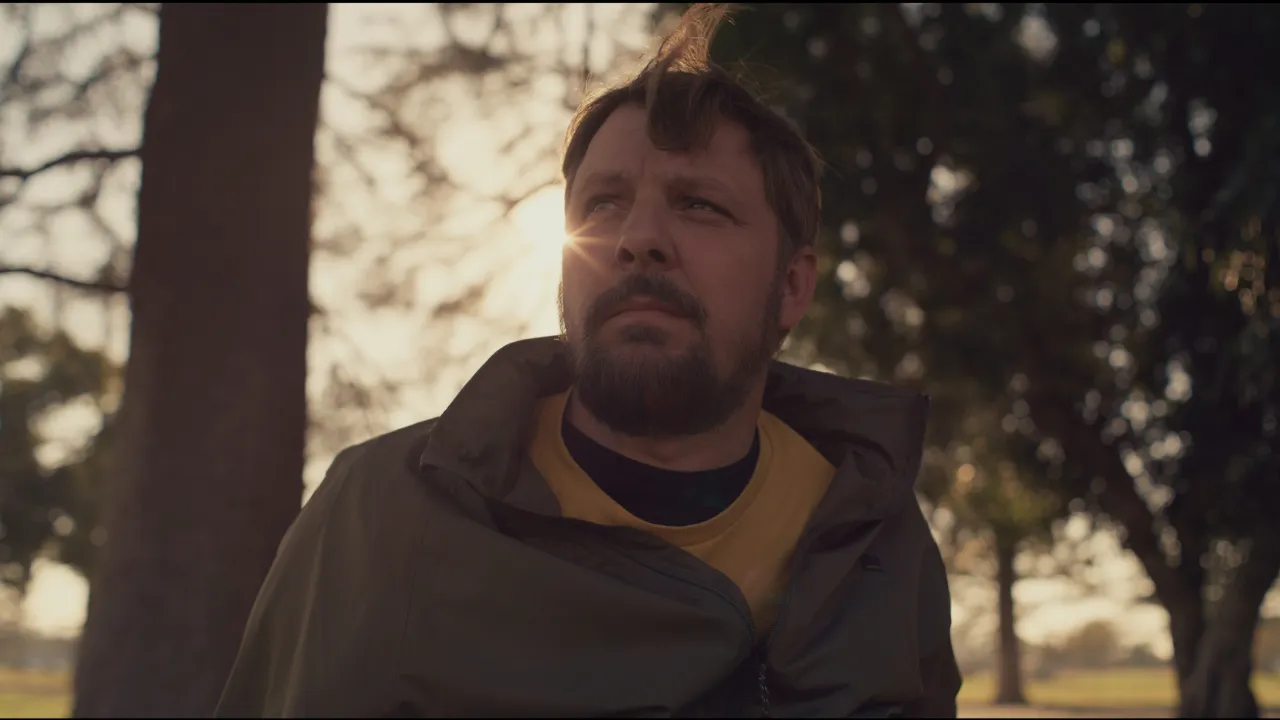
The film skillfully weaves together themes of redemption and bitterness, allowing viewers to see Patrick’s change from bitterness to acceptance, all against the backdrop of a road trip that symbolizes both physical and emotional journeys.
Daruma challenges traditional storytelling conventions in a world where streaming platforms are becoming more prevalent, promoting inclusivity and nuanced character representation.
It encourages viewers to engage with the narratives they watch more critically, highlighting the importance of kindness and understanding in a frequently divided world. Daruma not only gets its place in the discussion of representation but also serves as a strong recommendation for those looking for stories that ring true to authenticity and emotional richness.
The Review
Daruma
The groundbreaking film Daruma explores the themes of disability, redemption, and the transforming power of human connection while expertly fusing authentic narrative with a heartfelt narrative. Its commitment to hiring players with disabilities and its thoughtful depiction of personal growth make it a distinctive part of the film industry. The film challenges social norms while also encouraging empathy and understanding through its compelling narrative and emotional depth. This is a must-see for anyone looking for a deep movie experience.
PROS
- Authentic representation of disability through casting.
- Strong character development and emotional depth.
- Engaging narrative structure that combines humor and poignancy.
- Thoughtful exploration of themes like redemption and responsibility.
- High-quality cinematography and sound design that enhance the storytelling.
CONS
- Some pacing issues in certain scenes may feel rushed.
- Certain character arcs could benefit from deeper exploration.







