





























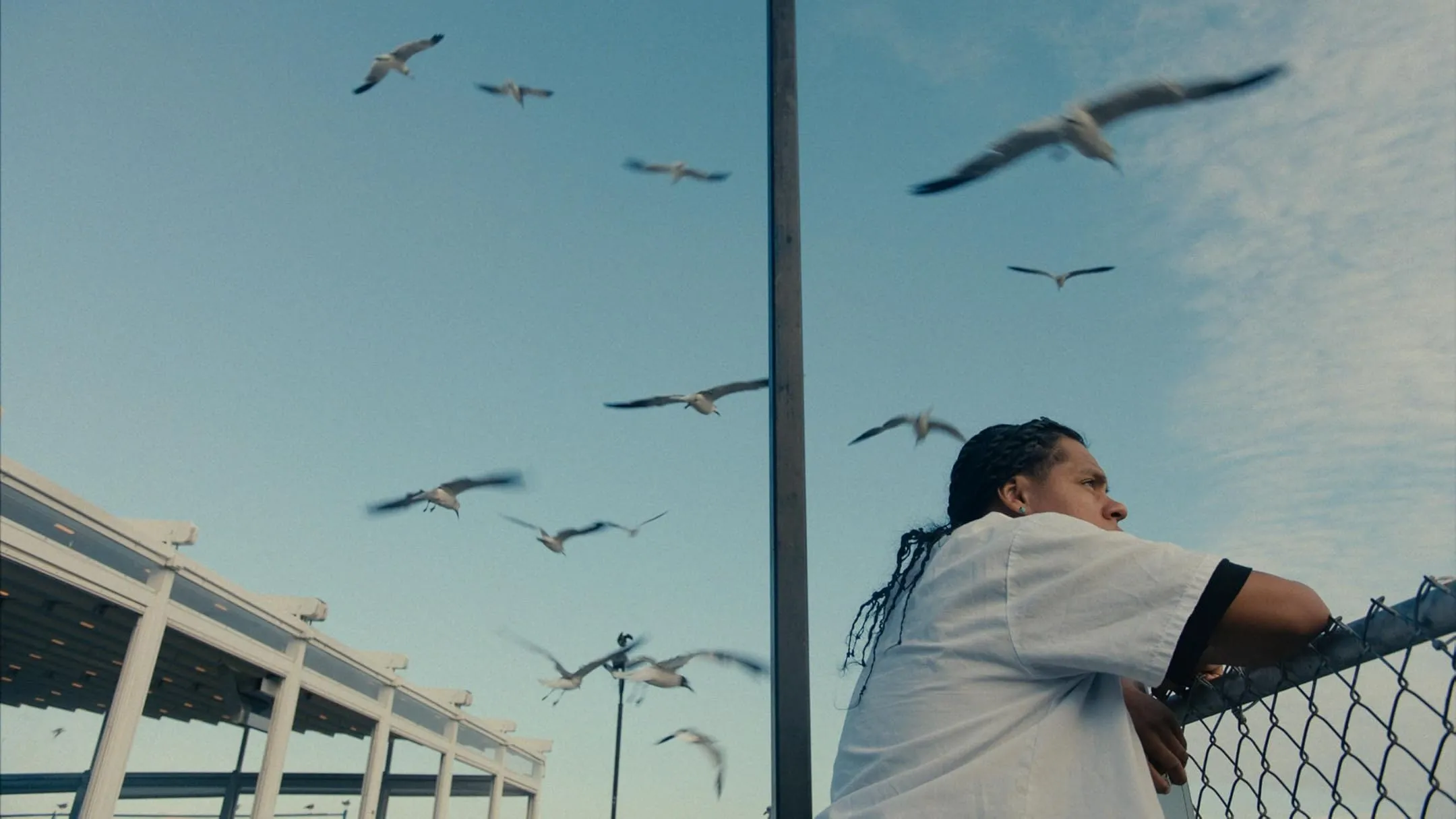

The film unfolds during a hot summer in the Bronx, where long, sunlit days at Orchard Beach contrast with the tight-knit energy of a Dominican American neighborhood. The setting captures both the carefree spirit of local youth and the everyday struggles experienced by those living in a bustling urban community.
In this atmosphere, we meet Rico, a 19-year-old who spends his days on the beach selling homemade “nutcracker” cocktails. His casual street business and playful attitude suggest a life marked by spontaneity and lighthearted fun. However, an unexpected twist emerges when Rico learns that his 16-year-old girlfriend, Destiny, is expecting a baby.
This event shifts the tone of the film, setting up a conflict between his lighthearted pursuits and the unavoidable demands of impending adulthood. The narrative unfolds with a clear focus on the emotional impact of sudden change. Rico’s experiences prompt viewers to consider the effects that youthful exuberance, paired with unanticipated responsibility, can have on personal growth and family relations.
The portrayal of everyday life in the Bronx is both direct and sincere, inviting the audience to reflect on how ordinary moments can transform into significant turning points. An open question lingers about how these life-altering choices will reshape the characters’ futures.
Narrative Structure and Cinematic Techniques
The film unfolds over an intense summer, capturing the repetitive rhythm of Rico’s days while marking clear turning points that shift his carefree existence. Rico’s repeated routines—roaming the beach, managing his small-scale cocktail venture, and navigating family tensions—are depicted with a sense of immediacy. The narrative does not wrap up neatly but instead gives a feel of everyday life, one marked by small yet significant changes that mirror real-life unpredictability.
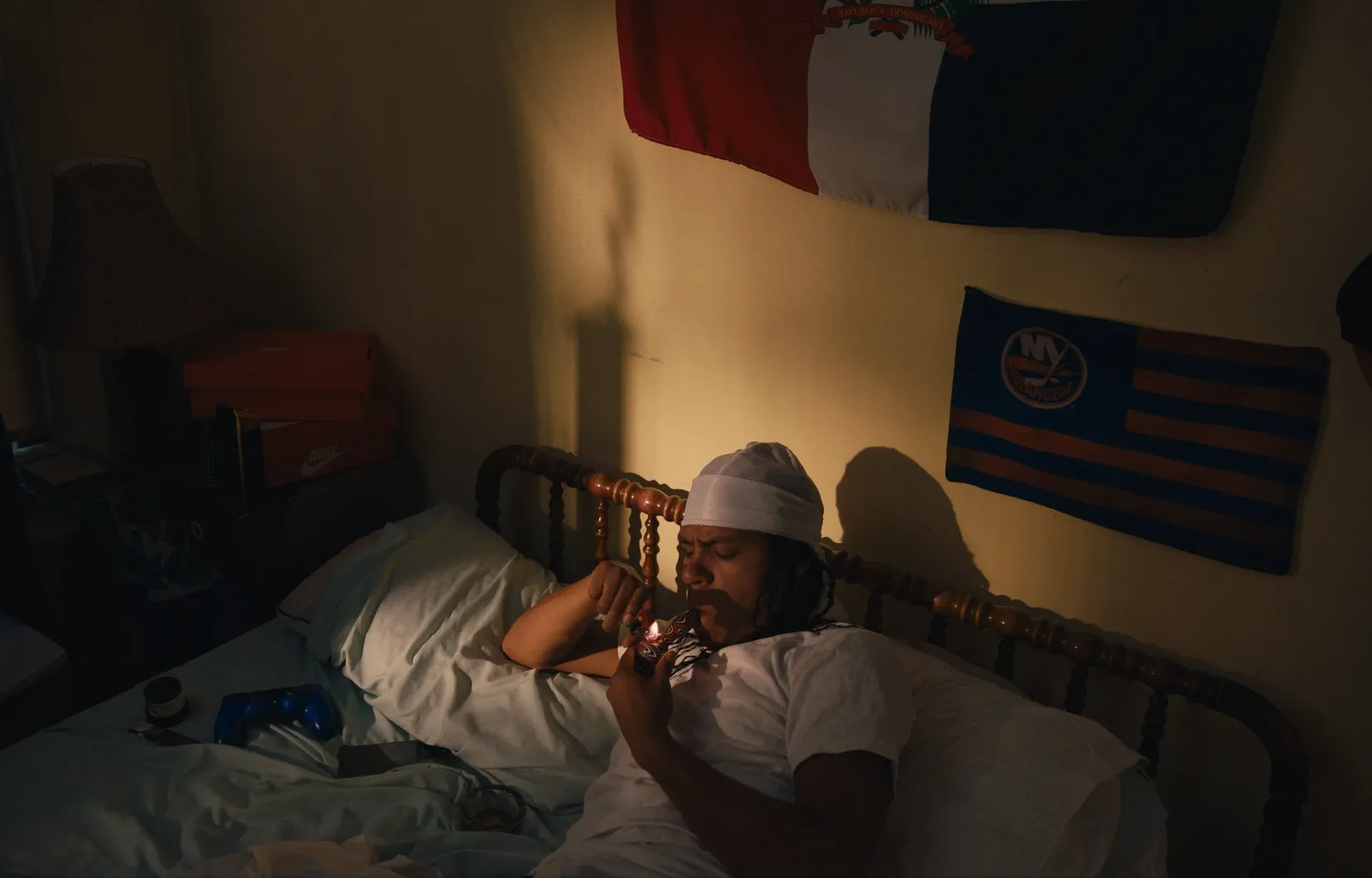
The director employs fixed, static shots that make the film feel like an observational record of life in the Bronx. These shots contribute to a sense of intimacy and realism. The use of a 4:3 aspect ratio brings to mind old photographs, adding warmth and a nostalgia that connects the viewer with the characters’ world in a direct way. Scenes often linger in one frame, inviting the audience to absorb the details of the environment and the subtle shifts in a character’s expression.
Rico’s path threads through moments of light-hearted business antics, heated household disputes, and the weight of new familial responsibilities—all without smoothing over imperfections. One sees his relaxed approach to a small-time entrepreneurial dream gradually mingling with the weight of approaching fatherhood, as marked by his interactions with Destiny and his family. The dialogue in the film carries a quiet power, with everyday exchanges hinting at deeper issues like economic pressures and long-held family resentments.
This blend of rhythmic routines and unpolished turning points challenges viewers to reflect on how simple moments accumulate into significant personal change, leaving a lingering question about the nature of growing up in a world where every day carries its own small but important crisis.
Character Development and Performances
At the heart of Mad Bills to Pay lies the character of Rico, a young man whose confidence, charm, and entrepreneurial dreams are both captivating and deeply flawed. He’s the type of person who, despite lacking any substantial plan or forethought, imagines that his carefree hustle will eventually lead to success.
His “nutty” cocktail business, an emblem of his youthful bravado, seems like the solution to all his problems—until life presents him with the hard truths of impending fatherhood. Rico’s internal conflict is tangible: he dreams of escape from the confines of his environment but is gradually cornered by the responsibilities he can’t avoid.
Juan Collado’s portrayal of Rico offers an insightful performance that captures the contradictions at the heart of the character. His easy-going demeanor, buoyed by a sharp sense of humor, is effective in pulling viewers in, but it’s the subtle shifts in his expressions and actions that highlight his internal turbulence.
As the weight of fatherhood looms, Collado’s portrayal of Rico evolves from one of youthful optimism to a quieter, more contemplative young man—someone who slowly comes to terms with the reality of what’s to come. This transformation is nuanced, never overplayed, and all the more powerful for its restraint.
In contrast to Rico’s brashness is Destiny, played by Destiny Checo. Initially a shy and vulnerable teenager, Destiny’s journey is one of quiet strength. She enters the film as someone who is both literally and figuratively carried by those around her. But as her pregnancy advances, she begins to find her voice, challenging not just Rico’s naive assumptions, but also her own ideas about the future.
Her shift from passive to active participant in her life—and in the life of their child—offers an emotional depth that grounds the narrative’s more chaotic elements. The chemistry between Checo and Collado anchors the film, with their interactions mirroring the delicate balance between trust and responsibility that defines their relationship.
Rico’s mother, Mami, is another standout in the ensemble, played with equal parts love and frustration by Yohanna Florentino. She serves as the grounding force in the family, the one person who can see beyond Rico’s delusions of grandeur. Her relationship with her son is fraught with tension—her concern for him manifests in both scolding and tender moments, and Florentino’s performance captures this duality with impressive sincerity.
Similarly, Rico’s sister, Sally, played by Nathaly Navarro, provides a practical counterpoint to his impulsive nature. While she’s often exasperated by Rico’s antics, her pragmatism and sharp observations make her a crucial voice of reason in the household.
What elevates Mad Bills to Pay is its casting and the depth of the performances. Each character, whether they have a major role or brief appearance, adds a distinct layer to the film’s portrayal of the Bronx community. Their interactions feel authentic, and the ensemble, grounded in everyday struggles, reflects the real emotional complexity of family dynamics. The film’s ability to create such a lived-in world through its characters is what ultimately makes the narrative so emotionally resonant.
Cinematography and Visual Style
Mad Bills to Pay uses its visual style to reinforce the emotional depth and authenticity of its characters’ journeys. The camera work is intentionally restrained, often employing fixed, static shots that create a “fly-on-the-wall” perspective, enhancing the film’s documentary-like realism.
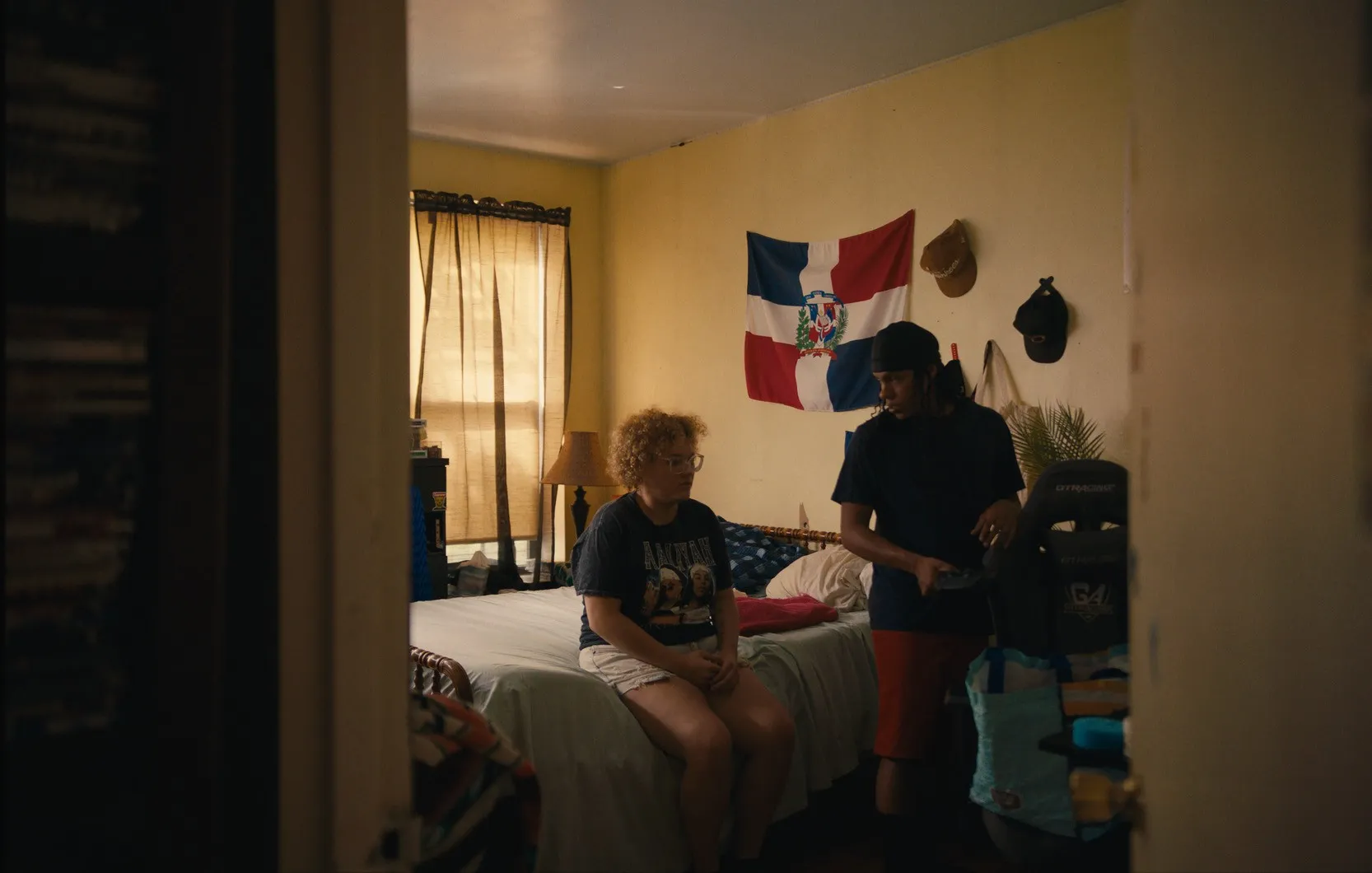
This approach places the viewer in the middle of the action, as though they are an unseen observer of everyday moments. The fixed framing invites us to absorb the smallest details—whether it’s the hesitancy in a character’s body language or the quiet tension simmering between exchanges.
The film’s 4:3 aspect ratio adds another layer of intimacy, evoking a sense of nostalgia that draws parallels to old photographs or Polaroid snapshots. This aspect ratio, coupled with its warm color palette, brings a sense of closeness to the audience, as if we’re experiencing these events through a personal lens. The square frame feels as though we’re glimpsing fleeting moments from the past, giving weight to the sense that these characters are caught in a transitional phase of their lives.
Composition also plays a significant role in conveying the emotional states of the characters. Scenes often include ample headspace, emphasizing the physical and emotional distance between the characters and their environment.
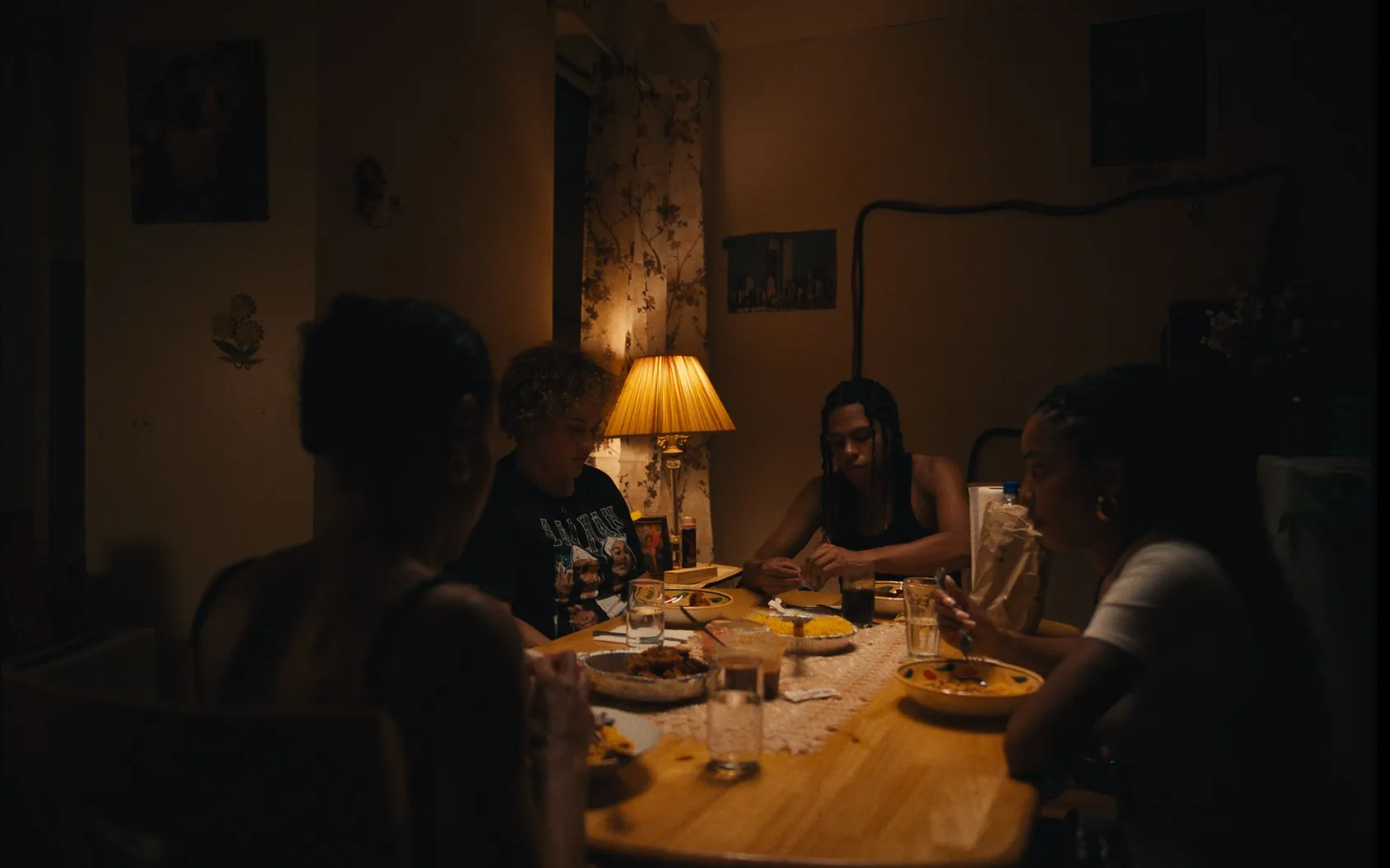
This is particularly evident in the beach sequences, where the vast expanse of the shore mirrors the feeling of isolation Rico experiences as he hustles to make his way in the world. On the flip side, the cramped interiors of the family apartment highlight the pressures of daily life, with the tight framing adding to the sense of confinement, both physically and emotionally.
The lighting and color palette reinforce the film’s summery, sun-drenched ambiance, enhancing its Bronx setting. Natural light floods the scenes, creating a sense of warmth and energy that contrasts with the underlying tensions. When the mood shifts, so too does the lighting—subtle changes in tone reflect the growing weight of responsibility on Rico’s shoulders.
The use of symbolic imagery—like the recurring cooler filled with “nutcrackers” or the ever-present skyline—anchors the film’s themes of aspiration, community, and inevitable change. These visual choices provide a layered understanding of the film’s emotional undercurrents, evoking both the fleeting joy and the looming pressures of adulthood.
Themes and Social Context
Mad Bills to Pay is a rich tapestry of social commentary woven through the personal struggles of its protagonist, Rico. At its core, the film is about maturation—specifically, Rico’s reluctant and often misguided transition from carefree youth to the looming responsibilities of adulthood.
His journey is catalyzed by the impending birth of his child, a literal and symbolic marker of his need to grow up. This theme of personal growth is deeply tied to the tension between Rico’s youthful idealism and the harsh realities of becoming a father. He imagines himself as a success waiting to happen, yet his actions—careless business ventures, inconsistent work ethic, and avoidance of adult responsibilities—constantly pull him back from any real progress.
The film doesn’t shy away from depicting the systemic challenges faced by young people in marginalized communities. Rico’s business hustle—selling “nutcrackers” on the beach—serves as both a symptom and a response to the socioeconomic limitations that define his world. While he dreams of escaping his circumstances, his reality often drags him back into a cycle of disappointment, showing how ambition in a disenfranchised community can sometimes become a form of self-deception.
The unspoken pressures of poverty are echoed in the small, personal decisions Rico makes, from his entrepreneurial hopes to his avoidance of true responsibility. His struggle to balance ambition with realism speaks to a larger, pervasive issue faced by many in similar economic positions: the desire for escape colliding with the difficulty of ever achieving it.
Masculinity, particularly in the absence of a father figure, is another key theme explored through Rico’s character. His behavior, brimming with bravado and self-assuredness, mirrors the pattern of men around him who have failed to fully mature. This lack of a positive male role model creates a complex dynamic in his relationships, particularly with his mother, Mami.
She plays the dual role of protector and enforcer, trying to prevent Rico from making the same mistakes as his father. As the story unfolds, Destiny also enters the picture, not just as a partner, but as an increasingly central figure who forces Rico to consider what it truly means to be a father, himself. Her shift from passive participant to an active voice in their relationship challenges Rico’s immaturity and deepens the emotional complexity of the narrative.
The film also offers an authentic portrayal of the Dominican American experience in the Bronx. Through its bilingual dialogues, community events, and cultural references, the film immerses the viewer in a world of familial pride and generational struggles. The vibrant yet challenging daily life of the community is rendered with authenticity, helping to ground the story in a rich cultural context.
Lastly, Mad Bills to Pay masterfully blends humor and tragedy. Rico’s antics, driven by youthful exuberance and often misguided confidence, provide light moments that make him an oddly endearing character. Yet, these humorous moments are tempered by the stark reality of his situation—one that is far from comedic. The duality of humor and tragedy invites the viewer to empathize with Rico, understanding his flaws and his inability to live up to his own potential. This balance makes the film’s exploration of responsibility all the more poignant.
Directorial Choices, Screenplay, and Sound
Joel Alfonso Vargas’s directorial debut in Mad Bills to Pay is a compelling reflection of his deep understanding of community life. Drawing from his own Dominican American roots, Vargas crafts a film that feels strikingly authentic, especially in its portrayal of family dynamics and the vibrant yet challenging atmosphere of the Bronx.
His intimate connection to the subject matter informs the film’s naturalistic approach, making the characters and their struggles feel undeniably real. One of the standout features of Vargas’s direction is his use of long static shots. These unhurried, fixed frames allow the characters to breathe, immersing the audience in their world. The minimal editing heightens the sense of realism, emphasizing the passage of time and the weight of every moment.
The screenplay, while structured, also leaves room for improvisational dialogue, which adds an extra layer of authenticity. The characters’ conversations, filled with interruptions and spontaneous bursts of emotion, echo the unpredictable nature of real-life interactions.
Lines like Rico’s casual proclamations about his business or his repeated assurances to Destiny that “he’s not a bad guy” capture his youthful delusion in a way that feels effortless yet revealing. These small moments help flesh out the complexity of the characters, especially in the quieter, more introspective scenes.
The pacing of Mad Bills to Pay is deliberate, giving the viewer ample space to absorb the underlying tension between humor and melancholy. Scenes of family squabbles and street interactions unfold slowly, allowing emotional depth to gradually build. The film doesn’t rush toward a climactic resolution, instead allowing the emotional stakes to simmer over time.
Sound plays a crucial role in deepening the film’s cultural and emotional resonance. The eclectic soundtrack, featuring reggaeton beats, hip-hop rhythms, and more orchestral elements, complements the film’s themes of aspiration, frustration, and cultural pride. Music often underscores shifts in Rico’s emotional state, marking transitions in his journey from youthful optimism to a more sobering realization of his responsibilities.
Ambient sounds also play a key part in grounding the narrative, enhancing the authenticity of each scene—whether it’s the hustle and bustle of the beach or the tense quiet of the family home. These sonic choices integrate seamlessly with the visual style, reinforcing the feeling of being fully immersed in the world Vargas has crafted.
The Review
Mad Bills to Pay: (or Destiny, dile que no soy malo)
Mad Bills to Pay offers a raw, immersive look at the struggles of a young man facing the sudden responsibilities of fatherhood. With its authentic portrayal of life in the Bronx, rich performances, and thoughtful direction by Joel Alfonso Vargas, the film excels in capturing the delicate balance between humor and tragedy. While its slow pacing and lack of a traditional resolution might be off-putting for some, the film's emotional resonance and commitment to realism make it a standout indie effort.
PROS
- Authentic portrayal of Dominican American life in the Bronx.
- Strong performances, especially from Juan Collado and Destiny Checo.
- Thoughtful use of naturalistic direction and fixed shots.
- Realistic, relatable characters with nuanced emotional journeys.
- Eclectic and culturally resonant soundtrack.
CONS
- Slow pacing may be frustrating for some viewers.
- Lack of a traditional climax or resolution.
- Certain moments may feel too drawn out or awkward.