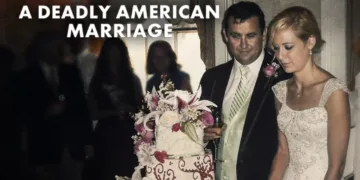
















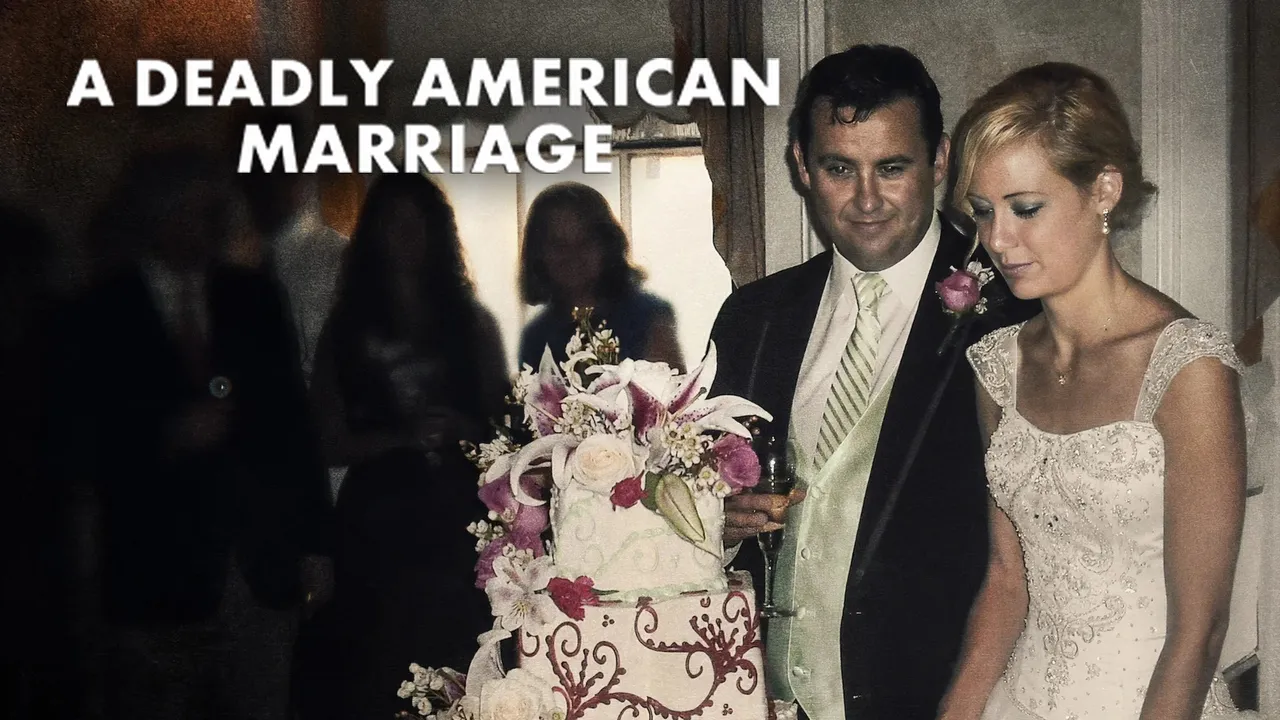

The documentary A Deadly American Marriage unfolds against two very different backdrops: the windswept hills of County Limerick, where Jason Corbett first faced loss after his wife’s sudden asthma death in 2006, and the sunlit suburbs of Wallburg, North Carolina, to which he moved in 2011 with his children Jack and Sarah. That transatlantic shift carries more than geography; it exposes contrasts in family norms, legal expectations and the rhythms of everyday life on both sides of the ocean.
When Jason marries Molly Martens—an American au pair turned stepmother—the film quietly questions how cultural assumptions about marriage and authority collide. Viewers witness crime‑scene photos drenched in red, then cut to Molly and her ex‑FBI father calmly recounting a self‑defence claim: Jason, they say, attacked first and paid the price. That delayed presentation of their voices creates a rhythm more common to serialized thrillers than to standard court‑room documentaries.
Across 90 minutes, the directors stitch together police interviews, home videos and witness testimony to trace the legal odyssey from 2017’s second‑degree murder verdict through a 2020 appeals reversal to a 2023 plea deal and release. Visual storytelling techniques—sharp close‑ups on shattered skull fragments, wide shots of grieving relatives—play against the measured cadence of on‑camera confessions.
By presenting this case through both Irish reticence and American forensic zeal, the film asks us to consider how justice is shaped by regional history as much as by evidence—and leaves us pondering which truths survive when cultures and courts collide.
Temporal Tensions and Pacing
The film begins with an understated moment from rural Ireland: Jason Corbett racing to save his first wife, Mags, amid a sudden asthma crisis. That prologue anchors viewers in an Irish sense of communal grief before shifting to North Carolina in 2011, where Jason’s children adjust to their new stepmother, Molly Martens—a move that carries the weight of diaries in one country and court testimony in another. The chronological progression emphasizes how grief and hope intertwine across two continents.
Early scenes sketch the single father’s routine in Kilkenny: local laughter at a rugby match, a lullaby in Gaelic sung to Sarah. After crossing the Atlantic, those rhythms give way to American suburbia: manicured lawns, PTA meetings, the hum of white-picket-fence life. This contrast sets up a mounting undercurrent of tension.
As small fractures in the marriage emerge, the directors thread audio from hidden recorders into family videos. Brief glimpses of the children’s whispered therapy sessions suggest a silent struggle that American social workers later label “coached testimony,” yet the cameras stay close enough for viewers to sense their confusion. Then the reconstruction of August 2, 2015, unfolds in stark still frames—a brick stained with hair, a blood‑soaked wall—intercut with Molly’s quiet admission and Tom’s matter‑of‑fact confession.
Courtroom sequences proceed at a different clip. The 2017 verdict and the gruesome autopsy report arrive in swift succession, only to be paused by appellate deliberations in 2020. When the film returns to Sarah and Jack’s testimony, time feels elastic, echoing traditions of oral witness in both Irish courts and American juries. By withholding Molly and Tom’s perspective until the midpoint, the directors reflect cultural modes of truth‑seeking: in Ireland, stories surface gradually; in the U.S., revelations land centerstage.
Directorial Dialects and Visual Syntax
Building on their respective roots in British and American true‑crime storytelling, Jessica Burgess and Jenny Popplewell bring distinct cultural sensibilities to A Deadly American Marriage. Burgess, having honed a lean, character‑driven approach on American Murder: The Family Next Door and Rich & Shameless, meshes with Popplewell’s precision in psychological exposition from What Jennifer Did. Together, they forge a transatlantic directing style that nods to the restrained pacing of Irish documentaries while embracing the glossy, high‑contrast visuals favored by U.S. streaming platforms.
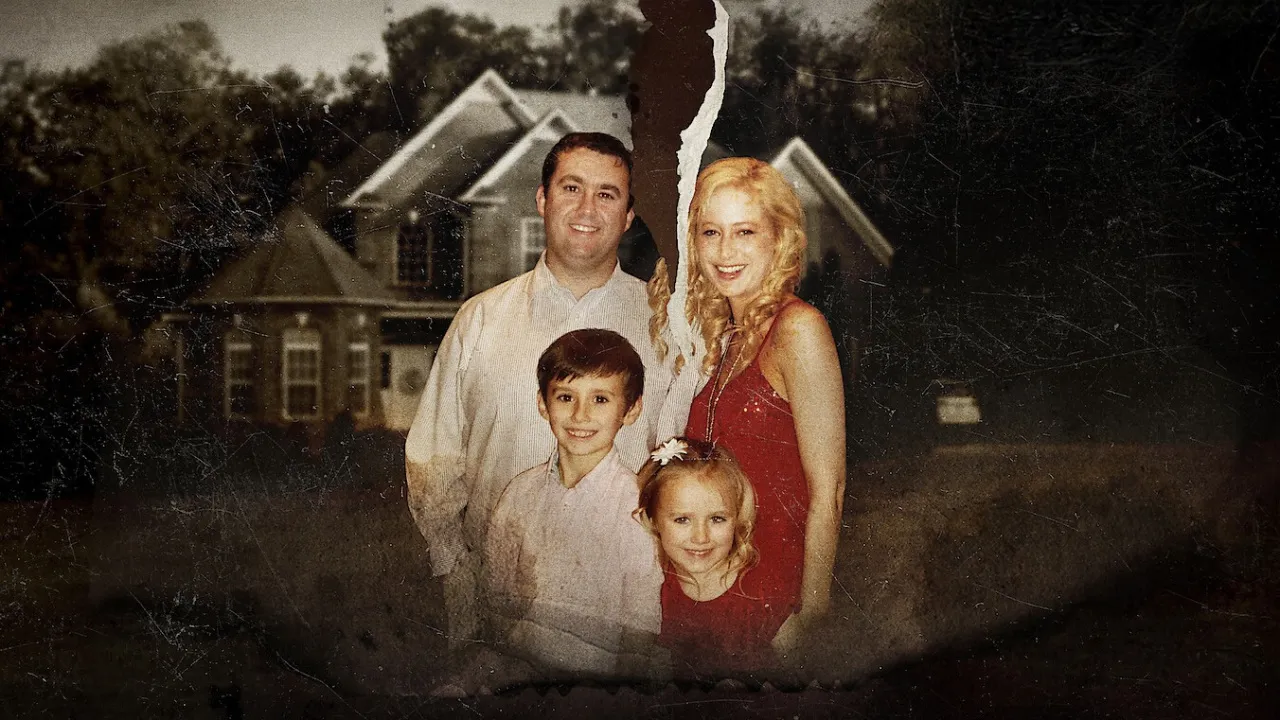
Visually, the film layers archival home‑video clips of Jason Corbett tossing a rugby ball in County Limerick with text‑message screenshots and social‑media posts that feel lifted from a Tokyo‑based narrative game’s inventory screen. The effect is a humanizing collage that echoes the immediacy of handheld European vérité with the sleek UI overlays popular in narrative‑driven titles like Life Is Strange. Crime‑scene stills—blood‑spattered walls, a concrete brick speckled with hair—are framed in wide aspect ratios, amplifying shock value even as they retain the documentary’s sober tone.
Editing choices heighten this cross‑media interplay. Courtroom testimonies cut abruptly into Molly and Tom’s police‑station confessions, a technique reminiscent of episodic branching in adventure games: the prosecution’s linear narrative gives way to a diverging mid‑game reveal of the defense’s ‘playable’ account. The delayed scheduling of their interviews until midway serves as a cinematic equivalent of unlocking a hidden content patch, destabilizing viewer assumptions.
Sound design underscores these contrasts. Sparse musical cues surface only during moments of cultural dissonance—an accordion riff when the Corbetts recall Ireland, a muted snare drum as the North Carolina trial unfolds. Strategic silences punctuate the most graphic revelations, until the chilling 911 call emerges: Molly and Tom counting out CPR cadence with uncanny precision, a moment that blurs documentary authenticity and scripted performance.
Yet this “both‑sides” structure raises ethical questions: does the film’s yo‑yo arrangement foster genuine inquiry or lean into sensationalist game‑like toggles? By framing evidence through alternating cultural lenses, the directors invite us to consider who truly controls the narrative—and whether truth can survive such deliberate editing.
Polyphonic Portraits Across Cultures
Jason Corbett emerges through the gentle cadence of his sister’s memories—Tracey Corbett‑Lynch recalls his laughter echoing in local pubs, while brother‑in‑law David Lynch paints him as the steadfast anchor of an Irish family battered by early loss. This portrayal taps into Celtic storytelling traditions, where personal honor and communal bonds define a man’s legacy. Yet the film undercuts that reverence with defense insinuations of dark impulses—a tactic more common to American true‑crime tropes—casting doubt on everything we’ve come to believe about his character.
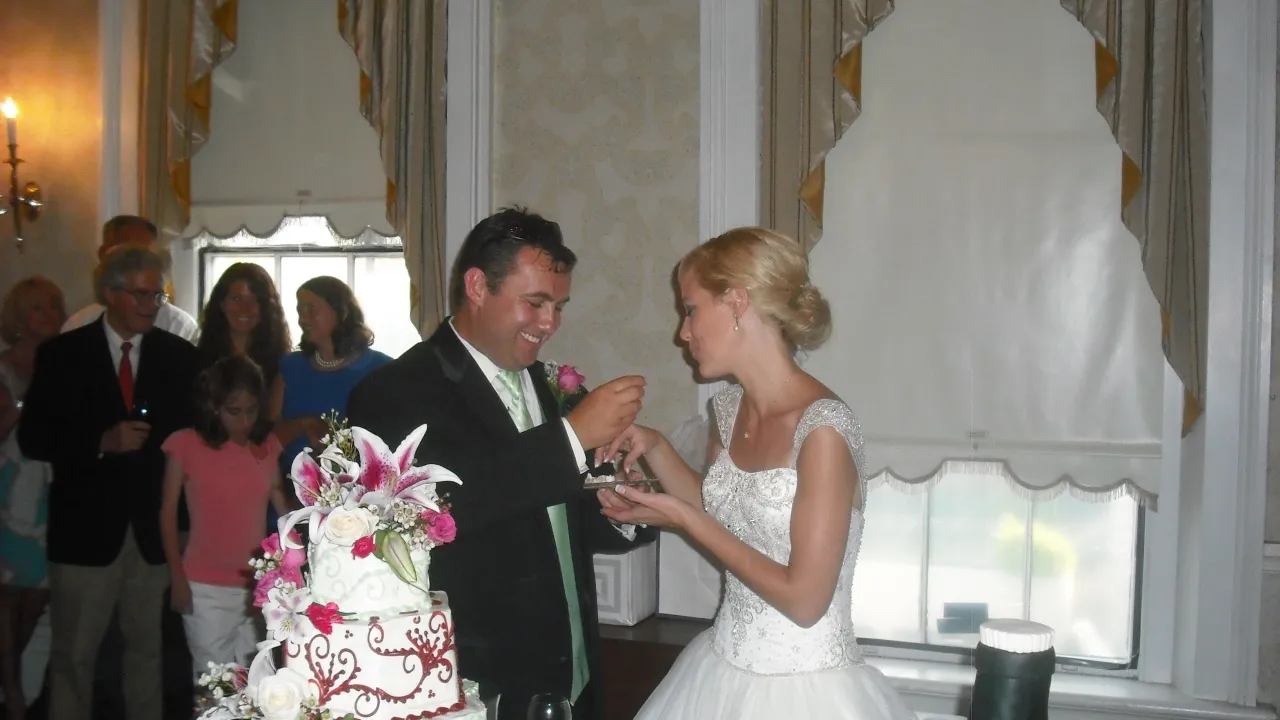
Molly and Thomas Martens take the screen post‑prison with a calm reserve that feels almost rehearsed, their composure suggesting an FBI‑honed awareness of every camera angle. That restraint clashes with the rawness expected in Irish‑styled vérité, raising questions about authenticity. Their lack of physical marks—despite confessing to a violent struggle—mirrors the polished avatars of narrative games, where damage registers only when convenient to the plot.
The testimonies of Jack and Sarah land with the emotional gravity of coming‑of‑age narratives found in global indie films. Initially coached to depict Jason as abusive, their voices tremble in therapy footage, revealing trauma layered by manipulation. When they recant, the shift resonates like a player unlocking a hidden dialogue branch—each update reframing prior events and forcing us to reconsider who holds the power to write a story.
Prosecutor Alan Martin’s choking recounting of autopsy horrors channels the passion of Southern Gothic courtroom dramas, while Lt. Wanda Thompson’s dilemma—are they victims or victimizers?—echoes debates in restorative justice circles worldwide. Child psychologists and defense experts alike punctuate the film with voices from social‑care systems as varied as the Irish family unit and the U.S. legal apparatus.
Even peripheral figures—Sharon Martens, who slept through the killing, and Mags’s relatives, who fiercely reject any suggestion of foul play in 2006—embody regional attitudes toward duty and honor. In weaving these disparate perspectives, the documentary asks whether a single truth can survive when it’s refracted through so many cultural lenses.
Fragmented Realities and Moral Quicksand
A Deadly American Marriage assembles competing narratives like pieces of an unending puzzle, refusing to hand viewers a single truth. The directors’ choice to “both‑sides” the case—shifting between prosecution experts and Molly and Tom’s own account—echoes the branching dialogue trees of interactive crime thrillers, where every new confession unlocks another layer of doubt. In doing so, the film asks whether true‑crime documentaries can ever escape the tug between journalistic rigor and showmanship.
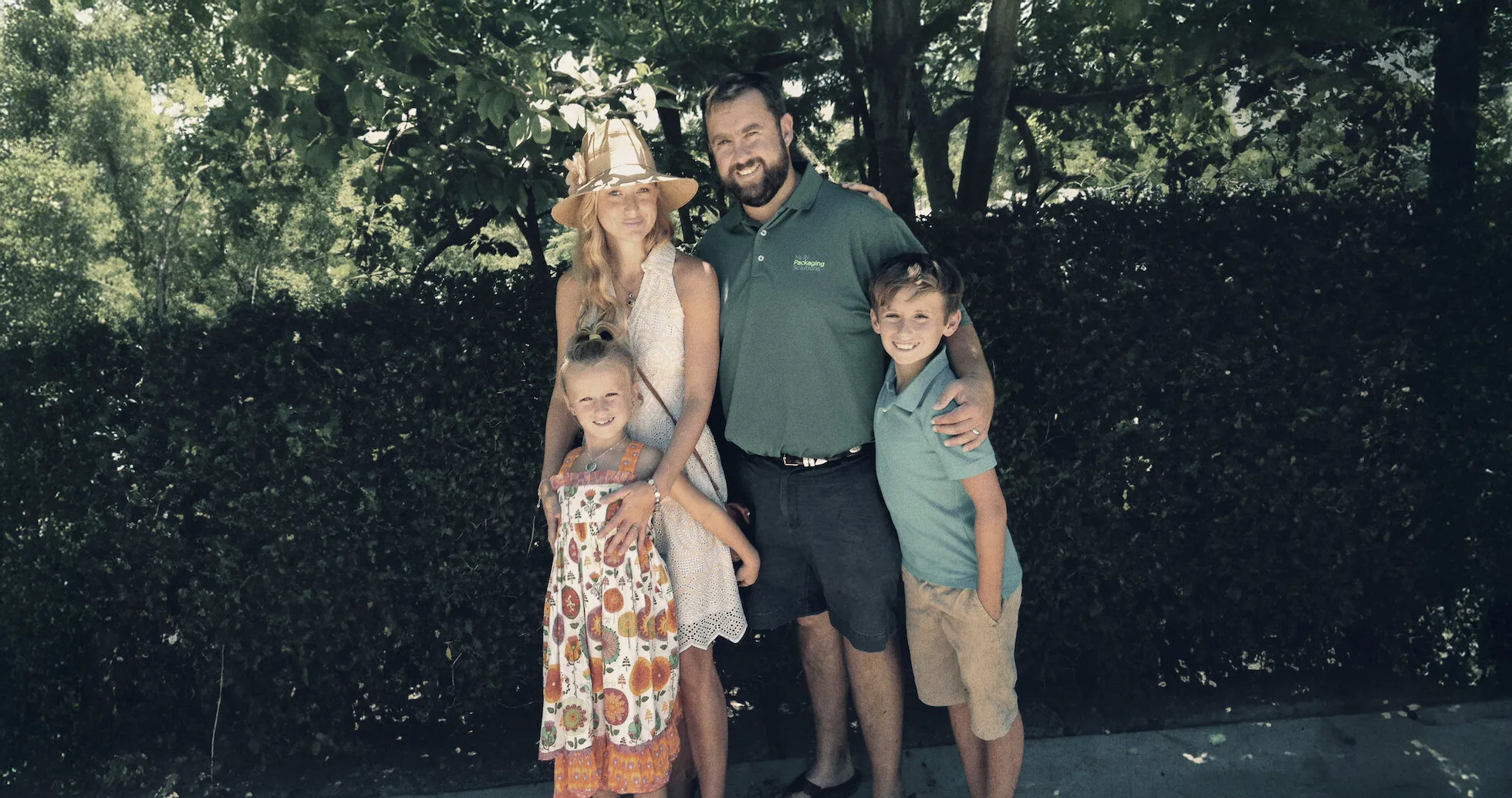
At its heart is a story of family trust upended. Scenes of Molly removing photographs of Jason’s first wife recall ritualistic erasures found in global cinema—moments when characters rewrite history to secure new loyalties. Those visual metaphors underscore how marital conflict corrodes parent‑child bonds, turning a home into contested territory rather than a sanctuary.
The legal saga itself becomes a commentary on justice systems across borders. The exclusion of Jack and Sarah’s early testimony—later deemed pivotal by an appeals court—and the pragmatic plea deal highlight the gap between moral truth and courtroom strategy, a tension familiar to viewers of both European courtroom dramas and American procedural series.
Netflix’s platform amplifies every gruesome still and narrative twist, raising ethical questions about sensationalism versus responsible reporting. Meanwhile, revelations about hidden recording devices and coached testimonies mirror power dynamics in both Old World oral traditions and modern surveillance cultures—leaving us to wonder which version of events will endure.
Ethical Echoes and Emotional Reverberations
Viewers are immediately drawn into Jason’s world—first as a grieving widower navigating Irish loss, then as a devoted father in suburban America—only to recoil at the visceral brutality of that fateful night. Each crime‑scene still sparks horror, then shifts into sympathy when we witness Jack and Sarah’s shaken reflections. That emotional pendulum mirrors the ebb and flow of cultural storytelling, where sorrow and shock coexist in both Celtic mournful ballads and Hollywood thrillers.
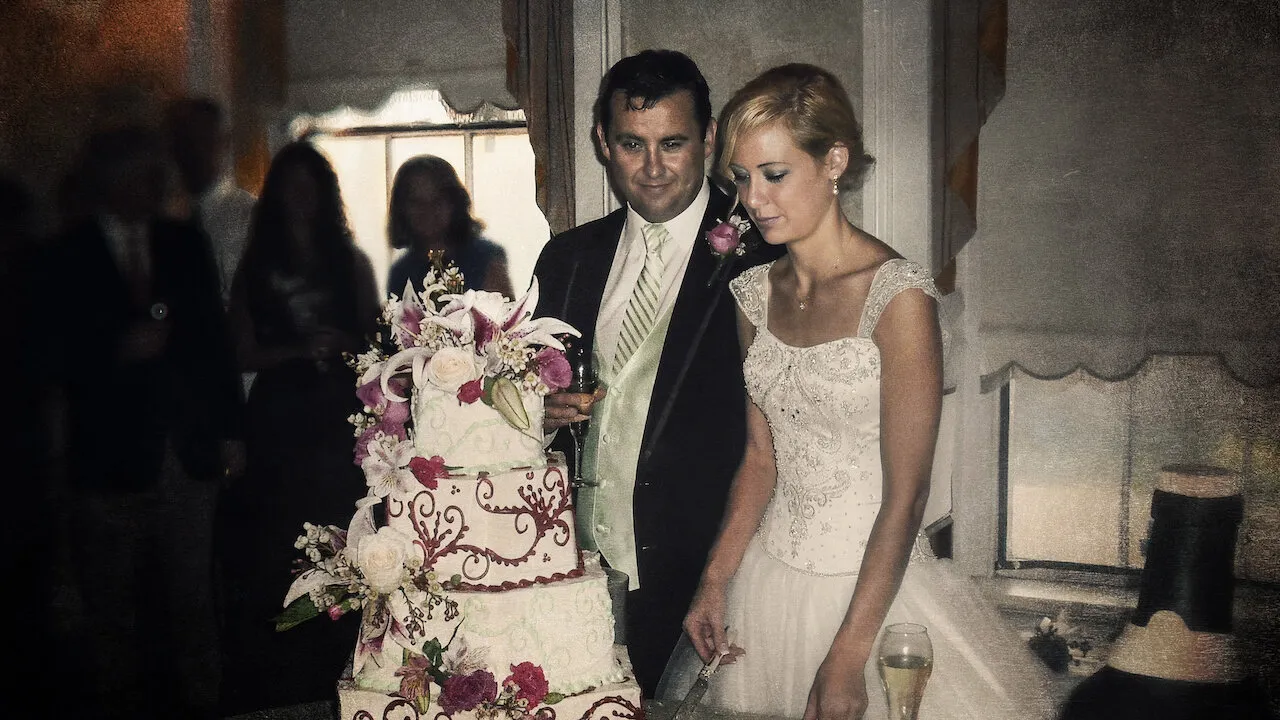
Yet the decision to include therapy footage with two minors raises uneasy questions about where empathy ends and exploitation begins. Molly and Tom’s own on‑camera testimonials further complicate matters: are we witnessing genuine remorse or a carefully curated release strategy? In centering these voices, the film tests the responsibility of true‑crime makers to honor victims without indulging in spectacle.
As Netflix’s global reach amplifies every twist, one wonders whether this documentary will fuel calls for legal reform—or simply haunt its audience with unanswered questions about who truly holds the moral high ground.
Bridging Cultures: Parting Impressions
A Deadly American Marriage shines in its array of firsthand interviews, from grieving siblings in Ireland to hardened legal minds in North Carolina. Its pacing—alternating between intimate family footage and stark courtroom exchanges—mirrors the rhythm of transnational thrillers, holding global viewers in its grip.
Yet the film’s midriff “big reveal” structure can feel engineered, as if unfolding like a scripted game expansion rather than a straightforward chronicle of real lives. Ethical tensions arise when children’s trauma becomes prime-time material and when Molly and Tom’s composed confessions unsettle expectations of raw authenticity.
True‑crime aficionados and observers of cross‑border justice will find themselves engrossed by the documentary’s exploration of how regional customs shape legal strategy. Those seeking a purely investigative account—free of dramatic flourishes—might prefer a more linear, journalism‑first approach. By tracing a case that spans Celtic community rituals and American forensic rigor, the film stakes its claim as a conversation starter about how memory, trust and narrative are negotiated across cultures.
Whether its blend of Irish storytelling cadences and U.S. procedural flair will reshape public views on domestic violence trials remains open. As viewers absorb each twist, they’re left to weigh which framework—tribal loyalty or evidentiary proof—ultimately carries more weight when truth itself feels contested.
Full Credits
Directors: Jessica Burgess, Jenny Popplewell
Writers: Jessica Burgess, Jenny Popplewell
Producers: Jessica Burgess, Jenny Popplewell
Executive Producers: Henry Singer, James Marsh, Susannah Price
Cast: Jason Corbett, Molly Martens Corbett, Thomas Martens, Jack Corbett, Sarah Corbett Lynch, Tracey Corbett-Lynch, David Lynch
Composer: Nathan Halpern
The Review
A Deadly American Marriage
A Deadly American Marriage delivers compelling firsthand accounts and a rich cross‑cultural examination of justice, yet its calculated pacing and ethical ambiguities around children’s trauma leave a sour aftertaste. True‑crime fans will be riveted by its dramatic reveals, even as others question its sensational moments. Verdict: a thought‑provoking, uneasy viewing experience.
PROS
- Authentic firsthand interviews that ground the story in real experience
- Cross‑cultural perspective highlights Irish and American contrasts
- High production quality and tense editing sustain engagement
CONS
- Reveal structure can feel engineered rather than organic
- Ethical gray zones in using children’s therapy footage
- Occasional sensational moments undercut deeper analysis