


















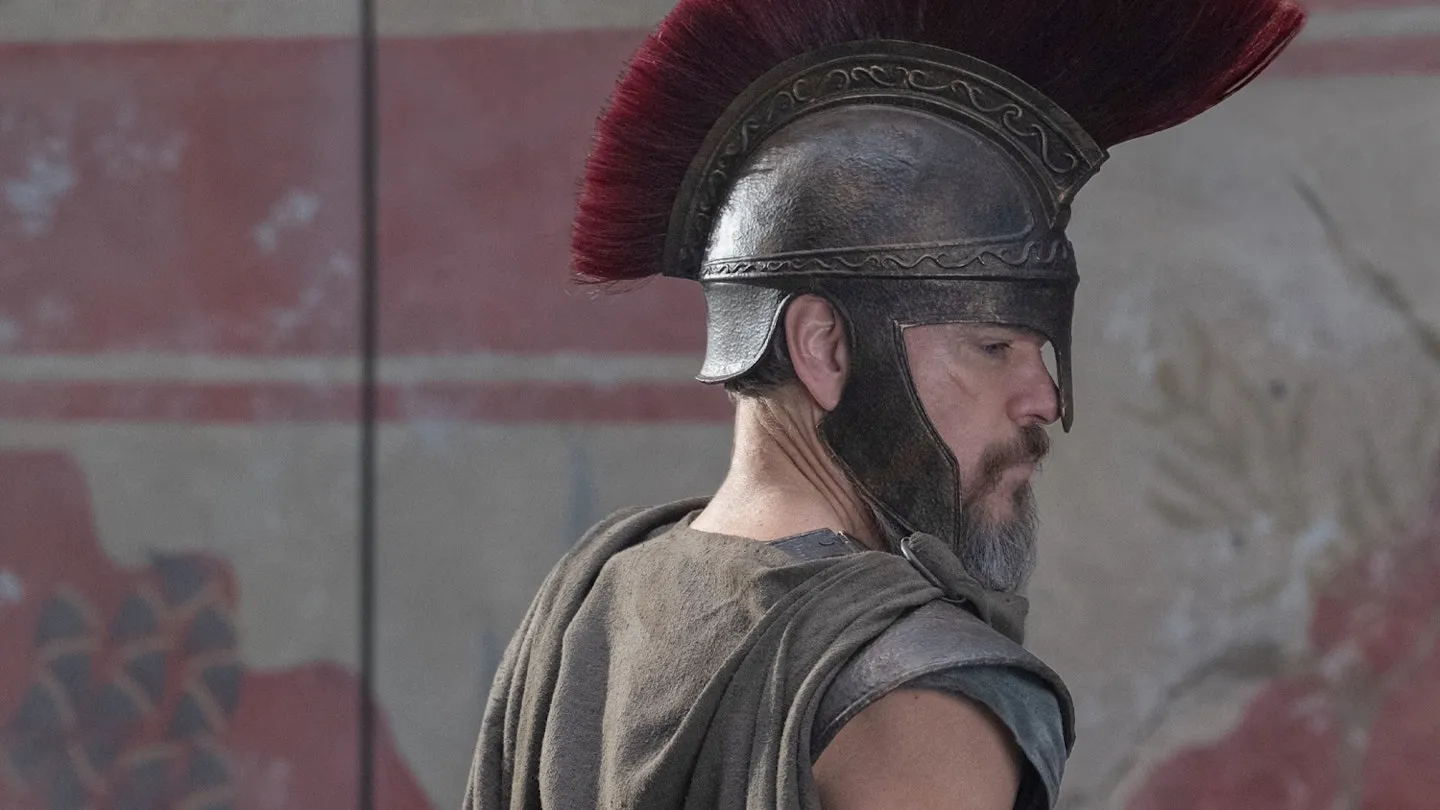

Christopher Nolan’s decision to shoot scenes for his $250 million adaptation of The Odyssey in the coastal city of Dakhla has drawn sharp rebuke from Sahrawi activists, who say the production risks legitimising Morocco’s five‑decade occupation of Western Sahara.
In an open letter, the Western Sahara International Film Festival (FiSahara) urged Nolan and his A‑list cast to “stand in solidarity with the Indigenous Sahrawis who are routinely jailed and tortured for their peaceful struggle for self‑determination.” Executive director María Carrión warned that the blockbuster’s presence could “whitewash” repression by projecting Dakhla as a picturesque set rather than a militarised zone.
The United Nations continues to list Western Sahara as a non‑self‑governing territory, and rights monitors describe the region as a “desert for journalists” where dissent is met with surveillance and arbitrary detention. Amnesty International’s most recent country report cited restrictions on assembly and press freedom, while Reporters Without Borders documented cases of torture and lengthy prison terms for Sahrawi reporters.
Universal Pictures began principal photography in February, with Dakhla joining locations in Morocco, Greece, Italy and Scotland for what the studio calls the first blockbuster shot entirely on IMAX film cameras. The ensemble — Matt Damon, Zendaya, Anne Hathaway, Lupita Nyong’o and Charlize Theron among them — is contracted through July, and the film is dated for 17 July 2026.
Bloomberg analysts note that Morocco’s government has spent years courting high‑profile shoots to bolster tourism and signal political control over the disputed territory. Local pro‑government outlets hailed Nolan’s arrival as proof of Dakhla’s “creative potential,” predicting a jobs boost for hotel and catering workers.
Opposition voices remain unconvinced. Middle East Eye quoted Sahrawi filmmakers who called the location choice “a political act that contributes to the erasure of our identity.” Human‑rights group Por un Sahara Libre said the production demonstrates “flagrant disregard” for international law governing occupied territories.
A Forbes report added that high‑profile criticism could complicate the film’s prospective IMAX rollout in several European markets sympathetic to Sahrawi self‑rule. As of Tuesday, neither Nolan’s company Syncopy nor Universal had issued a formal response, and Moroccan officials referred queries to the Centre Cinématographique Marocain, which declined comment.