






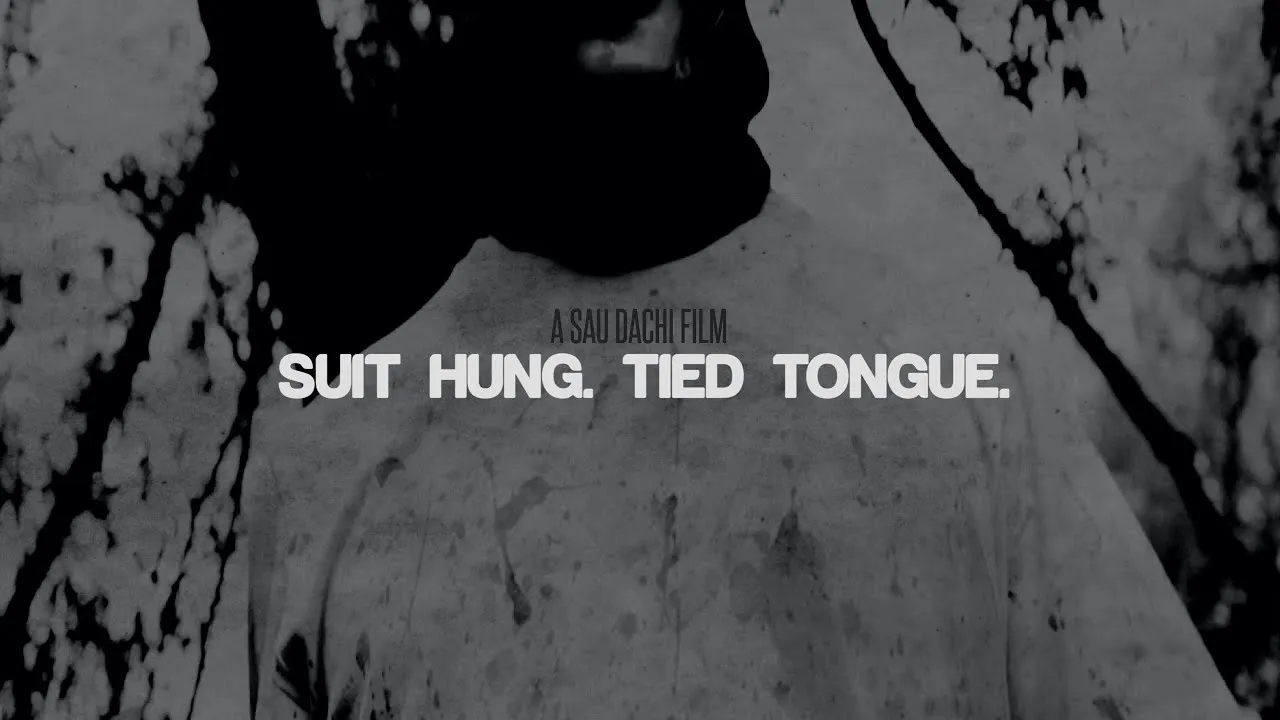

There are sorrows that hollow out a person, and then there are sorrows that become a weapon. Suit Hung. Tied Tongue. begins in that terrible crucible where private grief curdles into public fury. The film introduces us to Seán and Freddie Halpin, brothers bound by blood and a shared talent for art. Their world is not yet broken; it is filled with music and camaraderie.
Then, the fracture comes. Their mother is taken from them, not by a simple twist of fate, but by the cold machinery of a state health scandal. This loss is the stone that drops into the placid water of their lives, and the ripples become a tidal wave of anger. Their focus narrows to a single point of blame: Paul Keogh, the slickly smiling Minister for Change and Reform.
The story that unfolds is an autopsy of that anger, a chronicle assembled from the ghosts of what happened next. We watch as the brothers make a dark pact, a decision to answer the silence of institutional neglect with a scream of their own making.
A Mosaic of Memory and Regret
The film denies us the comfort of a single, stable reality. Director Sau Dachi constructs his narrative from splinters of truth, forcing the viewer into the role of an archivist sifting through the wreckage of a life. The story is pieced together from a disquieting collection of sources, each with its own texture of authenticity and bias.
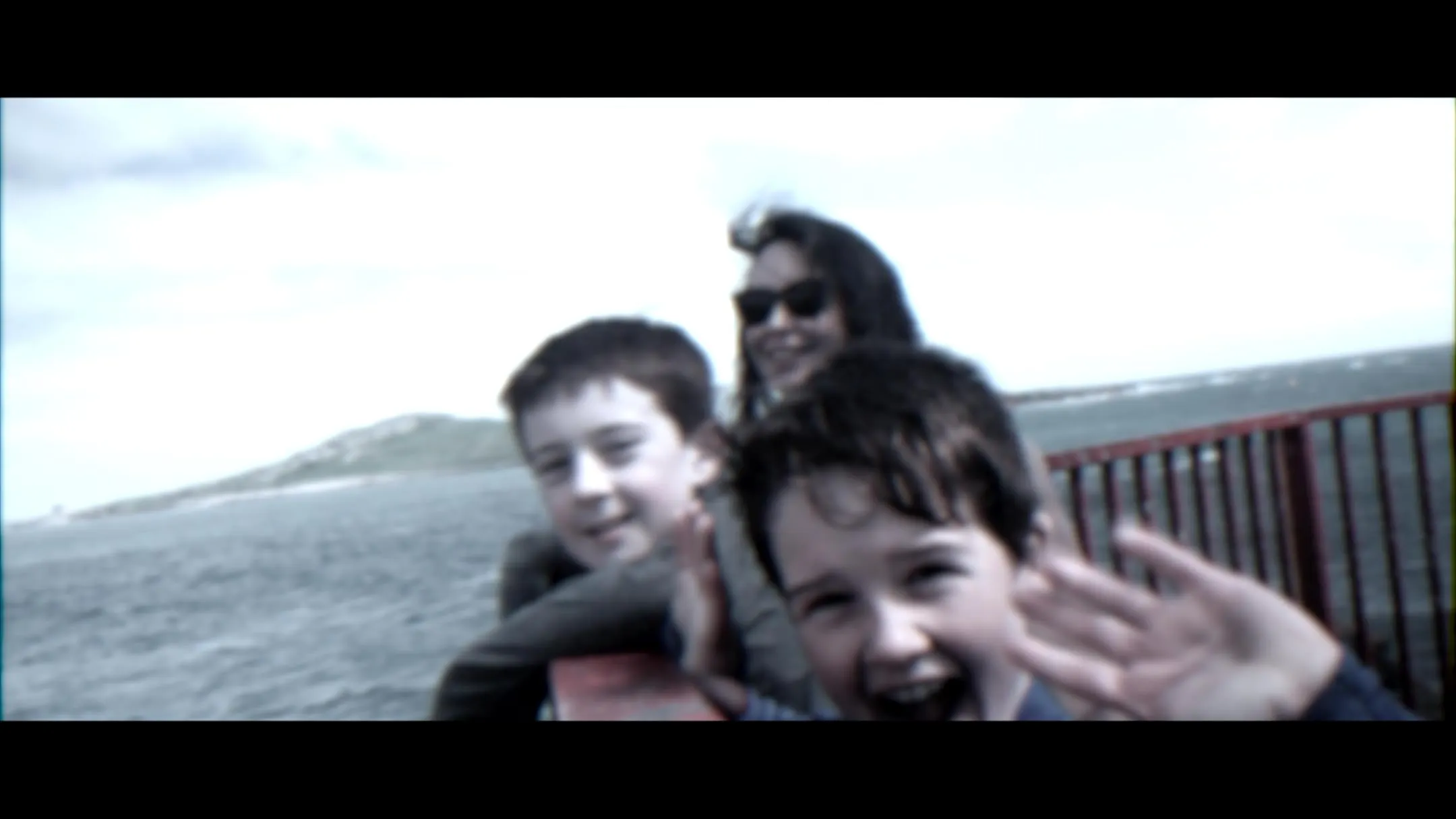
We are shown raw home video footage, its grainy intimacy a portal to a time before the fall, a world of easy laughter and sunlight that now seems impossibly distant. Then, we are thrown into the stark, colorless world of retrospective interviews. These are not warm remembrances; they are clinical dissections shot in a sterile, impersonal style.
Friends, lovers, detectives, and psychologists offer their testimonies, each a fragment of a larger, unknowable picture. The wife of the targeted minister recalls a life of lavish travel and privilege, her words unintentionally highlighting the chasm between her world and the Halpins’ own. These conflicting perspectives do not clarify; they obscure, creating a portrait that is intentionally incomplete. The visual language deepens this sense of dislocation.
The warm, sun-drenched hues of childhood photographs stand in sharp opposition to the sterile black-and-white of the formal interviews, a visual representation of memory versus analysis. Their present reality exists in a permanent, desaturated grey, the color of a world drained of hope. This fractured method pulls us into a claustrophobic closeness with the brothers while simultaneously forcing a critical distance. We see everything and understand, perhaps, nothing.
The Prophet and The Poet
The Halpin brothers are two halves of a single, vengeful soul, a duality of dissent given flesh. Seán, the elder, is the prophet of their cause, a figure of charismatic indignation. His is a rationalist fury, a conviction that injustice can be itemized, cataloged, and its perpetrators logically targeted.
His rage is fortified by meticulous research into government malfeasance, with his journals serving as the scripture for their violent creed. Paul St Leger’s performance is a study in controlled fire; his gaze burns with the unnerving certainty of a man who believes himself to be an agent of historical justice, his posture rigid with purpose. Freddie, by contrast, is the poet.
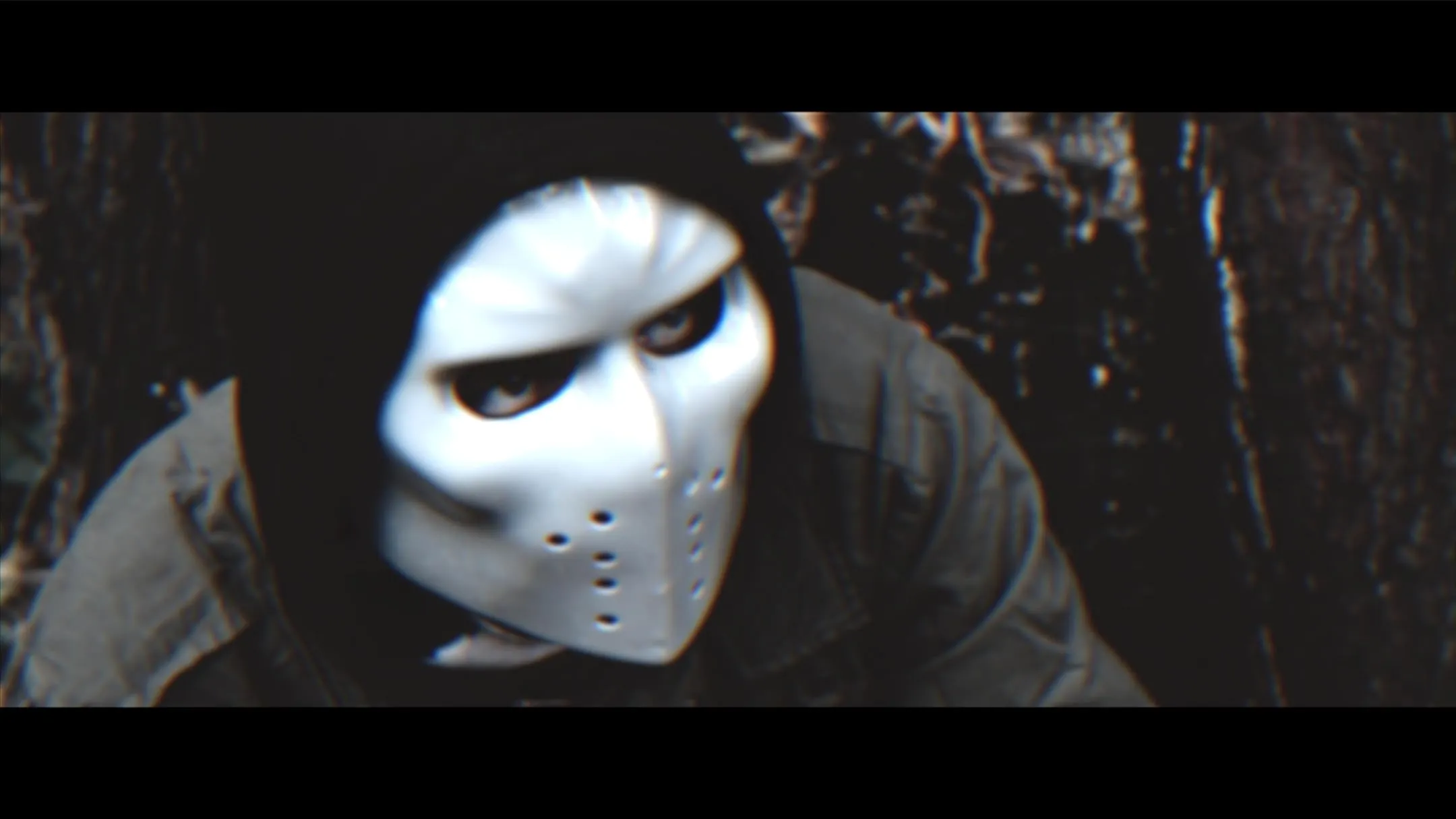
His dissent is not found in ledgers but in art. He is the one who writes the mournful verses that give voice to their pain, who performs the haunting music, who shapes the eerie animal masks that will become their public face. His contributions are acts of ritual, transforming them from mere men into potent symbols.
Alex Eydt gives Freddie a devastating vulnerability; he is a gentle soul swept up in his brother’s righteous storm, his loyalty a form of tragic devotion. Their bond is the film’s emotional anchor, a convincing and sincere connection that makes their descent all the more harrowing.
They operate in a chilling symbiosis, one providing the ideology, the other the aesthetic of terror. The film never settles the question of their nature, leaving us to wonder if they are avenging angels born of state failure or simply lost boys intoxicated by their own tragic mythos.
A Symphony of Dread
The technical craft of the film is wholly dedicated to cultivating a sense of encroaching doom. The editing, by Luke De Brun, acts as the story’s nervous system. Its rhythm is deliberate at first, a slow, mournful beat that allows the weight of the brothers’ grief to settle.
Then, in a stunning montage near the midpoint, the pace quickens, the cuts becoming sharp, breathless, and jagged, mirroring the splintering of the brothers’ psyches as their plan solidifies. The score, a melancholic and ominous work from Mario Rodighiero, is not a simple accompaniment; it is the atmosphere of the film itself.
A low cello drone or a dissonant piano motif functions as a character, a constant hum of anxiety and sorrow. The film offers no easy catharsis or simple moral judgment. It refuses to answer the philosophical questions it so powerfully poses about violence as a response to systemic failure. It simply presents the rage, the action, and the fallout, leaving the viewer in a state of profound disquiet.
Its true power is in this ambiguity, in the way it forces a flicker of comprehension, if not sympathy, for a monstrous act. It holds up a dark mirror to a world where the lines between protector and perpetrator have become terrifyingly blurred. The story does not end when the credits roll; its chill lingers, a quiet question about the breaking point of a society and the individuals within it.
Suit Hung. Tied Tongue. was released in Ireland on May 2, 2024, and is available to stream on the Irish streaming platform Eiretainment.
Full Credits
Director: Sau Dachi
Writers: Sau Dachi
Producers: Sau Dachi, Michael Earley, Jane L. Tobin
Cast: Paul St Leger, Alex Eydt, William Morgan, George Bracebridge, Helena McInerney, Gerry Cannon, Rosey Hayes, Freda King
Director of Photography (Cinematographer): Alan Dunne
Editors: Luke De Brún
Composer: Dario Rodighiero
The Review
Suit Hung. Tied Tongue.
Suit Hung. Tied Tongue. is a technically superb and philosophically bleak piece of filmmaking. It operates less as a story and more as a haunting meditation on how personal sorrow can be weaponized by political fury. With masterful performances and a narrative structure that mirrors a fractured psyche, the film offers no easy answers. Instead, it leaves a profound and disquieting chill, a powerful document of the dark potential residing within societal cracks. It is an essential, if deeply uncomfortable, viewing experience.
PROS
- A profound and challenging examination of grief, radicalization, and political violence.
- Outstanding lead performances that create a sincere and tragic brotherly bond.
- Innovative narrative structure using mixed media to create a sense of stark realism.
- Exceptional technical craft, particularly the atmospheric score and tense editing.
- Successfully builds a haunting, claustrophobic, and deeply unsettling mood.
CONS
- The deliberate and slow-burning pace of the first act may test some viewers' patience.
- Its relentlessly bleak and somber tone can make for an emotionally taxing experience.
- The narrative’s ambiguity and refusal to provide a clear moral stance may be frustrating for some.