


























In an era of fiercely partisan political documentaries, The Last Class strikes a different chord. The film sidesteps the expected polemics to offer something quieter and more personal. It brings us to the sun-dappled campus of UC Berkeley, not for a lesson in political science, but for a character study of a man at a professional crossroads.
The subject is Robert Reich, whose resume includes former Secretary of Labor, but the film is less interested in his past titles than his present role: a veteran professor teaching his popular “Wealth & Poverty” course for the final time.
Director Elliot Kirschner frames the narrative as an intimate portrait of an educator in his natural habitat. We are here to witness a man who, despite his long career in the public eye, clearly sees himself first and foremost as a teacher, grappling with the finality of his last lecture.
The Alchemy of the Classroom
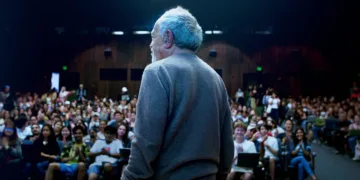
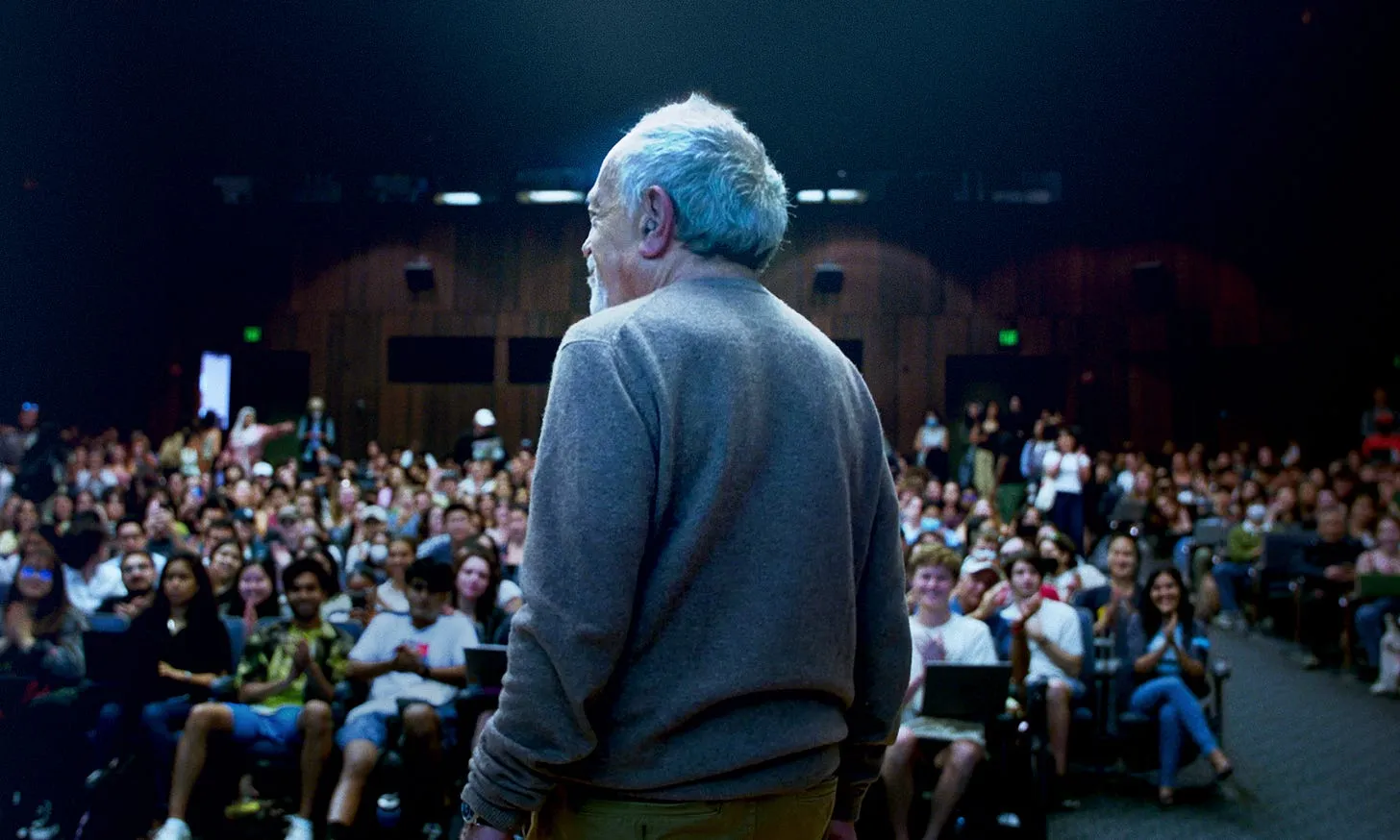
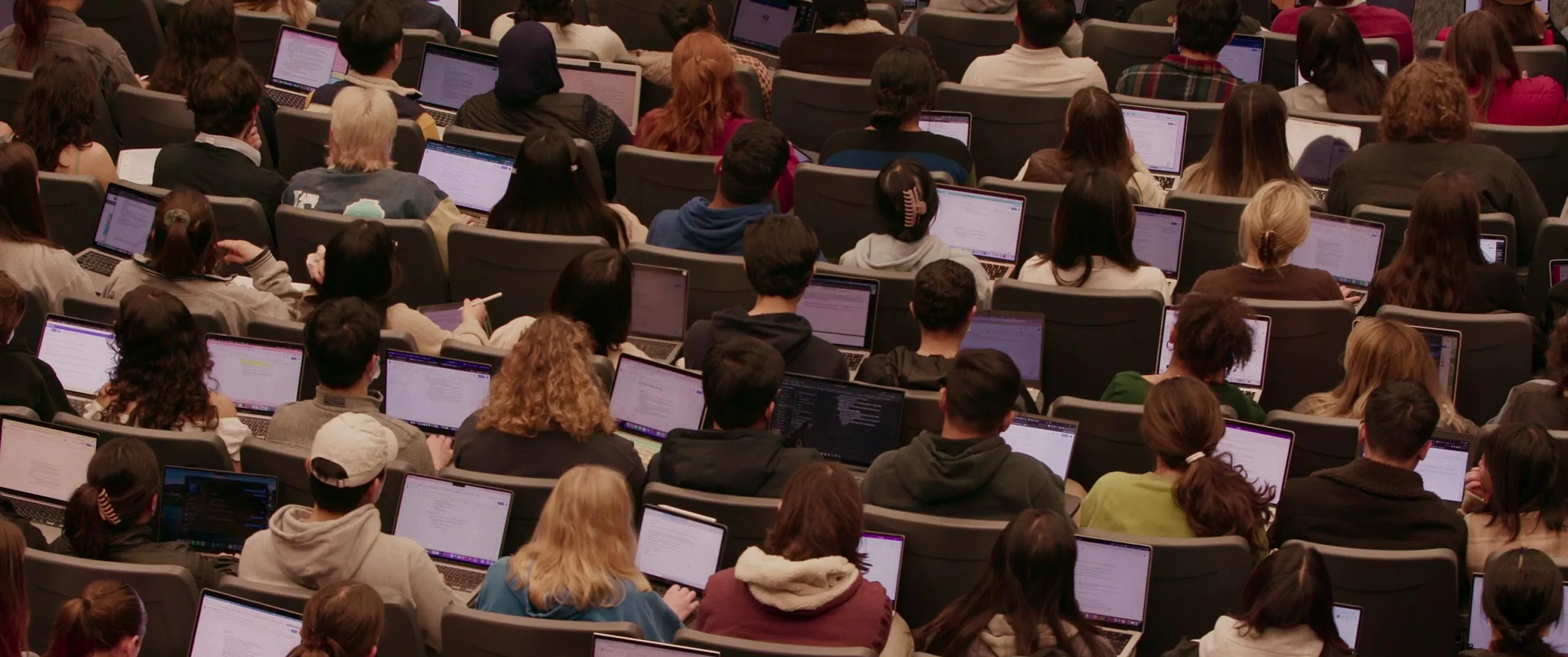
The film’s most compelling moments unfold inside the lecture hall, where it becomes a beautiful ode to the art of teaching. It’s a joy to watch Reich in his element, a rumpled academic who exudes a genuine passion for ideas. His teaching philosophy, as he states, is not to shape what students think, but how they think; to instill “curiosity and critical thinking.”
In today’s heated cultural climate, where educators are often caricatured as single-minded indoctrinators, Reich’s approach feels like a necessary corrective. The camera work in these scenes is subtle but effective, often holding on a student’s face as a complex idea clicks into place. We see the gears turning.
This reminds me of a brilliant, cantankerous history professor I had whose greatest gift was making you defend a position you initially despised. He would prowl the classroom, pushing and provoking, not out of malice, but out of a deep-seated belief that an unchallenged idea isn’t worth holding.
The Last Class captures that same spirit. One scene perfectly encapsulates this method: Reich presents students with a hypothetical $1,000 to split, a simple exercise on economic incentives. But his delight isn’t in the outcome; it’s in the spirited debate and the chain of reasoning that follows. He leans forward, captivated not by the answer, but by the intellectual journey.
In these moments, the film captures a “special kind of alchemy”—that magical, almost tangible transference of intellectual energy that is the essence of great teaching. It’s a mix of intellectual rigor, performance, and a vulnerability that invites students into the conversation.
A Portrait Without a Punch
As a documentary subject, Robert Reich is undeniably charming. With a self-deprecating wit that often pokes fun at his own short stature and a clear, unpretentious passion, he carries the film effortlessly. However, this is also where the film’s central weakness lies.
For a documentary named after his “Wealth & Poverty” class, it is surprisingly reluctant to engage with the substance of that very topic. This isn’t a flaw in Reich, but a structural choice by the filmmaker that feels like a significant misstep.
The narrative structure, which favors personal reflection over policy deep-dives, feels like a missed opportunity. At a brisk 71 minutes, the film is more of a sketch than a full portrait, relying on a conventional, almost placid visual style common to many streaming projects. Its polished look makes for easy viewing but lacks a distinctive artistic voice.
This gentleness places the film in the tradition of the celebratory biopic, a far cry from more interrogative documentaries that challenge their subjects. The film never asks the hard questions. For instance, how does Reich reconcile his work within the Clinton administration—an era that saw a significant rise in economic inequality and deregulation—with the core tenets he now teaches?
The film sidesteps this and other complex issues, presenting his career as a series of impressive but unexamined titles. The editing favors brief, anecdotal clips over sustained arguments, leaving the viewer with fragments instead of a cohesive thesis.
By choosing to be a warm tribute over a critical examination, the film feels frustratingly thin. It captures the amiable man but sidesteps the very ideas and contradictions that make him such a significant and compelling public figure.
The Melancholy of the Last Bell
A palpable sense of melancholy hangs over the film’s final act. Reich openly states his aversion to the word “retirement,” and we feel the weight of this transition as the camera follows him packing up a career’s worth of books and memories from his office.
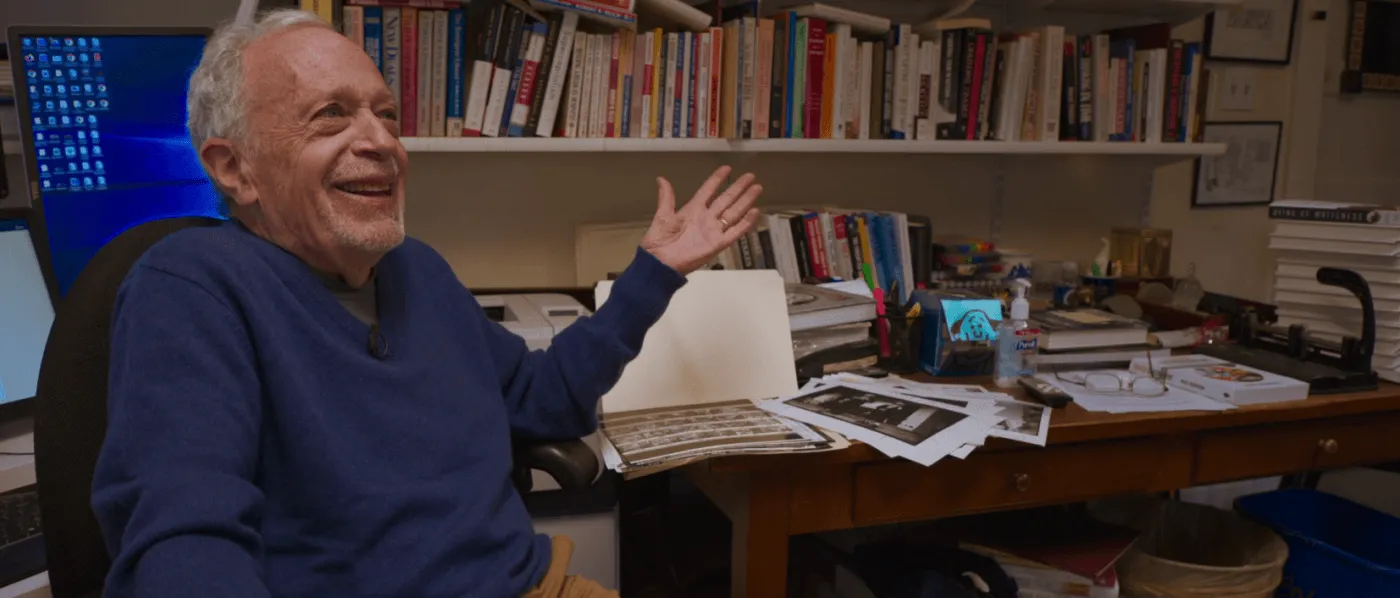
The camera lingers on empty shelves and stacks of papers, visual shorthand for a life’s work being put away. There’s a poignant scene involving a chair from his time as Secretary of Labor that he needs to figure out how to return, a physical manifestation of a chapter closing for good. This personal milestone feels symbolic of something larger—the end of a political era that, for all its faults, valued a different, more civil form of public discourse.
Reich’s sadness seems to extend beyond his own career; he voices concern over his students’ fatalism, their sense of being “the last generation.” His final mission as a teacher is to push back against this cynicism. But the film itself feels stuck in a kind of nostalgia for a time when figures like Reich could command a broad, respectful audience.
The Last Class succeeds as a heartfelt and often moving tribute to a beloved professor, and it’s impossible to dislike the man at its center. Yet, the final feeling is one of profound dissatisfaction. We are left with the image of a man who clearly has so much more to say and teach, making his quiet exit from the academic stage feel premature and incomplete. The film honors the teacher but, in doing so, withholds some of his most vital, urgent lessons, leaving them packed away in boxes along with the rest of his memories.
The Last Class premiered in select theaters on June 27, 2025. The film is distributed by Abramorama. It is available to stream on Netflix and Fandango at Home.
Full Credits
Director: Elliot Kirschner
Producers: Heather Kinlaw Lofthouse, Josh Melrod
Executive Producers: Heather Kinlaw Lofthouse, Ian Cheney
Cast: Robert Reich
Director of Photography (Cinematographer): Ezra Wolfinger
Editors: Josh Melrod, Ashleigh McArthur
The Review
The Last Class
The Last Class is a heartfelt tribute that succeeds beautifully as an intimate portrait of a beloved and charismatic teacher. However, by choosing to celebrate the man, the film consciously avoids grappling with his substantive and often controversial ideas. This frustrating evasion makes for a pleasant but ultimately superficial documentary that feels like a significant missed opportunity. It’s a warm, gentle film that leaves you wishing it had more of the intellectual fire of its subject.
PROS
- Features a wonderfully charismatic and endearing subject in Robert Reich.
- Beautifully captures the passion, energy, and joy of teaching.
- Maintains a warm, heartfelt, and melancholy tone that is often moving.
CONS
- Feels intellectually thin and superficial, rarely engaging with its subject's core ideas.
- Its brief runtime and celebratory nature prevent any real depth or critical inquiry.
- Comes across as a frustratingly safe film and a missed opportunity.