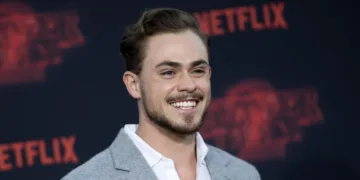












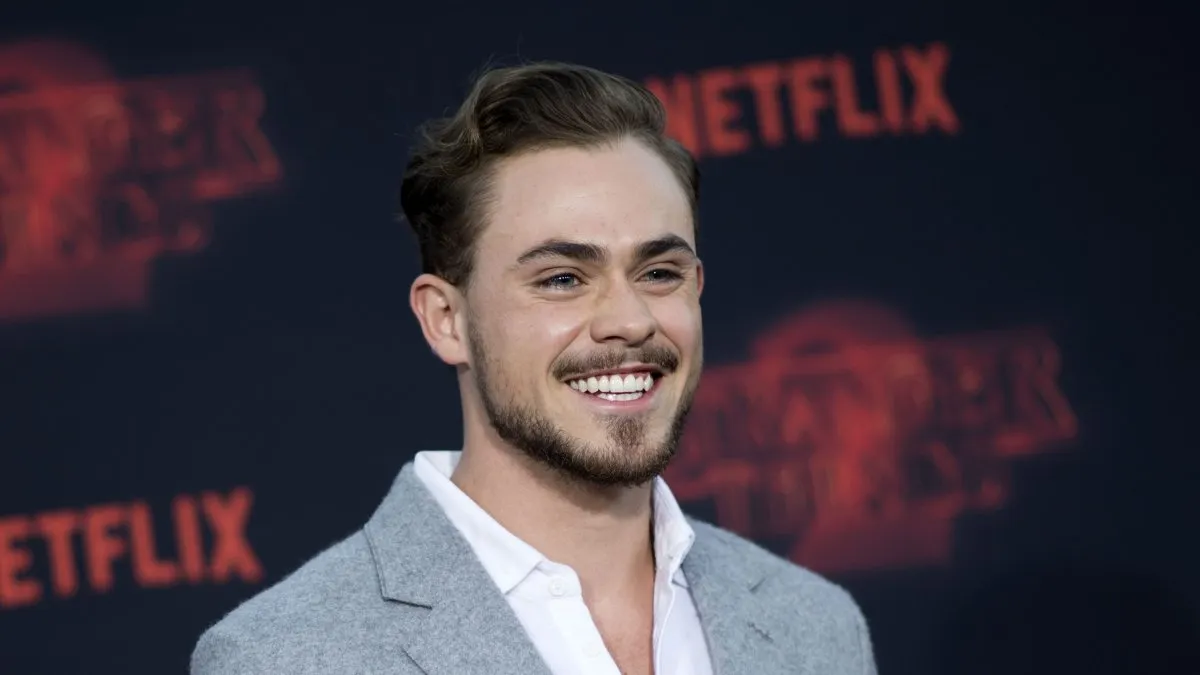

Dacre Montgomery says he stepped away from acting after Stranger Things to “reverse engineer” his career toward the kind of intimate, director-driven work he originally set out to do, describing the sudden fame as overwhelming and the course correction as a five-to-six–year process. He frames his return around Went Up the Hill, opening Aug. 15, which he credits with restoring his excitement for performance and story.
Now 30, Montgomery adds that the decision was shaped by the changing culture around celebrity, arguing that social media erodes the mystery that once insulated actors and helped him decide to “drop off the map” for a period.
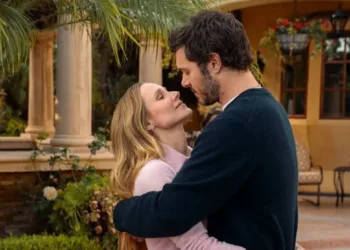
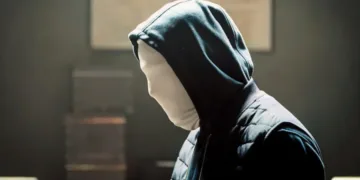
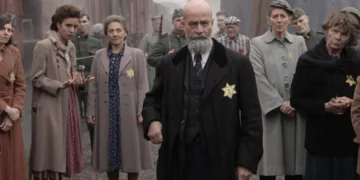
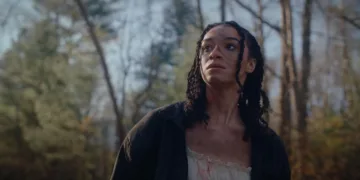
The new film, a New Zealand–Australia production from director Samuel Van Grinsven, follows Jack (Montgomery) as he returns home after his estranged mother’s death and is pulled into a ghost story alongside Vicky Krieps; U.S. distribution is handled by Greenwich Entertainment.
While promoting the release, Montgomery confirmed he will not appear in the final season of Stranger Things, closing the door on speculation about a last-minute Billy Hargrove cameo as Netflix readies the show’s farewell.
Montgomery’s near-term slate underscores a shift toward projects with strong authorial voices. He appears in Gus Van Sant’s Dead Man’s Wire, premiering out of competition at Venice on Sept. 2, and is part of Daniel Goldhaber’s upcoming Faces of Death reimagining.
In parallel, he says he is preparing to direct his first feature, describing a long-standing interest in taking creative control after years of contributing ideas on set; he recounts being invited to write a scene for Dead Man’s Wire, which reinforced the impulse to step behind the camera.
Taken together, the comments present a through line from breakout visibility to a reset built on smaller-scale films, selective commitments, and a conscious rejection of the churn that can follow a hit series. For fans looking for a map forward, Montgomery points to work that privileges character and tone over spectacle, and to a recommitment that he says feels more sustainable than trying to keep pace with franchise expectations.