



























In the manicured world of the super-rich, philanthropy often takes predictable forms: galas, endowments, oversized checks. The Eden family, however, has pioneered a far more bespoke form of charity. Publicly, they are paragons of Christian virtue, their immense wealth seemingly a divine reward for their piety.
Their garden parties are legend, elegant affairs where the less fortunate might find favor. Yet, the family’s true ministry operates in the shadows, specifically in a well-appointed cellar. They offer a unique service, a kind of retributive salvation, to victims of profound injustice.
The Eden family’s gift is the opportunity for one wronged person per party to enact a meticulous, hands-on, and shockingly violent form of justice upon their tormentor. It is an arrangement that presents a stark, unsettling paradox of faith-fueled savagery.
The Catharsis Conundrum
Does revenge heal? Society has wrestled with this question since the Code of Hammurabi, and Garden of Eden throws it into a meat grinder with gleeful abandon. The film posits that the desire for an eye-for-an-eye is a primal impulse, but it refuses to sanctify the act, presenting it instead as a kind of philosophical trap.

The process is not a clean erasure of pain but a messy, complicated second trauma, a notion that feels particularly relevant in an age of digital pitchforks and swift, often context-free, public judgment. We see this entire conflict play out through characters like Patricia, a mother given the chance to confront her child’s killer.
Her hesitation is the film’s entire thesis statement written on a human face; the theoretical justice of the act wilts before the grim reality of its execution. Her struggle represents the chasm between vengeful fantasy and the stomach-churning work of inflicting pain.
This individual moral crisis is set against the Edens’ absolute, terrifying certainty. Their hypocrisy isn’t just about professing love while facilitating hate. It’s a chillingly familiar commentary on any ideology, religious or secular, that becomes so rigid it can justify any atrocity as a necessary good. The film uses its own extremity as the very instrument of this philosophical inquiry, forcing the viewer to marinate in the consequences of its central question.
The Psychology of the Pious Predator
A film this dependent on its atmosphere lives or dies by its performances, and the cast here commits completely to the grim proceedings. Robert Rusler as the patriarch, Matheo Eden, is a particular standout, delivering a performance of immense control.

He projects the calm, persuasive authority of a cult leader, a man whose scripture-laden justifications for barbarism are utterly convincing, first and foremost to himself. Rusler allows cracks to show in this placid facade, revealing a psyche riddled with strange insecurities, including a bizarre and telling envy of womanhood that hints at a warped obsession with power and creation.
The family dynamic is a clinical study in radicalization. As the matriarch Eloise, Monique Parent is the steel-willed enabler, her quiet presence a testament to a long-held, shared delusion. The daughters, played by Sarah French and Sarah Polednak, exist as opposing poles of indoctrination. One embraces the family’s work with an ecstatic fervor, finding it the only authentic experience in her life.
The other recoils, her quiet discomfort representing a hairline fracture in the family’s monstrous ideology. Amidst this nest of predators, Sarah Nicklin’s turn as the avenger Patricia provides a crucial, human anchor. Her raw, conflicted agony feels authentic and grounds the film’s high-concept horror in a recognizable, and deeply troubling, moral dilemma.
The Aesthetics of Atrocity
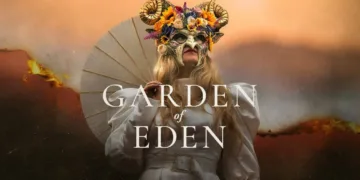
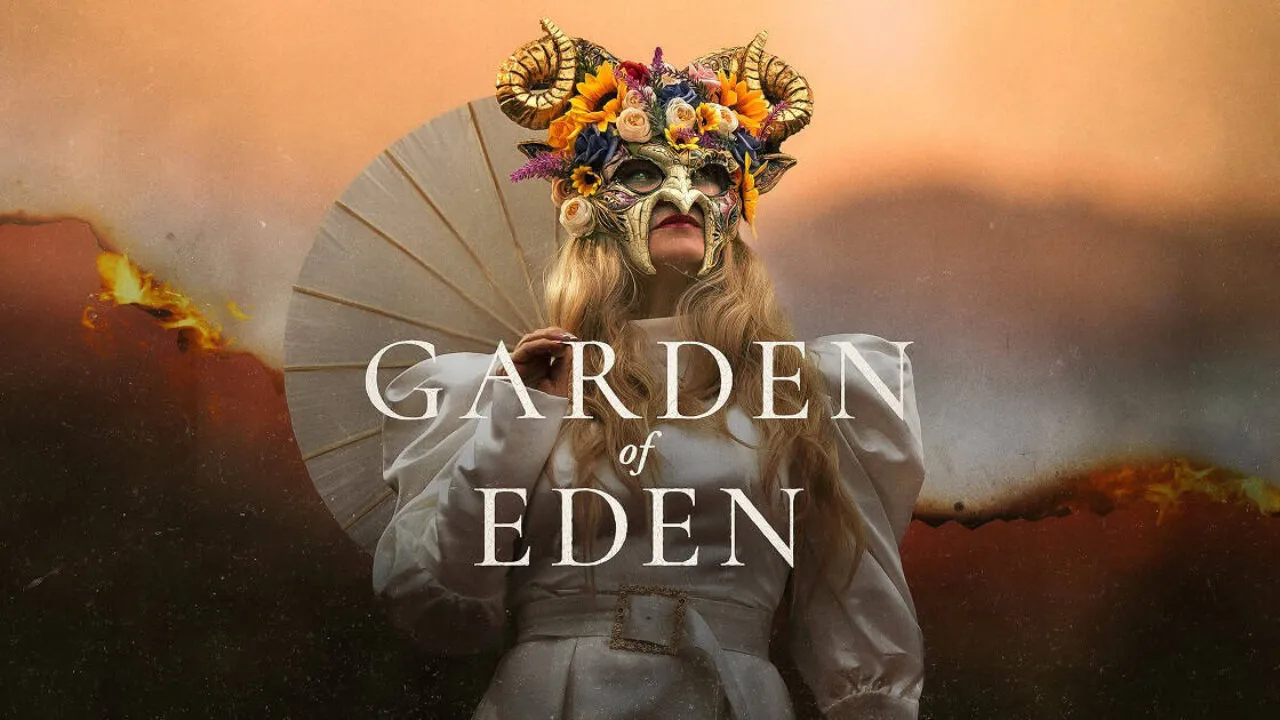
Director Marcel Walz stages the film’s horrors with a cold, deliberate, and almost serene precision. The visual language is built on a foundation of stark contrast, a choice that is both aesthetic and thematic. The Edens and their home are draped in immaculate, antiseptic white, an aesthetic of artificial purity that makes the inevitable splatters of red all the more profane.

The white is not just about innocence; it is the blank, sterile color of the abattoir and the tomb, a visual signifier for the emptiness of their fanaticism. The special effects work is brutally effective, less focused on startling the viewer and more on a kind of stomach-churning verisimilitude. The violence is inventive (you may develop a new suspicion of fishing equipment) and unflinching.
The film’s significant runtime feels like a conscious artistic choice, a tool to wear down the viewer’s defenses. It is not a brisk entertainment. It is an endurance test, an oppressive and suffocating experience designed to mirror the prolonged suffering of its characters.
By denying the audience the quick, cathartic release of a typical horror movie kill, Walz makes the viewer a participant in the drawn-out, ugly process of vengeance. The craftsmanship is undeniable, serving to make the violence not merely a spectacle, but an argument.
Full Credits
Director: Marcel Walz
Writers: Joe Knetter, Marcel Walz
Producers and Executive Producers: Joe Knetter, Marcel Walz, Sarah French, Manuel Suess
Cast: Robert Rusler, Monique T. Parent, Sarah French, Sarah Polednak, Dazelle Yvette, Gigi Gustin, Jazz Egger, Sarah Nicklin
The Review
Garden of Eden
Garden of Eden is a challenging, meticulously crafted piece of extreme cinema. It uses its brutal, unrelenting violence not for cheap shocks, but as a scalpel to dissect uncomfortable truths about revenge, faith, and hypocrisy. Propelled by strong performances and a stark, deliberate visual style, the film is a punishing yet philosophically engaging experience. It’s a purposeful descent into hell that will resonate with those who appreciate confrontational art, while rightfully alienating almost everyone else.
PROS
- Compelling and committed performances, particularly from Robert Rusler and Sarah Nicklin.
- A strong, deliberate visual style that contrasts clinical purity with visceral gore.
- Thought-provoking exploration of complex themes like vengeance and religious fanaticism.
- High-quality practical effects that are both gruesome and effective.
CONS
- The extreme, graphic violence makes it inaccessible for a general audience.
- Its long runtime and oppressive atmosphere can be an endurance test.
- The slow, methodical pacing may feel like a drag to some viewers.