























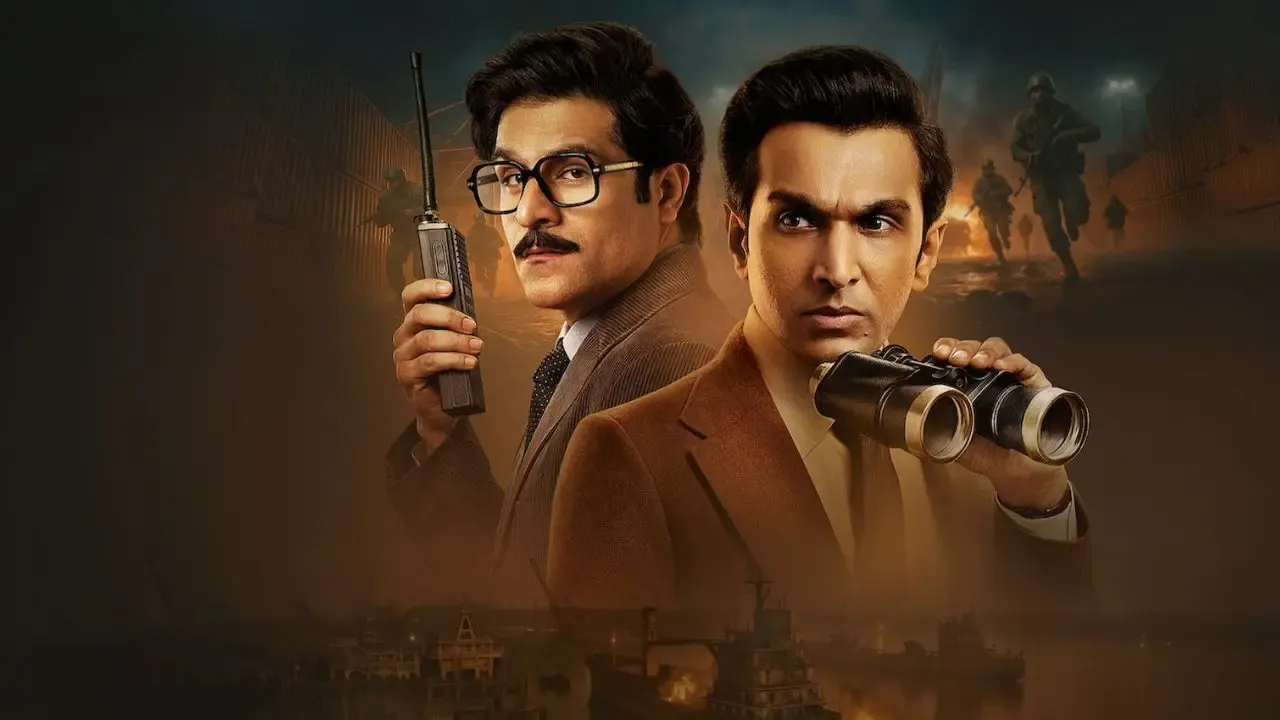

Saare Jahan Se Accha is a serious Indian espionage drama that transports viewers to the politically fraught 1970s. The series avoids the high-octane formula of many spy thrillers, opting instead for a patient, character-driven narrative. Its plot centers on a critical mission by India’s intelligence agency, R&AW, to uncover and neutralize Pakistan’s clandestine program to develop a nuclear weapon.
The story is seen through the eyes of Vishnu Shankar, a dedicated R&AW agent tasked with going deep undercover in Islamabad. Set against the backdrop of the recent 1971 Indo-Pakistani war, the show establishes a tone of quiet tension and strategic maneuvering. It reflects a global trend in spy fiction that prioritizes psychological depth and procedural detail, presenting a grounded story of high-stakes intelligence work.
The Anatomy of a Shadow War
The series meticulously builds its central conflict, born from a specific historical moment. Following Pakistan’s defeat in the 1971 war and the signing of the Simla Agreement, a palpable sense of national humiliation fuels a new, desperate ambition.
The narrative grounds itself in this history, depicting President Zulfiqar Ali Bhutto’s iron-willed determination to acquire a nuclear bomb at any cost. This is not a vague threat; it is a direct reaction to the shifting power dynamics on the subcontinent. Bhutto’s resolve to create a nuclear deterrent, even if his people have to “eat grass or leaves,” establishes the immense political stakes from the very beginning.
This sets the stage for a tense confrontation between two formidable intelligence agencies, each a reflection of its nation’s aspirations and fears. On one side is India’s Research and Analysis Wing (R&AW), a relatively new organization steered by the coolly pragmatic R.N. Kao. On the other is Pakistan’s formidable Inter-Services Intelligence (ISI), with the fiercely patriotic and ruthless Murtaza Malik spearheading the protection of the country’s most vital secret.
The narrative gains its momentum after an early failure by Indian intelligence to prevent the death of a top nuclear scientist in a mysterious plane crash. This incident galvanizes R&AW, leading Kao to select Vishnu Shankar for a mission of unprecedented importance. Vishnu must go deep inside enemy territory, assuming a diplomatic cover in Islamabad, a classic espionage tactic that the series explores with nuance.
The cold calculation of the intelligence world is starkly illustrated when his superiors encourage him to marry Mohini. Their union is not a romantic subplot; it is a strategic tool, a piece of essential cover designed to make Vishnu’s presence in the hostile capital seem legitimate and non-threatening. This use of a deeply personal, cultural institution for a state objective is a sharp, unsettling storytelling choice that defines the show’s tone.
The operational challenges are immense, as Vishnu must navigate a city where suspicion hangs in the air and surveillance is a constant threat. The series effectively portrays Islamabad as a web of watchful eyes, where a single misstep could lead to capture and the mission’s collapse.
The scope of the intelligence operations extends far beyond the subcontinent, with a network of assets that includes other undercover Indian agents and international surveillance efforts in places like Paris, showing the global dimensions of this regional conflict. The story paints a clear picture of a multi-front intelligence war, where every action is a calculated move in a deadly game.
Living Corpses in the Patriot Games
The show’s most profound theme is the immense human cost of national service, a recurring motif in serious spy fiction that finds a unique cultural expression here. The narrative consistently examines the personal sacrifices demanded of its characters, whose identities become dangerously intertwined with their professional duties.
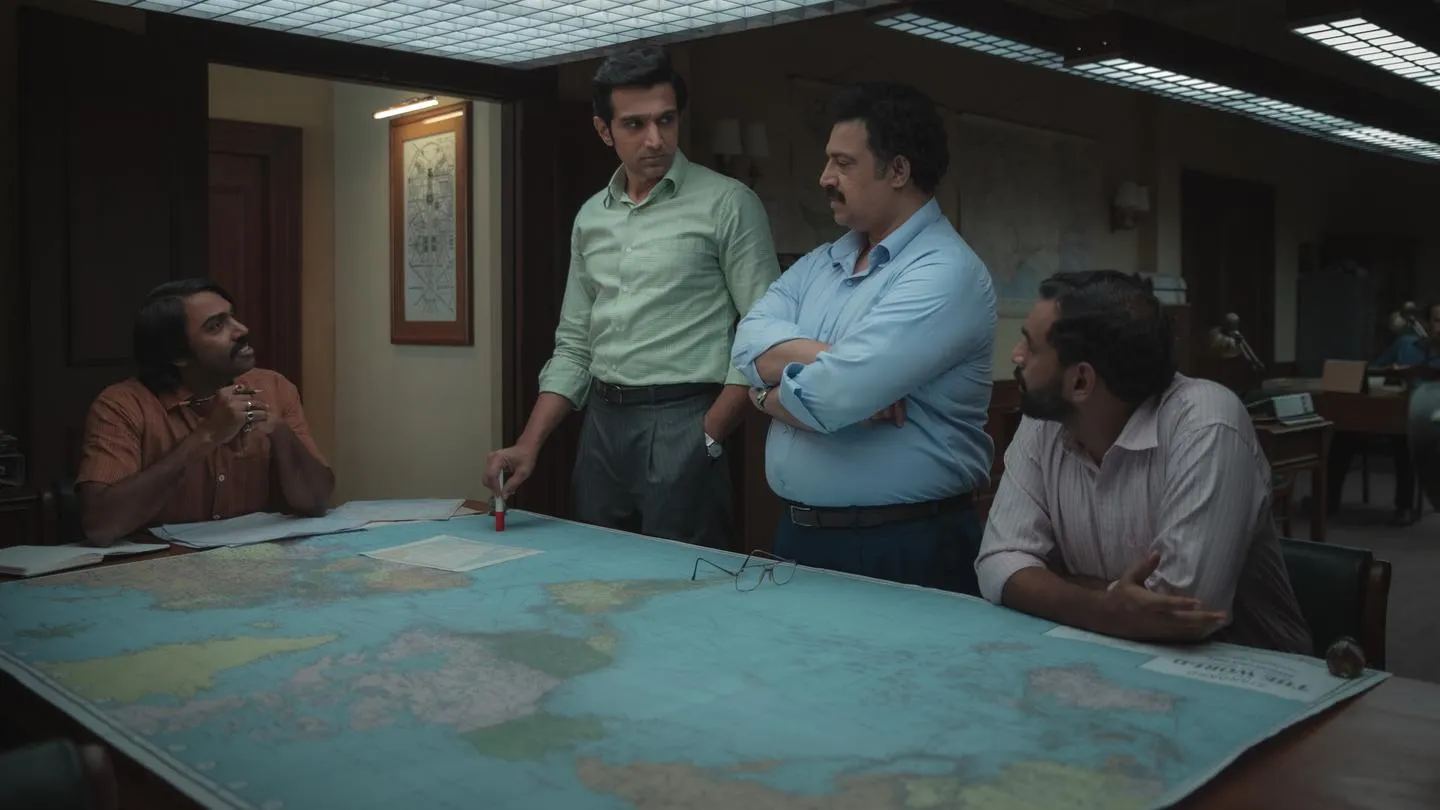
The central relationship between Vishnu and his wife, Mohini, serves as a powerful and intimate symbol of this conflict. Their home, intended to be a sanctuary and a part of Vishnu’s cover, slowly becomes a stage for his deception. The series excels in depicting the quiet moments of their disconnect: a tense dinner where Vishnu is emotionally distant, a fleeting expression of suspicion on Mohini’s face, or her discovery of a hidden object that contradicts his official story.
Her character arc is a compelling journey from a hopeful bride entering an arranged marriage to a suspicious, isolated woman trapped in a gilded cage. Mohini is not a passive victim; her growing awareness of her husband’s true occupation places her in constant, unspoken peril, transforming their domestic space into a battlefield of secrets and lies.
This exploration of identity erosion is further deepened through the character of Sukhbir, another Indian agent who has been undercover in Pakistan for years. His story is a tragic portrait of a man who has played a role for so long that he has lost touch with his true self. He confesses his confusion to a colleague, admitting he can no longer distinguish between genuine affection for a woman and the act of extracting intelligence.
This internal conflict, where personal feelings are weaponized or seen as a liability, connects his plight to the universal archetype of the burnt-out spy, yet it is framed within a specific South Asian context. The series also bravely explores moral ambiguity, refusing to paint its protagonist as a flawless hero. Vishnu must make difficult, often distasteful, choices that prioritize the mission over conventional morality. He manipulates people, including those who trust him, showing the grim realities of espionage work.
This nuanced perspective is perhaps most evident in the show’s portrayal of its antagonists. The Pakistani characters are not one-dimensional villains. Murtaza Malik, the ISI chief, is introduced executing traitors in a chilling display of ruthlessness.
Yet, the script later reveals his humanity in small, telling moments, such as when he laments missing religious festivals because of his all-consuming work. He is depicted as a determined patriot, utterly committed to the security of his own nation.
This humanization of the ‘enemy’ is a critical aspect of the show’s mature worldview. It moves the narrative beyond simple propaganda, presenting the conflict as a tragedy of opposing nationalisms where both sides believe they are right. This focus on complex human motivations over clear-cut heroics is a welcome departure from more commercial cinema.
Crafting a Convincing 1970s
The production excels at creating an authentic and immersive atmosphere, a crucial element for a period drama aiming for realism. The successful recreation of the 1970s is evident in every frame, a testament to a meticulous production design team. This goes beyond mere set dressing; it is about telling a story through objects and environments.
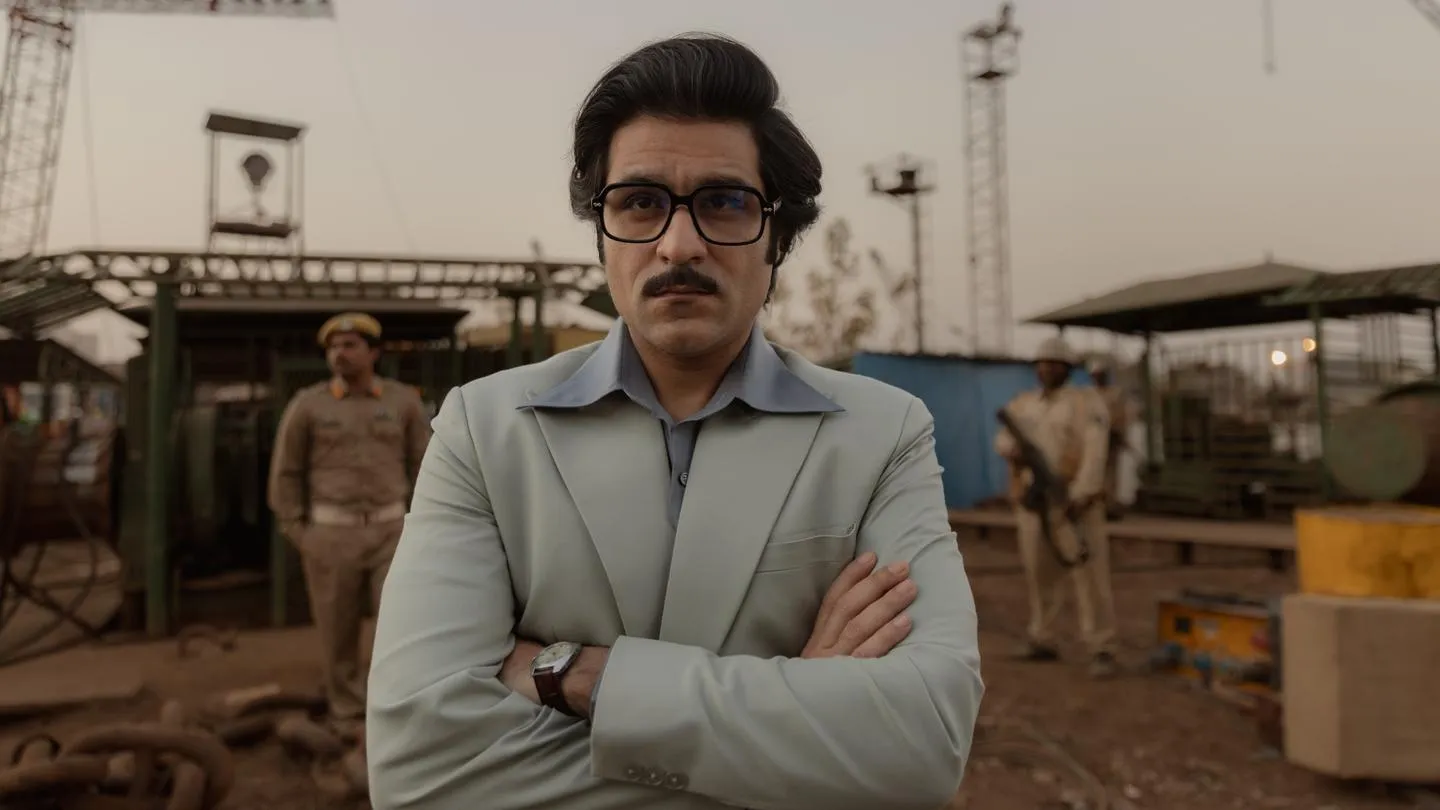
The clutter on an official’s desk, the specific models of cars on the streets of Islamabad, the texture of a handloom saree worn by Mohini, and the distinct, heavy ring of a rotary telephone all contribute to a powerful sense of time and place. These details are not just for show; they ground the audience in the reality of the characters’ world, making their struggles more immediate and believable. The visual language of the series is equally deliberate.
The cinematography often employs techniques common to the noir and spy genres, using shadows and low-key lighting to create a persistent mood of secrecy and paranoia. The camera work frequently suggests surveillance, using long lenses to create a voyeuristic feeling that the characters are constantly being watched, even in their most private moments.
The show’s pacing is another key artistic choice. The editing is measured and deliberate, building tension through character interaction and sustained suspense rather than rapid cuts and action sequences. This slow-burn approach demands the viewer’s attention, focusing it on the subtleties of dialogue and performance. This stands in sharp contrast to the frantic pace of many contemporary thrillers and allows the complex political and personal stakes to develop organically.
The sound design also plays a vital role in building this world. The ambient sounds—the subtle crackle on a long-distance phone line, the whir of an old ceiling fan, the distant call to prayer—are all carefully layered to enhance the sense of authenticity.
The musical score is used with restraint, often emerging as a low, ominous hum that underscores key moments of tension without telling the audience how to feel. The series avoids loud jingoism, offering instead a grounded depiction of two nations locked in a strategic struggle. This measured and mature approach to its craft makes the story accessible and resonant for a global viewership.
The Faces of a Secret War
The drama is anchored by a set of strong, understated performances that give life to its complex characters. Pratik Gandhi, in the lead role of Vishnu Shankar, delivers a masterful portrayal of a man divided. His performance is a study in control and stillness, conveying Vishnu’s constant internal calculations and emotional suppression through minute facial expressions and precise body language.
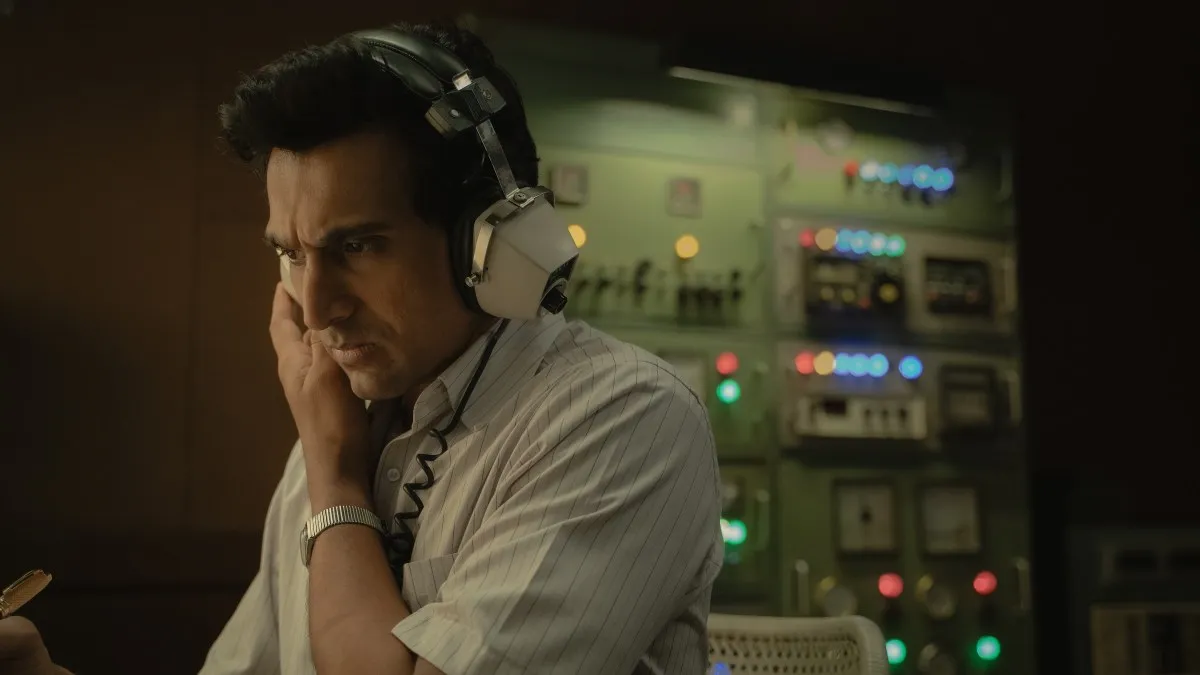
He rarely raises his voice, yet he projects an intense inner life, making Vishnu a believable and compelling figure at the center of the storm. This kind of nuanced acting, which relies on suggestion rather than overt expression, allows the audience to feel the weight of the secrets he carries.
As his wife Mohini, Tillotama Shome brings a quiet strength and deep emotional intelligence to her role. A highly respected actor in Indian independent cinema, Shome excels at portraying complex female characters, and her work here is no exception.
She masterfully charts Mohini’s evolution from a hopeful newlywed to a woman ensnared in a dangerous political game. She communicates her character’s growing fear and resilience with a subtle power that is heartbreaking to watch. She is the emotional core of the series, representing the often-unseen human collateral damage of the great games played by nations.
On the opposing side, Sunny Hinduja gives a formidable performance as the ISI chief Murtaza Malik. He avoids the clichés of a typical villain, instead building a menacing presence through a calm, steady gaze and a deliberate, soft-spoken delivery. This makes his sudden acts of violence all the more shocking. His portrayal is that of a professional, a man who is chillingly good at his job and deeply convinced of its righteousness. His performance ensures that the antagonist is as compelling as the protagonist.
The supporting cast is equally strong. Suhail Nayyar is memorable as Sukhbir, the agent who is losing his soul to the profession. He powerfully conveys the character’s world-weariness and quiet desperation. As the R&AW chief R.N. Kao, veteran actor Rajat Kapoor projects an aura of understated authority and gravitas. With minimal dialogue, he communicates the immense responsibility and cold pragmatism required of a spymaster, making him a believable and formidable presence who directs the entire covert operation.
The Hindi espionage thriller series Saare Jahan Se Accha: The Silent Guardians, created by Gaurav Shukla, premiered on Netflix on August 13, 2025. The series is set in the 1970s and focuses on the covert efforts of India’s intelligence agency, R&AW, to counter Pakistan’s pursuit of nuclear weapons. It explores the high-stakes world of espionage and the sacrifices made by intelligence officers working in the shadows.
Full Credits
Director: Sumit Purohit
Writers: Bhavesh Mandalia, Gaurav Shukla, Meghna Srivastava, Abhijeet Khuman, Shivam Shankar, Kunal Kushwah, Ishraq Shah
Producers: Bombay Fables
Executive Producers: Gaurav Shukla, Bhavesh Mandalia, Sejal Shah, Aditya Nimbalkar
Cast: Pratik Gandhi, Sunny Hinduja, Suhail Nayyar, Kritika Kamra, Tillotama Shome, Rajat Kapoor, Anup Soni
Director of Photography (Cinematographer): Dmytro Nedria, Debojeet Ray, Jay I. Patel
Editors: Aarif Sheikh
Composer: Ketan Sodha
The Review
Saare Jahan Se Accha
Saare Jahan Se Accha is a superior espionage drama that succeeds through its patient storytelling and commitment to psychological realism. Anchored by controlled performances and a meticulous recreation of the 1970s, the series offers a mature, nuanced look at the Indo-Pakistani conflict. It prioritizes the human cost of intelligence work over simple thrills, exploring moral ambiguity with a depth that is rare in the genre. For viewers seeking a serious, character-driven story about a complex period of history, this show is a highly rewarding watch.
PROS
- A mature, grounded narrative that avoids spy-thriller clichés.
- Strong, understated performances from the entire ensemble cast.
- Nuanced portrayal of characters, avoiding simple hero-villain dynamics.
- Excellent and authentic recreation of the 1970s setting and atmosphere.
- A thoughtful exploration of the personal and moral costs of espionage.
- The script avoids overt jingoism, presenting a more balanced conflict.
CONS
- The deliberate, slow-burn pacing may not appeal to viewers expecting constant action.
- Some supporting character arcs could have been explored with greater depth.
- The narrative resolution might feel slightly less impactful than its intricate build-up.