






















You’ve watched thousands of movies, but how often have you really noticed the cuts? The way a film moves from a wide shot to a character’s face, or from one person to another in a conversation, feels as natural as breathing. We take this seamless flow for granted.
That magic trick is the central question in Chad Freidrichs’s documentary, The Cinema Within. The film pulls back the curtain on this invisible art to ask a deceptively simple question: Why does film editing even work?
How do our brains take a sequence of completely separate images and assemble them into a coherent story without feeling disoriented? It’s a deep dive into the intersection of filmmaking craft and cognitive science, exploring the hidden grammar that shapes our emotional response to cinema.
The Rhythm of Thought
The film anchors its investigation in the ideas of legendary editor Walter Murch, whose work on films like Apocalypse Now and The Conversation helped define the rhythm of modern cinema. Drawing from his book In the Blink of an Eye, the documentary explores Murch’s brilliant thesis: the blink is the cut.
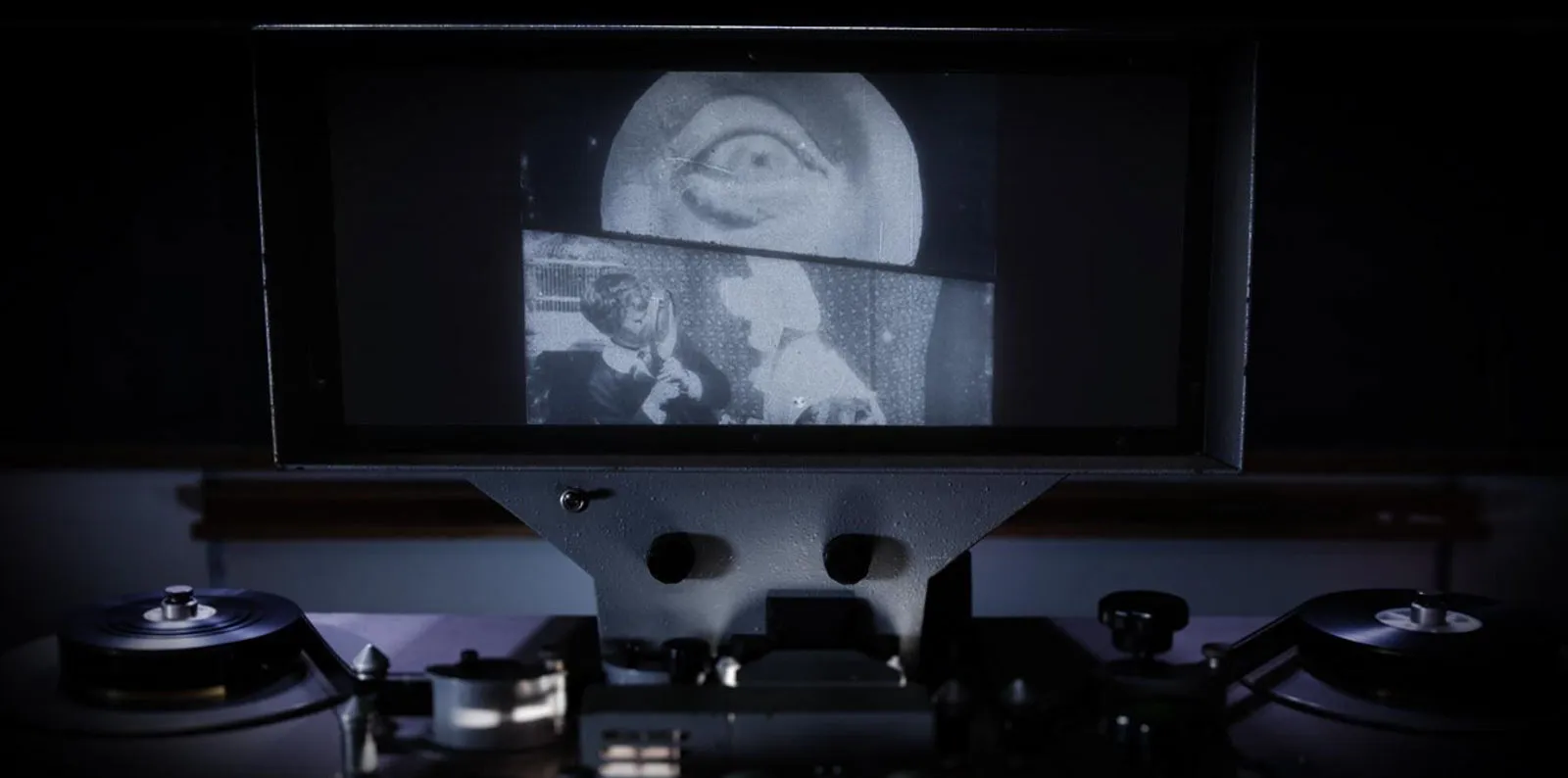
He observed that he would instinctively make an edit at the exact moment an actor blinked, proposing that a blink acts as a physical punctuation mark for a complete thought or a shift in attention. A film cut, he argues, works on a deep level because it mimics this natural, internal cadence of human consciousness.
This idea is the gateway to the broader field of cognitive film theory, which suggests that standard continuity editing techniques are effective because they mirror how our minds and eyes perceive the world. A shot-reverse shot in a dialogue scene, for example, simulates the act of turning your head to look at each speaker.
An eyeline match, where we cut from a person looking to the object of their gaze, follows our natural curiosity. These techniques create an invisible architecture that makes the constructed space of a film feel authentic and continuous. The goal is a kind of lucid dream, where the mechanics of storytelling disappear, leaving only the experience.
When Theory Meets Reality
A theory is one thing; proving it is another. The documentary’s most compelling section follows researcher Sermin Ildirar as she puts these ideas to the ultimate test. Her method is as ambitious as it is brilliant: she travels to a remote Turkish mountain village to find a community of people who have never seen a film in their lives.
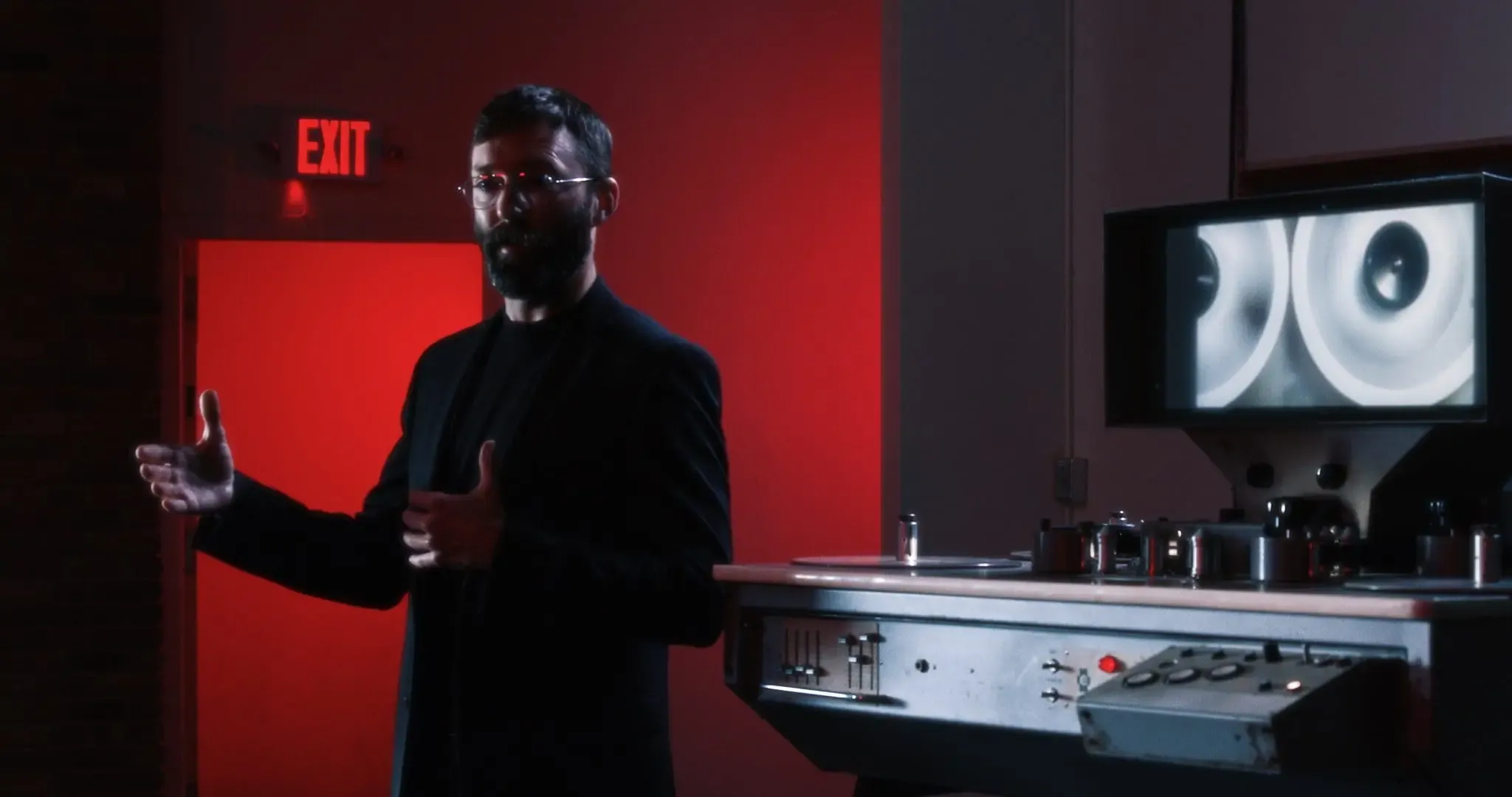
This provides a clean slate, a mind without any learned cinematic grammar, offering a rare window into innate human perception. Ildirar then shows the villagers simple films she created using their own neighbors, employing basic continuity editing techniques to tell a story. The results are fascinating because they don’t neatly fit the theory.
A simple cut showing the same donkey from two different angles led some villagers to believe they were seeing two different donkeys. Their minds, unconditioned by cinema, did not automatically assume continuity across the edit. This finding directly challenges the idea that understanding editing is purely innate. The experiment reveals that the “language” of film is more complex than a simple mirror of perception.
It is a language that relies on learned conventions and, most importantly, context. When dialogue was added to a shot-reverse shot sequence, for instance, comprehension clicked into place. The sound provided the narrative key that unlocked the visual puzzle, showing that our minds are constantly searching for story clues to connect the dots.
Story Is the Splice
The Cinema Within doesn’t arrive at a simple, unified theory, and that’s its greatest strength. Instead, it suggests that while our perception is a factor, the true glue that holds edited images together is story. Our brains are powerful narrative engines, constantly working to find the connection and meaning between moments, actively participating in the creation of the film’s reality.
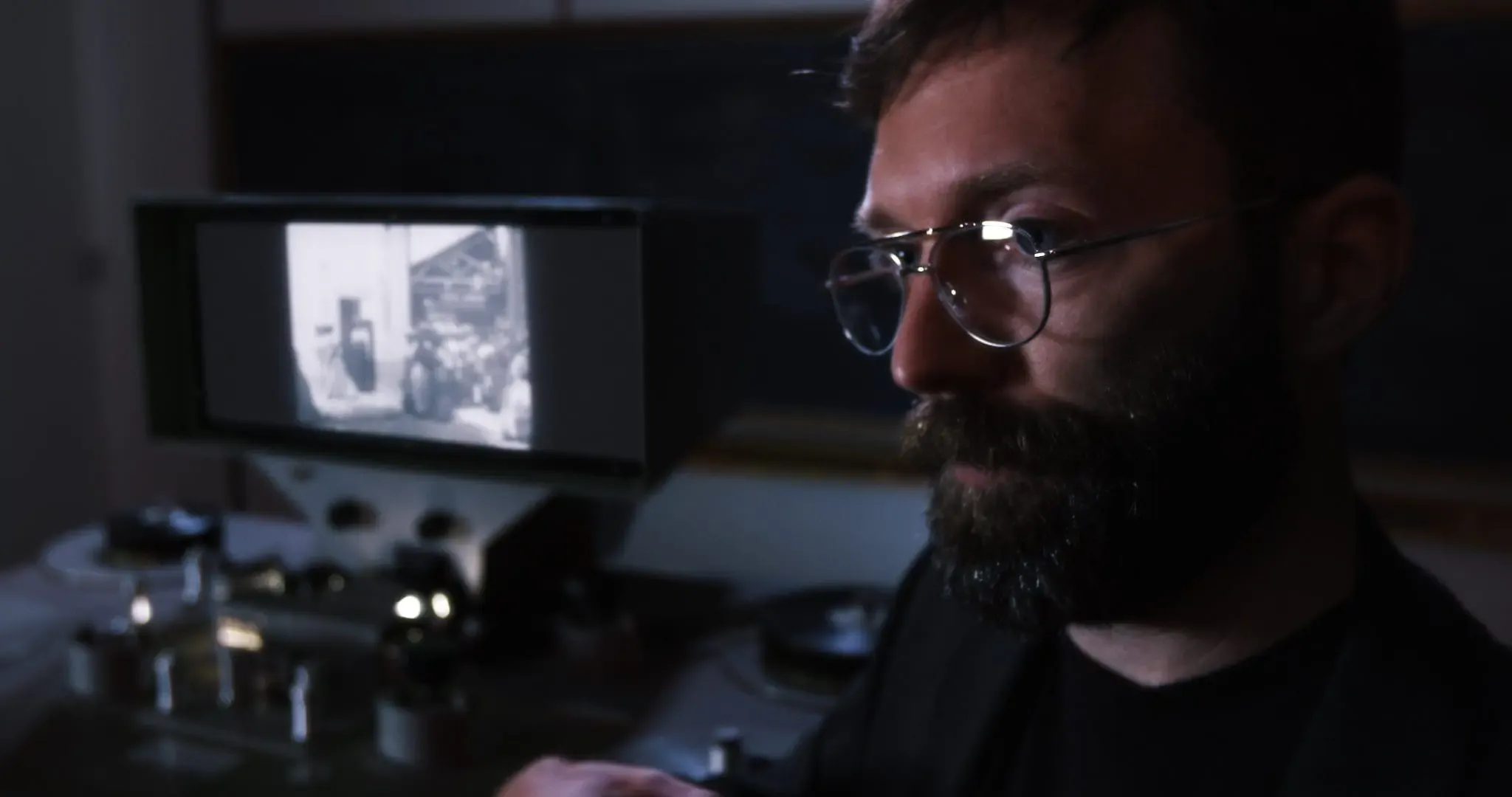
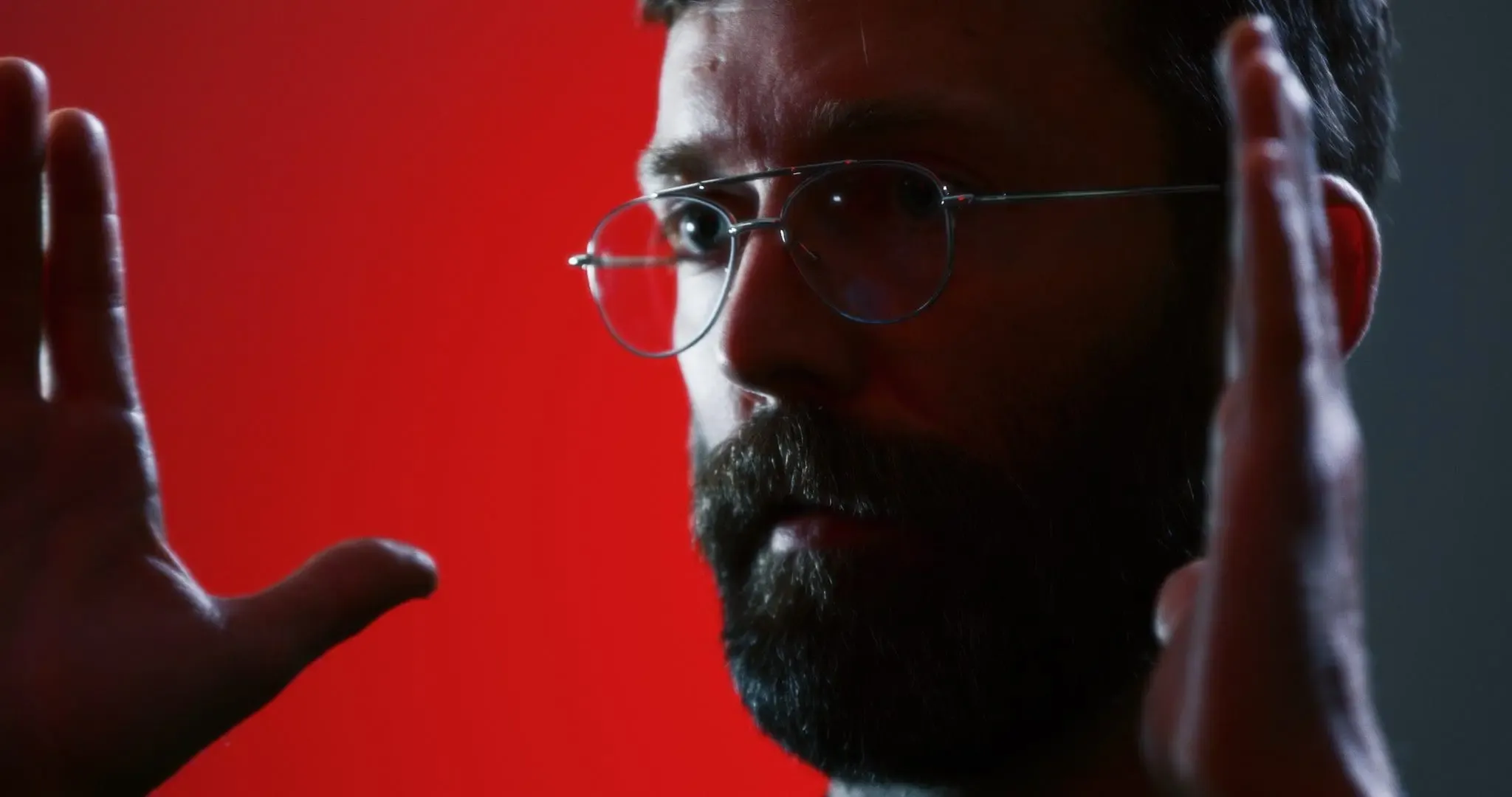
The documentary cleverly demonstrates this with its own structure, at one point using shots of three different actors to create a single, composite portrait of Walter Murch at work—a perfect example of editing creating a cohesive idea from disparate parts. Unlike more celebratory documentaries about filmmaking, this film is unabashedly academic and intellectually demanding.
It will resonate most deeply with film students, editors, and cinephiles who love to peek under the hood of their favorite art form. It’s a dense, rewarding watch that forgoes easy answers for richer, more complex questions. The experience it provides is a deeper appreciation for the craft. Understanding the mechanics doesn’t diminish the emotional impact of a great film; it clarifies the incredible artistry required to make us feel anything at all.
The Cinema Within is a 2024 documentary film directed by Chad Freidrichs. It explores the psychology of film editing, examining why audiences intuitively understand the language of film and how it relates to human perception. The film premiered in Brazil on March 20, 2024, and in the UK on March 31, 2024. It is currently available to stream on platforms like Amazon Prime Video, Vimeo, and Kanopy.
Full Credits
Director: Chad Freidrichs
Producers and Executive Producers: Chad Freidrichs, Jaime Freidrichs (Producers)
Cast: Sermin Ildirar, Walter Murch, Tamami Nakano, David Bordwell
Director of Photography (Cinematographer): Nikolay Zhukov, Kamau Bilal, Kevin Duggin, Chad Freidrichs
Editors: Chad Freidrichs
The Review
The Cinema Within
The Cinema Within is a challenging, academic documentary that succeeds in making you see film in a new light. It is not for casual viewing. For those interested in the 'how' and 'why' of cinematic storytelling, it's a deeply rewarding and thought-provoking exploration of the invisible art of editing. It values complex questions over simple answers, making it essential viewing for any serious student of film.
PROS
- A fascinating central question about why film editing is effective.
- Features insightful analysis from key figures like editor Walter Murch.
- The real-world experiment in Turkey provides a compelling narrative spine.
- Intelligent and thought-provoking, it deepens appreciation for the filmmaking craft.
CONS
- The highly academic tone can be dense and inaccessible for a general audience.
- Its complex, theoretical nature may frustrate viewers seeking straightforward answers.
- Relies heavily on interviews with scholars rather than extensive film clips.