



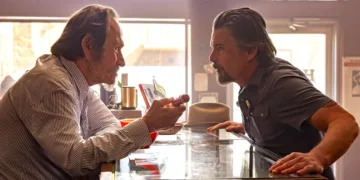



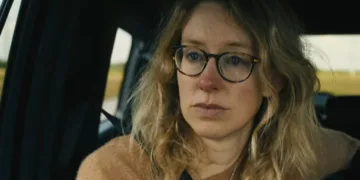





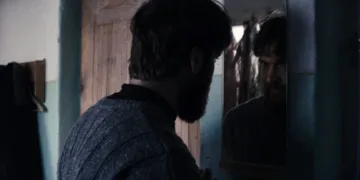










The American suburb has long served as cinema’s favorite stage for psychological decay, a place where manicured lawns and quiet cul-de-sacs conceal profound dysfunction. Alex Winter’s Adulthood takes a gleeful shovel to one such lawn, unearthing a story that is less about a single crime and more about the contaminated soil from which a family grows. The film’s geography is immediately familiar: a small town, a childhood home filled with dusty relics, and the ghosts of past resentments.
We are introduced to the estranged Robles siblings, brought back into each other’s orbits by their mother’s incapacitating stroke. Meg, portrayed by Kaya Scodelario, is the dutiful daughter who stayed behind, juggling a high-stress job, a diabetic child, and a sketchy multi-level marketing side hustle. She embodies a quiet, simmering frustration.
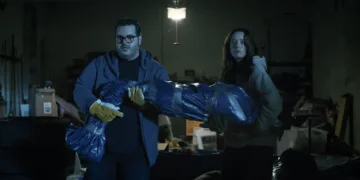
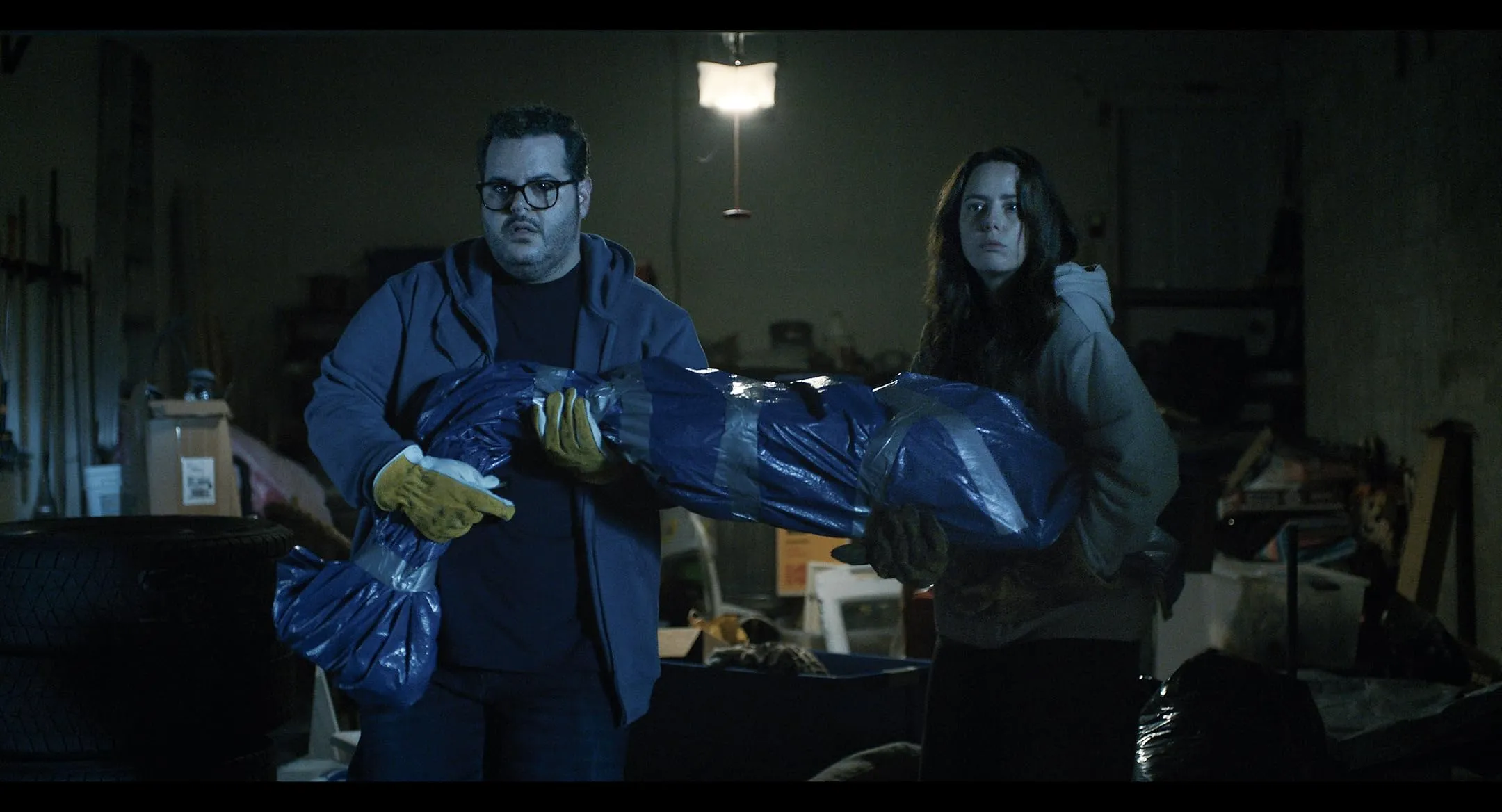
Her brother Noah, a perfectly cast Josh Gad, is the prodigal son who fled to Los Angeles, a failed screenwriter whose Alamo Drafthouse t-shirt speaks volumes about his arrested development. Their awkward reunion in their parents’ musty basement shifts from tense to terrifying when they discover a human skeleton entombed behind a damp wall, forcing them into a conspiracy to protect a legacy they are only just beginning to understand.
A Chain Reaction of Incompetence
The decision to conceal the crime ignites a spectacular chain reaction of incompetence. The narrative is structured not by a mystery to be solved, but by a problem that multiplies with every clumsy attempt at a solution. Their plan to dispose of the body, concocted by Noah with misplaced confidence gleaned from working on the television show Blue Bloods, goes horribly wrong almost immediately.
This initial failure sets a frantic, darkly comedic tempo for the rest of the film. Each subsequent action is a direct, disastrous consequence of the last, creating a believable spiral into chaos. The film’s dramatic and comedic engine is the dynamic between its leads. Josh Gad channels Noah’s panic into a performance of theatrical despair and terrible judgment, a man-child regressing in real time. His frantic energy is perfectly balanced by Kaya Scodelario’s portrayal of Meg.
Her performance is a masterful study in contained panic, her pragmatism slowly eroding as she is pulled deeper into her brother’s ill-conceived schemes. Their chemistry makes their frightening predicament feel authentic; they are two people bound by blood but separated by life choices, now forced into an unholy alliance. Their flawed choices and opposing reactions to mounting pressure create a continuous source of both suspense and mordant humor.
Suburbia as a Noir Landscape
The siblings’ descent is complicated by a rogue’s gallery of supporting characters who amplify the film’s chaotic energy. Anthony Carrigan’s Bodie, their strange and unnerving cousin, arrives like a force of nature. With a unsettling demeanor and a terrifying collection of swords, he is less a savior and more an accelerant poured on an open flame, introducing a level of genuine physical danger.
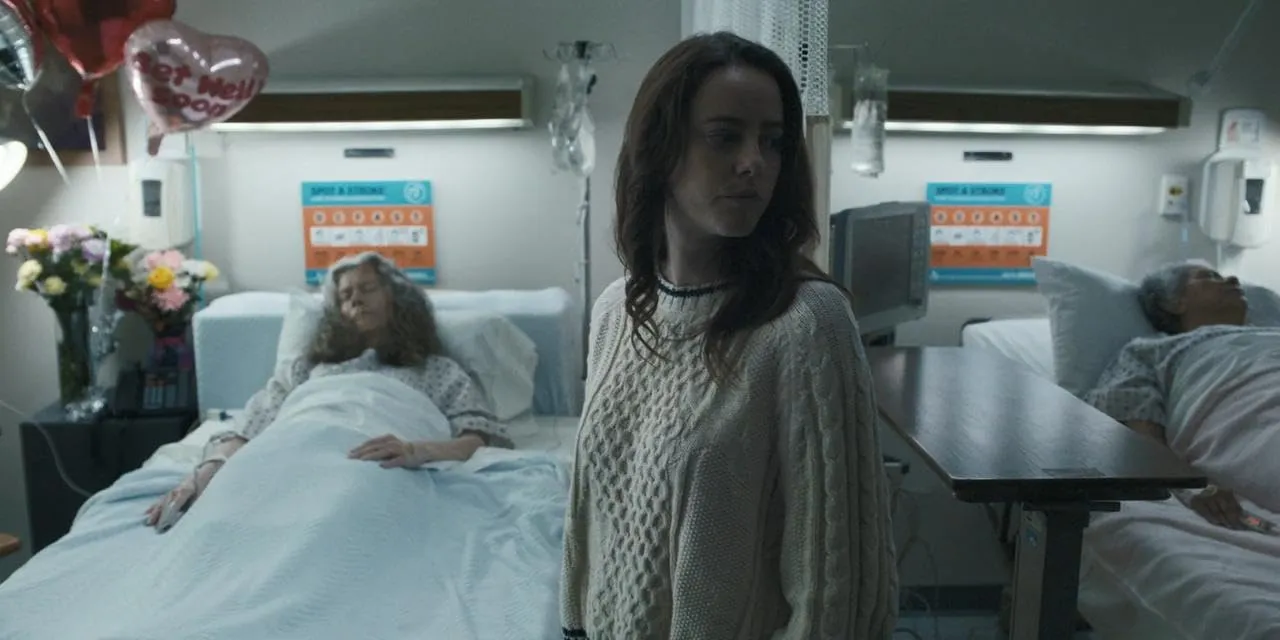
Meanwhile, Billie Lourd plays Grace, the mother’s caregiver, with a shrewd opportunism, adding the classic noir element of blackmail to the siblings’ ever-growing list of problems. Director Alex Winter translates this character-driven mayhem into a distinct visual style, recasting the serene suburb as a noir landscape. The cinematography, from Christopher Mably, emphasizes the shallow vastness of fenced-off yards and empty fields, suggesting a moral emptiness beneath the placid surface.
Winter employs sharp, ironic juxtapositions, such as intercutting moments of grisly violence with stock footage of children playing soccer. This technique, reminiscent of how international filmmakers like Bong Joon-ho use genre-blending to expose societal hypocrisy, creates a persistent sense of unease. The placid visual language of the American dream is used to frame a story that is, at its center, a complete nightmare.
The Inheritance of Sin
Beneath the slapstick violence and escalating body count, Adulthood probes the unsettling idea of inherited sin. The central question shifts from who committed the original murder to whether Meg and Noah can avoid becoming monsters themselves. Their actions begin as a misguided attempt to preserve their parents’ reputation and, more critically, their own financial inheritance.
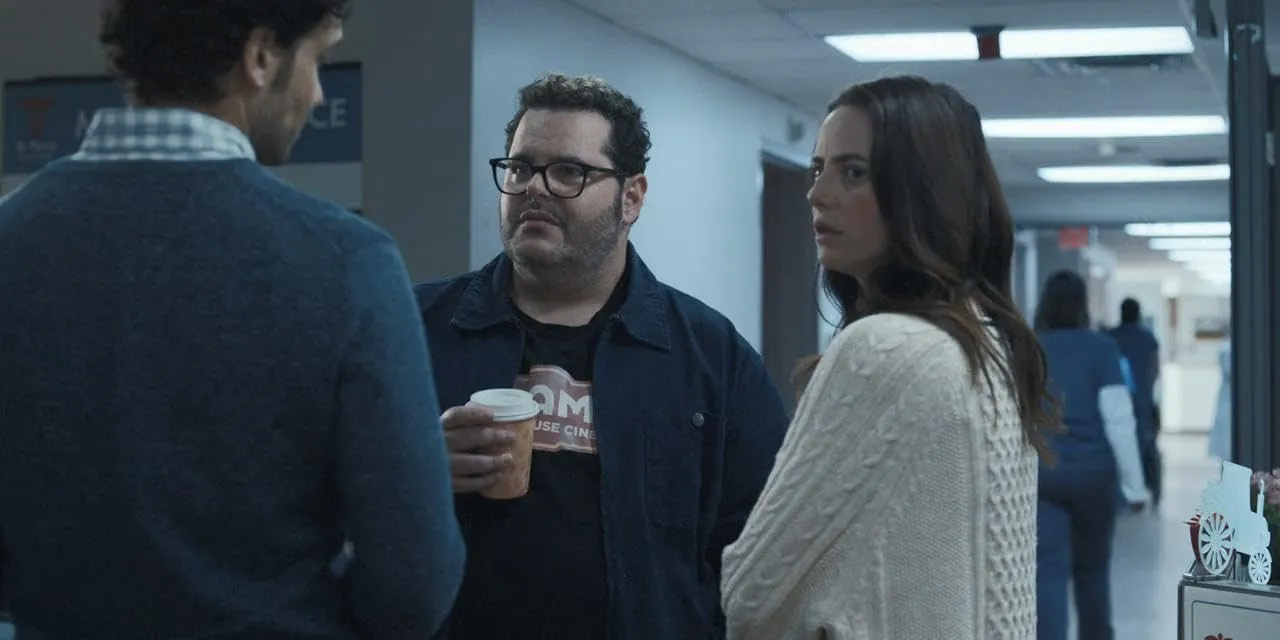
This conflict between family honor and monetary gain grounds the story in a very modern anxiety. The film questions what it truly means to be a grown-up, suggesting it is an endless negotiation with the moral and psychological debts passed down from the previous generation. The narrative builds to a messy, almost jarring conclusion that refuses to offer a clean resolution or easy moral judgment.
This ambiguity feels like a deliberate choice, a statement on the impossibility of escaping the cycles of dysfunction. It eschews the neat wrap-up of a conventional crime story for something more disquieting. The film leaves us with the chilling thought that the worst legacies are not material possessions, but the patterns of behavior we unwittingly repeat, proving that the family tree can cast a very long and dark shadow.
Adulthood is a 2025 American dark comedy-drama film that follows siblings Megan and Noah as they uncover a long-buried body in their parents’ basement, leading them into a spiraling cover-up of crime and murder. The film premiered at the Toronto International Film Festival (TIFF) on September 11, 2025, before its theatrical release in the United States on September 19, 2025. It was distributed by Republic Pictures and Paramount and became available digitally on September 23, 2025.
Full Credits
The Review
Adulthood
Adulthood is a sharp and gleefully macabre black comedy, anchored by the fantastic chemistry between Kaya Scodelario and Josh Gad. Alex Winter skillfully mines the American suburb for noir-tinged horror and humor, exploring the terrifying inheritance of family sin with intelligence. While its chaotic energy leads to an uneven tone and a messy final act that may not satisfy all, the film is a cynical, smart, and thoroughly entertaining descent into domestic mayhem. It's a bloody, funny, and thoughtfully constructed genre piece that successfully unearths the rot beneath the perfectly manicured lawn.
PROS
- Strong, dynamic performances from leads Kaya Scodelario and Josh Gad.
- A successful blend of dark comedy, suspense, and genuine horror.
- Sharp, stylish direction that turns suburbia into a compelling noir landscape.
- Intelligent exploration of themes like family dysfunction and inherited guilt.
- A memorably chaotic supporting turn from Anthony Carrigan.
CONS
- The tone can become uneven as the plot escalates.
- The conclusion feels abrupt and may be unsatisfying for viewers seeking a neat resolution.
- Some character decisions and plot developments stretch plausibility.