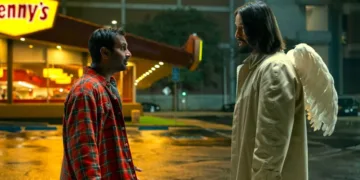















Aziz Ansari used his Toronto premiere to explain how he tailored Good Fortune’s scene-stealing angel for Keanu Reeves, saying he refined the character after Reeves signed on so the performance could tap into the actor’s “otherworldly” sweetness and comic timing. Speaking with TheWrap at TIFF, he described writing Gabriel as a modest “guardian on a budget” who meddles in the life of a struggling assistant and his wealthy boss, then has to live among humans when his plan backfires.
The film centers on Arj (Ansari), a gig worker living out of his car, and Jeff (Seth Rogen), a swaggering tech millionaire; instead of trading bodies, their lives are swapped by Gabriel in a fantasy setup designed to pressure-test the allure of money and status. Festival materials and studio notes list Keke Palmer as Elena, a coworker and labor organizer who pulls Arj back toward real-world stakes, with Sandra Oh playing Gabriel’s no-nonsense superior.
Beyond the hook, Ansari emphasized process: he said conversations with Reeves informed specific gags once the star came aboard, including bits that lean on the character’s unfamiliarity with everyday human habits. He pointed to past comedy in Reeves’ filmography as a starting point, then “dialed in” Gabriel to suit the actor’s gentler register. Early reactions out of Toronto have singled out Reeves’ comic turn as a highlight as the movie positions itself as an R-rated crowd-pleaser.
Good Fortune is Ansari’s first feature to reach theaters after his previously announced directing debut was shelved in 2022 following allegations against a cast member on that unrelated project. The new film premiered at Roy Thomson Hall on September 6 and is slated to open wide on October 17 through Lionsgate, with the studio’s official listings confirming the date and principal cast.
Ansari also struck a personal note during the world-premiere introduction, growing emotional while thanking his wife for support through delays and development detours. In post-screening interviews, he called working with Reeves “mind-blowing,” framing the collaboration as both a creative fit and a chance to reintroduce himself to moviegoers with a big-screen comedy built for audiences rather than algorithms.