
























![Kingdom Hearts Collection [I-III] Review](https://gazettely.com/wp-content/uploads/2026/10/Kingdom-Hearts-Collection-I-III-1-360x180.webp "Kingdom Hearts Collection [I-III] Review: KHII Holds Steady as Newer Entries Fluctuate 37")



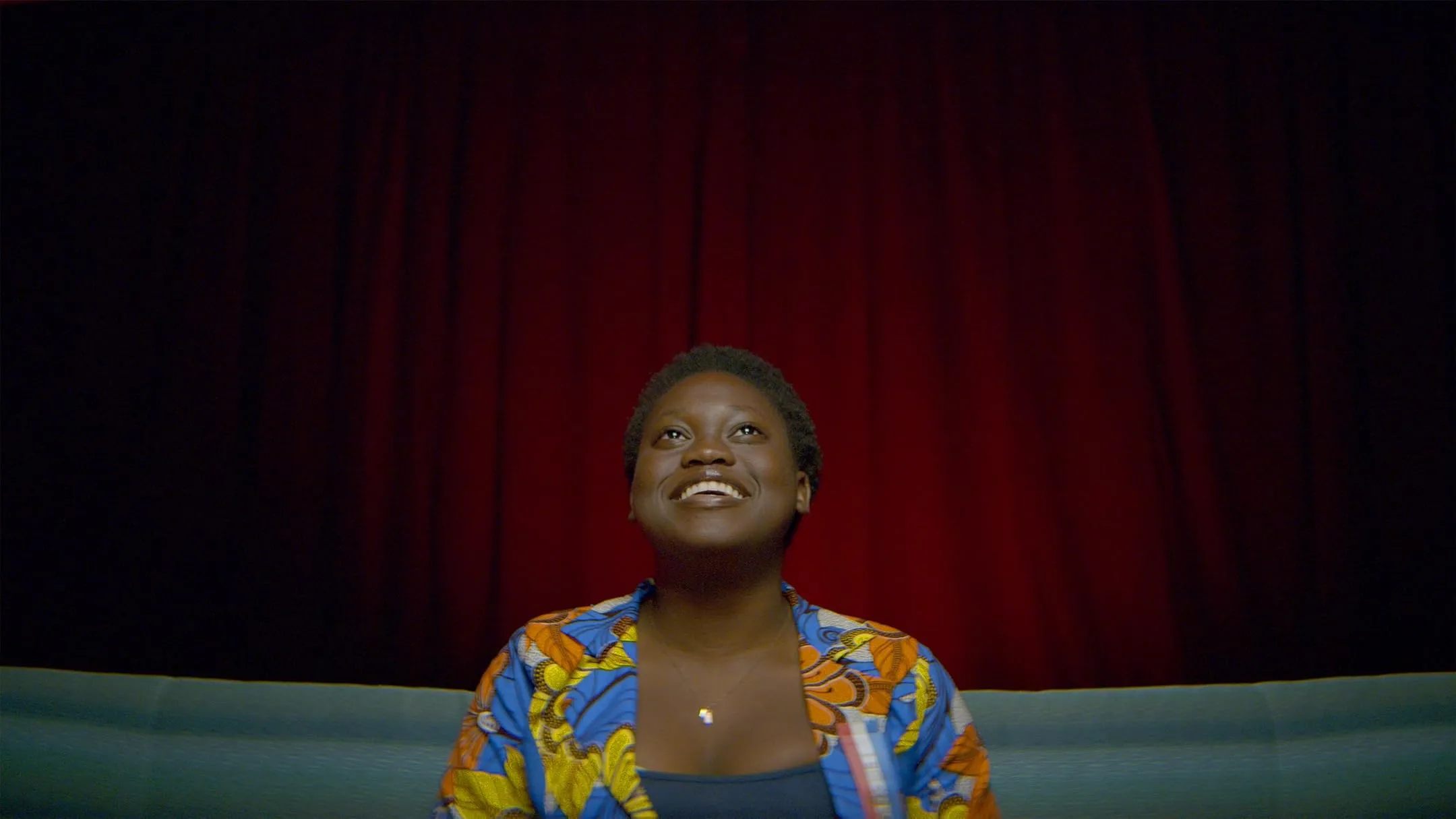

Jennifer Tiexiera and Guy Mossman’s documentary “Speak.” opens with a provocative montage that immediately challenges preconceptions. Famous faces flash across the screen: Oprah Winfrey, Stephen Colbert, Jordan Peele, Elizabeth Warren. These cultural titans share a common origin story that most audiences would never suspect. They all participated in high school speech and debate, emerging from yearbook photos that paint them as polished, privileged scholars. This clever misdirection sets up the film’s central mission to shatter those assumptions.
“Speak.” follows five teenagers competing in Original Oratory at the 2024 National Speech & Debate Tournament in Des Moines. Original Oratory requires students to craft and deliver 10-minute speeches on topics they choose, transforming personal experience into persuasive performance. The competitive structure mirrors athletic tournaments, with elimination rounds building toward a national championship that carries genuine prestige in academic circles.
These five students represent a demographic cross-section that defies the stereotypical image of debate competitors. Their backgrounds range from rural Texas farms to urban Minnesota, from immigrant families to single-parent households. Each carries personal burdens that fuel their oratorical fire, transforming individual struggles into collective inspiration. The film positions itself as both competition documentary and generational portrait, examining how today’s youth process complex social issues through the ancient art of rhetoric.
Voices from the Margins: Five Stories of Resilience
Esther Oyetunji commands immediate attention as the film’s central figure. The daughter of Nigerian immigrants, she has already claimed two national championships and seeks an unprecedented third victory. Her father’s role as a pastor shapes her worldview, requiring her to teach Sunday school while developing speeches that challenge religious orthodoxy.

Her chosen topic dissects the hypocrisy of “protect our children” rhetoric, particularly how politicians invoke child safety while blocking meaningful gun reform. Esther’s precision and power make her the clear favorite, carrying herself with the confidence of someone who understands her historical significance.
Mfaz Mohamed Ali brings a different energy to the competition. This Minnesota student, originally from Sudan, has built a massive TikTok following of over three million users while maintaining her Muslim identity and wearing hijab in her videos. Her speech explores lessons from Sesame Street, finding profound social commentary in childhood programming. The film presents her as Esther’s primary rival, someone whose passionate delivery and emotional resonance could upset the established order.
Sam Schaefer’s journey reveals the healing power of performance. This gay student from Minnesota survived brutal cyberbullying that nearly destroyed his sense of self-worth. Through oratory, he discovered his natural gifts as a comedian and theatrical performer. His speech examines how American nostalgia obscures contemporary problems, delivered with disarming charm that makes difficult truths more palatable. The documentary shows his supportive relationship with a non-binary Native American partner, illustrating how authentic connections can emerge from shared experiences of marginalization.
Noah Chao-Detiveaux carries perhaps the heaviest burden. This Texas student lives with autism while processing his mother’s recent suicide. His complex relationship with his father becomes a subplot as Noah prepares a speech about dignity in death and assisted suicide. The film handles this delicate subject matter with appropriate sensitivity, showing how Noah struggles with whether his advocacy somehow justifies his mother’s final choice. His participation raises questions about emotional readiness and the potential costs of competitive vulnerability.
Noor Garoui represents the classic underdog story. This rural Texas farm girl raises show pigs while caring for her developmentally disabled younger brother. Her mother serves dual roles as high school teacher and speech coach, creating an intimate support system that contrasts with the more professional coaching arrangements of her competitors. Noor’s speech advocates for disability rights, drawing directly from her family experience. The film subtly highlights resource disparities between different programs, showing how some students must fundraise while others access established institutional support.
Tournament Dynamics: Crafting Competition from Conversation
Tiexiera and Mossman demonstrate impressive skill in translating the intellectual competition of oratory into visual storytelling that generates genuine suspense. They treat tournament rounds like sporting events, building tension through elimination brackets and advancement announcements. The filmmakers understand that audiences need to feel the stakes, so they carefully construct dramatic momentum that peaks during the national finals.
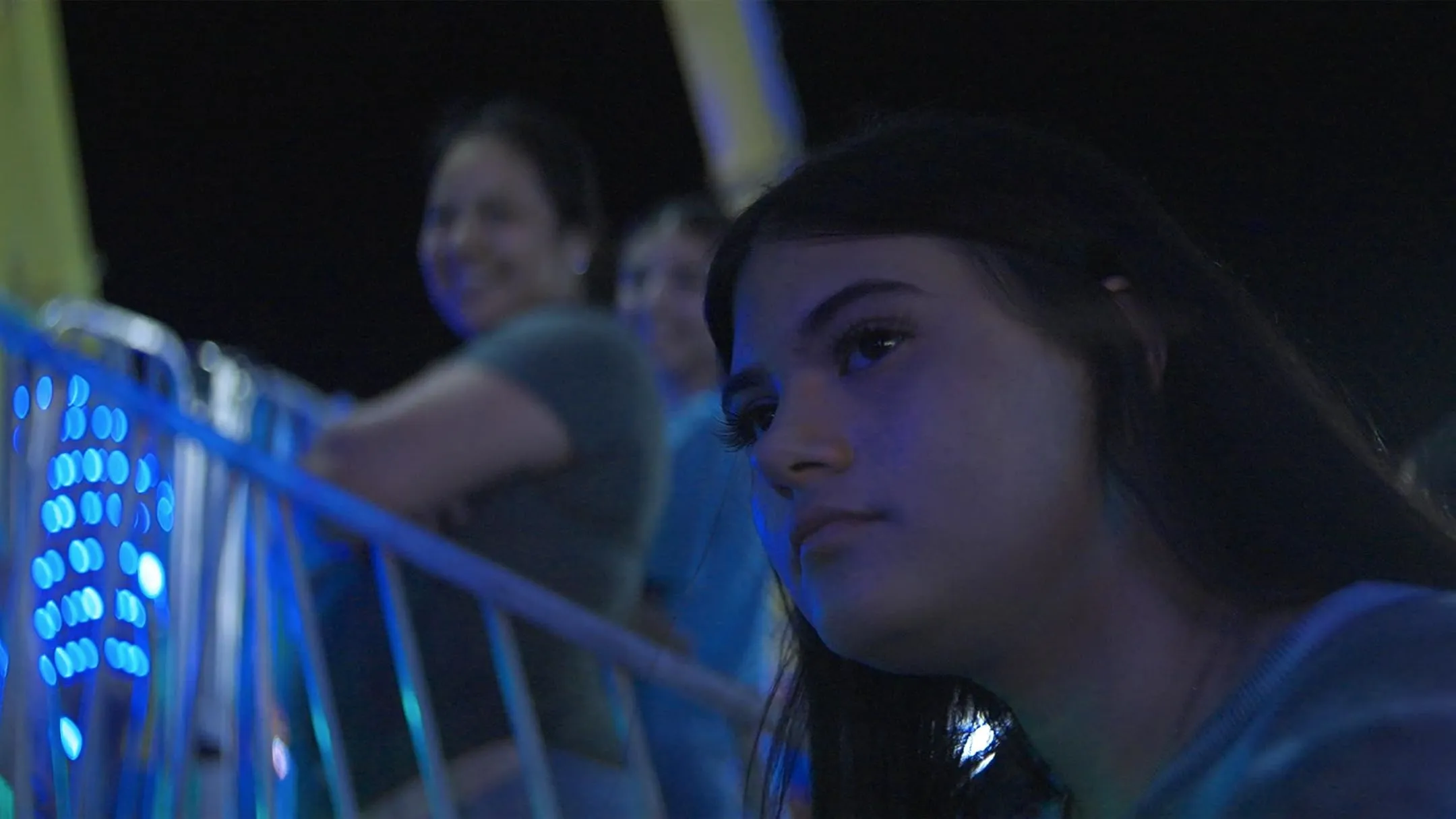
The documentary excels in its use of performance clips that showcase each student’s distinct oratorial style. Rather than simply telling us about their abilities, we witness Esther’s calculated precision, Mfaz’s emotional intensity, and Sam’s theatrical charm. These glimpses into their actual speeches serve multiple functions: they validate the competitive premise, demonstrate technical differences in approach, and allow audiences to form their own judgments about effectiveness.
Behind-the-scenes coaching sequences reveal the technical sophistication of modern oratory. Coaches work with students on breath control, vocal emphasis, and physical gestures with the same attention to detail found in elite athletic training. The film shows how every pause and inflection is choreographed, transforming spontaneous-seeming speeches into carefully crafted performances that blend authenticity with technical mastery.
The editing choices create narrative flow while respecting the reality of competitive structure. Rather than imposing artificial drama, the filmmakers allow natural tension to emerge from the elimination format. They balance personal preparation scenes with tournament footage, showing how months of work culminate in brief moments of public performance. The pacing acknowledges that oratory competitions move differently than traditional sports, requiring patience from audiences while building toward emotional payoffs.
Access to family dynamics and private coaching sessions demonstrates the trust these subjects placed in the filmmaking team. The camera captures intimate moments of doubt, celebration, and family conflict without exploiting vulnerable teenagers. Coaches and parents emerge as genuine supporting characters rather than background figures, each bringing distinct perspectives on competitive pressure and personal growth.
Generation Z Takes the Stage: Youth Voices in Turbulent Times
“Speak.” functions as a compelling snapshot of how contemporary teenagers engage with complex social and political issues through structured discourse. These five students tackle subjects that many adults avoid: gun violence, religious hypocrisy, disability rights, LGBTQ+ discrimination, and social media exploitation. Their willingness to address controversial topics head-on reflects a generation that came of age during school shootings, climate protests, and social justice movements.
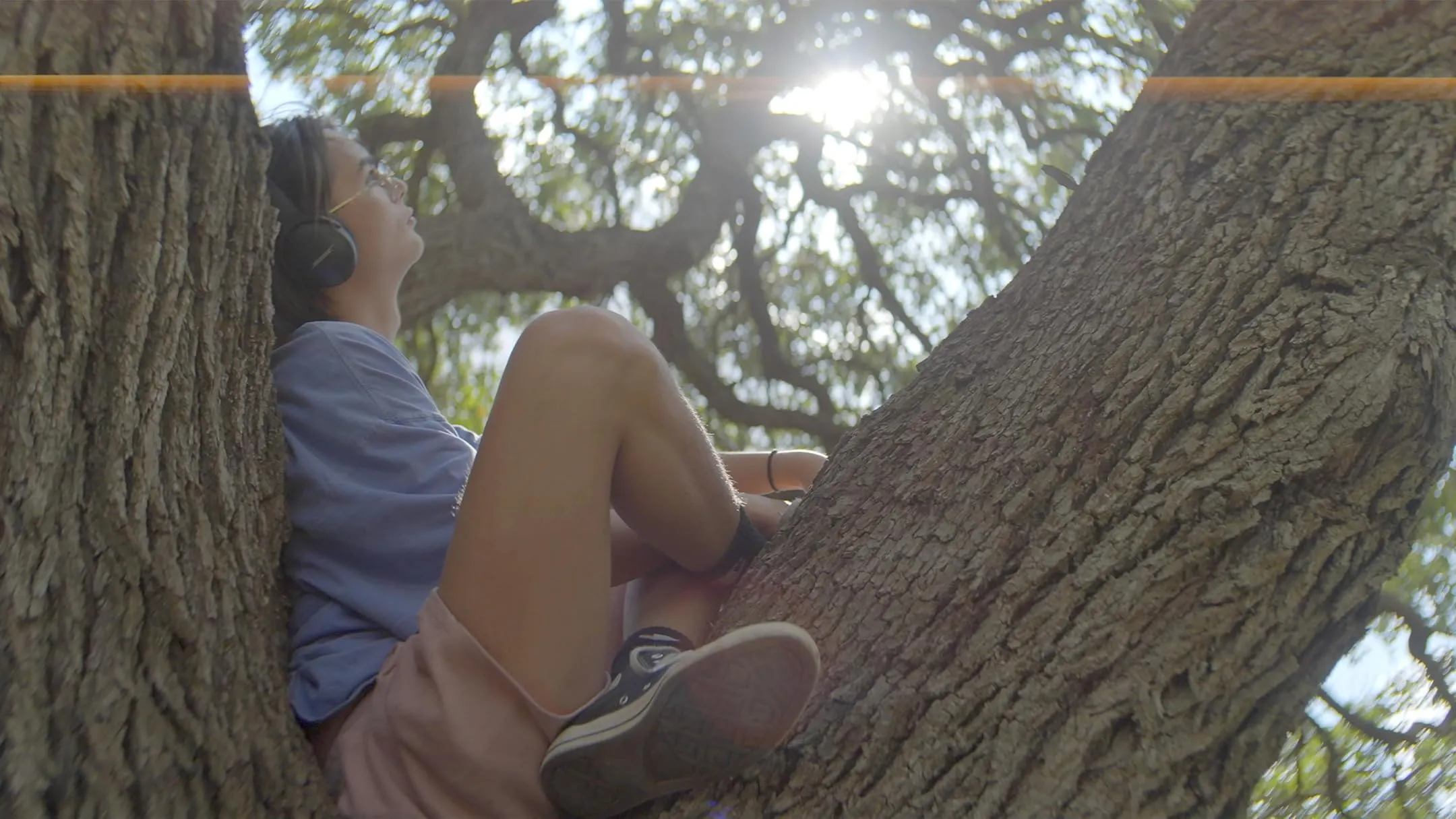
The film illustrates how personal trauma transforms into advocacy through oratorical expression. Each student draws from direct experience rather than abstract theory, creating speeches that carry authentic emotional weight. Noah’s exploration of assisted suicide emerges from grief over his mother’s death. Noor’s disability advocacy stems from daily caregiving responsibilities. This connection between lived experience and public speaking creates a powerful model for civic engagement.
The documentary also examines identity intersection within competitive academic spaces. Students navigate multiple identities simultaneously: Mfaz balances her Muslim faith with social media influence, Sam integrates his sexuality with comedic performance, and Esther reconciles her immigrant background with mainstream academic success. These negotiations reveal how young people construct coherent public personas while honoring complex personal histories.
Resource disparities between different programs emerge as a persistent subtext. While the film doesn’t explicitly address systemic inequalities, observant viewers will notice differences in school facilities, coaching quality, and institutional support. Some students benefit from established programs with professional coaching, while others rely on parent volunteers and fundraising efforts. These differences raise questions about equal access to opportunities for intellectual development and competitive success.
The emotional toll of combining vulnerable personal topics with high-stakes competition becomes apparent as the film progresses. Students must repeatedly perform deeply personal material in front of judges and audiences, creating a unique form of psychological pressure. The documentary shows both the empowerment that comes from transforming pain into purpose and the exhaustion that results from constant emotional exposure. This balance between therapeutic expression and competitive demands reflects broader questions about how we ask young people to process trauma in public settings.
The documentary Speak. premiered at the Sundance Film Festival on January 23, 2025. It follows five ambitious high school oratory students as they compete in a national public speaking competition. The film is a project from the production companies Vox Pop Films, Lady & Bird Films, and others. As of now, it is not widely available to stream, but it has had screenings at various film festivals.
Full Credits
Director: Jennifer Tiexiera, Guy Mossman
Producers: Pamela Griner, Guy Mossman, Jennifer Tiexiera
Executive Producers: J. Todd Harris, Josh Gad, Simon Kilmurry, Lisa Hepner, Christoph Baaden, Abby Ellin, Joseph Wolfe, Polly Wolfe
Cast: Sam Schaefer
Director of Photography: Guy Mossman
Editors: Delaney Lynch, Jennifer Tiexiera
Composer: Osei Essed
The Review
Speak.
"Speak." succeeds as both accessible documentary storytelling and meaningful social commentary. Tiexiera and Mossman craft a compelling narrative that transforms academic competition into genuine emotional investment. While the film follows conventional documentary structures, its subjects elevate familiar formats through authentic vulnerability and intellectual sophistication. The result is an inspiring portrait of young voices tackling adult problems with remarkable clarity and courage.
PROS
- Exceptional subject selection with diverse, compelling personal stories
- Effective translation of intellectual competition into visual storytelling
- Authentic access to vulnerable moments without exploitation
- Strong pacing that builds genuine suspense toward finals
- Meaningful exploration of contemporary youth engagement with social issues
CONS
- Limited examination of systemic inequalities between different programs
- Conventional documentary approach lacks stylistic innovation
- Insufficient interaction between competitors reduces community feel
- Some technical coaching aspects could use deeper exploration







