

























![Kingdom Hearts Collection [I-III] Review](https://gazettely.com/wp-content/uploads/2026/10/Kingdom-Hearts-Collection-I-III-1-360x180.webp "Kingdom Hearts Collection [I-III] Review: KHII Holds Steady as Newer Entries Fluctuate 37")



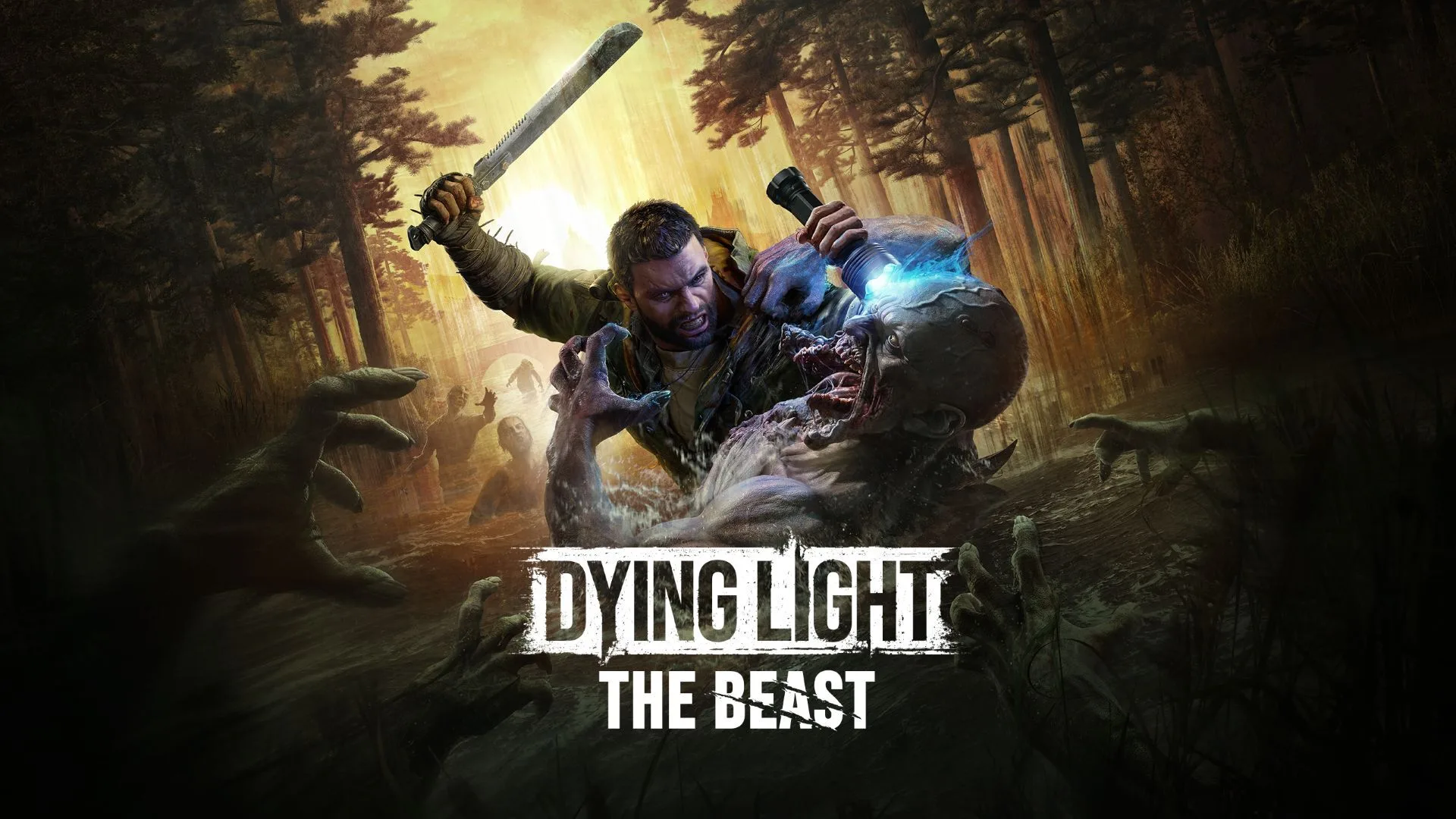

Dying Light: The Beast strips away the mechanical bloat that weighed down its immediate predecessor, returning to the primal satisfaction of Kyle Crane’s zombie-slaying escapades. This standalone entry transforms the series’ urban playground into a rural European valley called Castor Woods, where Crane emerges from 13 years of laboratory experimentation as a human-zombie hybrid hell-bent on revenge. The Beast Mode transformation serves as both literal and metaphorical representation of Crane’s internal struggle, granting temporary superhuman abilities that feel less like power fantasy and more like desperate survival mechanism.
What started as planned DLC for Dying Light 2 evolved into something more focused and coherent, abandoning the previous game’s faction politics and elaborate progression systems for a streamlined revenge narrative. The shift from towering cityscapes to countryside villages fundamentally alters how players approach traversal and combat, creating a more intimate horror experience where isolation amplifies every zombie encounter. Beast Mode activates through damage dealt and received, creating a risk-reward dynamic that encourages aggressive play while maintaining the series’ signature vulnerability.
Narrative Mechanics: Simple Revenge, Complex Character
The revenge plot driving Beast follows familiar beats, positioning The Baron as a stereotypical mad scientist antagonist whose generic villainy serves primarily as gameplay justification. Yet this narrative simplicity works in the game’s favor, avoiding the convoluted faction systems and choice paralysis that plagued Dying Light 2. Kyle Crane’s characterization benefits from Roger Craig Smith’s weary performance, bringing exhausted determination to a protagonist who accepts further experimentation with resigned pragmatism rather than heroic bravado.
The storytelling acknowledges its own limitations through a skip dialogue option, recognizing that players come for zombie carnage rather than narrative complexity. This self-awareness allows the writing to focus on what it does well: character moments that emerge through gameplay rather than cutscenes. Side quests outshine the main campaign by grounding survival themes in personal vignettes, where helping isolated survivors feels meaningfully connected to the broader apocalyptic setting.
Crane’s willingness to accept additional injections despite his traumatic captivity might seem inconsistent, but it reflects a pragmatic survival mindset where power acquisition trumps personal safety. The narrative treats Beast Mode transformation as psychological coping mechanism rather than superhero origin story, with Crane’s rage-fueled abilities emerging from trauma rather than heroism. This grounding prevents the supernatural elements from undermining the horror atmosphere that defines the series.
Combat Systems: Violence as Survival Tool
Beast Mode fundamentally alters Dying Light’s combat philosophy by functioning as emergency survival tool rather than dominant power fantasy. The transformation activates after sustained combat engagement, creating a feedback loop where taking damage becomes strategic resource management rather than simple failure state. This mechanic encourages players to engage with zombie hordes rather than avoid them, rewarding aggressive play while maintaining the series’ emphasis on tactical positioning and stamina management.
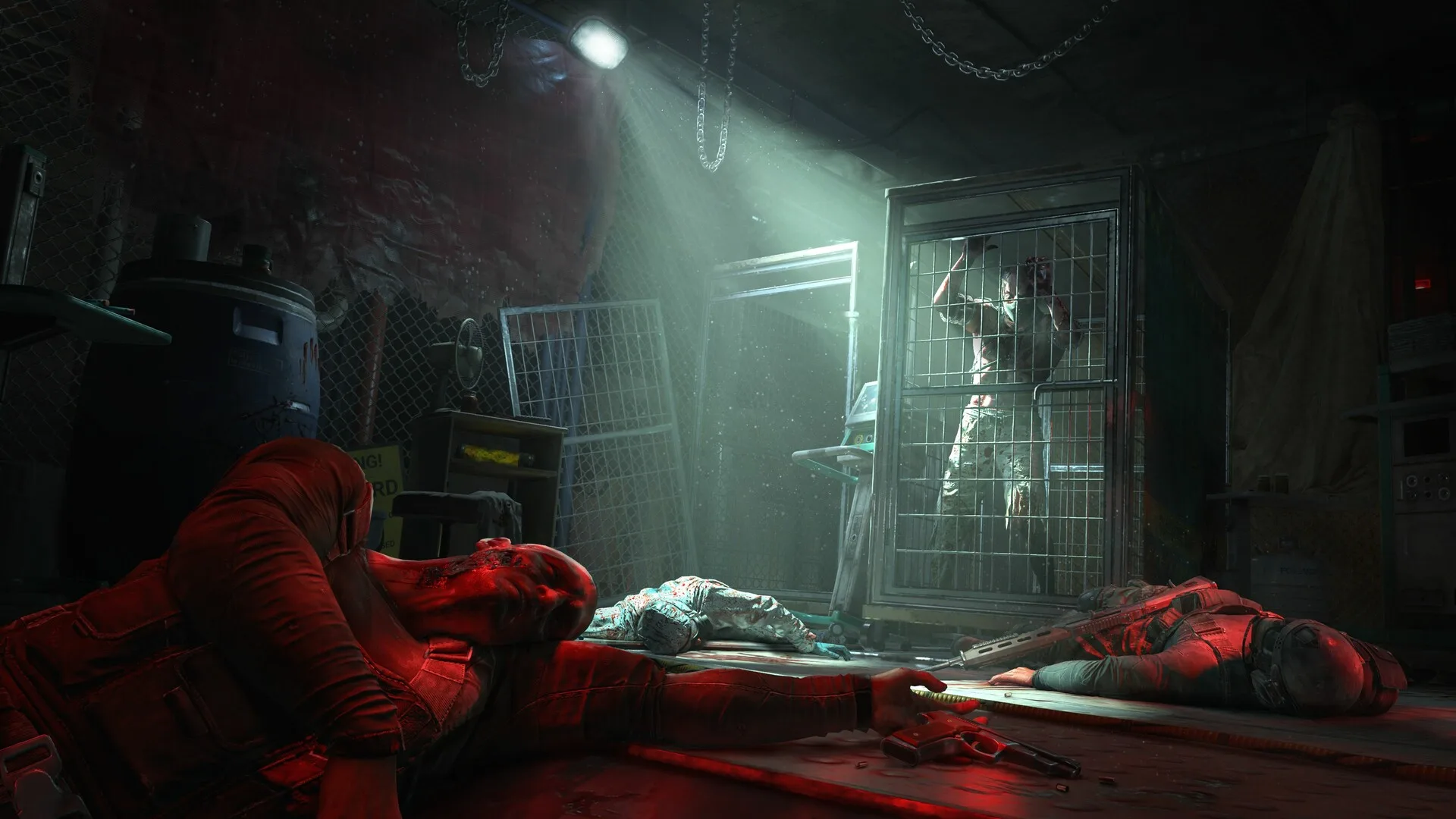
Melee combat retains its visceral satisfaction through detailed dismemberment systems and weapon crafting that emphasizes improvised brutality over refined technique. The durability system forces players to constantly adapt their approach as favorite weapons break down, preventing the hoarding behavior that undermined tension in previous entries. Stamina management becomes more punishing here, creating situations where retreat becomes necessary even against basic zombie encounters.
Firearms integration provides tactical variety without overwhelming the melee focus that defines the series. Guns excel against human enemies while proving less effective against zombies, creating clear situational applications that prevent any single approach from becoming dominant. The limited ammunition maintains resource scarcity while giving players meaningful options when facing The Baron’s military forces.
Vehicle combat introduces a new traversal layer that addresses the rural setting’s reduced verticality. Cars handle adequately without exceptional refinement, serving their functional purpose of crossing large wilderness areas while providing satisfying zombie-ramming opportunities. The slow speed limits excitement but maintains the deliberate pacing that prevents Dying Light from becoming pure action spectacle.
Environmental Design: Horror Through Isolation
Castor Woods represents a calculated departure from the urban verticality that defined previous entries, trading skyscraper forests for countryside villages that emphasize horizontal exploration and vehicle traversal. The rural setting amplifies horror through isolation rather than claustrophobia, where creepy cabins scattered throughout dense forests create unpredictable encounter zones that maintain tension during exploration.
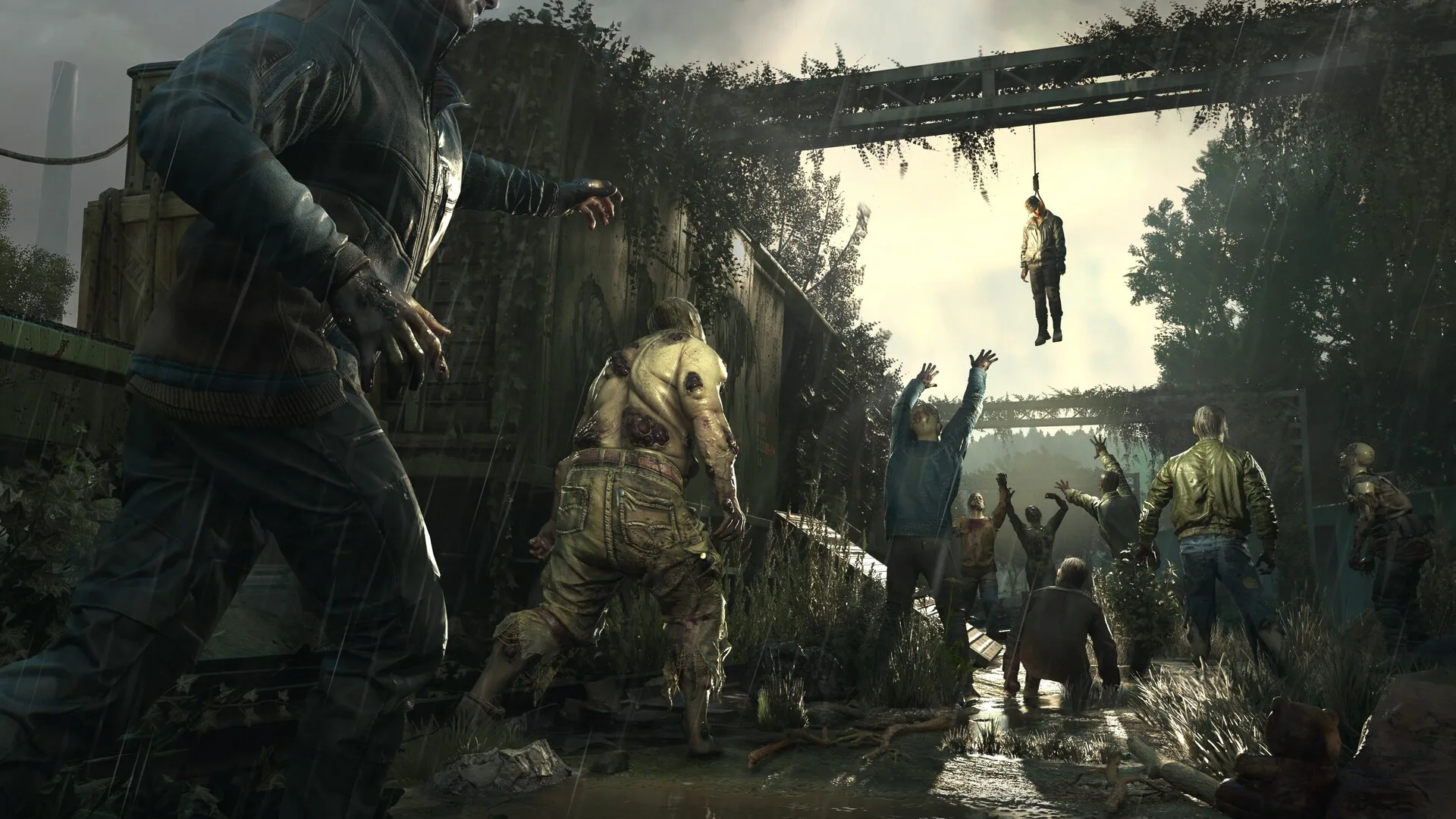
The environmental design cleverly integrates climbing opportunities into natural formations, using rock walls, transmission towers, and industrial complexes to maintain parkour gameplay without relying entirely on architectural verticality. Clock towers and smokestacks provide familiar climbing challenges while fitting organically into the rural aesthetic. This balance prevents the setting from feeling like a mechanical compromise.
Safe house distribution becomes more strategic due to the increased distances between settlements, forcing players to carefully plan nighttime expeditions rather than rely on abundant urban refuges. The UV light mechanics take on increased importance when safe zones become scarce, creating genuine anxiety about venturing too far from established positions. Mountain boundaries create natural map limitations that feel organic rather than artificially imposed.
The circular area design reveals the game’s DLC origins but actually benefits the pacing by maintaining focus rather than sprawling aimlessly across empty wilderness. Every location serves a purpose, whether providing climbing challenges, resource gathering opportunities, or atmospheric horror moments that justify exploration efforts.
Day-Night Psychological Transformation
The day-night cycle creates two distinct gameplay experiences that feel more pronounced in the rural setting than in previous urban environments. Daytime exploration encourages thorough looting and mission completion while maintaining manageable zombie threat levels, allowing players to establish territorial familiarity that becomes crucial for nighttime survival. The wooded terrain creates visibility limitations that make even daylight encounters more unpredictable than rooftop navigation allowed.
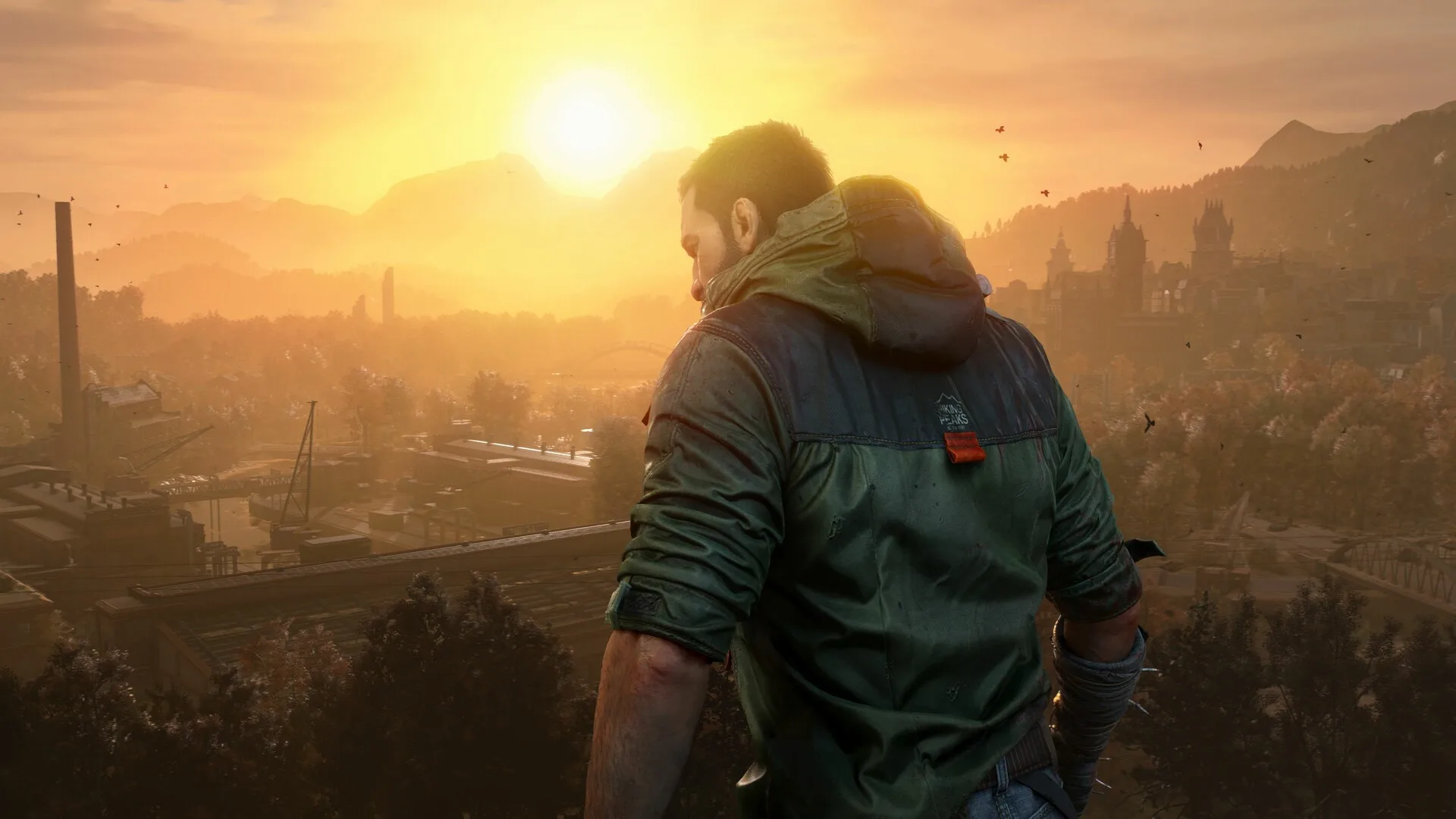
Nighttime transforms the familiar landscape into genuinely terrifying territory where Volatile creatures dominate through superior speed and aggression. The stealth-focused gameplay requires careful movement planning and constant awareness of escape routes, creating tension that rivals dedicated horror games. The XP bonus for nighttime activities creates meaningful risk-reward calculation rather than simple avoidance incentive.
Beast Mode takes on different strategic significance during night encounters, functioning as desperate escape mechanism when stealth fails rather than aggressive engagement tool. This transforms the supernatural abilities into psychological comfort rather than mechanical advantage, providing players with emergency options while maintaining the fundamental vulnerability that makes night sequences effective.
The rural setting amplifies isolation during night sequences, where urban safe houses gave way to scattered refuges separated by dangerous wilderness. Extended chase sequences through forests create marathon tension rather than quick escapes, forcing sustained fear rather than brief adrenaline spikes.
Technical Foundation: Stability Through Restraint
Beast demonstrates improved technical stability compared to previous series entries, achieving reliable performance through focused scope rather than ambitious overreach. The visual presentation captures the European countryside effectively without pushing hardware limits, creating atmospheric environments that serve gameplay needs rather than showcasing technical prowess. Gore effects and dismemberment systems maintain their visceral impact while running smoothly across various hardware configurations.
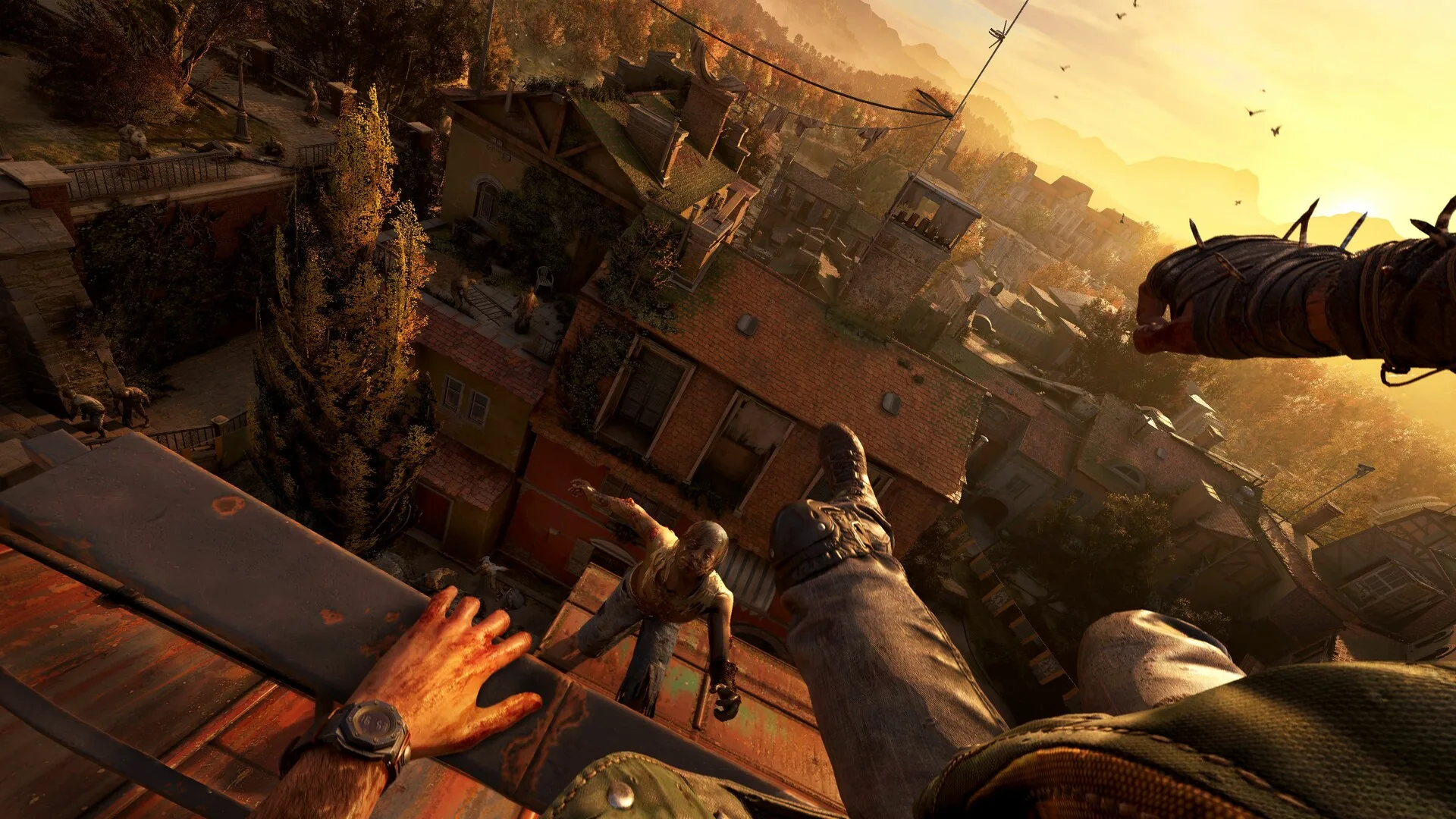
Olivier Deriviere’s musical score deserves particular recognition for reimagining the series’ themes with horror emphasis rather than action heroics. The soundtrack shifts from Dawn of the Dead influences toward 28 Days Later atmosphere, creating audio design that supports the refined horror focus rather than contradicting it through inappropriate musical choices.
Minor technical issues emerge through occasional geometry problems that temporarily trap players in environmental collision detection, but these prove rare enough to avoid significant frustration. The day-one patch addressed most stability concerns while maintaining the smooth performance that allows players to focus on survival mechanics rather than technical workarounds.
Content Philosophy: Quality Through Focus
Beast adopts a concentrated approach to open-world content that prioritizes meaningful activities over checklist completion. Treasure hunting, military convoy raids, and safe house establishment provide clear objectives with satisfying rewards rather than busy work designed to pad playtime statistics. The reduced quantity of side activities actually enhances their individual impact by making each encounter feel purposeful rather than repetitive.
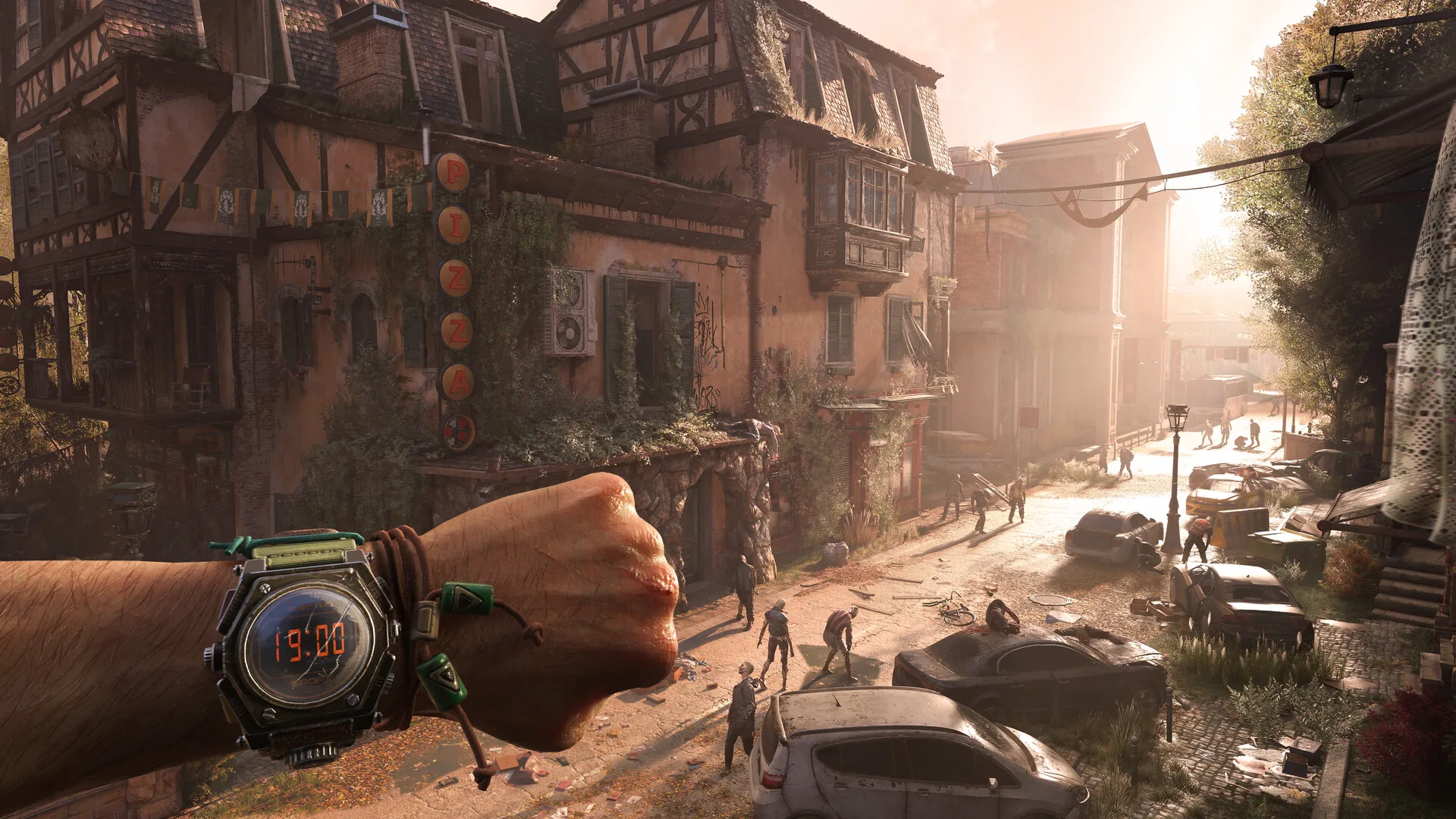
The 30-40 hour completion time for thorough players provides substantial content without overstaying its welcome, addressing the pacing issues that made Dying Light 2 feel bloated despite its technical improvements. Racing challenges using vehicle mechanics and stealth-based store infiltrations offer gameplay variety while staying within established mechanical frameworks.
Beast Mode experimentation provides replay incentive through different combat approaches, while weapon crafting systems offer enough depth to support multiple playthroughs without overwhelming complexity. The focused experience avoids live-service elements and seasonal content updates that might dilute the core horror atmosphere.
The value proposition succeeds by delivering a complete, satisfying experience rather than promising endless content updates that rarely materialize as intended. This approach respects player time while providing enough content to justify the standalone pricing structure.
The Review
Dying Light: The Beast
Dying Light: The Beast succeeds by embracing focused simplicity over ambitious complexity. The rural setting and Beast Mode mechanics create a distinct horror experience that feels fresh while honoring series traditions. Technical stability and meaningful content design make this the most cohesive entry since the original, despite predictable storytelling and repetitive boss encounters. The streamlined approach proves that sometimes less truly delivers more.
PROS
- Visceral Beast Mode combat feels meaningful rather than overpowered
- Rural setting creates genuine horror atmosphere
- Excellent technical stability and performance optimization
- Focused content design respects player time
- Satisfying weapon crafting and dismemberment systems
CONS
- Generic villain and predictable revenge plot
- Clunky climbing mechanics compared to previous entry
- Limited verticality reduces parkour opportunities
- Shortage of side content in opening hours







