





























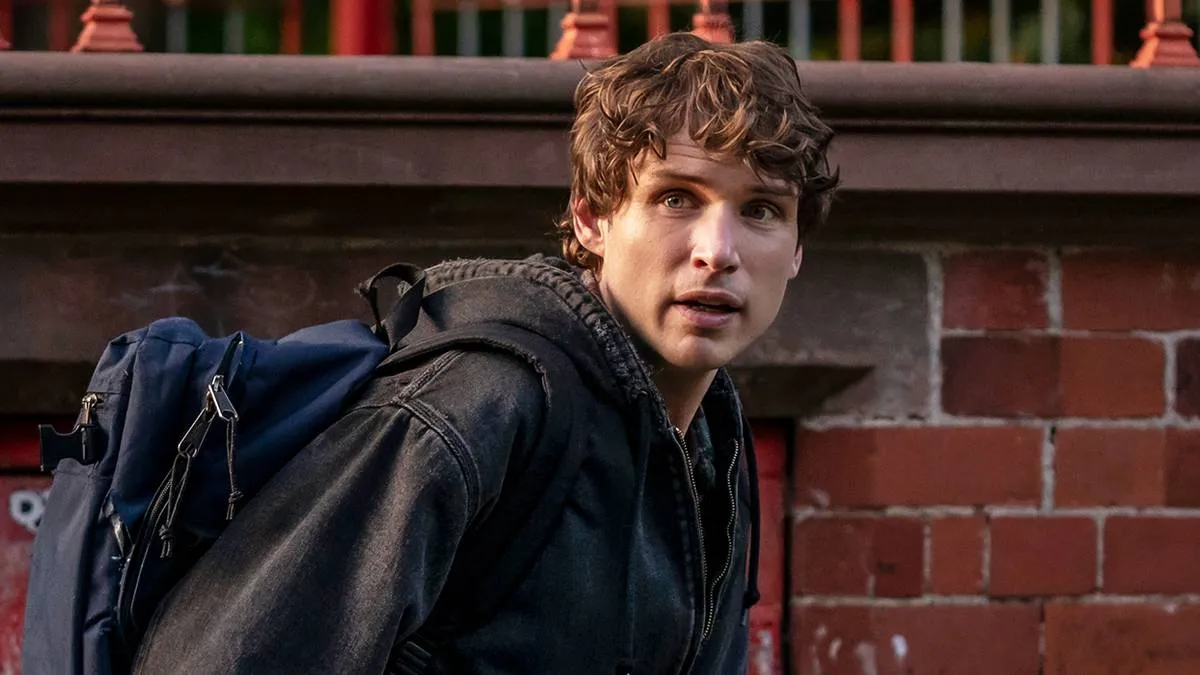

AMC’s Immortal Universe widened this week with the launch of Talamasca: The Secret Order, a six-episode thriller that shifts the franchise’s focus from vampires and witches to the clandestine organization that watches them. In an in-depth breakdown, the creative team outlined how season one is designed to stand on its own while threading connections to Interview With the Vampire and Mayfair Witches, emphasizing new protagonists within the lore rather than a direct adaptation of an Anne Rice novel. The show centers on law student Guy Anatole as he’s recruited into the Talamasca, an order tasked with monitoring the supernatural, and positions its mysteries as an on-ramp for viewers who haven’t followed earlier series.
The rollout began with a two-episode premiere on October 26 on AMC and AMC+, followed by weekly installments through a November 23 finale, a cadence the network hopes will build appointment viewing across the fall schedule. Producers framed cross-series ties as strategic cameos and story beats: season one features returning figures from the wider universe and nods to forthcoming chapters, with one episode bringing back Talamasca operative Raglan James and others hinting at the music of Lestat ahead of the next Interview With the Vampire season. Cast additions include Nicholas Denton, Elizabeth McGovern, William Fichtner, and Maisie Richardson-Sellers.
Early reaction points to a debate over independence versus interdependence. Some critics argue the series leans heavily on prior knowledge of Rice’s mythos, while others highlight the new show’s espionage tone and improvisational character dynamics as a distinct flavor within the brand. That mixed reception arrives as franchise architect Mark Johnson signals further expansion, saying several additional projects are in active development and urging fans to “stay tuned” for future announcements.
Behind the scenes, Talamasca reflects AMC’s broader bet on serialized world-building with tightly scoped seasons and scheduled crossover moments to sustain audience interest between flagship runs. Episode guides set clear viewing windows, while trade coverage of the premiere outlines how showrunners John Lee Hancock and Mark Lafferty aim to balance case-of-the-week intrigue with mythology reveals. With six episodes to establish a new corner of the canon, the series functions as both expansion and stress test for a universe that continues to add titles while managing continuity.