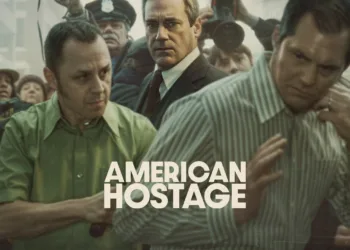



























Australian screen leaders condemned a proposal from President Donald Trump to impose a 100 percent tariff on films made outside the United States, calling the plan unworkable in a globalized industry where financing, crews, and postproduction routinely span multiple countries. Producers warned the levy would upend years of co-production links with Hollywood and choke off Australian releases in U.S. theaters, while policy experts questioned how authorities would even define a “foreign” movie when intellectual property and services trade are interwoven across borders.
Industry economists pointed to legal and logistical hurdles, including whether an administration could use emergency powers to tax the import of informational materials and how customs would assess a film’s origin when shoots, VFX, and ownership are split across jurisdictions. Australia’s sector, which relies on U.S. distribution and frequent studio partnerships, fears a chilling effect on investment and jobs if costs for U.S. audiences double overnight. The debate also lands as Canberra weighs streaming content obligations for global platforms, a domestic reform that could be overshadowed if the U.S. market—the linchpin for many Australian titles—becomes prohibitively expensive.
Support for the tariff from a major U.S. transport union added a countercurrent to the backlash, with labor leaders arguing the measure could steer production spending back to American crews after a decade of “runaway” shoots. But details remain sparse, including who would pay the duty, how enforcement would work for digital distribution, and what timeline the White House envisions. A separate report this week noted the announcement revived talk of broader trade measures alongside an existing baseline tariff regime, leaving film exhibitors and streamers uncertain about pass-through costs to consumers.
Australian filmmakers cautioned that the brunt would fall on independents and non-English language titles that built followings in North America, as well as local crews who benefit when U.S. projects shoot in Australia. A prominent director said the proposal misunderstands how films move across borders and cannot be implemented like a commodity tariff. Public broadcasters and trade outlets in Australia reported calls for the issue to be raised directly with Washington during upcoming leader-level meetings, reflecting concerns that the proposal, even if never finalized, could already be chilling dealmaking.