


























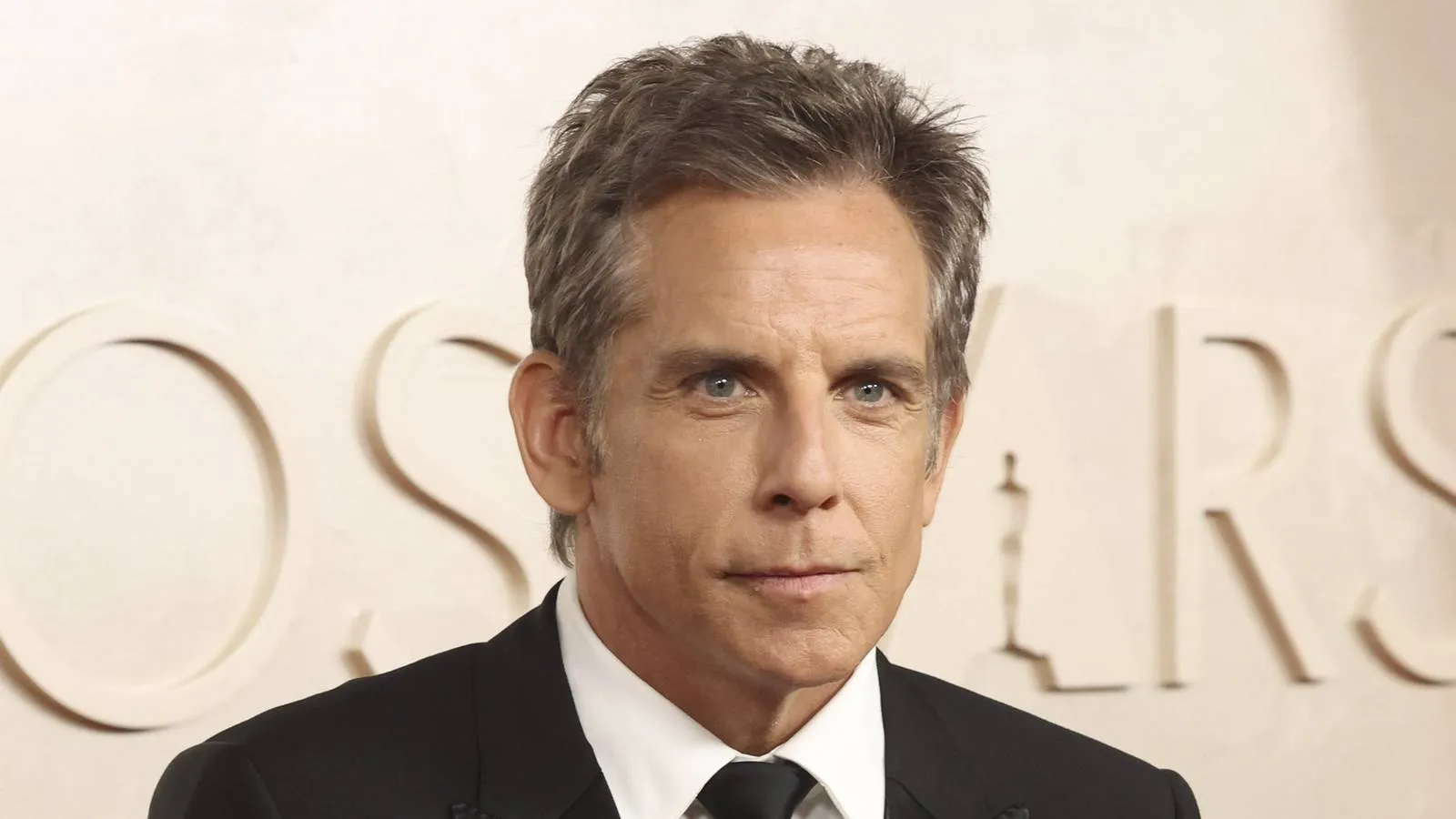

Ben Stiller says the “nepo baby” label no longer feels like a scarlet letter and compares the backlash to the 1980s “Brat Pack” tag, arguing it can even function as a selling point when audiences know what pedigree implies. The actor and filmmaker, whose parents were performers, framed the debate as cyclical branding rather than a measure of individual merit, while acknowledging the conversation has intensified online. His remarks arrive after earlier dust-ups over the extent to which family ties shape Hollywood careers.
The discussion lands amid new data about inherited advantage in creative work. Research summarized by Harvard’s Gazette reports that nearly one in three young workers start with a parent’s employer and typically earn more at the outset, suggesting that early access—not just talent—affects outcomes. A 2025 analysis of media coverage found that stories often emphasize hard work while downplaying privilege, indicating a gap between public narratives and structural realities.
Recent commentary from industry figures reflects a range of responses. Some, like Oliver Hudson, have said family connections can open doors but cannot sustain a career without performance. Others warn that the label has become a cudgel, creating online pile-ons that obscure how hiring actually happens and how unions, agency rosters and financing dynamics shape chances for newcomers. Stellan Skarsgård has described the conversation as sometimes punitive for children who grew up around sets but still have to face auditions and reviews.
Stiller’s current visibility also factors into how his comments are received. He has been promoting personal and professional projects while reflecting on parenting choices in a new documentary, including regret over cutting his daughter from a past film—an admission that has sparked fresh debate about boundaries between family and work. Meanwhile, labor market reporting this year indicates that “legacy” entrants tend to earn more early in their careers across sectors, not only in entertainment, situating the screen-industry debate within a broader inequality story.