




























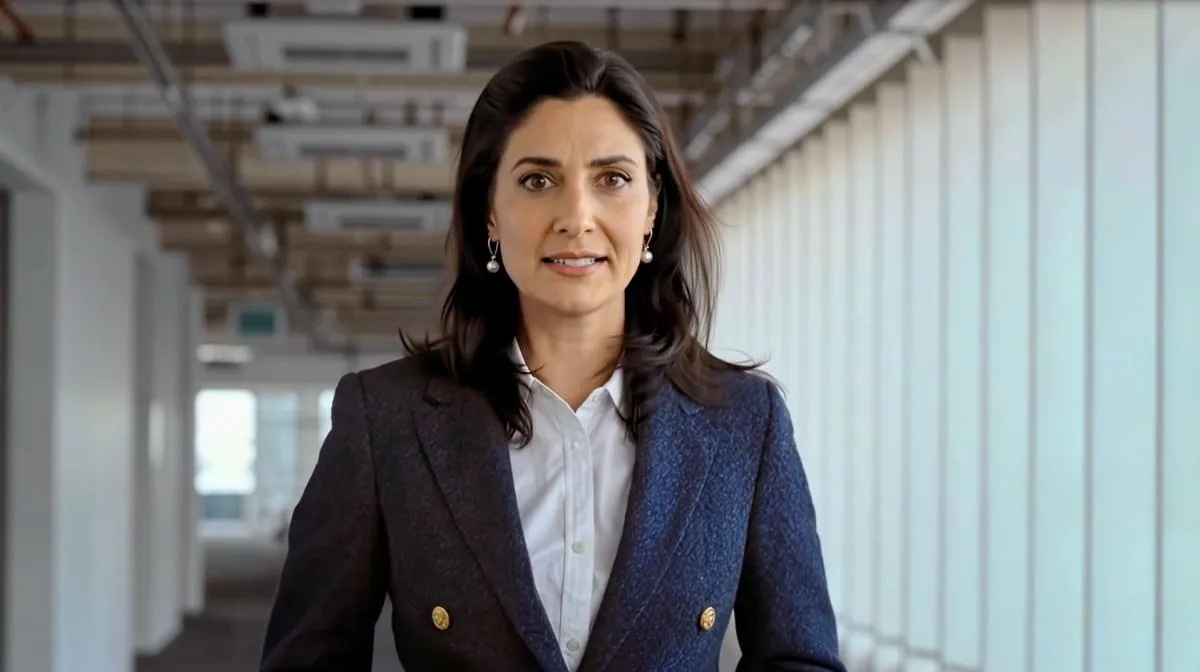

Channel 4’s latest Dispatches installment was fronted by an AI-generated presenter who revealed her identity only at the end of the broadcast, a first for British television and a deliberate test of how convincingly synthetic media can deliver current affairs.
The hour, titled Will AI Take My Job?, followed human-versus-AI tasks across workplaces while the digital anchor reported from multiple “locations,” narrating the investigation before disclosing she did not exist outside the software that created her. Channel 4 framed the stunt as an experiment in audience trust at a moment when generative tools are rapidly entering news and entertainment.
The broadcaster’s head of news and current affairs Louisa Compton said the tactic would not become routine, stressing that the channel’s priority remains fact-checked, duly impartial journalism—something she argued AI cannot do.
Production company Kalel described the build as “risky” but instructive, noting that costs for a synthetic presenter drop with each iteration as models improve, a dynamic that both excites technologists and alarms workers. Viewers and industry figures split between curiosity about the craft and concern that such realism could blur accountability, accelerate job displacement, or mislead audiences without clear labelling.
The reveal lands amid a wider policy and ethics debate in the UK about deepfakes, disclosure standards, and the role of public service broadcasters in demonstrating emerging technology without normalising it. Supporters see educational value in stress-testing editorial safeguards on air; critics argue that even controlled demonstrations risk dulling alarm over manipulation.
For Channel 4, the calculation extends beyond novelty: Dispatches has long built investigations around access and method, and this edition positioned the anchor herself as evidence in a story about automation. The programme’s framing—human experts on camera, AI voice and visage delivering links—created an unusual division of labour that showcased both the efficiency of synthetic production and its limits, particularly when interviews required judgement, provenance and accountability.