



























![Kingdom Hearts Collection [I-III] Review](https://gazettely.com/wp-content/uploads/2026/10/Kingdom-Hearts-Collection-I-III-1-360x180.webp "Kingdom Hearts Collection [I-III] Review: KHII Holds Steady as Newer Entries Fluctuate 40")
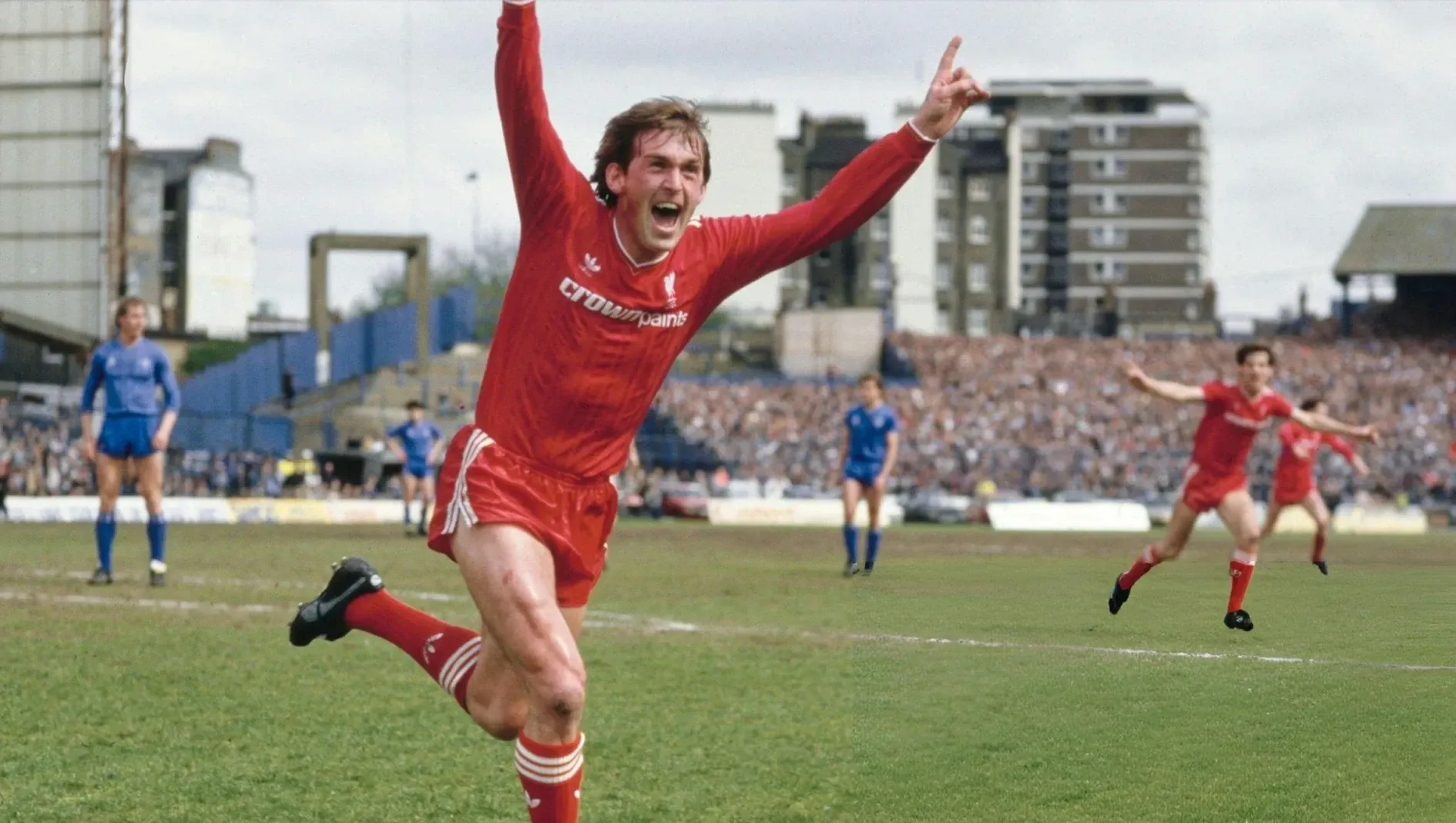

Asif Kapadia’s Kenny Dalglish reads as a case study in modern hagiography (the affectionate, historically loaded kind) applied to a sporting figure. The film fixes its gaze on the Scottish footballer whose presence shaped Liverpool Football Club so deeply that his name still functions like liturgy long after his final match. Kapadia uses his now-familiar immersive method, constructing the story entirely from archive material.
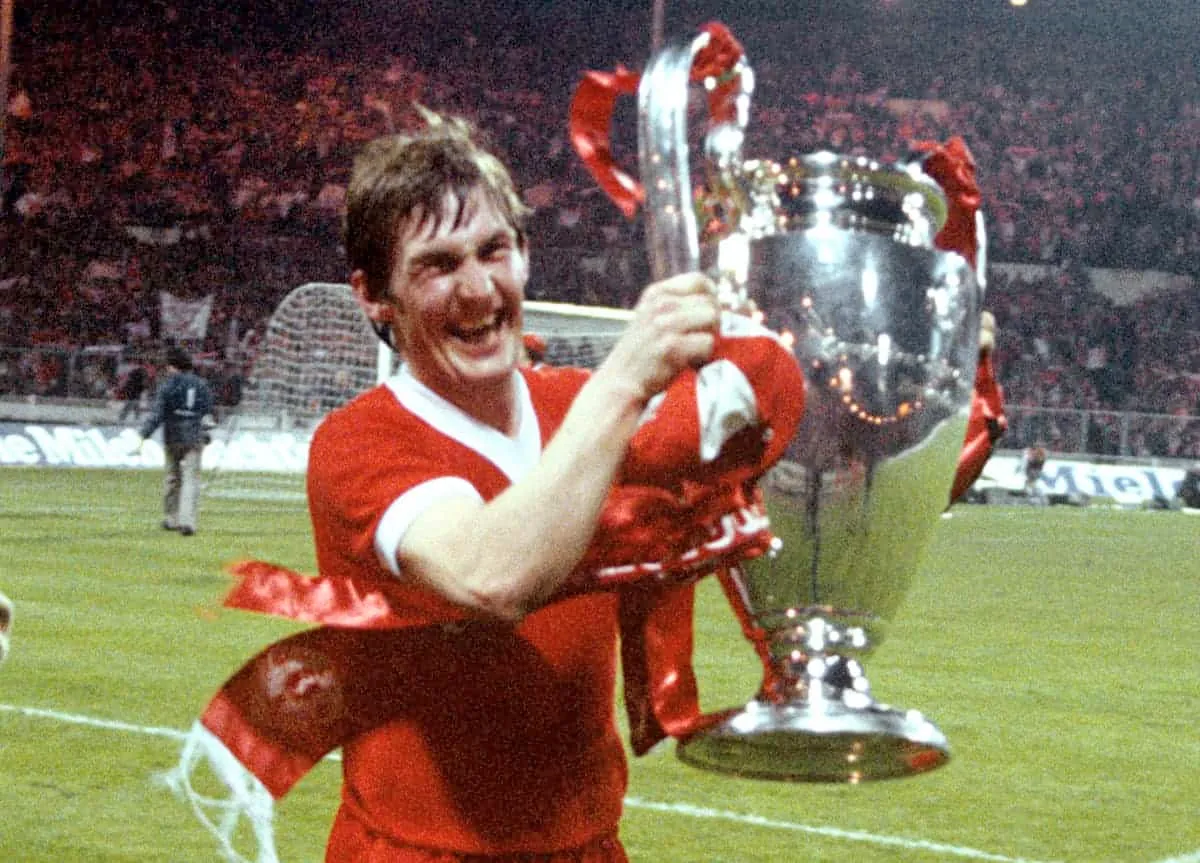
Placing Dalglish’s own humour and modesty at the centre of the narration gives the film a close, human scale. The story traces a path from the backstreets of Glasgow to a decorated stint at Celtic and on to a reign at Anfield thick with trophies. The depth of regard he commands in Liverpool reads as civic memory turned personal myth, a character welded to a city’s self-image.
The Aesthetics of Glory and the “Kop-Epic”
The film itemises the climb with care. It begins with a childhood fixation on football and the formative Celtic years that yielded four Scottish league titles. A hinge arrives in 1977 with the move to Liverpool, then a record transfer fee, which supplies the central dramatic beat. Dalglish admits he felt “terrified,” a wry understatement from someone who scored on his debut.
Kapadia packs the frame with previously unseen footage, which shifts the project from life story to visual cultural history. Editor Matteo Bini’s instinctive, immersive cutting keeps time snapping forward. The match reels produce frequent shocks of brilliance, a quicksilver chemistry in Dalglish’s play that evokes those “ghost passes” laid on for Ian Rush.
Antonio Pinto’s rousing score sets the peaks in an orator’s register, and the film becomes a contemporary “Kop-Epic” (a house term for Anfield myth-making) that treats football as ritual, archive as scripture, crowd as chorus.
The Social Contract of the Athlete
The documentary situates Dalglish’s career inside the social and political weather of 1970s and 1980s Britain. Liverpool appears as a city pressed by economic deprivation and high unemployment during the Thatcher years. In that climate, Liverpool FC functions as civic engine and morale anchor with reach that exceeds sport. Dalglish stands as the visible body of that spirit.
Character study arrives in small, telling vignettes. Home-movie fragments surface, along with the voice of his wife, Marina. The film notes a marriage that crossed a Catholic–Protestant line, treated with the same plain style that Dalglish projects.
Voices gather around him. Teammates Alan Hansen and Graeme Souness speak. Paul McCartney adds a cultural echo. A simple thesis emerges: the athlete carries public fortune, which is to say, the polis finds itself in the figure on the pitch.
The Weight of History and the “Scourge-Text”
The film then turns to the Hillsborough disaster of 1989, a national wound that becomes its most forceful and affecting passage. Ninety-seven fatalities at an FA Cup semi-final call for a clear warning about distressing images and introduce a sober key. The narrative sets the earlier Heysel disaster of 1985 beside Hillsborough, with hooliganism attached to the first and institutional failure to the second, where police and media assigned blame to Liverpool supporters, a political and social wrong.
Dalglish’s conduct as manager shapes his lasting legacy. He speaks for families and steadies a grieving city, resisting a smear campaign with quiet firmness. The film measures worth in human terms before professional merit. Carrying that grief exacts a cost that leads to his 1991 resignation. The work, at this stage, becomes a “Scourge-Text” (a record of communal suffering) and fixes Dalglish as an ethical figure who placed people before the immediate demands of competition.
There is a paradox at play, and the film accepts it. The architecture of adoration meets the discipline of history. The archive sings, yet the gravest reel refuses catharsis. Heroism sits beside fatigue. A civic icon appears, then retreats into privacy. The testimony from teammates sounds like a choir, then thins to a single voice in a quiet room. Football keeps rolling. Memory keeps working. The city keeps chanting.
The documentary film Kenny Dalglish is a cinematic portrait of the legendary Scottish footballer, detailing his celebrated career from Glasgow Celtic to his iconic status as both a player and manager at Liverpool Football Club. Directed by Asif Kapadia, the film uses his signature style of being told entirely through archival footage, narrated by Dalglish himself alongside audio testimonies from family and peers. It premiered in October 2025 and was released for streaming on Amazon Prime Video in the UK and Ireland on November 4, 2025, following a one-night-only cinema release. The documentary also focuses heavily on Dalglish’s humanitarian role in the aftermath of the Hillsborough disaster.
Credits
Director: Asif Kapadia
Producers and Executive Producers: Chris Clark, Asif Kapadia, Ben Mawson, Will Clarke, Andy Mayson
Cast: Kenny Dalglish, Marina Dalglish, Graeme Souness, Alan Hansen, Paul McCartney, Henry Winter, Jegsy Dodd, Cathy Long
Editors: Matteo Bini
Composer: Antonio Pinto
The Review
Kenny Dalglish
The film successfully employs Kapadia's archive-driven style to create a visual cultural history of Liverpool. It is an exploration of the ethical contract between an athlete and the community that elevates him. While celebrating Dalglish's football genius, the documentary’s true power resides in its later sections, serving as a profound record of collective grief and personal sacrifice following the Hillsborough disaster. The work is essential viewing, offering a deep look at enduring leadership and moral integrity.
PROS
- Seamlessly constructed entirely from period footage and audio.
- Successfully embeds Dalglish's career within the socio-political reality of 1970s/80s Britain.
- Delivers a powerful, dignified depiction of Dalglish's profound moral response to tragedy.
- Dalglish's own voice provides humor and humility, grounding the monumental scale of his mythos.
CONS
- The gravity of the Hillsborough section risks overshadowing the athletic accomplishments.
- Leans toward hagiography, offering few critical notes on the subject.
- Uses the director's now-familiar structure (archive footage, retroactive interviews).
- Highly specific to the Liverpool community, which may require cultural translation for wider audiences.