


























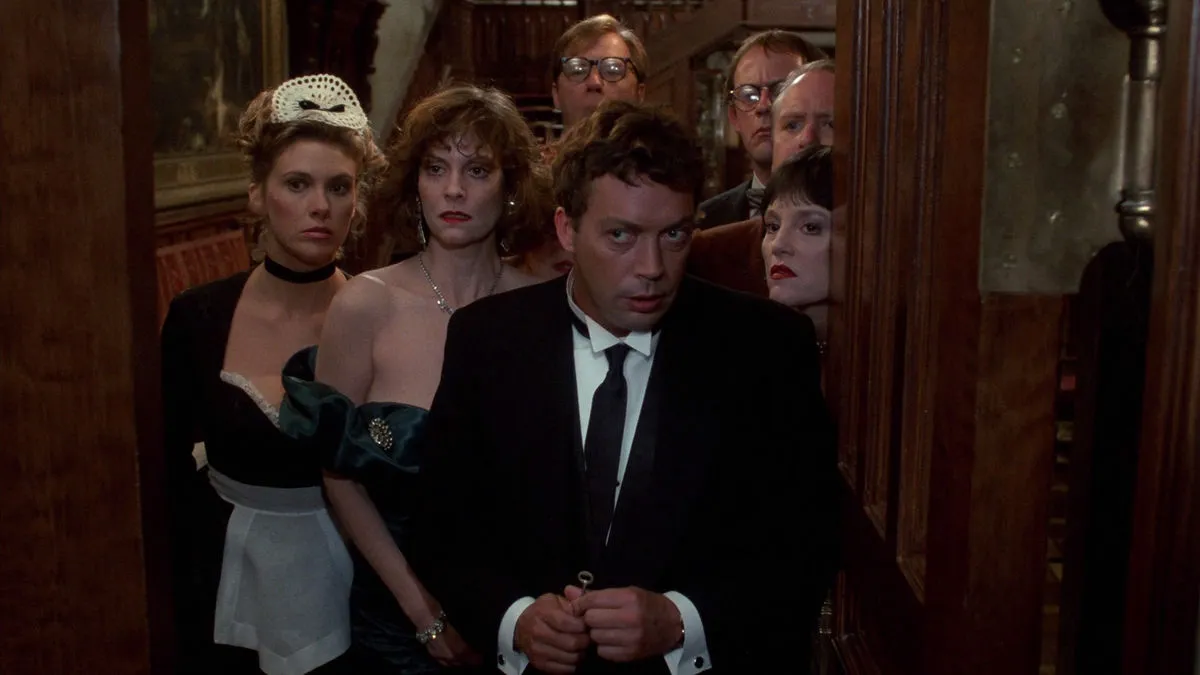

Netflix is developing a competition series based on the classic whodunit board game, pitting contestants against a sequence of physical and mental challenges to collect information before staging a real-world round of deduction. The format culminates in players attempting to solve the familiar triad of suspect, weapon and room from the game’s canon, with elimination tied to incorrect accusations and misreads during gameplay. The project is being made with the game’s rights holder and has no premiere date or casting announced.
The order extends a broader push to translate tabletop brands into unscripted formats. In 2024, the game’s owner formalized an unscripted division led by a veteran executive and flagged Clue among properties moving through development alongside Monopoly, Trivial Pursuit and Scrabble. Earlier this year, Netflix secured a separate competition series built on Monopoly, signaling appetite for recognizable IP that can be adapted into scalable reality frameworks.
The streamer has leaned heavily into event-style reality over the past two years, using puzzle-forward mechanics, alliance dynamics and live-action “game map” design to broaden its slate. Recent titles emphasize clue-gathering and social strategy as much as raw athleticism, a playbook the Clue format appears set to follow, with challenge design feeding a final accusation stage that rewards pattern recognition over brute force. This approach dovetails with audience familiarity with the board game’s rules, allowing producers to layer production spectacle—mansion-set investigations, weapon reveals, timed interrogations—on top of a rule set viewers already understand.
Rights-driven game IP has become competitive currency for streamers because it packages brand recognition with clear gameplay loops, easier marketing and potential multi-territory versions. For Clue, producers also inherit a flexible cast of archetypal figures—Miss Scarlet, Colonel Mustard and others—that can be referenced as character prompts or episode mechanics without requiring direct narrative canon. The remaining variables are showrunner selection, prize design and whether the final accusation is player-led or resolved via cumulative scoring, all of which will shape how close the series hews to parlour-game deduction versus adventure-competition spectacle.