




























Oday Rasheed’s If You See Something, written with Avram Ludwig and Jess Jacobs, studies modern displacement through a tight, character-driven frame. Ali (Adam Bakri), an Iraqi doctor seeking political asylum, builds a tentative life in New York City with his American girlfriend, Katie (Jess Jacobs), a gallerist. Their home feels calm yet fragile.
The same day Ali learns his first asylum hearing is on the calendar, a crisis from Baghdad reaches him. His closest friend, Dawod, is kidnapped for a large ransom, and the news tears open the life Ali is trying to assemble. The film positions that rupture as the core dramatic engine, where paperwork and hope meet fear and obligation.
The Impossible Predicament
The film works with a clear design: place Ali inside a binary that pressures every choice. Dawod’s captors demand 250,000 dollars. Ali must locate and move the money in secret, using channels that would endanger his immigration status. Each step toward helping his friend threatens the long-term future he is trying to secure. The narrative keeps that pressure immediate and personal rather than procedural, and the stakes sit inside his day-to-day decisions.
Ali withholds the kidnapping from Katie, which creates isolation inside intimacy. The silence is not a plot ornament; it functions like a mechanic that gates access to relief. Each scene treats disclosure as a lever he refuses to pull, and the refusal drains him. The film steers away from easy melodrama and settles its tension inside private, punishing choices, without resorting to traumatic flashbacks for sympathy.
Bureaucracy and violence knot together, and the audience watches the knot cinch with each choice he delays or makes. The structure stays tight on cause and effect: a call arrives, a transfer must be arranged, a risk compounds, a relationship strains. The result is a scenario that plays like a high-stakes game where every move consumes stamina and adds threat, and the win condition remains painfully unclear.
Performance and Cultural Friction
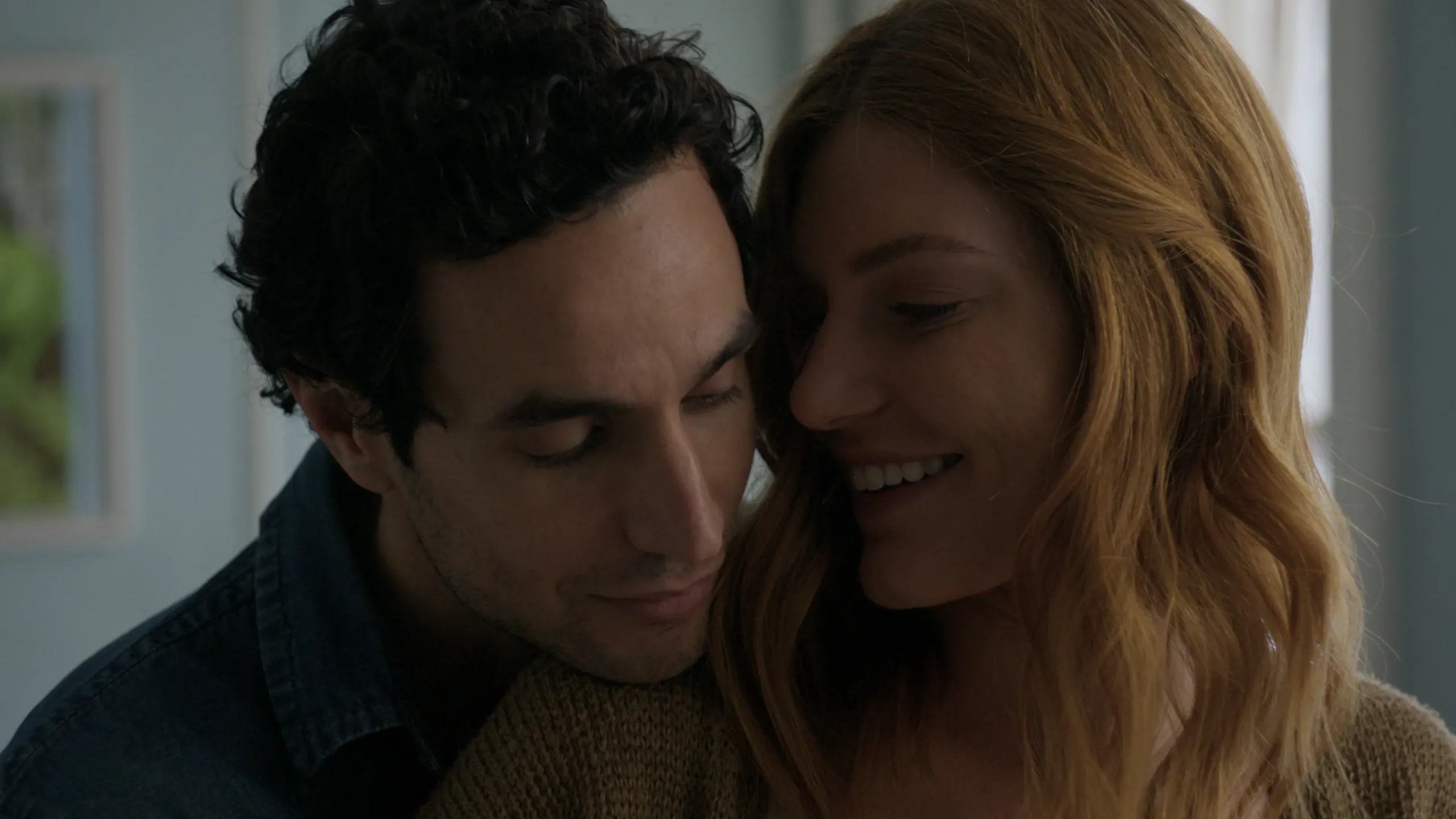
The emotional axis runs through Ali and Katie. Bakri and Jacobs build an immediate warmth, then let it meet the harder edges of difference. Ali carries lived trauma; Katie grew up with stability. That gap surfaces with painful clarity at dinner with Katie’s father, Ward (Reed Birney). Birney renders Ward with soft speech and a guarded smile that signals condescension.

Small remarks land like jabs, and those microaggressions turn the table into a pressure chamber. The scene feeds a second thread of conflict: social performance under scrutiny. It maps neatly onto the larger question the film keeps asking about who gets to feel safe in a room.
Bakri anchors the film. His work stays contained yet readable, a performance calibrated to small signals. Fear and hurt pass across his face in quick, precise notes, and the film lets those notes carry meaning rather than giving him heavy exposition. The camera often trusts that restraint, and the choice pays off, since the story centers on decisions he cannot easily explain.
One character decision strains plausibility inside the film’s own legal stakes: Ali and Katie remain unmarried. The script frames it as a romantic choice, but the outcome positions Ali inside a sustained legal limbo. The move heightens tension by design, though it blunts the logic of a relationship that otherwise reads as committed. The point lands inside the film’s broader study of risk, yet it introduces a friction between character intention and narrative scaffolding.
The Stutter of Narrative Pacing
Rasheed uses a measured, discreet style against the urgency of a kidnapping scenario. The approach sets a slow rhythm that sometimes releases tension. The quiet feels purposeful, mirroring Ali’s emotional stasis in an unfamiliar city, and the stillness invites reflection on waiting and dread.
That same stillness can flatten momentum, which turns certain passages into long holds rather than escalating beats. The film accepts that trade and builds mood through pauses, but some sequences drift where a tighter cut might have kept pressure high.
The film occasionally inserts dark, dreamy images tied to Ali’s past. These passages shift texture and pull away from the present-day crisis. The intent reads as memory surfacing, yet the timing and placement can feel abrupt, interrupting rather than deepening the line of action. The strongest material stays rooted in the present, where a phone call, a bank interaction, or an offhand comment moves the needle on risk and trust.
The title provides the thematic keel. It invokes the “If You See Something, Say Something” slogan, which signals surveillance culture and the suspicion that shadows public space. The film reorients that phrase. Ali’s safety sits inside silence: silence with Katie, silence with authorities, silence with himself when he cannot face the cost of a move.
The question becomes whether that silence counts as moral failure or survival tactic. The drama treats speech as exposure and quiet as shield, and the story keeps testing how long that shield can hold before it breaks his relationships and his chances for a future.
The film’s design favors empathy and thought over full-throttle suspense, and the method stays consistent. It asks the audience to sit with a man weighing a friend’s life against the paperwork that might secure his own. Through careful performance work from Bakri, incisive scenes that expose social fault lines, and a structure that treats information as a scarce resource, the film builds a study of choice under pressure. It may not chase a sweeping emotional release, yet it presents a clear, steady examination of risk, love, and the cost of staying quiet.
If You See Something is a drama film that centers on the life of Ali, an Iraqi doctor seeking political asylum in New York City, and his relationship with his American girlfriend, Katie. Their burgeoning romance and his uncertain future are abruptly threatened when a crisis from his homeland forces him to choose between his new life and a moral obligation to a friend. The film is directed by Oday Rasheed. It had its U.S. limited theatrical release on October 31, 2025, through Joint Venture. It has been given an R rating for brief violence and some language.
Credits
Title: If You See Something
Distributor: Joint Venture
Release date: October 31, 2025 (United States Limited)
Rating: R
Running time: 97 minutes (or 108 minutes, sources vary)
Director: Oday Rasheed
Writers: Avram Noble Ludwig, Jess Jacobs
Producers and Executive Producers: Jess Jacobs, Stephanie Roush, Brian Newman, Frank Hall Green, Caitlin Zvoleff, Andre Basso, Joseph Stephans, Doug Liman (Executive Producer)
Cast: Adam Bakri, Jess Jacobs, Tarek Bishara, Lucy Owen, Hadi Tabbal, Krystina Alabado, Hend Ayoub, Reggie Gowland, Nasser Farris, Reed Birney
Director of Photography (Cinematographer): Daniel Vecchione
Editors: Soojin Chung
Composer: Bryan Keller
The Review
If You See Something
If You See Something captures the impossible choice faced by an asylum seeker with genuine dramatic weight. Adam Bakri’s insular performance powerfully holds the center, navigating personal risk against moral obligation. While the measured, deliberate pacing sometimes diminishes the immediate tension, the film succeeds as a thoughtful and empathetic exploration of displacement and cultural friction. The script deserves recognition for its nuanced thematic subversion of a familiar public safety mantra. It is a slow burn that rewards patient viewers, offering valuable insight into immense personal stakes.
PROS
- Adam Bakri’s intense, insular central performance.
- Nuanced thematic subversion of the film’s title.
- Effective dramatic exploration of the asylum vs. moral obligation dilemma.
- Palpable warmth and chemistry in the central relationship.
CONS
- Slow, deliberate pacing that often diminishes narrative tension.
- Secondary family drama feels extraneous and distracting from main plot.
- Plot point regarding the couple's unmarried status feels unconvincing.