
























Jennifer Lawrence and Robert Pattinson say their new film Die My Love hinges on an uneasy romance shaped by panic and tenderness, and they spoke candidly about medication, process, and nerves while promoting the release. In a new interview, the pair discussed collaborating under Lynne Ramsay’s exacting direction and how their different approaches to acting found common ground in the story’s volatility. They also addressed the way public chatter reduces “method” to caricature, insisting their preparation stayed tethered to the script’s emotional logic rather than stunt-like immersion.
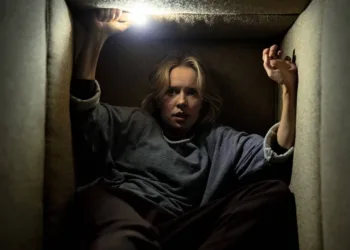
Their comments arrive ahead of the movie’s U.S. theatrical debut on November 7, following its competition bow at Cannes, where both actors drew attention for linking their performances to recent experiences of early parenthood. Lawrence has been open about postpartum isolation and how it informed her portrayal of Grace; Pattinson has described the difficulty of sustaining intensity while adjusting to life with a new baby. The film, adapted from Ariana Harwicz’s novel, tracks a couple who relocate to rural Montana and struggle as Grace’s mental health unravels.
The project has been positioned as a key fall release after a headline-making acquisition at Cannes, with Mubi taking distribution in a reported $24 million deal and setting a wide November rollout. That vote of confidence followed strong early reactions and underscored expectations that Ramsay’s first feature since 2017 could play through awards season. Lawrence headlines opposite Pattinson, with Sissy Spacek and Nick Nolte among the supporting cast; cinematography is by Seamus McGarvey.
Recent press stops have emphasized the film’s balance of severity and humor. Lawrence has described “living intrusive thoughts out loud” as part of Grace’s jagged interiority, while noting that parenthood changed her creatively and practically. Pattinson has echoed the strain and exhilaration of working at that pitch, crediting Ramsay with creating conditions where risk felt safe. As the release nears, the pair’s interview signals how the production wants the conversation to center on mental health, caregiving, and the uneasy comedy of crisis rather than behind-the-scenes mythology.