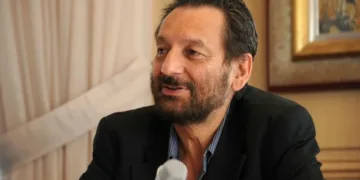



















Filmmaker Shekhar Kapur is reshaping the International Film Festival of India in Goa with a plan that ties the event more tightly to new production tools, public-facing spectacle, and a larger business market. Speaking ahead of the 56th edition, Kapur said the festival should reflect how movies are now made and watched, and he wants Goa to feel less like a closed industry gathering and more like a citywide celebration of cinema.
The clearest symbol of that shift arrives on opening day. For the first time in IFFI’s history, the festival starts with a street parade through Panaji on November 20, featuring floats from Indian states, studios, and cultural groups. Organizers say the procession is designed to pull residents and visitors into the festival before the first screening, while still keeping the traditional premieres and gala events inside the official program.
Kapur is also pushing IFFI deeper into the technology conversation. This year’s theme, “Convergence of Creativity & Technology,” frames masterclasses, panels, and a new CinemAI hackathon that invites young filmmakers and engineers to prototype AI-assisted storytelling tools during the festival week. Kapur has described artificial intelligence as a practical creative aid for writers, editors, and small teams, arguing that it can lower barriers to entry for emerging talent.
On the business side, the attached WAVES Film Bazaar is being enlarged into a more global co-production and sales market, with added project grants, stronger outreach to international financiers, and programming that highlights work in regional Indian languages. Kapur says the aim is to make the market a year-round pipeline for Indian stories seeking partners abroad, while giving foreign producers a clearer route into India.
That ambition lines up with policy changes Kapur has promoted to overseas delegates. India’s federal incentive for incoming productions now offers cash rebates up to 40%, with extra bonuses for filming in specific states, a bid to lure big international shoots and spread skills into local crews. The festival, Kapur argues, should be the showcase for that pitch: a place where cultural exchange, commercial deals, and next-gen craft meet in a single week.