
























![Kingdom Hearts Collection [I-III] Review](https://gazettely.com/wp-content/uploads/2026/10/Kingdom-Hearts-Collection-I-III-1-360x180.webp "Kingdom Hearts Collection [I-III] Review: KHII Holds Steady as Newer Entries Fluctuate 37")



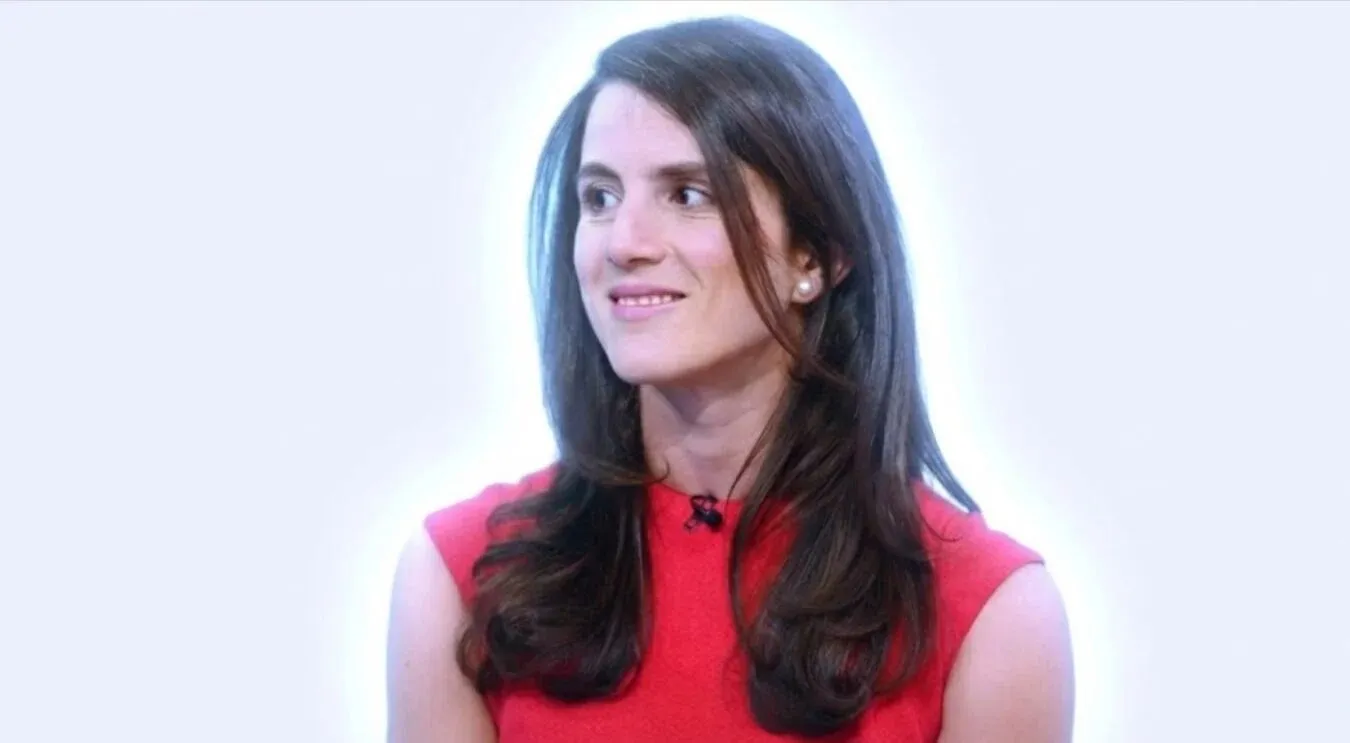

Tatiana Schlossberg, the environmental journalist and author who is the daughter of Caroline Kennedy and the granddaughter of President John F. Kennedy, has disclosed that she is living with terminal acute myeloid leukemia. In a personal essay published November 22 in The New Yorker, Schlossberg wrote that physicians now expect her life to be measured in months, after repeated rounds of treatment failed to secure a lasting remission.
Schlossberg said her cancer was discovered within hours of the birth of her second child in May 2024, after routine blood work showed a dramatically elevated white blood cell count. She described a long medical course that has included intensive chemotherapy, two stem cell transplants from different donors, and enrollment in clinical trials using immune-based therapies. She noted the rarity of her leukemia’s Inversion 3 mutation, a factor doctors told her makes cure far less likely.
Much of the essay centers on parenting through illness. Schlossberg wrote about the fear that her children will grow up without clear memories of her, and about the emotional weight her diagnosis places on her mother, who has witnessed multiple family tragedies across decades. She tied her story to public health policy, criticizing her cousin Robert F. Kennedy Jr., now serving as U.S. health secretary, for research and vaccine funding cuts that she believes threaten new treatments for blood cancers.
Public reaction was swift. Maria Shriver posted on X urging readers to seek out Schlossberg’s essay, praising her writing and the medical teams caring for her. Meghan McCain called the piece devastating and sent support to Schlossberg and her relatives. Schlossberg’s brother Jack shared the essay on Instagram with the line “Life is short — let it rip,” reflecting the family’s push to focus on time, presence, and community.
Schlossberg has spent her career on climate and consumption reporting, including years at The New York Times and her 2019 book “Inconspicuous Consumption.” Her disclosure has drawn renewed attention to the role of experimental therapies in aggressive leukemias, and to the way personal illness stories can sharpen public debate over research priorities and access to care.







