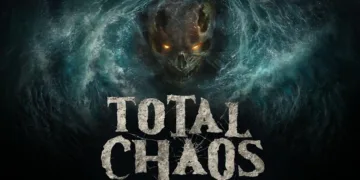






















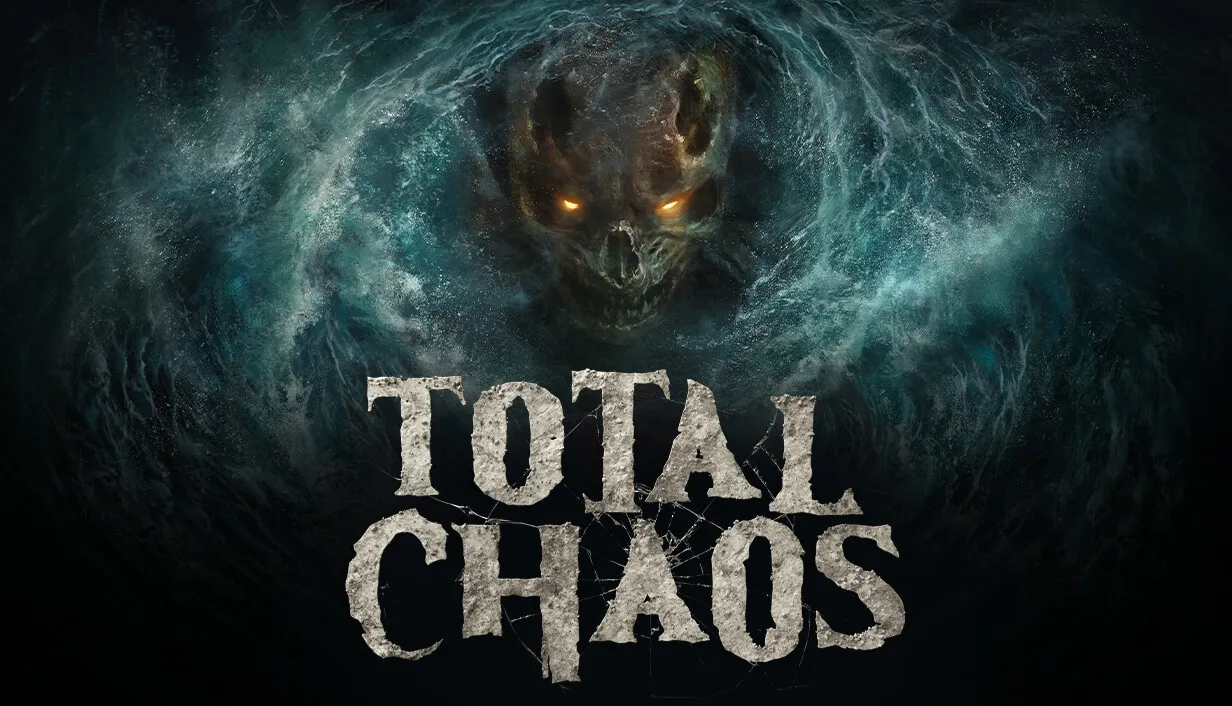

Total Chaos arrives as a full standalone release from Trigger Happy Interactive, built on the surprisingly successful foundation of a total conversion mod for the classic Doom II. That heritage shows in the brisk, first person pacing, while the finished game presents itself as a dedicated survival horror experience with a clear identity. The player controls an unnamed coast guard dispatched to Fort Oasis, a desolate island and former coal mining colony marked by an undefined threat.
The experience mixes psychological horror, body horror, and the industrial grime of the setting to sustain a gloomy, oppressive mood. The core loop revolves around careful exploration, puzzle solving, strict resource management, and frantic combat against the island’s twisted inhabitants. This is a sizable horror campaign, reportedly offering around 20 hours of play, including newly added bonus chapters.
The Grime and the Growl: Atmosphere and Story
Presentation carries a lot of the weight in Total Chaos, creating an environment that feels both tactile and hostile. The visuals climb well past the game’s mod origins while still holding on to the initial artistic intent. The aesthetic leans hard into a “damp and rusty” look. Environments suggest an early 2000s, waterlogged world where walls feel swollen with neglect and every corridor looks unsafe to touch. Subtle, carefully placed lighting and a persistent hazy mist raise the tension across apartment blocks, sewer tunnels, and industrial factories. The visual design keeps a distinct, cohesive direction and avoids the glossy over polishing seen in some modern remakes.
Sound design often steals the spotlight and shapes an oppressive acoustic space that few modern horror games match. The audio lays down trickling ambience, low, uneasy hums, and the heavy stomping of massive creatures audible through walls. Enemy screams, from foes both visible and hidden, constantly pressure the player. Record player save stations, an unusual choice, spin a disturbing musical motif that deepens the unease. The sparse voice acting is effective, especially the cryptic lifeline who guides the protagonist over comms.
Storytelling stays understated and leans on atmosphere instead of heavy exposition dumps. Plot details arrive in fragments through environmental clues, collectible notes, and the intermittent radio voice. The narrative focuses on themes of madness and on the protagonist’s troubled history. Familiar horror devices appear, including doubts about the reality of hallucinations, yet the reserved presentation keeps these elements from feeling like hollow clichés and preserves the suffocating mood.
Managing Chaos: Gameplay and Survival Systems
Total Chaos combines mechanics that recall different eras of game design. Even with its survival structure, the protagonist moves with speed, closer to a “boomer shooter” character, backed up by a generous dash. This mobility supports evasive play and keeps backtracking from turning into slow, plodding retracing of steps associated with some survival horror titles such as classic Resident Evil entries. The pace stays lively, with sharp spikes of action and long stretches of quiet, unsettling exploration that let the game’s atmosphere simmer.
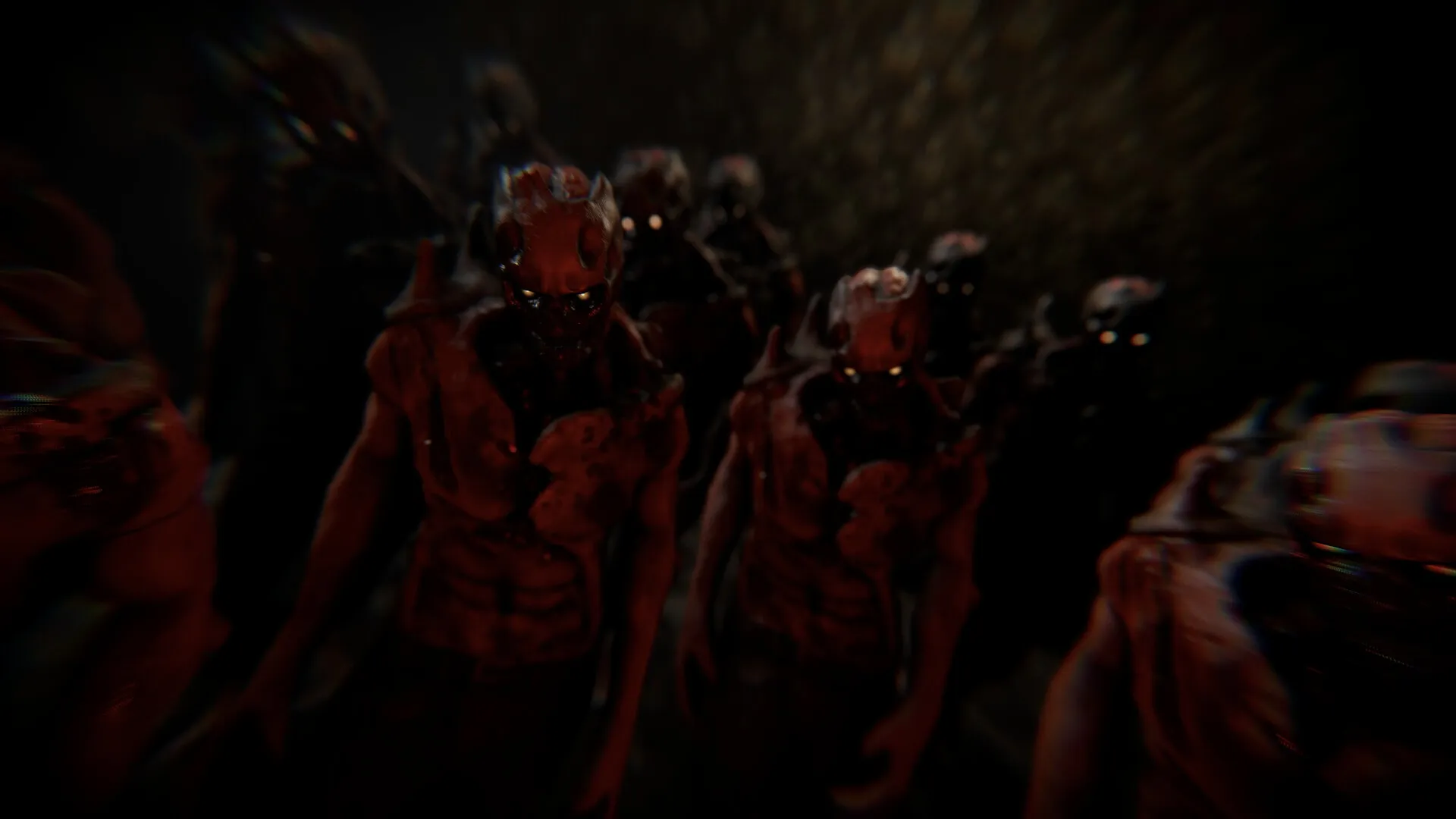
Resource management operates as a constant source of pressure. Inventory capacity stays tight because of a strict weight limit, so players must make hard decisions about gear and supplies. A quick crafting system plays a central role in staying alive, used to assemble basic melee tools like shivs and axes and to combine food with medical items. Survival becomes more complex through detailed status bars for hunger and thirst, bleeding, and madness. These meters interact in specific ways.
A healing stimpak might stop one problem while it triggers minor blood loss or increases hunger. This steady, nuanced balancing act turns scavenging into a vital habit. Madness evolves over the course of the game, with the system capable of shifting environments and progression in later, more complex levels, echoing psychological elements present in games like Amnesia. Firearms stay scarce and feel appropriately powerful whenever they appear, which reinforces their role as a last resort. Melee combat feels deliberately clumsy and weighty yet still satisfying, rewarding players who learn the rhythm of strong swings and parries.
Brutality and Avoidance: Encounters and Design
Enemy encounters highlight some of the strongest design work in Total Chaos. Monster designs show plenty of creativity and usually look excellent, so players need to adjust their tactics on a regular basis. The game reaches a high point when it introduces distinct, set piece style threats. Specialized creatures such as Glares and Widows resist direct kills and call for specific avoidance plans, careful management of line of sight, or smart use of the environment. These sequences deliver some of the sharpest and most intense horror beats in the game.
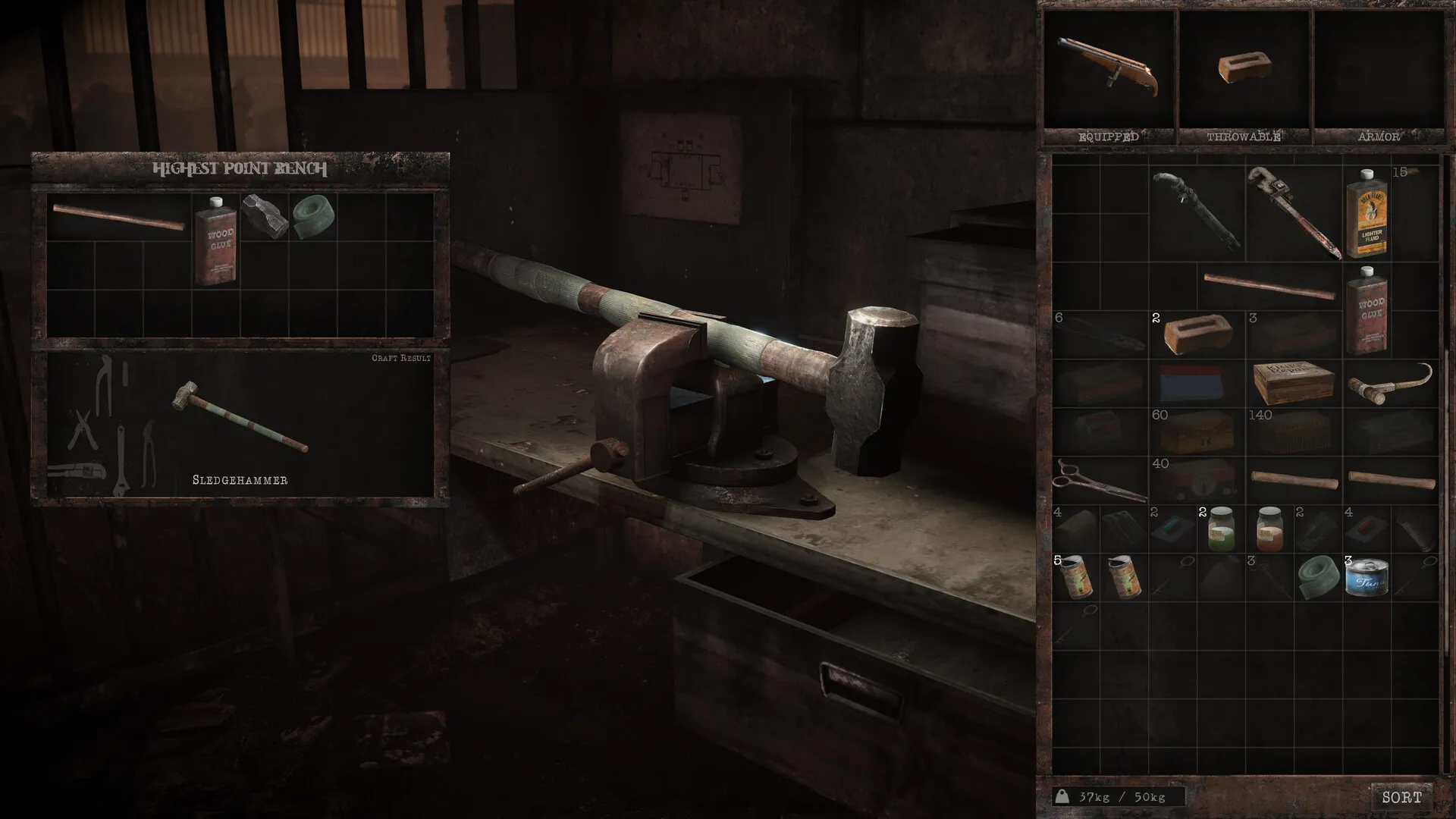
Combat with routine fodder enemies such as the zombie like Brutes can feel simple by comparison. These common creatures often function as space fillers between landmark encounters and expose a basic combat loop where a few swings of a scavenged weapon frequently handle the problem.
That split creates an uneven sense of danger across the campaign. Chapter structure shows similar variation, moving from early escape focused sections into more confident combat passages before upending expectations with stretches that lean on stealth and avoidance. Level layouts lean toward openness, yet the game occasionally drifts into unclear paths, which leads to frustrating searches for a missed switch or objective.
Technical work looks solid in many areas, though minor rough edges stand out. Players may notice small bits of jank, including light texture pop in or enemies that briefly fail to register hits. A specific technical oversight that cuts into the experience appears in the tiny, fixed size of the HUD and on screen text, which creates a serious problem for anyone trying to read key information from a distance.
The Review
Total Chaos
Total Chaos is an ambitious and largely successful survival horror experience. Its exceptional sound design and oppressive, grime-caked atmosphere effectively create constant dread. The survival mechanics, including the nuanced hunger and madness systems, keep exploration tense and rewarding. While the combat against regular enemies can feel simplistic and the game suffers from minor technical jankiness, the brilliant, unique set-piece encounters firmly establish this title as a memorable and distinct entry in the genre. It commits fully to its identity, resulting in a unique, must-play horror game.
PROS
- Exceptional sound design
- Intense, oppressive atmosphere
- Engaging resource management
- Inventive, high-tension set pieces
- Brisk movement prevents dull backtracking
CONS
- Occasional technical jankiness
- Simplistic combat against fodder enemies
- Vague navigation in some areas
- Small, non-adjustable HUD text
- Clumsy melee combat can be frustrating